

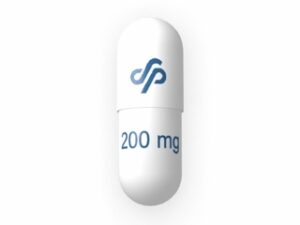
Oseltamivir Phosphate (Oseltamivir) — Patient Guide (UK)
Oseltamivir (often referred to as oseltamivir phosphate) is an antiviral medicine used to treat influenza (flu) and, in some situations, help reduce the likelihood of flu infection after exposure. This guide explains what it is, how it works, how to use it, and what to know about side effects, interactions, and practical considerations in the United Kingdom.
1) Basic product information
| Feature | Details |
|---|---|
| Generic name | Oseltamivir (as oseltamivir phosphate) |
| Medicine type | Antiviral (neuraminidase inhibitor) |
| Common forms | Oral capsules and oral suspension (strength varies by product) |
| Therapeutic areas | Influenza A and B treatment (and selected prevention use after exposure) |
| Who it’s for | Adults and children in line with UK clinical guidance and product licensing |
| Where it’s used | NHS and private care settings during influenza seasons and outbreaks |
2) How oseltamivir works (mechanism of action)
Influenza viruses spread inside the body by using an enzyme called neuraminidase. This enzyme helps newly formed virus particles break away from infected cells and spread to other cells.
Oseltamivir blocks neuraminidase, which can:
- reduce the release of influenza virus from infected cells
- limit the amount of virus in the body
- help shorten illness duration in many people, especially when started early
- reduce complications risk in certain higher-risk groups (depending on timing and patient factors)
3) Pharmacokinetics (what the body does to the medicine)
After you take oseltamivir by mouth, it is absorbed and converted in the body to its active form (often referred to as oseltamivir carboxylate), which is responsible for the antiviral effect.
- Absorption: Good oral absorption. Taking it with food may help tolerability for some people (for example, reducing nausea).
- Activation: The prodrug (oseltamivir) is metabolised into the active metabolite.
- Distribution: The active metabolite reaches relevant tissues, including the respiratory tract.
- Elimination: Primarily excreted by the kidneys.
Because the medicine is cleared mainly via the kidneys, people with kidney impairment may require dose adjustment and closer guidance from a healthcare professional.
4) Typical use in the UK (what it’s used for)
In the United Kingdom, oseltamivir is used to:
- Treat influenza in people who are experiencing flu symptoms and are likely to have influenza.
- Help prevent influenza in certain circumstances after close exposure (for example, during outbreaks or for people at higher risk who have been exposed), in line with local clinical advice.
It is important to note that oseltamivir is specifically targeted to influenza viruses. It does not treat common cold viruses or other causes of fever and sore throat.
5) Timing: when to start for best effect
Timing is one of the most important factors for oseltamivir’s effectiveness. Clinical studies and NHS-related guidance generally emphasise starting as soon as influenza is suspected.
- For treatment: Starting within 48 hours of symptom onset is associated with the greatest benefit.
- Earlier is better: If influenza is suspected, delaying treatment may reduce the chance of shortening illness.
- Severe or high-risk illness: Even if more than 48 hours have passed, clinicians may still consider treatment for certain patients (for example, severe symptoms, hospitalisation, or higher-risk groups).
6) Indications (when it may be appropriate)
Oseltamivir is indicated for:
- Influenza treatment in people with confirmed or suspected influenza, particularly when started early.
- Post-exposure prophylaxis (after contact with an infected person) for specific situations as advised by local protocols and clinical assessment.
Indications and dosing may vary depending on age, symptom onset time, and individual health status. UK prescribing and clinical decision-making are based on patient risk, severity, and circulating flu strains.
7) Dosing overview (general information)
Dosing depends on whether the medicine is being used for treatment or prevention, the patient’s age, and kidney function. Always follow the dosing schedule given with your specific product and any clinical advice you received.
Common dosing principles
- Kidney function matters: Reduced kidney clearance can raise medicine exposure, so dose adjustments are sometimes needed.
- Age matters: Children and adults may have different dosing schedules.
- Route: Oseltamivir is taken by mouth.
Typical adult treatment regimen (general)
- Treatment of influenza: commonly taken twice daily for a short course (duration depends on local guidance and product labelling).
Typical prevention regimen (general)
- After exposure: commonly once daily for a set number of days after the exposure period (duration depends on the situation and advice provided).
Important: Because dosing schedules can differ by product and patient group (including paediatric formulations), it’s best to check the exact regimen provided with your supply.
8) How to take oseltamivir (practical use tips)
With or without food
Many people find oseltamivir better tolerated when taken with food. Food can help reduce certain stomach symptoms such as nausea.
- If you experience nausea, consider taking it with a meal or snack.
- Stay consistent—take doses at roughly the same times each day.
Swallowing capsules
- Swallow capsules whole with water.
- Do not open or crush capsules unless your prescribed/packaged instructions allow it (paediatric preparations are often supplied as suspension).
Using oral suspension (liquid)
- Use the measuring device provided with the medicine.
- Shake the bottle well if the leaflet instructs to do so.
- Double-check the dose strength and volume—liquid medicines can vary.
Completing the course
Even if you start feeling better, complete the full course (or the advised prevention period) unless advised otherwise. Stopping early can reduce the expected benefit.
9) Food interactions
Food does not usually prevent oseltamivir from working, but it may affect tolerability. In practice:
- Taking with food may reduce nausea and vomiting.
- Taking without food may still be effective, but some people experience more gastrointestinal side effects.
There are no major dietary restrictions typically required for oseltamivir. However, if you have severe vomiting or are unable to keep doses down, seek medical advice promptly.
10) Alcohol and medicine interactions
Oseltamivir does not have a well-known dangerous direct interaction with alcohol for most people. However, during influenza illness, alcohol may worsen dehydration, sleep disruption, and overall recovery.
- General advice: Limit or avoid alcohol while you are unwell.
- Do not “make up” missed doses if you vomit soon after taking a dose—follow the guidance given with your medicine or seek advice.
- Medication combinations: If you take other medicines, especially for kidney disease or frequent immunosuppressants, check with a pharmacist if you are unsure.
If you feel dizzy, very unwell, or confused while taking oseltamivir, contact a healthcare professional. (Some side effects can overlap with flu symptoms.)
11) Safety profile: side effects and what to watch for
Like all medicines, oseltamivir can cause side effects. Many people experience none or only mild effects. Side effects are often more noticeable early in treatment.
Common side effects
- Nausea
- Vomiting
- Headache
- Stomach (abdominal) discomfort
Taking doses with food can reduce nausea for some people.
Less common but important effects
- Allergic reactions (for example, rash, itching, swelling, or breathing difficulty)
- Unusual behaviour or confusion have been reported in some settings, particularly in children (and may be rare)
- Skin reactions (rare)
Seek urgent medical help if
- you develop signs of an allergic reaction (swelling of face/lips, difficulty breathing, widespread rash)
- you have severe or persistent vomiting or signs of dehydration
- you notice severe confusion, unusual agitation, or concerning neurological symptoms
- symptoms rapidly worsen or you develop breathing difficulties
Flu can also cause serious complications on its own. If you are concerned about severity (for example, chest pain, severe shortness of breath, or persistent high fever), seek medical attention promptly.
12) Special populations: who needs extra care
- People with kidney problems: Dose adjustment may be required due to reduced clearance.
- Children: Dosing is weight/age dependent; formulations differ (capsules vs suspension).
- Pregnancy and breastfeeding: Some clinical guidance supports oseltamivir use when benefits outweigh risks for appropriate patients. If you are pregnant or breastfeeding, discuss with a healthcare professional promptly.
- Elderly and those with chronic conditions: These groups may be at higher risk of complications, which is one reason timely treatment may be emphasised.
13) Recent guidance and how oseltamivir fits with UK flu care
In the UK, flu management typically focuses on early recognition, supportive care (such as rest, hydration, and symptom relief), and antiviral treatment for suitable patients—particularly those at higher risk of complications or with more severe illness.
UK clinical practice generally aligns with the idea that:
- Antivirals work best when started early (ideally within 48 hours of symptom onset).
- High-risk patients may benefit even later if influenza is strongly suspected or disease is severe.
- Local eligibility criteria may apply depending on age, risk factors, and outbreak context.
Guidance can evolve year to year based on circulating influenza strains and public health recommendations. Your pharmacist can help you understand how the medicine is used locally.
14) Delivery and availability in the UK
Oseltamivir availability can vary by time of year and local supply. Many online pharmacies provide access to medicines through standard UK supply processes where applicable, with delivery options dependent on your location.
- Delivery: Delivery times typically depend on the pharmacy’s dispatch schedule and courier service.
- Stock availability: During peak flu seasons, demand may increase; early ordering is helpful where clinically appropriate.
- Packaging: Medicines are usually supplied in original packaging with patient information to support correct use.
If you are ordering for a child or need a liquid formulation, ensure the product you select matches the dosing requirements provided.
15) Alternative options to oseltamivir
Treatment and prevention of influenza may include supportive care and, when appropriate, other antiviral options or strategies. Depending on local recommendations, alternatives may include:
- Supportive treatment: Flu often requires symptom relief such as fever and pain control, fluids, and rest.
- Other antivirals: In some clinical settings, different antiviral medicines may be considered based on patient factors and resistance patterns.
- Prevention measures: Flu vaccination (where available), hygiene measures, and reducing close contact with infected individuals.
The best option depends on your risk profile, timing since symptom onset, and clinical assessment. A pharmacist can advise on general suitability and safe use, including how to manage symptoms while waiting for results of influenza testing if relevant.
16) Market and legal context in the United Kingdom
Medicines in the UK are regulated under the Medicines and Healthcare products Regulatory Agency (MHRA) and related UK healthcare frameworks. Antiviral use is supported by national and local guidance during flu seasons.
Online pharmacies must follow UK regulations for pharmacy practice, product supply, documentation, and patient safety. Availability, eligibility, and supply processes may vary between providers.
If you’re unsure about which product strength or formulation is appropriate for age or kidney function, contact a pharmacist before ordering or using the medicine.
17) Frequently Asked Questions (FAQ)
How quickly does oseltamivir start working?
Many people notice symptom improvement within a day or two when treatment is started early. The greatest benefit is generally seen when started within 48 hours of symptom onset.
What if I’m already more than 48 hours into flu symptoms?
Some higher-risk patients or those with severe illness may still benefit from antiviral treatment after 48 hours. Timing decisions should be based on clinical assessment and local guidance.
Can I take oseltamivir for the common cold?
Oseltamivir is designed for influenza viruses. It will not treat most causes of the common cold.
Should I stop taking it if I feel better?
No—unless you are advised to stop. Complete the full course or prevention period as directed so the medicine can work as intended.
Are there any interactions with other medicines?
Oseltamivir is not known for many major interactions, but it can still interact indirectly with other factors (like kidney function) or certain medicines. If you take regular medicines, especially for kidney disease, check with a pharmacist.
Can I take oseltamivir with food?
Yes. Taking with food may help reduce nausea and vomiting in some people.
Can I drink alcohol while taking it?
There is no commonly recognised dangerous interaction for most people, but it’s best to avoid or limit alcohol while you are unwell. Flu symptoms such as dehydration and tiredness may be worsened by alcohol.
Is oseltamivir safe for children?
Oseltamivir can be used in children under specific dosing schedules and formulations. Side effects can occur, and children should be monitored for any unusual behaviour or symptoms. Use the appropriate paediatric formulation and follow the correct dosing instructions.
What should I do if I miss a dose?
Take it as soon as you remember if it is close to the next scheduled dose. If it’s near the time for the next dose, skip the missed dose and continue as normal. Do not double up.
What if I vomit after taking a dose?
If you vomit shortly after a dose, the full amount may not have been absorbed. Follow the medicine’s patient guidance or seek advice from a pharmacist for what to do next.
Does oseltamivir affect flu vaccination?
It does not replace the need for flu vaccination. Vaccination helps reduce the risk of getting flu in the first place. For guidance on when to get vaccinated, consult public health advice or a pharmacist.
18) When to seek medical advice during flu
Contact a healthcare professional urgently if you have:
- difficulty breathing, chest pain, or severe shortness of breath
- signs of dehydration (for example, very low urine output or dizziness)
- symptoms that rapidly worsen or do not improve
- very high fever or concerns about a vulnerable person (infants, elderly, pregnant people, or those with chronic illness)
Remember: while antivirals can help, flu can be serious, and medical assessment is important when symptoms are severe.
Summary: Oseltamivir (oseltamivir phosphate) is an antiviral medicine used for influenza treatment and, in selected cases, prevention after exposure. It works by inhibiting the flu virus neuraminidase enzyme, helping reduce viral spread. The most important practical factor is starting treatment early—ideally within 48 hours of symptom onset—while taking care with kidney function and monitoring for side effects such as nausea or allergic reactions.