
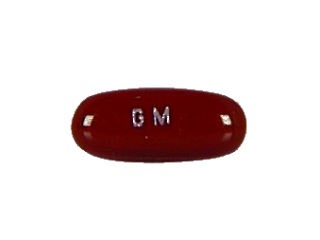


Lamprene (Clofazimine) — Patient Information (UK)
Lamprene is a medicine containing clofazimine, a treatment used primarily for certain serious bacterial infections. This page explains how Lamprene works, how it is usually taken, key safety points, and what to expect while using it. Always follow the instructions provided by your healthcare professional and the medicine label.
1. Basic product information
- Brand name: Lamprene
- Active ingredient: Clofazimine
- Medicinal use: Treatment of leprosy (and related mycobacterial infections in selected situations)
- Common formulation: Tablets (strengths may vary)
- Availability in the UK: Supply can depend on stock and supplier; availability may vary by pharmacy and region.
Note: Brand availability, pack sizes, and tablet strengths can differ. Your pharmacist can confirm the exact product you will receive.
2. How Lamprene works (mechanism of action)
Clofazimine is a lipophilic (fat-loving) antimicrobial medicine. It is active against certain bacteria, particularly Mycobacterium leprae (the bacterium that causes leprosy).
While the full mechanism is complex, Lamprene is thought to:
- Interfere with bacterial growth and survival by affecting key cellular processes.
- Accumulate within infected tissues due to its strong attraction to fatty environments, helping it remain active in the body for a long time.
- Exert anti-inflammatory effects that may contribute to symptom improvement in certain inflammatory reactions associated with leprosy.
3. Pharmacokinetics (how the body processes clofazimine)
Clofazimine has distinctive pharmacokinetic properties that explain why treatment is prolonged and why side effects can persist for some time after stopping.
Key points
- Absorption: Absorption can vary between individuals. Taking it with or without food may affect how much is absorbed.
- Distribution: Clofazimine distributes widely into tissues, especially those with fatty components.
- Slow clearance: The medicine is eliminated slowly; it can remain in the body for an extended period.
- Half-life: The effective half-life is long (often described as weeks), reflecting its extensive tissue binding.
Practical implication: If you experience side effects such as skin or GI changes, they may not disappear immediately after stopping.
4. Typical use in the UK
In the UK, Lamprene is most commonly used as part of leprosy treatment regimens. It may be used in different forms depending on disease type and clinical situation, including:
- Multidrug therapy (MDT) regimens for leprosy (in combination with other medicines such as dapsone and/or rifampicin).
- Management of specific inflammatory reactions associated with leprosy in specialist care.
- Selected mycobacterial infections under specialist guidance (depending on local protocols and individual circumstances).
Important: Clofazimine is generally used under specialist supervision due to the need for long treatment duration and careful monitoring of side effects.
5. Indications (what it is used for)
Lamprene (clofazimine) is indicated for:
- Leprosy (Hansen’s disease) — particularly as part of combination therapy.
- Complications related to leprosy reactions — when recommended by clinical guidelines and specialist assessment.
- Other mycobacterial infections — may be used in certain circumstances according to specialist protocols.
6. How to take Lamprene: timing and dosing
Dosing schedules can vary depending on the condition being treated, the severity of disease, and whether it is being used as part of combination therapy.
Typical dosing approach
- Follow the schedule provided by your healthcare professional.
- For many leprosy regimens, clofazimine is taken once daily or as directed.
- Your prescriber may adjust the dose based on response, tolerability, and any monitoring results.
Timing
Common practical advice is to take Lamprene:
- At the same time each day to maintain steady exposure.
- With food if it upsets your stomach (see food interactions below).
- If you miss a dose, take it when you remember unless it is nearly time for the next dose. Do not take a double dose. If you are unsure, ask your pharmacist.
Swallowing tips
- Swallow tablets whole with water.
- A consistent routine may help with adherence during long courses.
Reminder: The most important “correct dose” is the one tailored to you by your clinical team.
7. Food interactions and absorption
Food interactions with clofazimine can be relevant because absorption may vary. In general:
- Taking with meals may improve tolerability and may reduce stomach discomfort for some people.
- Avoid sudden major changes in your usual eating pattern during treatment, as it may affect how your body absorbs the medicine.
If you have persistent nausea, appetite changes, or stomach pain, ask your pharmacist or clinician for advice. They may recommend taking the dose with food or other supportive measures.
8. Alcohol interactions
There is no universally required absolute ban on alcohol with clofazimine, but alcohol can worsen side effects such as:
- Stomach upset and nausea
- Fatigue
- Liver stress (especially if you are also taking other medicines that may affect the liver)
Best approach: Limit alcohol and discuss your intake with your healthcare professional, particularly if you experience side effects or if your treatment includes other medicines that may affect the liver.
9. Interactions with other medicines
Tell your healthcare professional about all medicines you use, including:
- Over-the-counter products
- Herbal remedies and supplements
- Vitamins and mineral preparations
Clofazimine has potential interaction considerations, especially when combined as part of multidrug regimens. Key practical interaction points include:
- Other antimycobacterial medicines: Interactions are most often managed by clinical teams because clofazimine is frequently given with other drugs for leprosy.
- Medicines affecting liver function: If you are taking medications that may influence the liver, your clinician may monitor blood tests.
- Constipation risk: Clofazimine may cause gastrointestinal effects such as dryness or constipation in some people; combining with other medicines that can cause constipation may worsen symptoms.
Always check: Your pharmacist can review your current medicines for possible interactions.
10. Safety profile: common and serious side effects
Like all medicines, Lamprene can cause side effects. Many are manageable, but some require prompt medical attention.
Common side effects
- Skin discoloration: Clofazimine is well known for causing reddish-brown to darkening of the skin. This may be more noticeable on exposed areas.
- Dryness and roughness of skin in some people.
- Gastrointestinal effects: nausea, abdominal discomfort, diarrhoea, or constipation.
- Weight changes can occur in some people.
- Fatigue or general tiredness.
Less common but important side effects
- Persistent or severe diarrhoea
- Severe abdominal pain or vomiting
- Any signs of intestinal blockage (e.g., inability to pass stools/gas, severe cramping)
- Allergic reactions such as rash, swelling, or breathing difficulties
When to seek urgent medical help
Get urgent medical advice if you experience:
- Breathing difficulties, swelling of the face/lips, or widespread hives
- Severe or worsening abdominal pain
- Signs of dehydration from persistent diarrhoea (dizziness, very dark urine, feeling faint)
Monitoring
Your clinician may monitor:
- Response to treatment for leprosy
- Blood tests if appropriate (particularly if other medicines in the regimen require monitoring)
- Skin and GI symptoms
- Any signs of complications or reactions
11. Practical use tips for long-term treatment
Because clofazimine treatment can be long, practical strategies can make day-to-day use easier.
Skin care
- Use moisturisers and barrier creams to reduce dryness/roughness.
- Consider sun protection (SPF) to help with skin comfort and appearance.
- Tell your healthcare team if you develop painful skin changes or worsening rash.
Managing stomach effects
- Take the dose with food if it upsets your stomach.
- Hydrate well and maintain regular meals.
- If constipation occurs, discuss safe options with your pharmacist (e.g., dietary fibre or appropriate stool softeners).
Adherence strategies
- Use a daily reminder or pill organiser.
- Keep a treatment diary (dose time and any side effects).
- Plan refills early—long courses may require consistent supply.
Do not stop suddenly
If you think the side effects are too difficult, seek advice before stopping. Stopping early can reduce effectiveness and may complicate disease control.
12. Alternative options
Alternative treatments depend on the specific condition being treated (e.g., leprosy type, reactions, resistance patterns, and patient factors). Alternatives commonly used in leprosy management include:
- Dapsone
- Rifampicin
- Other agents used in specialist regimens for specific circumstances
Important: Alternative medicines may be used in combination and chosen based on your clinical situation. Do not switch without medical guidance.
13. Market and legal context in the United Kingdom
In the UK, Lamprene (clofazimine) is regulated as a prescription-only medicine. It is supplied through pharmacy networks and used under specialist and guideline-based care for leprosy and selected mycobacterial conditions.
Key UK context points include:
- Use in the NHS and specialist services: Leprosy care often involves specialist teams and long-term treatment planning.
- Guideline-led regimens: Treatment schedules are typically based on international and local clinical guidance for leprosy.
- Safety monitoring: UK practice emphasises monitoring and management of side effects for long courses.
Note: Availability in the community can vary depending on regional stock, manufacturing supply, and pharmacy ordering processes.
14. Recent guidance and clinical practice notes
Clinical practice for leprosy management is continually refined. Recent guidance in many countries has emphasised:
- Multidrug therapy (MDT) tailored to leprosy classification and patient factors.
- Early identification and treatment of reactions (inflammatory episodes that may require additional management).
- Long-term follow-up for relapse risk and disability prevention.
- Monitoring of adverse effects such as skin and gastrointestinal changes.
Your clinician may follow updated protocols and will tailor choices to you, including managing side effects and ensuring adequate adherence.
15. Delivery and availability (UK)
Lamprene availability through UK online pharmacies may depend on current stock levels and ordering lead times. If an item is not immediately in stock, your pharmacy may:
- Order from their wholesalers
- Provide an estimated dispatch or delivery timeframe
- Confirm substitutions where allowed and appropriate (only if you are notified and it meets requirements)
Delivery expectations: Delivery times vary by supplier and service level. Check the delivery options at checkout or on the product page.
Storage: Keep tablets in their original packaging and store according to the label instructions (commonly at room temperature away from moisture and heat). Keep out of reach of children.
16. Frequently asked questions (FAQ)
Is clofazimine the same as Lamprene?
Yes. Lamprene is a brand name for the medicine whose active ingredient is clofazimine.
Why does Lamprene change the colour of my skin?
Clofazimine commonly causes a reddish-brown or darker skin discoloration. This is a known effect and can improve gradually after treatment ends, but it may take time.
Will the skin staining go away after I finish treatment?
Many people notice partial improvement over time, but the degree and timing can vary. Because the medicine stays in tissues for a long period, changes can persist for weeks or months after stopping.
Can I take Lamprene with food?
Often, taking it with food can help reduce stomach upset. Follow your individual instructions. If you experience nausea or abdominal discomfort, ask your pharmacist whether timing with meals is suitable for you.
What should I do if I miss a dose?
Take it as soon as you remember if it’s still close to your scheduled time. If it is nearly time for your next dose, skip the missed dose. Do not take two doses together. If unsure, ask your pharmacist.
Can I drink alcohol while taking Lamprene?
Alcohol may increase side effects such as stomach irritation and tiredness. If you choose to drink, keep it moderate and discuss your intake with your clinician—especially if your treatment includes other medicines affecting the liver.
What side effects should I watch out for?
Seek medical advice urgently for breathing problems, swelling, severe or worsening abdominal pain, persistent severe diarrhoea, or signs of dehydration. For less urgent concerns, contact your healthcare professional for guidance.
How long does treatment usually take?
Leprosy treatment is typically long-term. The duration depends on the classification of disease and your clinical response. Your specialist will set out the expected plan for you.
Are there alternatives if I cannot tolerate Lamprene?
Alternative medicines may be considered depending on the reason you need treatment and your side effects. Your specialist can advise on the best options and whether adjustment of the regimen is appropriate.
17. Summary
Lamprene (clofazimine) is an important medicine used mainly in leprosy treatment, often as part of combination regimens. It works against the bacteria responsible for the disease and is known for causing characteristic skin discoloration and possible gastrointestinal side effects. Because clofazimine stays in the body for a long time, side effects may improve gradually and may persist after stopping.
If you are concerned about side effects or interactions with other medicines, speak to a pharmacist or healthcare professional for personalised advice.
| Topic | What to know |
|---|---|
| Medicine | Lamprene (clofazimine) |
| Main use | Leprosy treatment (usually as part of multidrug therapy) |
| Antimicrobial activity against relevant bacteria; may also help control inflammatory reactions | |
| Follow your schedule; taking with food may help stomach comfort | |
| Skin discoloration, dryness, GI symptoms such as nausea/diarrhoea/constipation | |
| Moderation is sensible; alcohol may worsen stomach upset and fatigue | |
| Breathing difficulties, swelling, severe abdominal pain, severe persistent diarrhoea/dehydration |