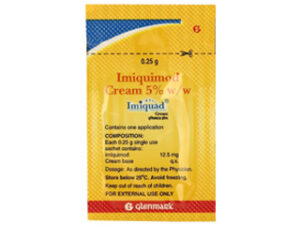
Aciclovir (Acyclovir) – Patient Information Guide (UK)
Aciclovir is an antiviral medicine used to treat and, in some situations, prevent infections caused by certain viruses, most importantly the herpes family (including herpes simplex virus and varicella-zoster virus). This guide explains what Aciclovir is, how it works, when it is used, how to take it safely, and what to expect.
Please note: different brands and strengths exist, and the correct use depends on the type of infection and the dosage form (e.g., tablets/capsules, suspension, cream/ointment, or eye preparations depending on availability). Always read the package leaflet that comes with your specific product.
At a glance
- Active ingredient: Aciclovir (also spelled Acyclovir)
- Type: Antiviral (nucleoside analogue)
- Used for: Herpes simplex (cold sores, genital herpes) and shingles (herpes zoster), among others
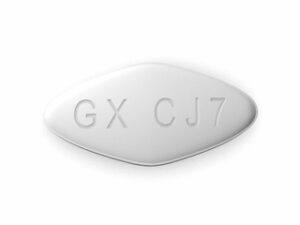
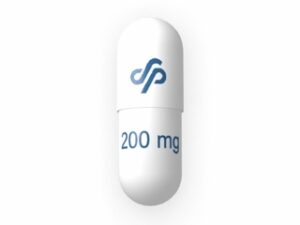
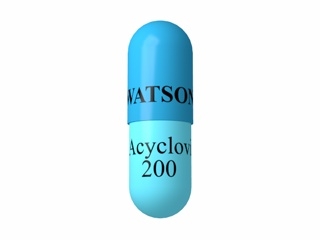
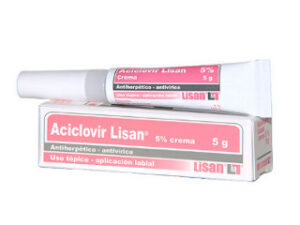
- Common forms: Tablets/capsules, oral suspension, creams/ointments (and sometimes other formulations)
- Key safety points: Kidney function matters; stay well hydrated; report allergy or unusual symptoms
Basic product information
| Category | Details |
|---|---|
| Generic name | Aciclovir (Acyclovir) |
| Drug class | Antiviral; nucleoside analogue |
| Typical virus targets | Herpes simplex virus (HSV-1/HSV-2), Varicella-zoster virus (VZV) |
| Common uses | Cold sores, genital herpes, shingles; sometimes prevention in recurrent cases |
| Common side effects | Nausea, diarrhoea, headache, dizziness; skin reactions (topicals) |
| Main safety consideration | Kidney impairment and dehydration |
How Aciclovir works (mechanism of action)
Aciclovir targets herpes viruses by interfering with their ability to copy their genetic material. It is converted inside infected cells into its active form.
- Step 1: The virus produces an enzyme that helps activate aciclovir within infected cells.
- Step 2: The active form blocks viral DNA replication.
- Result: Viral replication slows down or stops, reducing the severity and duration of symptoms.
Importantly, Aciclovir does not cure herpes permanently. It controls viral activity and can help shorten outbreaks when started early. For some people with frequent recurrences, a suppressive strategy may reduce the number of outbreaks.
Pharmacokinetics (how the body handles it)
“Pharmacokinetics” describes how a medicine is absorbed, distributed, metabolised, and eliminated. Understanding this can help explain dosing schedules and why kidney health matters.
Absorption
- Oral aciclovir: Absorption occurs through the gut, but bioavailability is incomplete. This is one reason dosing may be needed multiple times per day.
- Topical formulations: Absorption is generally limited compared with oral dosing, but it can vary by site and skin condition.
Distribution
- Aciclovir can distribute into body fluids and tissues to reach infection sites, including where herpes viruses replicate.
Metabolism
- Aciclovir is only minimally metabolised. Most of what the body does with it is excretion rather than chemical breakdown.
Elimination
- Renal elimination: The kidneys clear aciclovir largely unchanged. Reduced kidney function can lead to higher levels in the body, increasing the risk of side effects.
- Hydration: Staying well hydrated supports kidney clearance, which is especially relevant in older adults.
Typical uses in the UK
Aciclovir is used to manage infections caused by susceptible herpes viruses. The most common indications include:
Herpes simplex infections
- Cold sores (herpes labialis): Treating outbreaks and sometimes reducing recurrence frequency.
- Genital herpes (HSV): Treating symptomatic episodes and, in some cases, preventing frequent recurrences.
Varicella-zoster infections
- Shingles (herpes zoster): Reducing symptom severity and helping shorten the duration when started promptly.
Other herpes-related uses
In some clinical circumstances, aciclovir may be used for other herpes viral conditions. Availability and exact regimen can vary depending on formulation and local guidance.
Timing: when to start is crucial
Antiviral medicines work best when started early, ideally at the beginning of symptoms. For cold sores and shingles, starting promptly can improve outcomes.
- Cold sores: Start as soon as you notice tingling, itching, redness, or pain (the “prodrome” stage) or at the earliest sign of a sore.
- Genital herpes: Begin at the earliest stage of an outbreak (itching, burning, pain, or early lesions).
- Shingles: Start as early as possible, especially within the first few days of rash onset.
If you are unsure when your symptoms began, it’s still usually best to start promptly rather than waiting for the rash to fully develop. For shingles, early treatment can be particularly important.
How to take Aciclovir (general dosing guidance)
Dosing depends on the infection type, severity, age, kidney function, and whether the medicine is used for treatment or prevention. The information below provides general typical ranges. Always follow the dosing instructions on your product or provided by your healthcare team.
Common principles
- Multiple doses per day: Oral aciclovir often requires frequent dosing because the medicine is cleared over time.
- Complete the course: Do not stop early when symptoms improve, unless advised.
- Kidney impairment: Doses may need adjustment.
- Topical use: Apply for the specified duration to reduce risk of spreading or prolonged symptoms.
Example dosing schedules (illustrative)
These examples reflect common regimens used in clinical practice. Your exact dosing may differ depending on the formulation and your situation.
| Condition | Typical use | Illustrative oral dosing frequency |
|---|---|---|
| Cold sores (HSV-1) | Treatment of episodes | Often several times daily for a short course |
| Genital herpes (HSV-2) | Treatment of episodes | Often several times daily |
| Genital herpes | Prevention of frequent recurrences (suppressive strategy) | Daily dosing may be used in some regimens |
| Shingles (VZV) | Treatment of episodes | Often several times daily for about a week (course length varies) |
For topical aciclovir creams/ointments: the key is correct application to the affected area as directed. Many products require repeated application throughout the day.
Food interactions
Food effects can depend on the formulation. In general, many people find oral aciclovir can be taken with or without food. However, if a product label advises taking with food (or you experience stomach upset), follow that guidance.
- Oral tablets/suspension: If nausea occurs, taking doses with food or after a meal may help.
- Hydration: Ensure adequate fluid intake throughout the day.
If you have digestive problems, severe vomiting, or can’t keep doses down, seek advice promptly because consistent dosing can be important for effectiveness.
Alcohol and medicine interactions
There is no specific “must avoid” alcohol interaction universally applicable to aciclovir. However, alcohol can worsen dehydration, cause dizziness, and aggravate side effects such as nausea or headache—particularly at higher doses or in older adults.
- General advice: If you drink alcohol, keep it moderate and consider avoiding it while you’re unwell.
- Safety first: If you feel light-headed or dizzy, avoid alcohol and driving.
- Kidney considerations: Because aciclovir is cleared by the kidneys, maintaining hydration is especially important.
Medicine interactions (what to check)
Many medicines can be used with aciclovir, but some combinations may affect kidney function or increase risk of side effects. Discuss your current medicines with a healthcare professional or pharmacist if you are unsure.
Common interaction themes
- Medicines that affect kidney function: Certain drugs may reduce kidney clearance or increase risk of kidney strain.
- Dehydration risk: Medicines that cause vomiting or diarrhoea, or diuretics (“water tablets”), may increase dehydration risk.
- Other antivirals: If you are on additional antiviral therapy, dosing schedules may need careful coordination.
Tell your pharmacist about:
- All prescription medicines
- Over-the-counter medicines
- Herbal products and supplements
- Any history of kidney disease or reduced kidney function
Indications: who it’s for
Aciclovir is indicated for infections caused by susceptible herpes viruses. Typical “indications” include:
- Herpes simplex infection: Cold sores (HSV-1) and genital herpes (HSV-2).
- Herpes zoster infection: Shingles (VZV).
Suitability can depend on symptoms, timing, and medical history (especially kidney function and immune status). Immunocompromised individuals may need specialist assessment regarding the best antiviral and the correct regimen.
Safety profile: side effects and when to seek help
Like all medicines, aciclovir can cause side effects. Not everyone gets them. Many side effects are mild and temporary. However, seek urgent medical attention if you experience signs of a serious allergic reaction or severe adverse effects.
Common side effects
- Headache
- Nausea
- Diarrhoea
- Dizziness
- Fatigue (tiredness) in some people
Topical (cream/ointment) side effects
- Local burning or stinging
- Redness or irritation
- Dryness of the skin in the application area
Less common but important risks
- Kidney problems: Risk may be increased in people with existing kidney impairment, dehydration, or high-dose regimens. Symptoms may include reduced urine output or unusual swelling—seek advice promptly.
- Neurological symptoms (rare): Confusion, hallucinations, or agitation have been reported mainly in higher-risk situations. If these occur, stop use and get urgent medical help.
- Allergic reactions: Rash, itching, swelling of the face/lips, or difficulty breathing require urgent help.
Pregnancy, breastfeeding, and children
Safety can differ by situation. If you are pregnant or breastfeeding, or if the patient is a child, discuss suitability with a healthcare professional. Dose and formulation choices may be adjusted.
Practical use tips (to get the best results)
- Start early: Use at the first sign of a flare, especially for cold sores and shingles.
- Drink fluids: Adequate hydration supports kidney clearance of oral aciclovir.
- Keep a dosing routine: If multiple doses are needed, set reminders to avoid missed doses.
- Don’t share items: Towels, razors, and lip balm should not be shared during outbreaks.
- Avoid skin contact with lesions: For genital herpes and cold sores, reduce contact to limit spread.
- Use topical products correctly: Apply a thin layer as directed. Wash hands before and after application.
- Complete the course: Stopping early can reduce effectiveness.
Handling outbreaks and reducing spread
Although Aciclovir helps treat herpes viral replication, it doesn’t eliminate the virus from the body. You can reduce transmission risk by combining medicine with practical measures:
- Cold sores: Avoid kissing and oral sex during active sores and until fully healed.
- Genital herpes: Use barrier protection where appropriate and avoid sex during symptomatic periods.
- Don’t pick lesions: Picking slows healing and increases risk of secondary bacterial infection.
- Consider trigger management: Stress, sunlight (for some people with cold sores), fatigue, and illness can trigger outbreaks.
Alternative options
Depending on the virus type, symptoms, timing, and personal circumstances, healthcare professionals may consider other antiviral medicines or different formulations. Options that may be discussed include:
- Valaciclovir – a related antiviral often with less frequent dosing for some regimens.
- Famciclovir – another antiviral used for herpes infections in certain regimens.
- Supportive treatment – pain relief, local care, and general measures to support healing.
- For topical cold sores: other topical antivirals or barrier/soothing products may help symptoms (not all are antivirals).
Choice of alternative depends on the infection site, severity, kidney function, age, and speed of symptom onset. Your pharmacist can help compare options available in the UK for your situation.
Market and legal context in the United Kingdom
In the UK, antiviral medicines are regulated by medicines legislation and oversight by the appropriate authorities. Availability can vary by formulation (oral versus topical), strength, and whether the product is prescription-only or can be accessed through other supply routes.
- Regulation: Medicines must meet UK standards for safety, quality, and effectiveness.
- Medicines governance: Prescriber/pharmacist guidance supports correct use.
- Advertising and supply: Online pharmacies must follow UK rules on lawful supply and clear patient information.
If you’re shopping online, choose a reputable UK-registered pharmacy and ensure you receive product packaging and patient information for the exact strength and form you order.
Recent guidance (practical summary for UK patients)
UK clinical practice generally emphasises:
- Early antiviral treatment for shingles and for herpes outbreaks where it can reduce symptom duration.
- Kidney-aware prescribing and potential dose adjustment in older adults or those with kidney disease.
- Supportive measures alongside antivirals (pain control, hydration, and wound care for skin lesions).
For up-to-date advice on herpes and shingles management, local NHS guidance and reputable health information sources are recommended.
Delivery and availability (online pharmacy)
Availability of aciclovir depends on the product form and strength (for example, tablets versus cream). Delivery typically varies by the supplier and your postcode area, but many UK online pharmacies offer:
- Discreet packaging for privacy
- Tracked delivery options
- Choice of delivery speeds depending on stock
- Secure payment and compliance with UK pharmacy standards
Before ordering, check:
- The exact strength and form you need
- The expiry date shown on the packaging
- Whether the product is single-use or course-based and matches the recommended treatment duration
Frequently Asked Questions (FAQ)
1) Is Aciclovir the same as Acyclovir?
Yes. “Aciclovir” and “Acyclovir” refer to the same active medicine. Different spellings are used in different countries.
2) How quickly will Aciclovir work?
Some people notice improvement within 1–2 days, especially if they start early. The goal is to reduce how long symptoms last and how severe they become.
3) Can I use Aciclovir for any rash?
Aciclovir is specifically for herpes virus infections. Not every rash is caused by herpes. If you are unsure, seek medical advice rather than trying to self-treat.
4) What if I miss a dose?
Take it as soon as you remember, unless it’s nearly time for the next dose. Do not take a double dose to make up for a missed one. If you frequently miss doses, consider setting reminders and speaking to a pharmacist about a suitable schedule.
5) Can I take Aciclovir with other medicines?
Many medicines can be taken alongside aciclovir, but some combinations can increase risk—particularly those affecting kidney function. If you’re taking long-term medicines, ask your pharmacist to check interactions.
6) Does Aciclovir stop me from passing the virus on?
It can reduce viral replication and may reduce shedding, but transmission risk may still exist—especially before treatment begins. Avoid sexual contact or kissing during active lesions and follow safer sex and hygiene measures.
7) Is it safe to use Aciclovir if I have kidney problems?
Caution is needed. Oral aciclovir is cleared by the kidneys, and dose adjustments may be required. Always inform a healthcare professional or pharmacist about your kidney function before starting.
8) What side effects should worry me?
Seek urgent help for allergic reactions (swelling of the face/lips, difficulty breathing) or severe symptoms such as confusion, severe weakness, or signs of kidney problems (e.g., markedly reduced urine output). For persistent or worrying side effects, consult a pharmacist.
9) Can I drink alcohol while taking Aciclovir?
Moderate alcohol is not universally contraindicated, but alcohol may worsen dizziness, nausea, and dehydration. For best safety, keep alcohol minimal and stay well hydrated.
10) Are there alternatives if Aciclovir doesn’t suit me?
Alternatives may include other antivirals (such as valaciclovir or famciclovir) depending on the infection and your medical history. A pharmacist can help you understand options available in the UK.
11) How long should topical Aciclovir be used for?
Follow the product instructions closely. Many topical regimens are time-limited and are most effective when started early. If symptoms worsen or do not improve, seek advice.
12) When should I get medical help for shingles?
Contact a healthcare professional promptly if you suspect shingles—especially if you’re over 50, immunocompromised, have severe pain, involvement near the eye, or if symptoms started several days ago.
Summary
Aciclovir is an antiviral medicine used for infections caused by herpes viruses, including cold sores and shingles. It works by blocking viral DNA replication inside infected cells, and it’s most effective when started early. Because oral aciclovir is cleared by the kidneys, adequate hydration and attention to kidney health are important.
If you have questions about which formulation is appropriate, how to time doses, or how to manage side effects, consult a pharmacist. If symptoms are severe or worsening, seek medical advice.