
Acyclovir Cream 5% (Topical) – Patient Information (UK)
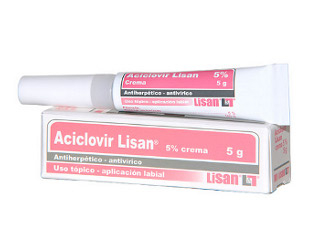
Acyclovir cream 5% is an antiviral medicine used on the skin to help treat certain viral infections, particularly herpes simplex virus (HSV) infections such as cold sores (herpes labialis). This patient-friendly guide explains what acyclovir cream is, how it works, how and when to use it, what to expect, and important safety information for people in the United Kingdom.
Quick overview
- Active ingredient: Acyclovir 5%
- Medicine type: Antiviral for topical (skin) use
- Common uses: Cold sores and other HSV skin infections (as advised)
- How it works: Stops the virus from multiplying
- Typical application: Start as early as possible when symptoms begin
Basic product information
Acyclovir cream 5% is a topical antiviral product. It is designed for application directly to affected skin areas. In the UK, acyclovir topical preparations are widely available through pharmacies and online retailers, and may also be supplied via clinical services depending on the product and local arrangements.
| Category | Details |
|---|---|
| Strength | Acyclovir 5% w/w |
| Route | Topical use on skin |
| Target infection | Herpes simplex virus (HSV) lesions, including cold sores |
| When to start | As soon as symptoms begin (e.g., tingling, itching, redness) |
| Common frequency | Typically 5 times daily (space doses through the day) |
How acyclovir cream works (mechanism of action)
Acyclovir is an antiviral medicine. It works by interfering with the way herpes viruses replicate inside infected cells. When acyclovir is present in cells infected with HSV, it is converted to its active form (a nucleoside analogue). The active form helps to block viral DNA synthesis, which reduces viral multiplication.
Why timing matters: Antiviral treatment is most effective when started early—ideally at the first signs of a cold sore (such as tingling or burning) rather than after the lesion has fully developed.
What happens in the body (pharmacokinetics)
Because acyclovir cream is applied to the skin, only a small amount is expected to enter the bloodstream. The degree of absorption can vary depending on factors such as:
- the integrity of the skin (e.g., broken skin or active lesions may allow slightly higher absorption)
- the amount applied and frequency of use
- the treatment area and duration of application
In general, for topical use, systemic exposure is low. After absorption, acyclovir—if it reaches the bloodstream—is mainly eliminated by the kidneys. For most people using topical treatment as directed, clinically important systemic effects are not expected.
Typical uses in the UK
Acyclovir 5% cream is used to treat herpes simplex virus skin infections. The most well-known example is a cold sore (herpes labialis). It may also be recommended for other HSV lesions on the skin in situations where topical antiviral treatment is appropriate.
Indications (when it may be used)
- Cold sores caused by HSV (especially when started early)
- Herpes simplex skin lesions in areas where topical treatment is suitable and advised
If you are unsure whether your symptoms are caused by herpes simplex, seek advice from a healthcare professional or pharmacist, particularly if you have recurrent unusual lesions, severe symptoms, or lesions that do not improve.
When to use it (timing and duration)
For best results, start treatment as early as possible—preferably at the first sign of a cold sore. Examples of early symptoms include:
- tingling
- itching
- burning or tenderness
- redness or swelling
Once applied, continue treatment for the recommended period, usually until the lesion has healed or according to the specific product instructions. If you do not see improvement within the expected timeframe, or if symptoms worsen, seek medical advice.
How to dose and apply (dosing guidance)
The exact dosing schedule can vary slightly between products and local directions. Many acyclovir 5% creams are used five times daily, spaced through the day (for example, morning, midday, afternoon, evening, and bedtime). Follow the label and package instructions provided with your product.
Typical adult dosing (general guidance)
- Frequency: Usually five times daily
- Amount: Apply a thin layer to the affected area
- Duration: Continue for the full course recommended on the pack
Children and special populations
If you are treating a child, follow the product directions carefully and check with a pharmacist if you are uncertain. For people who are immunocompromised or have frequent recurrences, professional advice may be needed.
Practical step-by-step application tips
- Wash your hands before and after applying the cream.
- Clean the area gently with water if needed and pat dry.
- Apply a thin layer to the affected skin and a small margin around it.
- Avoid rubbing aggressively; spread gently.
- Do not cover the lesion with tight bandages or waterproof dressings unless advised.
- Let the cream absorb before applying other skincare products.
Where to apply and where not to apply
- Use only on skin as directed.
- Avoid eyes and inside the mouth.
- If the product accidentally gets into the eye, rinse with water immediately and seek advice if irritation continues.
Food interactions
Because acyclovir cream is applied to the skin, food interactions are not expected to be clinically significant. You can usually eat and drink normally while using topical acyclovir, unless your pharmacist or healthcare professional advises otherwise for another reason.
Alcohol and medicine interactions
There are no well-known direct interactions between topical acyclovir and alcohol. However, alcohol can sometimes worsen overall immune function, and it may trigger or aggravate herpes outbreaks in some people.
If you notice that alcohol seems to be associated with your recurrences, consider reducing alcohol and using the cream early during outbreaks.
Also consider interactions in general: if you use other medicines or topical products, allow time for the cream to absorb before applying additional products, and inform a pharmacist if you have a complex regimen.
Safety profile and side effects
Like all medicines, acyclovir cream can cause side effects, although not everyone gets them. Most reactions are local to the application site. If you experience severe symptoms, signs of allergy, or symptoms affecting your eyes or face beyond the treated area, seek urgent advice.
Common or mild side effects
- Local skin reactions such as mild stinging or burning
- Dryness or irritation at the site of application
- Redness
Allergic reactions (seek advice urgently if these occur)
- Swelling of the face, lips, or eyelids
- Widespread rash or hives
- Difficulty breathing
When to stop and seek help
Stop using the cream and contact a healthcare professional urgently if you suspect an allergy, if the area becomes significantly more painful, or if you develop signs of infection not typical of cold sores (for example, rapidly spreading redness, pus, or fever).
Important precautions
- Do not apply to broken eyes or inside the mouth. If lesions involve the eye area, do not delay—seek medical advice.
- Avoid contact with eyes. Cold sores are usually on the lips/face; protect eyes and follow hygiene measures.
- Reduce transmission risk. HSV can spread through direct contact. Use good hygiene and avoid kissing or intimate contact during outbreaks.
- Hands and sharing: Don’t share towels, razors, or lip products during an outbreak.
Practical use tips to get the best outcome
- Start early: begin at the first tingling or redness.
- Be consistent: apply at regular intervals to maintain coverage.
- Don’t pick: avoid scratching or removing scabs, which can prolong healing.
- Use supportive care: pain relief (such as paracetamol or ibuprofen if suitable for you) may help. Ask a pharmacist for advice if you have medical conditions or take other medicines.
- Keep the area clean: gentle cleansing and drying can help.
- Consider sun protection: sunlight can trigger cold sores for some people. Using lip balm with SPF (when lesions are healing) may help reduce triggers.
Alternative options
Depending on your symptoms and medical history, there may be alternative approaches. Options can include:
- Other antiviral topical treatments for HSV lesions (availability varies)
- Oral antiviral medicines for people with frequent or severe outbreaks (typically prescribed or provided through clinical pathways)
- Supportive treatments such as barrier creams or soothing gels to reduce discomfort (not antiviral, but may improve comfort)
- Preventive measures such as trigger management (sun, stress, illness) and good hygiene during outbreaks
If your cold sores are frequent, severe, spreading, or associated with complications (for example, involvement of the eye), speak to a pharmacist or healthcare professional for tailored advice.
Market and legal context in the United Kingdom
In the UK, medicines are regulated by the Medicines and Healthcare products Regulatory Agency (MHRA). The classification of products (pharmacy-only vs general sales list) and the availability of antiviral medicines can depend on formulation, strength, and licensing arrangements.
For topical antiviral creams, many are supplied with patient instructions and can be obtained through pharmacies and approved online retailers. Always ensure you buy from a reputable supplier and check the product packaging for safety information and expiry date.
Recent guidance and clinical practice notes
Current clinical practice generally emphasises that antiviral treatment is most effective when started early. For uncomplicated cold sores, topical antivirals may be used to reduce duration and symptoms, particularly when treatment begins at the onset of tingling/redness.
When outbreaks are recurrent, severe, or complicated (for instance, if the eye is affected), clinicians may recommend different management strategies, including evaluating the need for systemic antiviral treatment and addressing triggers.
If you are in any high-risk group (e.g., immunocompromised), seek professional advice early rather than relying solely on over-the-counter measures.
Delivery and availability (online pharmacy)
Acyclovir cream 5% is commonly stocked by UK pharmacies and online retailers. Availability can vary by region and supplier. When ordering online, you should:
- Check the expiry date on the received item.
- Confirm the product is the correct strength (5%) and formulation (cream vs ointment, where applicable).
- Follow the packaging instructions exactly.
- Store the medicine as directed on the carton (typically at controlled room temperature, away from heat and moisture).
Delivery times vary depending on the retailer and shipping method. You can generally expect standard delivery options and, in some cases, express delivery where available.
Frequently asked questions (FAQ)
1) Is acyclovir cream 5% the same for every type of herpes?
Acyclovir cream is used for herpes simplex virus skin infections. However, different herpes infections and different body sites may require different treatments. If you’re treating genital lesions, eye symptoms, or widespread rash, it’s important to get appropriate advice.
2) How soon should I start applying it?
Start at the first sign of a cold sore (tingling, itching, redness). Early use generally improves the chances of reducing the outbreak’s duration and symptoms.
3) Can I use it if the sore has already formed?
You can still try using it, especially if it’s within the early stages of the outbreak, but results are usually best when started early. If there is no improvement or the lesion is worsening, seek advice.
4) How many times a day should I apply it?
Many acyclovir 5% creams are applied five times daily. Follow the specific instructions on your pack for the exact schedule.
5) Should I put it on a cold sore that is crusted over?
If you still have active symptoms and the lesion is healing, you may continue using the cream according to the pack directions. Avoid rubbing or picking the scab.
6) Can I wear makeup or lip products?
It’s best to avoid applying makeup directly over an active lesion. If you want to use lip products (especially for comfort), wait until the cream has absorbed and choose products that don’t irritate the area. Do not share lip products.
7) Can I share towels or eat with other people?
HSV can spread through direct contact. Avoid sharing towels, utensils, or lip products during outbreaks. Practise good hand hygiene—wash hands before and after touching the area.
8) Will this stop me spreading the virus completely?
Antiviral cream may help reduce symptoms and viral activity, but it does not guarantee zero transmission risk. Avoid kissing or close contact until lesions have healed.
9) What if I get cold sores frequently?
If you have frequent outbreaks or outbreaks are severe, you may benefit from a different management plan. Speak to a pharmacist or clinician for advice on whether preventive strategies (including possible systemic antivirals) are suitable.
10) Are there any food or drink restrictions?
No specific food restrictions are expected with topical acyclovir. Alcohol isn’t known to interact directly, but it may trigger outbreaks for some people.
11) Can I use acyclovir cream during pregnancy or breastfeeding?
Many people can use topical acyclovir when needed, but if you are pregnant or breastfeeding, it’s safest to consult a healthcare professional or pharmacist for personal advice—particularly if lesions are extensive or recurrent.
12) When should I seek medical help?
Get medical advice if:
- the sore is near the eye or you have eye pain, redness, or blurred vision
- symptoms are severe, spreading, or not improving as expected
- you have a weakened immune system
- the lesion does not heal properly or keeps coming back very quickly
Summary
Acyclovir cream 5% is an antiviral treatment for herpes simplex virus skin infections, most commonly cold sores. It works by interfering with viral replication and is most effective when started early. Apply a thin layer to the affected area at regular intervals (often five times daily), practise good hygiene to reduce transmission, and seek advice if symptoms are severe, atypical, or involve the eye.