
Amitriptyline (for example, as tablets) – Patient Information for the UK
Amitriptyline is a well-established medicine used to treat certain painful conditions, sleep problems and mood-related symptoms. It belongs to a group of medicines called tricyclic antidepressants (TCAs), although it is often prescribed in lower doses for long-term symptom relief rather than for depression alone.
This page explains how amitriptyline works, how it is taken, what to expect, and important safety information for people in the United Kingdom.
Basic product information
- Medicine name: Amitriptyline
- Class: Tricyclic antidepressant (TCA)
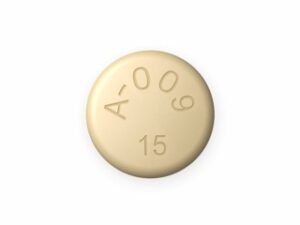
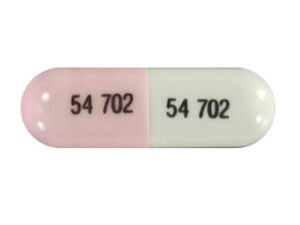
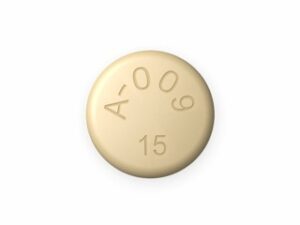
- Typical forms: Tablets (strengths vary by product)
- Common brand examples: Various brands exist (availability depends on supplier/pharmacy)
- Who it may be for: Adults (and in some cases older teenagers, depending on local practice and specialist decision)
If you are unsure which strength or formulation you have, check the pack label or your pharmacist’s instructions.
How amitriptyline works (mechanism of action)
Amitriptyline affects the way the brain and nerves handle certain chemical messengers (neurotransmitters), especially:
- Serotonin
- Noradrenaline
It blocks reuptake (re-absorption) of these chemicals in the brain, which can improve mood and reduce pain signalling in some conditions. It also has other effects that can be important for side effects and benefits, including:
- Anticholinergic effects (can cause dry mouth, constipation, blurred vision, and urinary retention)
- Antihistamine-like effects (can make you feel drowsy)
- Effects on heart electrical activity (important for safety in people with heart rhythm problems or with certain medicines)
For pain and some sleep-related problems, the beneficial effects may occur after a period of regular use rather than immediately.
Pharmacokinetics (how the body handles it)
“Pharmacokinetics” describes absorption, distribution, metabolism, and elimination.
| Aspect | What to know (general) |
|---|---|
| Absorption | Usually absorbed after oral dosing; peak levels typically occur within a few hours (varies by product and individual). |
| Metabolism | Primarily metabolised by the liver, including conversion to an active metabolite (commonly nortriptyline). |
| Elimination | Eliminated via urine and partly via bile/faeces; exact elimination timing varies. |
| Half-life | Half-life can be long, so effects may build gradually and last beyond a single dose. |
Because amitriptyline and its active metabolite can remain in the body for some time, changes in dose or stopping suddenly may affect side effects and withdrawal-like symptoms.
Typical use in the UK
In the UK, amitriptyline may be used for:
- Neuropathic (nerve-related) pain (e.g., diabetic neuropathy, post-herpetic neuralgia)
- Chronic pain conditions where nerve pain plays a role
- Prevention of migraine in some patients
- Sleep problems when linked with pain or mood symptoms (chosen for its sedating effect at lower doses)
- Depressive symptoms (less commonly as a first choice for depression than some newer options, but still used in appropriate cases)
The right use and dose depend on the reason you’re taking it, your age, other health conditions, and medicines you already use.
Timing: when to take amitriptyline
Many people take amitriptyline in the evening, often before bedtime, because it can be sedating. Some people may be advised to take it earlier or split the dose depending on side effects and the specific regimen.
Practical timing guidance:
- If it makes you drowsy, taking it at night may help.
- If you are starting treatment, your prescriber or pharmacist may advise slow dose increases to reduce early side effects.
- Try to take it around the same time each day to keep blood levels steadier.
If you miss a dose, follow the instructions on your medicine label or the advice you were given by your pharmacist. In general, do not double up to compensate unless instructed.
Food interactions
Food may affect how quickly some medicines are absorbed, but amitriptyline is generally taken without strict requirements regarding meals.
What you can usually do:
- Take it with or without food depending on what suits your stomach.
- If you experience nausea, taking it after a light meal may help.
Always follow the instructions specific to your product and your healthcare professional’s advice.
Alcohol interactions
Combining amitriptyline with alcohol can increase the risk of:
- Excess sedation and impaired reaction time
- Dizziness and falls
- Worsening of mood or sleep quality in some people
For safety, it is generally best to avoid or limit alcohol while taking amitriptyline, especially when you are starting treatment or after dose increases.
Medicine interactions (important)
Amitriptyline can interact with other medicines, particularly those that affect serotonin levels, liver enzymes, heart rhythm, or sedation. Always tell your pharmacist about all medicines you use, including over-the-counter (OTC) products and herbal remedies.
Common interaction categories include:
- Other medicines that cause sedation (e.g., some antihistamines, opioids, some anxiety medicines, sleep aids)
- Serotonin-affecting medicines (e.g., SSRIs, SNRIs, MAOIs, linezolid, certain migraine medicines such as triptans) — may raise risk of serotonin-related side effects
- Medicines affecting liver enzymes (some can increase amitriptyline levels, raising side effect risk)
- Medicines that affect heart rhythm or the ECG (electrical activity of the heart)
- Anticholinergic medicines (can worsen dry mouth, constipation, blurred vision, and urinary retention)
Some interactions can be serious. If you are starting a new medicine (including an antibiotic, antifungal, or prescription-only OTC product), check whether it is safe to use with amitriptyline.
Indications: what conditions it is used for
In the UK, the indications for amitriptyline vary depending on patient factors and local prescribing practice. Common indications include:
- Neuropathic pain (pain caused by damaged nerves)
- Chronic tension-type headache and migraine prophylaxis in selected people
- Post-herpetic neuralgia (pain after shingles)
- Depression (where appropriate)
- Sleep disturbance associated with pain or mood problems
Your clinician will match the dose to your condition and tolerability.
Dosing: how amitriptyline is usually started and adjusted
Dosing varies considerably. Some people take low doses for pain and sleep, while other people may require higher doses for mood symptoms. Dose increases are often gradual.
General UK-practical dosing principles:
- Start low to reduce side effects (especially sleepiness, dry mouth, dizziness and constipation).
- Increase slowly if needed and tolerated.
- Review after a few weeks to judge benefit and side effects.
Typical dose patterns (illustrative):
- For nerve pain and sleep problems: often a low evening dose, then adjusted gradually if required.
- For depression: dose may be higher, usually with gradual titration and closer monitoring.
Always follow your own product label and instructions from your healthcare professional. Do not adjust your dose yourself.
What to expect: when it starts working
The onset of benefit depends on the reason you are taking amitriptyline:
- Sleepiness may be noticeable from the first dose.
- Pain relief may take 1–4 weeks (sometimes longer) with gradual dose adjustment.
- Mood-related improvement in depression typically takes several weeks.
If you feel only side effects without any benefit after an appropriate trial period, speak to your pharmacist or clinician. Your dose or plan may need changing.
Safety profile and side effects
Like all medicines, amitriptyline can cause side effects. Many are dose-related and may lessen as your body adjusts.
Common side effects
- Drowsiness or tiredness
- Dry mouth
- Constipation
- Dizziness, especially on standing
- Blurred vision
- Urinary retention (trouble passing urine), especially in people with prostate enlargement
- Sweating or temperature changes
- Nausea
- Weight change in some people
Less common but important side effects
- Heart rhythm problems (risk can increase at higher doses or with certain drug interactions)
- Confusion, especially in older adults or at higher doses
- Unusual mood changes or worsening depression
- Severe allergic reactions (rare)
- Seizures (rare, but risk may be increased in predisposed people)
When to seek urgent help
Seek urgent medical advice if you experience:
- Fainting, severe dizziness, or an irregular heartbeat
- Severe drowsiness, confusion, or trouble breathing
- Signs of overdose (for example after taking more than recommended)
- Severe allergic symptoms such as swelling of the face/lips, difficulty breathing
If you suspect overdose or have taken too much, contact NHS 111 (or the local emergency number if severe) or seek emergency care immediately.
Practical use tips for everyday life
- Start at a time that fits your day: If it makes you drowsy, take it at night.
- Manage dry mouth: Sip water, chew sugar-free gum, and consider oral moisturisers.
- Prevent constipation: Drink fluids, eat fibre, and discuss stool softeners with a pharmacist if needed.
- Stand up slowly: This can reduce dizziness from blood pressure changes.
- Be cautious with driving: Do not drive until you know how it affects you.
- Keep track of progress: For pain, note severity and sleep quality to discuss with your clinician.
If side effects become troublesome, talk to your pharmacist or clinician rather than stopping suddenly.
Stopping and missed doses (general safety)
Because amitriptyline affects brain chemistry and the body adapts over time, stopping abruptly may cause uncomfortable symptoms (such as nausea, headache, sleep disturbance, and mood changes). Dose reduction should usually be gradual under clinical guidance.
For missed doses, refer to the instructions provided with your medicine. If you are unsure, ask your pharmacist.
Alternative options (what you could discuss with a clinician)
Alternatives depend on what you’re treating. Some options commonly discussed in the UK include:
- Other medicines for neuropathic pain: e.g., gabapentin or pregabalin
- Other antidepressants: some people may be switched to SSRIs/SNRIs depending on the primary condition
- Topical treatments: for certain types of local nerve pain, topical options (e.g., lidocaine patches/creams) may be considered
- Non-medicine approaches: physiotherapy, exercise programmes, psychological therapies (such as CBT for chronic pain), and sleep hygiene strategies
- For migraine prevention: other preventive medicines or lifestyle measures may be recommended
Your clinician can help compare benefits, side effect profiles, and interactions based on your medical history.
Market and legal context in the United Kingdom
Amitriptyline is a widely used medicine in the UK and is available through community pharmacies and healthcare services. Medicine supply and prescribing arrangements can vary depending on product type and the clinical pathway.
In the UK, medicines are regulated by the Medicines and Healthcare products Regulatory Agency (MHRA). Pharmacies and suppliers must follow UK medicines legislation, including labelling requirements and safe supply practices.
Availability may vary by strength, formulation, and local stock levels. If you need a specific strength, it can help to check stock or ask your pharmacy about alternatives if there is a temporary shortage.
Recent guidance and prescribing approach (UK context)
General clinical practice in the UK emphasises:
- Using the lowest effective dose for the intended condition
- Gradual titration to reduce early side effects
- Reviewing benefit and tolerability regularly
- Monitoring risks relevant to tricyclic antidepressants (including heart-related risks in people with risk factors and interaction checks with other medicines)
Local guidance for neuropathic pain, migraine prevention, and depression may recommend specific first-line options first, with TCAs such as amitriptyline considered in appropriate circumstances.
Delivery and availability (what to expect online in the UK)
Availability online can depend on stock levels at the time of ordering and your location within the UK. Delivery timeframes vary by supplier, selected delivery option, and dispatch schedules.
- In-stock items: usually dispatched quickly during working days.
- Out-of-stock items: may require substitution or restocking alerts (depending on the pharmacy’s policy).
- Packaging: medicines should arrive in protective packaging with clear labelling.
If you have questions about dispatch times for your area, check the retailer’s delivery information at checkout or contact customer support.
FAQ
1) Is amitriptyline mainly for depression?
Although amitriptyline is a tricyclic antidepressant and can treat depression, it is also commonly used at lower doses for conditions such as neuropathic pain and migraine prevention. The dosing and goals often differ from typical depression regimens.
2) Why do people take it at night?
Amitriptyline can cause drowsiness. Taking it in the evening or before bedtime may make side effects easier to manage and can help with sleep disturbance—especially when sleep problems relate to pain.
3) How long will it take to work for pain?
Pain relief is often gradual. Some people notice changes within a couple of weeks, but it may take 1–4 weeks (or longer) to see meaningful benefit, particularly with dose adjustments.
4) Can I take it with food?
Usually yes. Many people take amitriptyline with or without food. If you get nausea, taking it after a light meal may help.
5) What should I avoid while taking amitriptyline?
It’s wise to avoid or limit alcohol, and be cautious with other medicines that make you drowsy. Also check before combining with medicines that can affect heart rhythm or serotonin levels.
6) Can I drive?
If you feel sleepy, dizzy or your vision is affected, avoid driving. You should only drive when you know how the medicine affects you. When starting or increasing the dose, take extra care.
7) What are the most common side effects?
Common side effects include drowsiness, dry mouth, constipation, dizziness and blurred vision. Many improve over time as your body adjusts.
8) How do I stop taking amitriptyline?
Do not stop suddenly unless your clinician advises otherwise. Reducing gradually helps minimise withdrawal-like symptoms and relapse risk. Speak to your pharmacist or prescriber for a safe plan.
9) Is it safe for everyone?
Amitriptyline is not suitable for everyone. Extra caution is needed in people with certain heart conditions, those taking interacting medicines, and people with risk factors for side effects such as urinary retention or severe constipation. Your pharmacist can help check safety with your medicines.
10) What if I have missed a dose?
Follow your medicine label instructions or pharmacist advice. In general, do not take double doses to make up for a missed tablet unless instructed. If you’re unsure, ask your pharmacist.
Summary
Amitriptyline is a long-standing tricyclic antidepressant used in the UK for conditions such as neuropathic pain, migraine prevention, and sometimes depression and sleep disturbance. It works by affecting neurotransmitters and has sedating and anticholinergic effects that contribute to both benefits and side effects. Because it can interact with other medicines and may affect heart rhythm, careful checking and gradual dose adjustment are important. If you have questions about how to take it safely, your pharmacist is the best first point of contact.