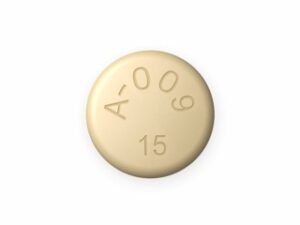
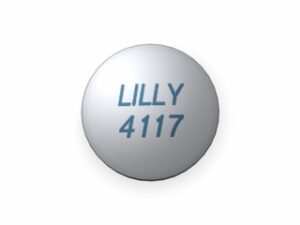
Effexor XR (Venlafaxine) – Patient Information (UK)
Effexor XR is a brand of venlafaxine in a modified-release (often described as “extended-release” or “prolonged-release”) form. It is used to treat certain mental health conditions and works by affecting brain chemicals involved in mood and anxiety. This guide is designed to be patient-friendly and practical. Always follow the instructions given by your healthcare professional and the medication label.
| Topic | Details |
|---|---|
| Active ingredient | Venlafaxine (modified-release / extended-release) |
| Brand | Effexor XR |
| How it works | SNRI antidepressant (affects serotonin and noradrenaline) |
| Common uses (UK) | Depression and anxiety-related conditions, including generalized anxiety disorder |
| Typical dosing pattern | Once daily (capsule/tablet strength depends on product) |
| Key safety themes | Blood pressure changes, nausea early on, risk of serotonin syndrome with some medicines, and withdrawal symptoms if stopped suddenly |
1) Basic product information
Effexor XR contains venlafaxine in a modified-release formulation. “XR” indicates that the medicine is designed to release gradually over time, which supports once-daily dosing for many patients.
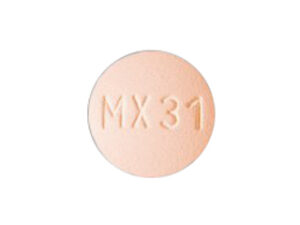
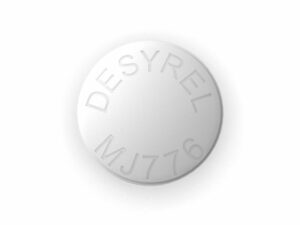
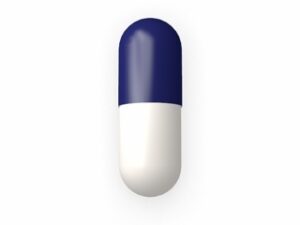
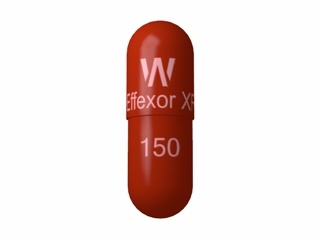
- Form: Extended-release venlafaxine (exact presentation varies by product/strength).
- Strengths: Available in different strengths depending on local supply.
- How it is taken: Usually once daily, at the same time each day.
If you are unsure which strength you have or how to take your specific product, check the package leaflet and your prescription label (or ask your pharmacist).
2) What Effexor XR does (mechanism of action)
Venlafaxine belongs to a group called SNRI antidepressants (serotonin-noradrenaline reuptake inhibitors). It helps regulate the balance of chemicals in the brain that are involved in mood, stress response, and anxiety.
How SNRI action works
- Serotonin (5-HT): Venlafaxine helps increase serotonin levels by reducing its reuptake.
- Noradrenaline (norepinephrine): At higher doses, it also helps increase noradrenaline levels by reducing its reuptake.
- Downstream effects: Over days to weeks, these changes can influence brain circuits related to mood and anxiety.
It is normal for symptom improvement to take time. Many people begin to notice changes within the first couple of weeks, but full benefit often develops after longer treatment.
3) Pharmacokinetics (how the body handles it)
“Pharmacokinetics” describes what happens after you take a dose: absorption, distribution, metabolism, and elimination. Effexor XR’s modified-release design aims for steadier medicine levels.
Key points
- Absorption: Venlafaxine is absorbed after oral dosing. XR formulation releases the medicine gradually.
- Metabolism: Venlafaxine is mainly metabolised in the liver to its principal active metabolite, O-desmethylvenlafaxine (also known as desvenlafaxine).
- Elimination: Excretion occurs largely via the kidneys. Kidney function can affect how quickly the medicine leaves the body.
- Steady state: It may take several days to reach more stable blood levels when taken regularly.
Pharmacokinetics can vary between individuals, and your prescriber may adjust dosing if you have kidney or liver problems.
4) Typical uses and indications (UK)
In the UK, venlafaxine XR is used for conditions where antidepressant and anxiolytic effects may be beneficial. Indications can vary by product authorisation and local clinical practice. Common uses include:
- Depression (including major depressive disorder)
- Generalised Anxiety Disorder (GAD)
- Other anxiety and related conditions may be treated depending on individual assessment
Your clinician will decide whether Effexor XR is appropriate based on your symptoms, medical history, other medicines, and risk factors.
5) When and how to take Effexor XR (timing)
Effexor XR is typically taken once daily. The XR formulation means the medicine is intended to release slowly over time. Consistent timing helps keep effects steadier.
Practical timing tips
- Choose a consistent time: e.g., morning or evening—use the time recommended for you.
- Same time each day: This supports steadier medicine levels.
- Swallow whole: Do not crush, chew, or open the modified-release unit unless specifically instructed by your pharmacist/leaflet.
- Missed dose: If you miss a dose, take it when you remember unless it is close to the next dose. Do not take a double dose.
If you have missed doses or are unsure what to do, ask a pharmacist for guidance.
6) Food interactions
Effexor XR may be taken with or without food for many people. However, individual tolerability varies—especially early in treatment when nausea is more common.
General advice
- If you feel sick: Taking your dose with a meal or snack may help.
- Stay consistent: Keep a similar routine day to day.
- Avoid sudden dietary changes: While there is no single “forbidden food,” major changes in appetite and hydration may affect how you feel.
For specific dietary concerns (for example, if you have kidney or liver disease), speak to your pharmacist.
7) Alcohol and medicine interactions
7.1 Alcohol
It’s generally recommended to avoid or limit alcohol while taking antidepressants such as venlafaxine. Alcohol can worsen mood and anxiety symptoms in the short and long term, and it may increase side effects like dizziness, drowsiness, and impaired coordination.
- If you drink alcohol, discuss safe limits with your healthcare professional.
- Avoid binge drinking—this is especially important early after starting or after dose changes.
7.2 Interactions with other medicines
Some medicines can interact with venlafaxine and increase the risk of side effects or reduce effectiveness. Always tell your pharmacist about all medicines you take, including over-the-counter products and herbal remedies.
Medicines that require extra caution
- MAO inhibitors (and some other antidepressants): combining can be dangerous. You should not use certain MAOIs with venlafaxine, and washout periods may apply.
-
Other serotonergic medicines (risk of serotonin syndrome), such as:
- Triptans for migraine
- Some opioids with serotonergic activity (e.g., tramadol)
- St John’s wort
- Some cough medicines containing dextromethorphan
- Other antidepressants
-
Medicines that affect blood clotting (increased bleeding risk), such as:
- NSAIDs (e.g., ibuprofen, naproxen)
- Antiplatelet medicines
- Anticoagulants
- Medicines that raise blood pressure or affect heart rhythm: venlafaxine can increase blood pressure in some people.
- Medicines affecting liver metabolism: changes in metabolism can alter venlafaxine levels.
If you experience symptoms suggestive of serotonin syndrome (see safety section), seek urgent medical advice.
8) Dosing (general information)
Dosing is individual. Your prescriber will decide the starting dose and any increases based on your condition, tolerability, age, and kidney/liver function. Effexor XR is usually taken once daily because of its extended-release design.
Typical dosing approach (high level)
- Starting dose: Often low initially to improve tolerability.
- Adjustment: The dose may be adjusted gradually after assessing response and side effects.
- Maintenance: The lowest effective dose is generally aimed for.
Important: Never change your dose or stop suddenly without medical advice. Venlafaxine can cause discontinuation symptoms if stopped abruptly.
Missed dose guidance
If you miss a dose:
- Take it when you remember unless it’s almost time for the next dose.
- Do not take two doses together to make up for the missed dose.
9) Safety profile and potential side effects
Like all medicines, Effexor XR can cause side effects. Many are mild and improve over time, but some require prompt medical attention. If you are worried about any symptom, consult your pharmacist or healthcare professional.
Common side effects (often improve with time)
- Nausea or stomach upset
- Dry mouth
- Headache
- Dizziness
- Sleep disturbance (insomnia or sometimes sleepiness)
- Increased sweating
- Fatigue or feeling shaky
- Reduced appetite
- Sexual side effects (e.g., reduced libido, difficulty achieving orgasm)
Serious or urgent symptoms
Seek urgent medical help if you develop symptoms that could indicate a serious reaction, such as:
- Serotonin syndrome (uncommon but important): agitation, confusion, fever, sweating, fast heart rate, muscle stiffness or tremor, diarrhoea, or severe shivering.
- Allergic reaction: swelling of face/lips, rash, wheezing, trouble breathing.
- Significant blood pressure increase: severe headache, chest pain, breathlessness, or vision changes.
- Unusual bleeding or bruising (especially if combined with blood-thinning medicines).
- Mania/hypomania symptoms: unusually high energy, reduced need for sleep, racing thoughts, risky behaviour.
- Severe worsening of mood or suicidal thoughts, particularly in the early period of treatment or after dose changes.
Discontinuation and withdrawal symptoms
Stopping venlafaxine suddenly can cause discontinuation symptoms, often described as withdrawal-like effects. These may include dizziness, “brain zaps” (sensations), nausea, headaches, irritability, anxiety, or sleep changes. To reduce this risk, prescribers typically recommend gradual dose reduction.
10) Practical use tips for better experience
The following tips can make treatment more comfortable and help you stay on track:
- Be patient with timing of benefits: mood and anxiety symptoms can take weeks to improve fully.
- Expect early side effects: nausea, dizziness, or sleep changes can occur early—tell your pharmacist if they’re troublesome.
- Hydrate and eat regularly: early nausea may be eased by taking with food and maintaining hydration.
- Monitor blood pressure if advised: some people need monitoring, especially at higher doses.
- Track symptoms: a simple diary can help you and your clinician see what’s improving or not.
- Don’t combine impulsively: check with a pharmacist before adding new medicines, supplements, or herbal products.
- Plan for changes: travel, shift work, or disrupted routines can affect timing—aim for consistency or ask how to adjust safely.
11) Alternative options (UK context)
If Effexor XR isn’t suitable or doesn’t provide the desired benefit, there may be alternative treatments. Options depend on the condition being treated, your health history, and previous responses.
Medication alternatives
- Other antidepressants: SSRIs (e.g., sertraline, citalopram, fluoxetine) or other SNRIs (e.g., duloxetine).
- Other anxiety treatments: some people respond well to structured therapies, or different medication classes depending on diagnosis.
Non-medicine options
- Psychological therapies: such as cognitive behavioural therapy (CBT) may be recommended for depression and anxiety.
- Lifestyle support: regular sleep, physical activity, stress management, and social support can complement treatment.
The best alternative is one tailored to you—discuss options with a healthcare professional.
12) Market and legal context in the United Kingdom
In the UK, venlafaxine-containing medicines are regulated by medicines legislation and are supplied under the National Health Service (where applicable) and via community pharmacy services. Effexor XR is recognised as an antidepressant within clinical practice.
Regulatory and clinical considerations
- Medicines governance: UK medicines are authorised for specific indications and use instructions in line with regulatory requirements.
- Pharmacy safety: UK pharmacies have professional responsibilities to check interactions, supply suitability, and provide patient advice.
- Ongoing safety monitoring: side-effect reporting and periodic safety updates support safer use.
13) Recent guidance and monitoring themes
Guidance for antidepressants frequently emphasises:
- Careful assessment: confirming diagnosis, reviewing comorbidities, and considering relevant risk factors.
- Gradual titration: starting low and increasing based on response and tolerability.
- Monitoring early treatment: especially for mood changes, sleep disturbances, and anxiety shifts.
- Blood pressure awareness: because venlafaxine can affect blood pressure in some patients, clinicians may monitor accordingly.
- Safe discontinuation planning: avoiding abrupt stopping and providing withdrawal symptom prevention strategies.
Always refer to the patient leaflet supplied with your medicine and consult your healthcare professional for guidance specific to your situation.
14) Delivery and availability (UK online pharmacy)
Availability can vary by strength and local supply. When ordering through an online pharmacy, you typically receive:
- Product packaging and patient information: including the leaflet where required.
- Delivery options: usually with standard and sometimes express delivery depending on provider.
- Discreet packaging: commonly offered for privacy.
- Order processing: may include identity or eligibility checks depending on service type.
Delivery times can be affected by stock availability and dispatch cut-off times. Check the site’s delivery information at checkout for estimated delivery dates.
15) Frequently Asked Questions (FAQ)
How long does it take for Effexor XR to work?
Some people notice changes within 1–2 weeks, but antidepressant benefits typically take longer. A full response may require several weeks. If you don’t feel improvement after an appropriate trial, discuss next steps with your clinician.
Should I take Effexor XR in the morning or at night?
It depends on how it affects your sleep and energy. If it makes you drowsy, evening may be better; if it disrupts sleep, morning may be preferable. Follow the advice given to you and the leaflet. If your sleep changes, contact your pharmacist for practical guidance.
Can I stop Effexor XR suddenly?
It is usually not recommended to stop venlafaxine suddenly because of the risk of discontinuation symptoms. Dose reductions are typically gradual. If you’re thinking about stopping, speak to your healthcare professional first.
What should I do if I miss a dose?
Take it when you remember unless it’s close to the next scheduled dose. Do not take a double dose to make up for the missed one. If you miss multiple doses, ask a pharmacist for specific advice.
Is Effexor XR safe with other antidepressants?
Some antidepressant combinations can increase the risk of side effects such as serotonin syndrome. Do not combine antidepressants without professional advice. Always disclose all medicines you take to your pharmacist.
Does Effexor XR affect blood pressure?
Venlafaxine can increase blood pressure in some people, particularly at higher doses. Your prescriber may monitor blood pressure and adjust treatment if needed.
Can I drink alcohol while taking Effexor XR?
It’s generally advised to limit or avoid alcohol, since it can worsen symptoms and increase side effects like dizziness or sleep disturbances. If you choose to drink, discuss appropriate limits with your healthcare professional.
Are there any foods I should avoid?
There are no universal food restrictions, and Effexor XR may often be taken with or without food. If you feel nauseated, taking it with food may help. If you have kidney or liver problems, ask for personalised dietary advice.
What are “brain zaps” and are they dangerous?
“Brain zaps” are sometimes described as brief electric-shock-like sensations that may occur when stopping or missing doses. They can be uncomfortable but are typically associated with medication discontinuation. They can be reduced by gradual tapering—seek advice if they occur.
What should I do if I get severe symptoms?
If you experience severe allergic symptoms, signs of serotonin syndrome, chest pain, severe headache with vision changes, or sudden major worsening of mood, seek urgent medical attention. When in doubt, contact emergency services or urgent care.
Summary
Effexor XR (venlafaxine) is an SNRI antidepressant used in the UK for conditions such as depression and anxiety disorders. It works by influencing serotonin and noradrenaline pathways in the brain. Because it is modified-release, it is commonly taken once daily. Like all medicines, it can cause side effects and may interact with other treatments and alcohol. Safe use includes taking it consistently, being aware of early side effects, monitoring for important symptoms, and avoiding sudden stopping.
For personalised advice—especially if you have other medical conditions, are taking interacting medicines, or plan to stop—speak to your pharmacist or clinician.