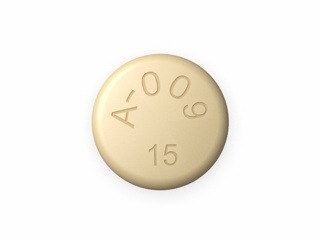

Abilify (Aripiprazole) — Patient Information
Abilify is a brand name medicine containing aripiprazole, an antipsychotic used to treat several mental health conditions. This guide is designed to help you understand what Abilify is, how it works, how it’s usually taken, and what to consider for safety and day‑to‑day use in the United Kingdom.
Every person is different. Your clinician may adjust your treatment based on your symptoms, other health conditions and medicines you take. Always follow the advice given to you by your healthcare professional.
Basic product information
| Item | Details |
|---|---|
| Medicine name | Abilify (aripiprazole) |
| Medicine type | Antipsychotic (also used for mood disorders) |
| How it works | Targets dopamine and serotonin receptors |
| Common forms | Tablets (strengths vary by product). Some markets also have other formulations (e.g., oral solution) depending on availability. |
| Availability in the UK | Widely supplied through community and hospital pharmacies |
How Abilify works (mechanism of action)
Aripiprazole works differently from many older antipsychotic medicines. It is often described as a medicine with “partial agonist” activity at certain dopamine receptors. This means it can stimulate dopamine receptors to a degree, or reduce overstimulation depending on the brain’s chemical environment.
Key receptor actions include:
- Dopamine D2 receptors: partial agonist activity (helps balance dopamine signalling)
- Serotonin 5‑HT1A receptors: partial agonist activity
- Serotonin 5‑HT2A receptors: antagonistic activity (helps modulate serotonin signalling)
This receptor profile is one reason Abilify may help with symptoms such as:
- Hallucinations, delusions, and thought disturbance
- Manic or mixed episodes and mood instability
- Some symptoms of irritability and mood changes in specified conditions
Pharmacokinetics: how the body handles aripiprazole
Pharmacokinetics (PK) describes how the body absorbs, distributes, metabolises and eliminates a medicine.
Absorption
- Aripiprazole is absorbed after oral dosing.
- Peak levels typically occur within a few hours (commonly around 3–5 hours), though individual timing can vary.
Distribution
- Aripiprazole is widely distributed in the body and binds to plasma proteins.
Metabolism
- Metabolism mainly involves liver enzymes, particularly CYP2D6 and CYP3A4.
- Some people metabolise drugs differently due to genetic variation, which may affect blood levels.
Elimination
- Aripiprazole and its metabolites are eliminated primarily via the liver and kidneys.
- The effective half‑life is relatively long, supporting once‑daily dosing in many patients.
Why PK matters: blood levels can be affected by other medicines that influence CYP2D6 or CYP3A4, such as certain antidepressants, antifungals, antibiotics, or anticonvulsants. This is one reason it’s important to review all medicines you take.
Typical uses and indications in the UK
In the UK, aripiprazole (Abilify) is used for a number of conditions. Indications and age ranges can vary by formulation and regulatory status.
Commonly used for:
- Schizophrenia (adults)
- Moderate to severe manic episodes in bipolar disorder (adults and certain adolescents, depending on product approval)
- Bipolar disorder maintenance (to help prevent relapse in some patients)
- Irritability associated with autistic disorder or related developmental conditions in children and adolescents (where approved)
- Major depressive disorder (as an add‑on treatment in adults who do not respond adequately to antidepressant therapy, where approved)
Important note: If you’re using Abilify for a specific condition, your prescriber will determine the appropriate dose and duration based on your situation.
How and when to take Abilify
Abilify is usually taken . Try to take it at about the same time each day.
Timing tips
- Choose a consistent time (e.g., morning or evening) to help you remember.
- If the medicine makes you feel sleepy, consider taking it in the evening (unless your prescriber advises otherwise).
- If it makes you feel more alert or restless, taking it in the morning may help.
With or without food
- Abilify can usually be taken with or without food.
- Staying consistent with meals can still help some people manage side effects.
Missed dose guidance
If you miss a dose, follow the instructions given with your medicine or by your healthcare professional. In general, many once‑daily medicines are taken as soon as you remember unless it’s close to the next dose—avoid doubling up.
Food interactions
For most patients, food does not significantly alter aripiprazole levels. You can generally take Abilify with meals if it helps reduce stomach upset or improves tolerability.
That said, certain diet and lifestyle factors may indirectly affect wellbeing (e.g., weight, metabolism and diabetes risk), which are relevant to safety monitoring. See the Safety profile section for details.
Alcohol and medicine interactions
Alcohol
- Alcohol can worsen mood, sleep and coordination, and may increase the chance of side effects such as drowsiness or light‑headedness.
- It may also make it harder to judge how well your treatment is working.
Practical advice: If you drink alcohol, consider reducing intake and avoid binge drinking. Seek advice if you notice worsening symptoms or feel unusually sedated.
Interactions with other medicines
Because aripiprazole is metabolised by CYP2D6 and CYP3A4, interactions can occur when other medicines affect these enzymes.
Examples of interaction types:
- Medicines that increase aripiprazole levels may raise the risk of side effects. Examples may include some antifungals or certain antivirals.
- Medicines that decrease aripiprazole levels may reduce effectiveness. Examples may include certain anticonvulsants or rifampicin.
- Other medicines that affect the brain (e.g., sedatives, opioids, some antihistamines) may increase drowsiness or dizziness.
Always tell a healthcare professional about all medicines you use, including:
- Prescription medicines
- Over‑the‑counter remedies
- Herbal products (e.g., St John’s wort)
- Vitamins and supplements
Seek urgent advice if you develop severe side effects after starting, stopping, or changing a medicine.
Dose and dosing guidance (general information)
Abilify dosing depends on the condition being treated, your age, tolerability, and whether you’re taking interacting medicines. Your healthcare professional will set an individual dose.
General principles
- Once‑daily dosing is commonly used.
- Doses may be started low and adjusted based on response and side effects.
- Adolescents may have different dosing schedules compared with adults.
- In some cases, additional monitoring is needed (e.g., for children/adolescents or for those at risk of metabolic problems).
What to discuss with your clinician
- Any previous experience with antipsychotics
- Whether you are a slow or fast metaboliser (if known)
- All current medicines, including antidepressants and anti‑seizure medicines
- History of diabetes, cholesterol problems, heart rhythm issues, stroke, or seizures
Do not change your dose without medical advice. Stopping abruptly can cause symptom relapse and may lead to withdrawal‑like effects in some people.
Safety profile: what to know before and during treatment
Like all medicines, Abilify can cause side effects. Many people have mild or manageable effects, but some require urgent medical attention.
Common side effects
- Akathisia (a sense of inner restlessness) or feeling unable to sit still
- Headache
- Nausea or stomach discomfort
- Insomnia or sleep disturbances
- Agitation
- Dizziness
Metabolic and weight-related risks
Some people taking antipsychotics can develop changes in weight and metabolism. Monitor for:
- Weight gain
- Higher blood sugar (diabetes risk)
- Changes in cholesterol or triglycerides
Practical monitoring: Ask your clinician about regular checks for weight, blood pressure, fasting glucose or HbA1c, and lipids.
Movement disorders
- Abilify can cause or worsen movement-related side effects in some patients.
- Symptoms may include restlessness (akathisia), tremor, stiffness, or unusual movements.
If you notice new or worsening movement symptoms, contact your clinician promptly.
Cardiovascular considerations
- Antipsychotics may affect heart rhythm in some circumstances.
- Risk is higher in people with existing heart problems, low potassium/magnesium, or certain interacting medicines.
Neuroleptic malignant syndrome (rare but serious)
Seek urgent medical help if you develop:
- High fever
- Severe muscle stiffness
- Confusion or altered consciousness
- Fast heartbeat or breathing difficulty
Serotonin-related or behavioural changes
While aripiprazole is not typically associated with serotonin syndrome like some other medicines, medication combinations can sometimes contribute to unusual agitation or behavioural changes. Contact a healthcare professional if you feel significantly unwell.
Suicidal thoughts and worsening mental health
In some people, especially early in treatment or during dose changes, mood may temporarily worsen. If you experience thoughts of self-harm or feel at risk, seek immediate support (e.g., emergency services or urgent mental health crisis services).
Pregnancy and breastfeeding
If you are pregnant, planning pregnancy, or breastfeeding, discuss risks and benefits with your clinician. Decisions should be individualised based on your condition and history.
Allergic reactions
Contact urgent medical care if you develop signs of an allergy, such as facial swelling, rash with breathing difficulty, or severe skin reactions.
Practical use tips to make treatment easier
- Use reminders: phone alarms, blister-pack calendars or medication organisers can reduce missed doses.
- Track early side effects: note sleep changes, restlessness, nausea, or mood shifts, especially during the first few weeks.
- Be consistent: keep taking Abilify at the same time daily unless told otherwise.
- Watch for restlessness: if you feel unusually restless or “can’t keep still,” tell your clinician—there are strategies and sometimes medication adjustments.
- Support metabolic health: balanced diet, regular physical activity, and routine blood tests can help reduce longer‑term risks.
- Avoid sudden stops: do not stop your medicine abruptly; tapering may be needed depending on your plan.
Alternative options for treatment
If Abilify isn’t suitable or doesn’t provide enough benefit, healthcare professionals may consider other treatment approaches. Alternatives can include:
Other antipsychotics
- Other atypical antipsychotics may be used depending on the condition and your tolerability.
- Choice depends on side effect profile, interactions and personal medical history.
Different medication strategies
- Mood stabilisers for bipolar disorder (depending on the episode type)
- Antidepressants for depression, sometimes used in combination or as monotherapy
- Psychological therapies (e.g., CBT, family therapy, or other structured approaches) alongside medication in appropriate cases
Lifestyle and support interventions
- Regular sleep routines
- Stress management strategies
- Support for substance use where relevant
- Education and relapse prevention planning
Your clinician can help you weigh up benefits and risks to find the most suitable option for you.
UK market and legal context (what it means for patients)
In the United Kingdom, medicines like Abilify are regulated to ensure quality, safety and effectiveness. Availability, supply chains and brand names can vary over time.
How regulation typically affects patients:
- Medicines must have a licensed indication, dosage form and strength.
- Safety monitoring includes reporting of suspected side effects through the Yellow Card Scheme (widely used for post‑marketing safety).
- Healthcare systems use clinical guidance and prescribing formularies to support appropriate use.
Important: If you have questions about why a particular medicine or dose is recommended for you, ask your prescriber or pharmacist. They can explain how the decision aligns with your diagnosis and personal risk profile.
Recent guidance and clinical updates (overview)
Clinical guidance in the UK evolves based on research, safety updates and real‑world monitoring. In recent years, key themes have included:
- Metabolic monitoring and awareness of weight, glucose and lipid changes
- Emphasis on shared decision‑making and individualised treatment plans
- Consideration of long‑term safety, including movement disorders and cardiovascular risk
- Careful review of drug–drug interactions, particularly involving CYP enzymes
Your pharmacist may also advise on medicine reconciliation (checking what you’re taking) and on managing side effects early—both of which are common recommendations in UK care pathways.
Delivery and availability in the UK
Abilify availability depends on the specific strength and formulation you require. In the UK, medicines may be supplied:
- Through community pharmacies
- From wholesalers and approved online pharmacy services
- Sometimes via multi‑day supply ordering if demand is temporarily high
What to expect when ordering:
- Packaging and leaflet information should be included with your medicine.
- Delivery timelines can vary by stock level and courier routes.
- If a product is temporarily out of stock, the pharmacy may advise on alternatives or lead times where appropriate.
Tip: Before ordering, confirm the exact strength and dosage form to avoid delays.
FAQ: Common questions about Abilify (aripiprazole)
1) Is Abilify the same as aripiprazole?
Yes. Abilify is a brand name that contains aripiprazole, the active ingredient. Other brands or generic versions may also contain aripiprazole, depending on availability.
2) How long does it take to work?
Some people notice changes early, but for many conditions it can take several weeks for full benefit. Response may also depend on whether Abilify is used alone or with other treatments.
3) Can I take Abilify with food?
In most cases, yes. Abilify can usually be taken with or without food. Choose what helps you tolerate it best.
4) What if I feel restless after starting?
Restlessness (often called akathisia) can occur. If you feel unusually restless, agitated, or unable to sit still, contact your clinician or pharmacist promptly. Do not ignore it or simply push through if it’s distressing.
5) Can I drink alcohol while taking Abilify?
It’s generally best to limit alcohol, as it can worsen side effects like drowsiness, dizziness, and mood instability. If you choose to drink, do so cautiously and avoid heavy drinking. Ask your pharmacist if you’re unsure.
6) Will Abilify interact with my other medicines?
It can. Aripiprazole is metabolised by liver enzymes, so medicines that affect CYP2D6 and CYP3A4 may change aripiprazole levels. Tell your pharmacist about all medicines and supplements you take.
7) Does Abilify cause weight gain?
Some people experience weight changes. Because weight and metabolic markers can be affected with antipsychotics, regular monitoring is recommended. If you notice rapid weight gain, discuss it early.
8) What side effects mean I should seek urgent help?
Seek urgent medical help if you experience symptoms such as high fever with severe stiffness, confusion, severe allergic reactions, or fainting. Also seek urgent help if you feel at risk of harming yourself.
9) Can children or teenagers use Abilify?
Aripiprazole has specific approvals for certain conditions in young people, depending on age and formulation. Use in children and adolescents should follow the approved indication and close monitoring.
10) What should I do if I miss a dose?
Follow the instructions provided with your medicine or from your healthcare professional. Avoid doubling doses. If you’re unsure, ask your pharmacist for advice tailored to your schedule.
Disclaimer: This patient-friendly information is for general guidance and does not replace personalised medical advice. If you have questions about your individual treatment plan, speak to a qualified healthcare professional or your pharmacist.