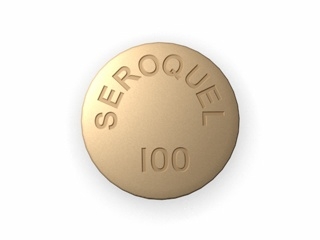

Seroquel (Quetiapine) — Patient Information (UK)
Seroquel is a brand of quetiapine, a medicine used to treat certain mental health conditions. This guide is written to be clear and patient-friendly. It explains what Seroquel is, how it works, how it behaves in the body, typical uses, how to take it safely, and important interactions and safety information relevant to the United Kingdom.
Important: Everyone’s situation is different. Always follow the instructions given by your prescriber and read the patient information leaflet supplied with your medicine.
1) Basic product information
| Item | Details |
|---|---|
| Generic name | Quetiapine |
| Brand | Seroquel |
| Common strengths (varies by product) | Often available as tablets in multiple strengths; extended-release forms may also be available depending on the exact product |
| Medicine type | Atypical antipsychotic |
| How it may be presented | Immediate-release tablets and other formulations (e.g., modified release) depending on product range |
| How it is used | Taken by mouth once or more times daily depending on formulation and condition |
Note on formulations: Some quetiapine products are modified-release (often designed to be taken less frequently). It’s important to keep using the same formulation as advised, because switching between immediate-release and modified-release can change how the medicine is absorbed.
2) Mechanism of action (how Seroquel works)
Quetiapine is an atypical antipsychotic. It affects several chemical messengers (neurotransmitters) in the brain, especially serotonin and dopamine.
- Dopamine receptor activity: It helps reduce dopamine signalling in certain brain pathways linked to symptoms such as hallucinations, delusions, agitation, or disorganised thinking.
- Serotonin receptor activity: By influencing serotonin receptors, it may help improve mood and anxiety-related symptoms and may contribute to its overall balance of effects.
- Other receptor effects: Quetiapine also has effects on receptors involved with sleep and arousal, which partly explains why it can feel sedating for some people.
Because it targets multiple pathways, its benefits may extend beyond “psychosis” symptoms, depending on the condition being treated (for example, bipolar disorder features).
3) Pharmacokinetics (what happens to the medicine in the body)
Pharmacokinetics describes how the body absorbs, distributes, metabolises, and eliminates quetiapine. Understanding this can help explain why timing and consistency matter.
Absorption
Quetiapine is absorbed after taking by mouth. The exact speed and extent of absorption can depend on the formulation (immediate-release vs modified-release).
Distribution
Quetiapine distributes widely into body tissues. It is also highly bound to plasma proteins.
Metabolism
Quetiapine is mainly metabolised by the liver, particularly by the enzyme system including cytochrome P450 (notably CYP3A4). This is why some medicines and foods can significantly affect its levels.
Elimination
The medicine is cleared from the body mainly via metabolism and then excretion of metabolites. The “half-life” influences how often it needs to be taken.
Practical implication
If you take interacting medicines that raise or lower quetiapine levels, side effects or reduced effectiveness can occur. Tell your pharmacist or prescriber about all medicines and supplements you use.
4) Typical use in the UK
In the UK, quetiapine is used for several mental health conditions. Uses can vary by formulation, dose, and individual patient factors. Common clinical uses include:
- Schizophrenia and other psychotic disorders (to help manage symptoms such as hallucinations, delusions, and disorganised thinking).
- Bipolar disorder, including treatment of episodes (for example, mania or depressive episodes depending on the regimen).
- Adjunctive treatment for certain depressive symptoms (in some patients, quetiapine may be added to an antidepressant). The exact indication depends on local guidance and the specific formulation.
- Short-term symptom control when rapid calming is needed, such as agitation associated with certain psychiatric conditions (as determined by a clinician).
Seroquel is not suitable for everyone. Your healthcare team will consider your diagnosis, medical history, current medicines, and risk factors such as heart conditions or previous medication reactions.
5) Timing and how to take Seroquel
How you take Seroquel depends on your specific formulation and the condition you’re treating. Many people take quetiapine once daily at night or in divided doses during the day and evening.
Starting and dose adjustment
Dosing is typically increased gradually, especially at the start, to reduce side effects such as dizziness, sleepiness, or low blood pressure. Follow your prescribed schedule carefully and do not adjust dose on your own.
What to do if you miss a dose
If you miss a dose, follow the guidance in your leaflet or given by your pharmacy team. In general, many people should not take a double dose to make up for a missed one. If you’re unsure, ask a pharmacist for advice.
Do not stop suddenly without advice
Stopping abruptly can lead to withdrawal-type symptoms or a return of symptoms. If you and your healthcare team plan to stop, the dose usually should be reduced gradually.
Practical tips
- Be consistent: Try to take it at the same times each day.
- Plan for sleepiness: If you feel drowsy, take doses in the evening as advised.
- Rising slowly helps dizziness: When you first start or if dose changes, stand up slowly.
- Use alarms: Especially helpful during dose changes or when taking multiple daily doses.
6) Food interactions
Food can influence absorption for some formulations. In many cases, quetiapine can be taken with or without food, but the exact advice may differ by formulation and strength.
General guidance:
- Follow your leaflet: It will specify whether to take with food or on an empty stomach for your product.
- Keep routines steady: Taking it consistently with the same meal pattern may help stabilise blood levels.
- Avoid sudden dietary changes: Don’t rely on diet changes to “adjust” how the medicine works.
If you’re unsure whether your specific Seroquel formulation should be taken with food, ask your pharmacist.
7) Alcohol and medicine interactions
Alcohol
It’s usually recommended to avoid or minimise alcohol while taking quetiapine because alcohol can increase sedation and impair thinking, reaction time, and coordination.
- Increased drowsiness: may make you more likely to fall or become unsafe.
- More impaired driving risk: reaction times can be affected even if you feel “fine.”
- Worsened mood: alcohol can destabilise mental wellbeing for some people.
Medicines that may interact (examples)
Quetiapine metabolism involves liver enzymes (notably CYP3A4). Medicines that strongly affect these pathways can change quetiapine levels.
Some examples of interaction types to discuss with a pharmacist:
- Medicines that increase quetiapine levels: these may increase side effects such as sleepiness, low blood pressure, or dizziness. (Examples include some antifungals and certain antibiotics that act on CYP3A4.)
- Medicines that decrease quetiapine levels: these may reduce effectiveness and increase symptom return. (Examples include some seizure treatments and other enzyme inducers.)
- Sedating medicines: combining with other medicines that cause drowsiness can significantly increase sedation. (Examples include some antihistamines, opioids, and certain anxiolytics—always check with your pharmacist.)
- Blood pressure–lowering medicines: may add to the chance of dizziness or low blood pressure.
- Medicines that affect heart rhythm: certain medicines can affect the heart’s electrical activity (QT interval). Taking them together may increase risk in susceptible individuals.
- Diabetes and cholesterol medicines: quetiapine may influence blood sugar and lipids, so your healthcare team may monitor these.
Always inform your pharmacy team about: prescription medicines, over-the-counter medicines, herbal remedies (including St John’s wort), and recreational substances.
8) Indications (what it is used for)
In UK practice, quetiapine is used for conditions where control of psychiatric symptoms is required. Depending on the formulation and dose, it may be indicated for:
- Schizophrenia: to help manage positive symptoms and to support overall symptom control.
- Bipolar disorder: episodes of mania/hypomania and/or bipolar depression (depending on regimen).
- Major depressive disorder (adjunctive use in selected patients): as an add-on to antidepressants in appropriate circumstances.
- Agitation and associated symptoms in some psychiatric settings (clinician-led).
Indications may differ based on the exact product and regulatory status. Your pharmacist can confirm whether a specific Seroquel product is the one intended for your use.
9) Dosing information (general principles)
Doses vary widely depending on the condition, formulation, age, liver function, and whether other medicines are used. Because dosing is individual, the information below describes general principles rather than a personal prescription plan.
How dosing typically starts
- Gradual titration: Many patients begin at a lower dose and increase stepwise to reduce side effects.
- Different targets: Doses for schizophrenia may differ from those used in bipolar depression or maintenance.
- Kidney vs liver: Liver impairment can affect metabolism, potentially requiring caution and slower titration.
Typical timing based on sedation
If you feel sleepy, clinicians often recommend taking a larger portion of the dose in the evening or before bed. However, follow your own plan exactly—some regimens require multiple daily doses.
Special populations (important)
- Older adults: may be more sensitive to dizziness, falls, and sedation; lower starting doses may be used.
- People with liver problems: may need dose adjustments and closer monitoring.
- People with cardiovascular risk: monitoring of blood pressure and heart rhythm may be relevant.
Safety note: Never increase dose beyond what your healthcare professional advises.
10) Safety profile and side effects
Like all medicines, quetiapine can cause side effects. Not everyone experiences them, and many improve as your body adjusts. Always seek medical advice if you experience severe symptoms or anything that worries you.
Common side effects
- Sleepiness or sedation (especially when starting or after dose increases)
- Dizziness, especially when standing (orthostatic hypotension)
- Dry mouth
- Headache
- Constipation
- Weight gain or increased appetite (varies by person)
- Higher blood sugar and/or cholesterol changes (monitoring may be recommended)
Less common but important risks
- Falls and injuries: risk may increase due to dizziness and drowsiness.
- Heart rhythm changes: in susceptible patients, QT prolongation risk may occur; clinicians consider risk factors.
- Neuroleptic malignant syndrome (NMS): a rare but serious reaction involving fever, muscle stiffness, confusion. If suspected, seek urgent medical help.
- Tardive dyskinesia: abnormal involuntary movements can occur with long-term antipsychotic use. Discuss concerns promptly with your healthcare team.
- Blood count changes: rare effects on white blood cells can happen; monitoring may be considered in specific situations.
- Severe allergic reactions: swelling of face/lips, difficulty breathing, or severe rash requires urgent assessment.
When to seek urgent help
Contact emergency services or urgent care immediately if you have symptoms suggesting a serious reaction, such as:
- fainting, severe chest pain, or trouble breathing
- severe dizziness with collapse
- high fever with muscle stiffness or marked confusion
- signs of allergic reaction (swollen face/lips, breathing difficulty)
- persistent uncontrolled jerking movements or severe agitation
11) Practical use tips (day-to-day living)
Driving and operating machinery
Quetiapine can cause drowsiness. If you feel sleepy or your reaction time is affected, avoid driving and operating machinery. UK advice commonly emphasises caution until you know how the medicine affects you.
Hydration and dizziness prevention
- Stand up slowly, especially after sitting or lying down.
- Stay well hydrated (unless you have a medical reason to restrict fluids).
- Report frequent dizziness or falls to a healthcare professional.
Weight, blood sugar, and cholesterol monitoring
Some people experience weight gain or changes in metabolism with quetiapine. Your healthcare team may recommend periodic checks such as:
- weight and waist measurements
- blood sugar (glucose or HbA1c)
- cholesterol and triglycerides
Sleep hygiene
If the medicine affects your sleep pattern, consider supportive steps such as consistent bedtimes, reducing caffeine late in the day, and keeping screens out of the bedroom—while still following your prescriber’s plan.
12) Alternative options
There are other medicines and non-drug treatments depending on your diagnosis and individual needs. Alternatives may include other antipsychotics or mood stabilisers, and psychological therapies.
Medication alternatives (examples)
- Other antipsychotics: such as risperidone, olanzapine, aripiprazole, or amisulpride (choice depends on symptoms and side effect profile).
- Mood stabilisers for bipolar disorder: such as lithium or lamotrigine (used in specific scenarios).
- Adjunctive treatments for depression: alternative antidepressant strategies may be considered.
The “best” alternative depends on your response, past side effects, co-existing conditions (for example diabetes or heart rhythm concerns), and your overall treatment plan.
Non-medication supports
- talking therapies (for example CBT or family-focused approaches)
- sleep and routine support
- structured lifestyle changes (exercise, nutrition)
- support for substance use if relevant
13) UK market and legal context (overview)
In the United Kingdom, quetiapine products are regulated medicines and are dispensed under UK medicines legislation. In practice, availability may depend on the specific Seroquel formulation and the strength you need.
Medicines guidance and prescribing decisions are supported by clinical resources, including advice from professional bodies, local NHS formularies, and evidence-based treatment recommendations.
Recent guidance and clinical considerations (high-level)
UK clinical practice continues to emphasise:
- Individualised dosing and careful monitoring for metabolic effects (weight, blood sugar, lipids).
- Side effect prevention, including attention to sedation, falls risk, and blood pressure changes.
- Reviewing ongoing need regularly, rather than maintaining treatment without assessment.
- Careful interaction checks, because many commonly used medicines can affect quetiapine levels or add sedation.
Guidance may evolve over time. If you want the most up-to-date information for your situation, ask your pharmacist or clinician.
14) Delivery and availability (UK)
Seroquel (quetiapine) may be available in pharmacies and online pharmacy services across the UK, subject to product range, stock availability, and regulatory requirements.
- Availability: Stock can vary by strength and formulation. If a product is temporarily unavailable, you may be offered an alternative strength or arrangement where permitted.
- Delivery times: Delivery speed depends on the supplier’s service level and your location within the UK.
- Product packaging: Medicines are typically supplied in original packaging with patient information included.
- Storage: Keep out of sight and reach of children. Store as directed on the outer carton (commonly at room temperature unless stated otherwise).
If you have questions about a specific strength or formulation, contact customer support so they can help confirm availability.
15) FAQ (Frequently asked questions)
Is Seroquel the same as quetiapine?
Yes. Seroquel is a brand name for quetiapine. Different brands may contain the same active ingredient, but formulations and dosing schedules can differ.
How long does it take to work?
Some people notice improvements in sleep or agitation relatively early, but symptom control—especially mood and psychosis-related symptoms— usually develops over days to weeks. Your clinician will monitor progress and adjust dosing if needed.
Can I take Seroquel with food?
It depends on the exact formulation. Many quetiapine products can be taken with or without food, but check the leaflet for your specific Seroquel product. Keeping a consistent routine can help.
Can I drink alcohol while taking it?
It is generally advised to avoid or minimise alcohol because alcohol can increase sedation and impair coordination.
What should I avoid while taking Seroquel?
Avoid drinking alcohol and be cautious with activities that require alertness until you know how the medicine affects you. Also avoid starting new medicines (including herbal products) without checking interactions.
Will I gain weight?
Weight gain can occur in some people. Not everyone gains weight, and the amount varies. Monitoring weight and discussing lifestyle measures with your healthcare team can help.
Is it safe to stop suddenly?
Stopping suddenly is usually not recommended. Quetiapine should generally be reduced gradually under clinical guidance to minimise withdrawal effects and symptom return.
What if I miss a dose?
Follow the advice in the patient information leaflet. In many cases, you should not take a double dose. If unsure, ask a pharmacist for guidance.
Are there alternatives if I can’t tolerate it?
Yes. Alternatives may include other antipsychotics or mood stabilisers, as well as psychological therapies. Your prescriber can advise based on your diagnosis and the side effects you experience.
Who should be extra careful when taking quetiapine?
Extra caution may be needed for older adults, people with liver problems, those with a history of fainting or falls, people with diabetes or high cholesterol, and individuals with known heart rhythm concerns.
How should I store Seroquel?
Store in the original packaging and follow the storage instructions on the carton/label. Keep medicines out of sight and reach of children.
Summary
Seroquel (quetiapine) is an atypical antipsychotic used in the UK for conditions such as schizophrenia and bipolar disorder, with dosing tailored to the individual and the specific formulation. It works by influencing key brain chemical messengers and can cause side effects including sedation, dizziness, and weight changes. Because quetiapine may interact with other medicines and alcohol, it’s important to check all medicines you take and follow consistent timing with your product instructions.