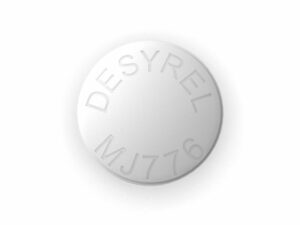
Zyprexa (Olanzapine) – Patient Information (UK)
Zyprexa is a medicine containing olanzapine. It is used to treat certain mental health conditions, including schizophrenia and bipolar disorder. This guide is written to be easy to read and is intended for general information about how olanzapine works, how it is used, what to expect, and key safety points. It does not replace advice from your healthcare professional.
| Medicine name | Zyprexa |
|---|---|
| Active ingredient | Olanzapine |
| Common forms | Tablets (and other formulations depending on availability) |
| Class | Atypical antipsychotic (second-generation) |
| Used for | Schizophrenia, bipolar disorder, and related conditions (as advised) |
| How it’s usually taken | Once daily (or as directed by a clinician) |
Basic product information
What is olanzapine?
Olanzapine belongs to a group of medicines called antipsychotics. It helps to reduce symptoms such as:
- Hallucinations or delusions
- Disorganised thinking
- Agitation and hostility
- Manic symptoms such as increased energy, reduced need for sleep, and impulsive behaviour (in bipolar disorder)
How is it supplied?
In the UK, availability may vary by formulation and strength. Online pharmacies typically supply in standard tablet strengths and pack sizes that match what is licensed and authorised in the UK.
How Zyprexa (olanzapine) works
Olanzapine works mainly by affecting several brain chemical pathways (neurotransmitters). It helps to stabilise mood and reduce psychotic symptoms by influencing:
- Dopamine receptors (important for psychosis and thought processes)
- Serotonin receptors (involved in mood, anxiety, and perception)
- Histamine receptors (may contribute to drowsiness and weight gain)
- Alpha-1 receptors (may contribute to dizziness on standing)
Important note: Different people respond differently. Symptoms may improve over days, but full effects can take longer—often several weeks.
Pharmacokinetics (how your body handles olanzapine)
“Pharmacokinetics” describes absorption, distribution, metabolism, and elimination.
- Absorption: Olanzapine is absorbed from the gut after taking a tablet.
- Peak levels: The medicine reaches its highest concentration in the bloodstream within a few hours after a dose.
- Metabolism: Olanzapine is metabolised mainly in the liver (primarily via CYP1A2).
- Effect of smoking: Cigarette smoking can reduce olanzapine levels because smoking increases CYP1A2 activity. If you start or stop smoking, your dose may need review.
- Elimination: Olanzapine is eliminated mainly through urine and faeces as metabolites.
- Half-life: Olanzapine has an extended half-life, which supports once-daily dosing for many people.
Typical use and timing
Olanzapine is typically taken as part of a longer-term treatment plan. Common patterns in the UK include:
- Once daily, often in the evening if it causes drowsiness.
- With or without food, depending on your routine and any side effects.
When to take your dose:
- Choose a consistent time each day.
- If it makes you sleepy, taking it in the evening may help.
- If you feel energised or restless, taking it earlier in the day may be considered—discuss with your prescriber or pharmacist.
Missed dose: If you miss a dose, take it when you remember unless it is close to your next dose. Do not take a double dose. If you’re unsure, ask your pharmacist for advice based on your schedule.
Indications (what Zyprexa is used to treat)
In the UK, olanzapine is used for conditions including:
- Schizophrenia—to help manage symptoms such as hallucinations, delusions, disorganised speech/behaviour, and negative symptoms.
- Bipolar disorder—for treatment of manic or mixed episodes and for preventing relapse, depending on the patient’s situation and treatment plan.
Combination treatment: In bipolar disorder, olanzapine may sometimes be used with other medicines as advised by a healthcare professional.
Dosing (general information)
Important: The exact dose varies by the condition being treated, your age, other medical problems, and how you respond. Always follow the instructions provided by your healthcare team.
Typical dose ranges (overview):
- For many adults, olanzapine is started at a lower dose and adjusted gradually.
- In people who may be more sensitive to side effects, clinicians may use a cautious starting dose and slower increases.
Why doses may be adjusted: Dose changes may be needed if you experience side effects (such as drowsiness or weight changes), or if symptoms are not improving.
Kidney and liver considerations: If you have liver problems, your clinician may choose a different approach. Because olanzapine is metabolised in the liver, liver function matters.
Food interactions
Olanzapine tablets can generally be taken with or without food. Food is not usually a major issue for absorption; however, individual tolerance can vary.
Practical tips with food:
- If taking with food reduces nausea or stomach upset for you, that may be beneficial.
- Because olanzapine can affect appetite and weight, maintaining balanced meals and portion control is helpful.
Alcohol and medicine interactions
Alcohol
Avoid or minimise alcohol. Olanzapine can cause drowsiness and dizziness in some people. Alcohol can increase these effects and raise the risk of falls or impaired alertness.
- Do not drive or operate machinery if you feel sleepy, slow, or dizzy.
- If you plan to drink alcohol, ask your pharmacist what is safest for you.
Other medicines that may interact
Because olanzapine is metabolised by liver enzymes and also affects the brain, certain medicines can change how it works or increase side effects. Tell your pharmacist or clinician about:
- Medicines that cause drowsiness (for example, sedatives, some antihistamines, strong painkillers, some anxiety/sleep medicines)
- Antidepressants or mood stabilisers (interaction potential varies)
- Medicines affecting liver enzymes (including some antibiotics and antifungals)
- Smoking and nicotine products (smoking—not nicotine replacement—can lower olanzapine levels)
- Medicines that affect blood sugar (relevant because olanzapine can raise glucose levels)
- Medicines that affect cholesterol or triglycerides (also relevant to monitoring)
CYP1A2 and interactions: Since CYP1A2 is involved, substances that inhibit or induce CYP1A2 may raise or lower olanzapine levels. Examples may include some smoking-related factors or certain medications that affect enzyme activity. Your pharmacist can check specific interactions for your current medicine list.
Safety profile and side effects
Like all medicines, olanzapine can cause side effects. Many are dose-related and may improve with time or dose adjustment. However, some require prompt medical attention.
Common side effects
- Drowsiness or feeling tired
- Weight gain and increased appetite
- Dizziness (especially when standing up quickly)
- Dry mouth
- Constipation
- Changes in blood sugar and lipids (cholesterol/triglycerides)
Less common but serious risks
- Severe allergic reaction (e.g., swelling of face/lips, breathing difficulty, rash)
- Neuroleptic malignant syndrome (rare): high fever, severe stiffness, confusion, and sweating
- Tardive dyskinesia: involuntary movements, which may occur with longer-term use
- Excessive sedation or impaired coordination/falls
- Orthostatic hypotension: fainting or marked dizziness on standing
- Blood sugar problems such as new or worsening diabetes, or diabetic ketoacidosis symptoms
- Lipid problems and increased cardiovascular risk over time
When to seek urgent help
Seek urgent medical help if you experience:
- Difficulty breathing, swelling, or a widespread rash
- High fever with severe muscle stiffness or confusion
- Fainting, severe dizziness, or you cannot stay awake
- Signs of very high blood sugar (e.g., extreme thirst, frequent urination, vomiting, deep/rapid breathing)
Monitoring and practical use tips
To use olanzapine safely and effectively, clinicians often monitor physical health as well as mental wellbeing. Monitoring may include:
- Weight and BMI (regular checks)
- Blood glucose (diabetes screening and/or HbA1c)
- Lipids (cholesterol and triglycerides)
- Blood pressure
- Full blood count and liver function tests may be checked depending on your overall health
Practical tips that can make day-to-day use easier:
- Plan for sleepiness: Avoid driving until you know how you react to the first doses.
- Support weight management: If appetite increases, consider structured meals and practical activity (walking, gentle exercise).
- Stay hydrated and manage constipation: Drink water, include fibre in your diet, and discuss laxatives if constipation becomes problematic.
- Stand up slowly: This can reduce dizziness.
- Keep a symptom diary: Note changes in sleep, mood, agitation, and any side effects; share this with your clinician.
- Don’t stop suddenly: Abrupt stopping can lead to symptom return and other effects. Changes should be guided by your healthcare team.
Alternatives to Zyprexa (olanzapine)
Several other medicines may be considered depending on your diagnosis, previous responses, and side-effect profile. Alternatives within the UK may include:
- Other antipsychotics (e.g., aripiprazole, quetiapine, risperidone, amisulpride, ziprasidone, paliperidone—availability and suitability vary)
- Medication adjustments (dose changes or switching strategy)
- Non-drug options used alongside medication, such as psychological therapies, lifestyle support, and structured care plans
Choosing an alternative: If olanzapine causes troublesome weight gain, sedation, or metabolic changes, your clinician may consider an alternative with a different side-effect profile. The best choice depends on balancing symptom control with tolerability for you.
UK market and legal context (high-level)
In the United Kingdom, medicines containing olanzapine are regulated and supplied according to UK medicines legislation and pharmacy practice. Antipsychotics are treated as controlled healthcare products, and safe supply depends on appropriate patient screening, counselling, and appropriate documentation.
What this means for you as a patient:
- Pharmacists may ask about your current medicine list and medical history to reduce interaction risks.
- Safety advice may include monitoring guidance and side-effect awareness.
- Availability may depend on stock levels and the specific formulation/strength.
Recent guidance and clinical considerations (general overview)
Clinical practice in the UK emphasises:
- Regular metabolic monitoring with antipsychotics, especially for medicines associated with weight gain and blood sugar changes.
- Shared decision-making (balancing symptom control with side effects and patient preferences).
- Review of ongoing need at appropriate intervals, using symptom response and side-effect burden to guide treatment.
- Careful assessment of sedation risk, falls risk, and driving safety in people starting or adjusting doses.
Your clinician may also consider physical health factors such as smoking status, diabetes risk, cardiovascular risk, and liver function when prescribing and reviewing olanzapine.
Delivery and availability (online pharmacy)
Availability of Zyprexa depends on local and national supply chains, formulation type, and pack size. When ordering online in the UK, delivery times vary by:
- Stock status (in-warehouse vs. supplier order)
- Order processing times
- Delivery postcode area and courier schedule
Common delivery expectations:
- Orders may be dispatched the same day if placed within the cut-off time (this varies by pharmacy).
- Tracking information is often provided once the order ships.
- If an item is temporarily out of stock, you may be offered an alternative pack size/strength where suitable.
Keeping your medicine safe: Store tablets as directed on the outer packaging. Keep out of sight and reach of children. Do not use after the expiry date.
FAQ
1) How quickly will Zyprexa work?
Some people notice symptom improvement within days, while others may take several weeks for full benefit. If you feel worse or have severe side effects early on, contact your healthcare team for advice.
2) Should I take it in the morning or evening?
Many people take it in the evening, especially if it causes drowsiness. If it affects your sleep, you may prefer a different time. Choose what suits you and confirm timing with your pharmacist or clinician.
3) Can I take Zyprexa with food?
Yes. Olanzapine tablets can usually be taken with or without food. If it upsets your stomach, taking it with food may help.
4) Does smoking affect olanzapine?
Yes. Smoking can lower olanzapine levels and may reduce its effect. If you change your smoking habits, tell your pharmacist or clinician—your dose may need review.
5) Can I drink alcohol while taking Zyprexa?
Alcohol can increase drowsiness and dizziness. It’s usually best to avoid alcohol or keep it minimal, and you should not drive or operate machinery if you feel affected.
6) What are the most important side effects to watch for?
Common ones include sleepiness and weight gain. You should also watch for symptoms of raised blood sugar (such as excessive thirst or frequent urination), and seek help if you develop severe fever, confusion, muscle stiffness, or breathing difficulties.
7) What if I miss a dose?
Take it when you remember unless it is close to your next dose. Do not take a double dose. If unsure, ask your pharmacist for advice.
8) Can I stop Zyprexa suddenly?
Do not stop suddenly unless you are advised to do so. Stopping abruptly can lead to relapse or withdrawal-related symptoms. Your prescriber should guide any changes.
9) Are there alternatives if I can’t tolerate side effects?
Yes. Your clinician may consider a different antipsychotic or a tailored dosing strategy. The choice depends on what side effects you experience and how well the medicine controls symptoms.
10) Is it safe for everyone?
Olanzapine may not be suitable for everyone. Your clinician will consider your medical history, current medicines, risk factors (such as diabetes risk), and other health conditions to determine suitability and safe dosing.
Summary
Zyprexa (olanzapine) is an atypical antipsychotic used in the UK to treat conditions such as schizophrenia and bipolar disorder. It helps balance key brain chemicals involved in mood and thought. Like many antipsychotics, it can cause side effects—most notably drowsiness and weight gain—and it can affect blood sugar and cholesterol, so ongoing monitoring is important. Taking the medicine at a consistent time, being cautious with alcohol and other sedating medicines, and attending regular health checks can help you use olanzapine more safely and comfortably.