
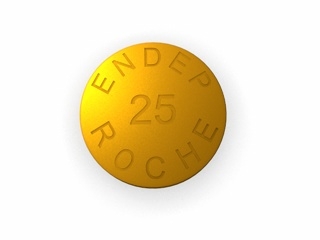


Endep (Amitriptyline) — Patient Information
Endep is a medicine containing amitriptyline, which belongs to a group of drugs called tricyclic antidepressants (TCAs). Although it was originally developed for depression, amitriptyline is also used for several long-term conditions in the UK—particularly where nerve pain and certain chronic pain patterns are involved.
This page explains how Endep works, what it’s used for, how to take it safely, common side effects, and important interactions. It is written for patient understanding and is not a substitute for advice from a healthcare professional.
1) Basic product information
| Information | Details |
|---|---|
| Active ingredient | Amitriptyline |
| Medicine group | Tricyclic antidepressant (TCA) |
| Common forms | Tablets (strengths may vary by product range) |
| How it may be used | Often once daily for pain/migraine prevention; sometimes divided doses for other uses |
| Typical start | Low dose, gradually increased if needed |
| Storage | Keep at room temperature, protect from moisture, keep out of sight and reach of children |
2) How Endep works (mechanism of action)
Amitriptyline affects the way the brain and nervous system handle certain chemical messengers (neurotransmitters), particularly serotonin and noradrenaline. It helps increase their activity in key pathways involved in mood regulation and pain signalling.
In addition, amitriptyline has effects on other receptors (including histamine and muscarinic receptors). These actions help explain both:
- Therapeutic effects such as relief of chronic nerve-related pain and migraine prevention (in suitable patients)
- Side effects such as drowsiness and dry mouth
For many chronic pain uses, relief may come from changes in nerve signalling and “pain pathways,” which typically develop over days to weeks.
3) Pharmacokinetics (how the body processes it)
Understanding pharmacokinetics can help explain why dosing is often once daily and why changes in dose can take time to show effects.
- Absorption: Amitriptyline is absorbed after oral dosing.
- Distribution: It spreads through body tissues, including the brain.
- Metabolism: The liver mainly processes amitriptyline, producing an active metabolite called nortriptyline.
- Elimination: The medicine is cleared from the body over time through metabolism and excretion.
- Onset of effect: Depending on the indication, some benefits may be noticed early, but full effect—especially for pain—often takes several weeks.
Because it is processed mainly in the liver, serious liver disease may require extra caution and closer review by a healthcare professional.
4) Typical uses in the UK
Endep (amitriptyline) may be used for conditions where it can reduce symptoms and improve quality of life. Common UK indications include:
- Depression (especially when a TCA is considered appropriate)
- Neuropathic pain (nerve pain), such as pain due to nerve injury or certain chronic pain syndromes
- Chronic tension-type headache or migraine prevention in suitable patients
- Other chronic pain conditions as assessed by clinicians
The exact suitability depends on your medical history, current medicines, and risk factors. Your prescriber will choose a dose and schedule based on your condition and how you respond.
5) When to take Endep: timing and routine
Many patients are advised to take Endep in the evening or at night, because it commonly causes drowsiness. Taking it at night can reduce daytime sleepiness and may help you sleep better.
Practical timing tips
- Try to take it at the same time each day to maintain steady levels.
- If it makes you drowsy: take it in the evening.
- If your clinician suggested divided doses: follow the schedule carefully (morning/evening).
- Be patient: pain relief may take time, so don’t assume it isn’t working after a few doses.
6) Food interactions
Endep can usually be taken with or without food. However, food-related considerations may still be useful:
- With food: some people find taking it with a meal reduces nausea.
- Consistency: try to keep your routine similar day-to-day.
If you notice stomach upset, discuss options with your healthcare professional or pharmacist. Do not change the dose without advice.
7) Alcohol and medicine interactions
Mixing amitriptyline with alcohol can increase the risk of side effects such as drowsiness, slowed reaction time, and impaired coordination. In more serious cases, this can affect breathing and increase the risk of accidents.
Alcohol
- Avoid or limit alcohol while taking Endep, especially during dose changes.
- If you do drink, be cautious and consider that tolerance is unpredictable.
Common medicine interaction categories
Interactions vary based on your specific medicines and health conditions. Tell your clinician and pharmacist about all medicines you take, including those bought over the counter and herbal remedies.
- Other sedating medicines: may worsen drowsiness (e.g., some antihistamines, sleeping tablets, opioids).
- Serotonin-related medicines: some drugs can increase serotonin activity and raise the risk of serotonin syndrome. Examples include certain antidepressants (e.g., SSRIs/SNRIs), some migraine medicines (e.g., triptans), and others.
- Medicines affecting heart rhythm: Endep can influence cardiac conduction. Combining with other medicines that affect rhythm may increase risk.
- Medicines that affect liver enzymes: drugs that alter metabolism (CYP enzymes) may change amitriptyline levels. This could increase side effects or reduce effect.
- Anticholinergic medicines: combined use may increase effects like dry mouth, constipation, or blurred vision.
- St John’s wort: may affect metabolism and increase side-effect risk or reduce benefit.
If you’re unsure whether a product interacts with Endep, speak to a pharmacist. In urgent situations, contact NHS 111 or seek emergency help.
8) Indications (why it may be prescribed)
In the UK, Endep (amitriptyline) is commonly used for:
- Depression—particularly when a TCA is appropriate based on patient factors
- Neuropathic pain—to reduce persistent nerve pain symptoms
- Headache prevention—for certain chronic headache patterns such as migraine prevention
- Other chronic pain disorders—where clinicians consider amitriptyline suitable
The benefit-to-risk profile differs for each person. Your clinician will tailor the dose to your condition and safety needs.
9) Dosing: typical approach and how titration works
Dose regimens vary depending on the indication (depression vs pain/headache prevention), age, other medicines, and tolerance. A common strategy is to start low and increase gradually.
Key dosing principles
- Start low: to minimise side effects such as drowsiness and dry mouth.
- Increase slowly if needed: to improve tolerability and allow your body to adapt.
- Individual response: some people require dose adjustment for effectiveness and safety.
- Do not stop suddenly: abrupt discontinuation can cause withdrawal-like symptoms and symptom flare-ups.
Timing with dose changes
After a dose increase, it can take several days to a few weeks to see full benefit and to understand your side-effect tolerance. If you experience bothersome effects, contact your prescriber to review the plan.
Because exact dosing varies by patient, this page provides general guidance on safe use rather than a one-size-fits-all schedule. Always follow the instructions given to you.
10) Safety profile: common side effects and when to seek help
Like all medicines, Endep can cause side effects. Many are dose-related and improve as the body adjusts, especially when dose increases are gradual.
Common side effects
- Drowsiness or tiredness
- Dry mouth
- Constipation
- Dizziness (especially when standing up)
- Blurred vision
- Increased appetite and potential weight change
- Sweating
- Nausea
Less common but important risks
- Heart rhythm changes (particularly in people with heart disease or when combined with interacting medicines)
- Worsening mood or increased suicidal thoughts in some people, especially early in treatment or after dose changes
- Serotonin syndrome risk when combined with certain serotonergic medicines (rare, but serious)
- Urinary retention or difficulty passing urine (more likely in some patients)
- Confusion or increased fall risk, particularly in older adults
Seek urgent medical advice if
- You feel very drowsy, confused, or faint
- You have fast, irregular, or racing heartbeat, chest pain, or collapse
- You develop signs of serotonin syndrome (e.g., agitation, sweating, shaking, diarrhoea, fever, muscle stiffness)
- You have severe allergic-type reactions (swelling of face/lips, breathing difficulty, widespread rash)
If you believe you have taken too much or someone has overdosed, seek emergency help immediately.
11) Practical use tips (how to get the best experience)
Managing drowsiness
- Consider taking Endep in the evening.
- Avoid driving or operating machinery until you know how it affects you.
- Rise slowly from bed/chair to reduce dizziness.
Managing dry mouth
- Stay hydrated.
- Use sugar-free gum or lozenges.
- Consider saliva substitutes if advised by a healthcare professional.
Constipation support
- Increase fibre and fluids where possible.
- Gentle stool softeners or bulk-forming options may help—ask your pharmacist what is suitable.
- Contact a clinician if constipation becomes severe or persistent.
Consistency and adherence
- Take it regularly at the same time each day.
- If you miss a dose, follow the guidance from your medication instructions or pharmacist (often you should not double the next dose).
Stopping safely
When discontinuing Endep, a gradual reduction is often recommended to reduce withdrawal symptoms and prevent recurrence of the original condition. Always follow a personalised tapering plan from your clinician.
12) Alternatives to Endep (amitryptiline)
Treatment alternatives depend on the reason you are taking Endep (depression, neuropathic pain, headache prevention, etc.) and your medical history. Options a clinician may consider include:
For chronic pain/neuropathic pain
- Gabapentin or pregabalin
- Duloxetine (for certain pain conditions)
- Other antidepressants used for pain (choice depends on symptoms and risk profile)
- Topical therapies where appropriate (e.g., lidocaine-containing products in some indications)
For migraine or headache prevention
- Beta-blockers (where suitable)
- Other preventive migraine medicines (clinician-guided)
- Lifestyle measures and trigger management
For depression
- SSRIs or SNRIs (depending on suitability)
- Psychological therapies and other combined approaches
If you want to change from Endep, discuss your options with a healthcare professional. Switching requires careful planning to avoid destabilising symptoms or creating interaction risk.
13) UK market and legal context (what to expect)
In the UK, amitriptyline is an established medicine used for a range of conditions. Availability and prescribing arrangements follow UK healthcare regulations and clinical guidance.
- Regulatory status: Endep is regulated by the UK medicines framework. Medicines in this class are used under appropriate clinical oversight.
- Clinical oversight: TCAs require safe management, particularly due to potential side effects and interaction risks.
- Monitoring: clinicians may consider checks such as vital signs and, where relevant, assessment of cardiac risk.
The details of eligibility and follow-up vary by service and patient needs.
14) Recent guidance and clinical updates (high-level overview)
Guidance in the UK can evolve over time, particularly around safer prescribing and the management of long-term conditions. Current best practice commonly emphasises:
- Start low, go slow (especially for pain and for older adults)
- Review benefit and side effects regularly after dose changes
- Minimise interacting medicines where possible and check for serotonin-related or cardiac risks
- Individualised risk assessment (e.g., for heart rhythm, falls risk, and mental health changes)
Always rely on current advice from your clinician or pharmacist if you’re starting treatment, changing dose, or experiencing new symptoms.
15) Delivery, availability, and what to expect when ordering online
Many online pharmacies in the UK can supply medicines like Endep subject to legal requirements, product availability, and relevant clinical checks. Delivery times and service options depend on your location and stock levels.
What to check before ordering
- Product strength and form you need (tablets of the correct strength)
- Quantity for the intended course length
- Delivery address details to avoid delays
- Timeframes offered at checkout
On arrival
- Confirm the packaging contains the correct product name and strength.
- Check expiry date information.
- Store safely out of reach of children.
16) FAQ
How long does Endep take to work?
It depends on why you’re taking it. For chronic nerve pain or headache prevention, noticeable improvement often takes several days to a few weeks. Mood effects may also take time. If you don’t feel any benefit, contact your prescriber before changing or stopping.
Should I take Endep in the morning or evening?
Many people take it in the evening because it can cause drowsiness. If you experience side effects or your schedule differs, ask your clinician or pharmacist whether your dose should be moved.
Can I drink alcohol while taking Endep?
It’s best to avoid or limit alcohol because it can increase sedation and impair reaction time. If you choose to drink, do so cautiously and consider that the effects can be unpredictable.
What should I do if I miss a dose?
Follow the advice provided with your medication instructions or by your pharmacist. In many cases, you should take it when you remember unless it’s close to the next dose—do not double up without guidance.
Can Endep cause weight gain?
Some people experience increased appetite and weight change. Maintaining a balanced diet and monitoring weight can help, and your clinician can review whether dose changes or alternatives are appropriate.
Is Endep safe for older adults?
Older adults may be more sensitive to drowsiness, dizziness, and anticholinergic effects. Dosing is often lower and titrated more cautiously. Discuss your specific risks with a healthcare professional.
Can I stop Endep suddenly?
Generally, no. Stopping suddenly can lead to withdrawal-like symptoms and can cause your original condition to return. If you want to stop, your clinician will usually recommend a gradual reduction.
Are there medicines I should not combine with Endep?
Yes—there are several categories that may interact, including other serotonergic medicines, some sedating medicines, and medicines that can affect heart rhythm or liver metabolism. Always review your full list of medicines with a pharmacist.
Does Endep affect driving?
It can. Drowsiness and dizziness are possible, especially when starting or after dose increases. Avoid driving until you know how it affects you.
What if I have a heart condition?
Tell your clinician if you have any heart disease, history of abnormal heart rhythms, or if you take medicines that affect cardiac conduction. Additional monitoring may be required.
Summary
Endep (amitriptyline) is a tricyclic antidepressant used in the UK for conditions such as depression, neuropathic pain, and headache prevention in selected patients. It works by influencing key brain chemicals involved in mood and pain pathways. Because it can cause drowsiness and interact with other medicines—especially those affecting serotonin, sedation, or heart rhythm—safe use requires careful dosing, gradual titration, and attention to alcohol and medication interactions.
If you have any concerns about side effects, interactions, or how long it’s taking to work, speak with a healthcare professional or pharmacist.