Escitalopram (SSRIs) — Patient-Friendly Guide
Escitalopram is a medicine commonly used for anxiety and depression. It belongs to a group of medicines known as SSRIs (selective serotonin reuptake inhibitors). In the UK, escitalopram is widely available and has a well-established safety record when used appropriately.
This guide explains what escitalopram does, how it works in the body, typical uses, how to take it safely, and what to expect. It also covers important interactions, practical tips, and frequently asked questions.
Quick Product Information
- Medicine name: Escitalopram
- Class: SSRI (selective serotonin reuptake inhibitor)
- Common strengths (UK): 5 mg, 10 mg, 15 mg, 20 mg tablets (strength may vary by product)
- How it’s usually taken: Once daily (typically in tablet form)
- Typical onset: Some improvement may be noticed after 1–2 weeks; full benefit often takes several weeks
- Prescription status (UK): In the UK it is a prescription-only medicine for most patients
Note: Always follow the instructions provided by your healthcare professional and the information in the package leaflet that comes with your specific brand.
How Escitalopram Works (Mechanism of Action)
Escitalopram helps improve mood and anxiety by affecting serotonin, a chemical messenger involved in emotion, sleep, appetite, and stress responses.
Mechanism of action:
- Escitalopram selectively blocks the reuptake of serotonin at certain nerve endings (neurons).
- This increases serotonin availability in the brain, which can help stabilise mood and reduce anxiety symptoms over time.
- Unlike some fast-acting medicines, SSRIs often require time for the brain’s signalling systems to adjust.
Pharmacokinetics (How the Body Handles It)
Pharmacokinetics describes how the body absorbs, distributes, metabolises, and eliminates a medicine.
- Absorption: Escitalopram is absorbed after oral dosing. Peak levels typically occur within a few hours.
- Distribution: It distributes into body tissues and crosses into the central nervous system (the brain).
- Metabolism: The liver metabolises escitalopram (main pathways involve enzymes such as CYP2C19, and others may contribute).
- Elimination: Metabolites are cleared mainly via the kidneys and partly through other routes.
- Half-life: Escitalopram has a long enough duration of action to support once-daily dosing.
Individuals can experience different blood levels due to genetics, other medicines, liver function, and age—this is one reason dosing is often started low and adjusted carefully.
What Escitalopram Is Used For (Indications)
Escitalopram is indicated in the UK for several conditions, most commonly:
- Depression (major depressive episodes)
- Generalised anxiety disorder (persistent, excessive worry)
- Other anxiety-related conditions may be considered in clinical practice depending on your situation and local guidance
Your healthcare professional will consider the most suitable treatment for your symptoms, preferences, and medical history.
When to Take Escitalopram (Timing and Consistency)
Escitalopram is usually taken once daily, at the same time each day.
- Morning vs evening: Many people choose the time of day based on how they feel. If escitalopram makes you feel energised or slightly restless, taking it in the morning may suit you. If it causes sleepiness, taking it in the evening may be preferable.
- Consistency matters: Try not to vary the time by too much.
- Missed dose: Take it when you remember if it’s close to your usual time. If it’s almost time for the next dose, skip the missed dose. Do not double up.
If you’re unsure about timing, ask a pharmacist for advice specific to your product and your daily routine.
Dose and How Treatment Is Usually Started (Typical Dosing in Adults)
Dosing can vary depending on the condition being treated, your age, and tolerability. Below is general information about typical dosing ranges used in adult practice.
General starting approach:
- Often the treatment starts at a lower dose to reduce side effects.
- The dose may be increased gradually based on response and side effects.
| Condition (common adult use) | Typical starting dose | Possible adjustments | Typical maximum (varies by guidance/product) |
|---|---|---|---|
| Depression | Often 10 mg once daily | May be increased after at least 1–2 weeks depending on tolerability | Usually up to 20 mg once daily |
| Generalised anxiety disorder | Often 10 mg once daily | May be adjusted based on symptom control | Usually up to 20 mg once daily |
| Older adults / sensitive patients | Lower starting doses may be used | More gradual changes | May be lower than standard |
| Liver impairment | Reduced dosing may be needed | Careful titration | May be lower than standard |
Children and adolescents: Escitalopram use in under-18s depends on the specific condition and risk-benefit assessment. Dosing and monitoring are more specialised, so it should only be used under close clinical supervision.
Important: Follow the dosing plan given to you. Do not change your dose without medical advice.
What to Expect: Timing of Effects and Improvement
Escitalopram is not typically “instant.” Here’s what many people notice:
- First 1–2 weeks: Some people experience early side effects (such as nausea, headache, or sleep changes). Anxiety may fluctuate.
- 2–4 weeks: Sleep and appetite may begin to improve for some. Anxiety symptoms may start to ease.
- 4–6+ weeks: Mood and anxiety improvements often become clearer and more stable.
If you feel worse early on, or if you have any concerning symptoms, contact your healthcare professional promptly. Early monitoring can help manage side effects and support safe continuation.
Food Interactions and Eating While Taking Escitalopram
Escitalopram can generally be taken with or without food. Food does not usually require strict timing adjustments.
Practical tips:
- Take consistently: Choose a routine that helps you remember (e.g., after breakfast or at bedtime).
- If nausea occurs: Taking it with a light meal may help some people.
- Alcohol use: See below for important alcohol interactions and guidance.
Alcohol and Escitalopram: Interactions and Safety
While escitalopram may not have a single direct “dangerous” interaction like some medicines, combining SSRIs with alcohol is generally not recommended.
- Alcohol can worsen mood and anxiety, which may counteract treatment benefits.
- Both can affect sleep, sometimes leading to poorer-quality rest.
- Increased side effects: Alcohol may increase dizziness, drowsiness, and impaired concentration.
If you choose to drink alcohol, it’s best to keep it minimal and avoid binge drinking. Speak to a pharmacist or clinician for personalised advice, especially if you have liver problems, a history of substance misuse, or significant anxiety or depression symptoms.
Medicine Interactions (Other Treatments to Be Careful With)
Escitalopram can interact with other medicines due to effects on serotonin levels, bleeding risk, or drug-metabolising enzymes. Always inform healthcare professionals about all medicines you take, including over-the-counter products and herbal remedies.
Serotonin-related interactions (risk of serotonin syndrome)
Be cautious with medicines that increase serotonin. Examples include:
- Other antidepressants (e.g., MAO inhibitors—generally contraindicated, and some other SSRIs/SNRIs)
- Triptans (for migraine)
- Linezolid (an antibiotic)
- Tramadol (pain relief)
- St John’s wort (herbal remedy)
- Some cough and cold medicines may contain ingredients with serotonergic effects
Seek urgent medical help if you develop symptoms such as:
- High fever, severe agitation
- Confusion
- Shaking/tremor, muscle stiffness
- Fast heartbeat, heavy sweating
- Diarrhoea with other symptoms
Bleeding risk
Escitalopram can increase bleeding risk, particularly when combined with medicines that also affect bleeding:
- Non-steroidal anti-inflammatory drugs (NSAIDs) (e.g., ibuprofen, naproxen)
- Aspirin (including low-dose regimens)
- Anticoagulants (e.g., warfarin, DOACs)
- Other medicines affecting platelet function
Seek advice if you notice easy bruising, unusual bleeding (e.g., nosebleeds, blood in urine/stool, prolonged bleeding).
Effects on heart rhythm (QT prolongation)
In certain people, SSRIs may affect the heart’s electrical cycle (QT interval). Risk may be higher if you also take other medicines that influence QT or if you have existing heart rhythm problems.
Examples of medicines that may increase risk include some:
- Antiarrhythmics (medicines for rhythm problems)
- Antipsychotics
- Antibiotics
- Antifungals
If you have known heart conditions, electrolyte imbalances (low potassium or magnesium), or a personal/family history of QT issues, discuss this with a clinician before starting.
Enzyme effects (how other medicines change escitalopram levels)
Some medicines may raise or lower escitalopram levels by affecting liver enzymes. This can change side effect risk or effectiveness. Examples may include certain:
- Antidepressants
- Antifungals
- Antibiotics (some types)
- Medicines for seizures
A pharmacist can help check interactions quickly and safely.
Safety Profile: Common Side Effects and Serious Risks
Like all medicines, escitalopram can cause side effects. Many are mild and improve as your body adapts, but some require prompt attention.
Common side effects
- Nausea
- Headache
- Dry mouth
- Dizziness
- Changes in sleep (sleepiness or insomnia)
- Changes in appetite
- Increased sweating
- Sexual difficulties (e.g., reduced libido, delayed orgasm)
- Fatigue or restlessness
- Gastrointestinal upset (e.g., diarrhoea)
Less common but important risks
- Suicidal thoughts or worsening depression/anxiety early in treatment (especially under 25). Close monitoring is important.
- Mania/hypomania in people with bipolar disorder or risk factors.
- Serotonin syndrome (with other serotonergic medicines).
- Hyponatraemia (low sodium), particularly in older adults or those taking certain diuretics.
- Bleeding problems (especially with NSAIDs or anticoagulants).
- QT prolongation risk in susceptible individuals.
- Withdrawal symptoms if stopped suddenly.
Seek urgent help if you experience severe allergic symptoms (swelling of face/lips, difficulty breathing), a suspected overdose, or symptoms suggesting serotonin syndrome or significant heart rhythm problems.
Practical Use Tips for Better Tolerance
The first few weeks can be challenging for some people. These tips may help improve comfort and adherence.
- Start low, go slow: If your prescriber recommends gradual dose increases, follow that plan.
- Keep a simple symptom diary: Note sleep, anxiety level, mood, and any side effects. This can help your healthcare team adjust treatment safely.
- Stay hydrated and eat regularly: Nausea and headaches may be eased by routine meals and water.
- Expect gradual change: Give the medicine time—unless you have serious side effects.
- Don’t stop suddenly: If you want to stop or switch, tapering reduces the chance of withdrawal symptoms.
- Be careful with driving: If dizziness or sleep changes occur, avoid driving or hazardous tasks until you know how escitalopram affects you.
- Report mood changes early: Worsening anxiety, agitation, or unusual behaviour should be discussed promptly.
Stopping Escitalopram: Withdrawal and Tapering
Ending SSRIs abruptly can cause discontinuation symptoms in some people. These can include dizziness, irritability, nausea, “electric shock” sensations, anxiety, and sleep disturbances.
Advice:
- Do not stop suddenly unless instructed in an emergency.
- Your healthcare professional may recommend a gradual reduction over weeks or longer, depending on your dose and how long you’ve been taking it.
Alternative Options (Depending on Your Needs)
If escitalopram isn’t suitable or doesn’t work well, healthcare professionals may consider other options.
Other SSRI/SNRI antidepressants
- Sertraline
- Fluoxetine
- Citalopram (related to escitalopram)
- Venlafaxine or duloxetine (SNRIs)
Non-medicine options
- Psychological therapies (e.g., CBT — cognitive behavioural therapy)
- Lifestyle approaches (sleep routine, exercise, reducing caffeine, stress management)
Other medicine options
Some patients may benefit from other classes depending on diagnosis and side-effect preferences. Your healthcare professional can discuss the risks and benefits.
Important: Switching between antidepressants should be planned carefully to avoid interactions and discontinuation effects.
UK Market and Legal Context (How Availability Works in the United Kingdom)
In the UK, escitalopram is a recognised medicine for mental health conditions and is supplied through NHS and private healthcare pathways. It is typically treated as a prescription-only medicine and is often available as branded products and generics, depending on supply and local formularies.
Online pharmacies in the UK must follow strict regulations around patient assessment, data protection, and safe supply. Buying online should be done through reputable providers that comply with UK medicines legislation and good pharmacy practice.
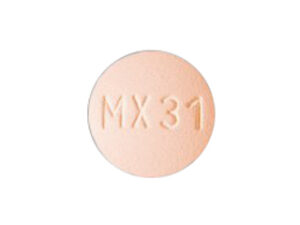
Generics vs brands: Generic escitalopram products contain the same active ingredient (escitalopram) and aim to provide the same therapeutic effect. Differences may exist in excipients (non-active ingredients) and tablet appearance.
Recent Guidance and Monitoring Themes (What Clinicians Typically Emphasise)
While specific recommendations can vary by individual circumstances, UK mental health practice commonly includes:
- Careful monitoring early in treatment for mood changes, agitation, or increased suicidal thoughts (especially in younger adults).
- Individualised dosing (starting low, slow titration) to improve tolerability.
- Checking for interactions with other serotonin-related medicines, bleeding risk agents, and medicines affecting heart rhythm.
- Assessing comorbidities (e.g., bipolar risk, seizure history, liver impairment, heart conditions).
- Clear withdrawal planning when stopping, to reduce discontinuation symptoms.
If you’re starting escitalopram, it may help to ask what monitoring is recommended for your specific situation and when you should have a follow-up review.
Delivery and Availability (Online Pharmacy Information for the UK)
Escitalopram availability can vary by product strength and whether you choose a branded or generic version. In the UK, online pharmacies typically support delivery options that follow legal requirements and supplier availability.
- Stock levels: Some strengths may be more commonly stocked than others.
- Dispatch times: Dispatch depends on order processing and local courier schedules.
- Packaging: Medicines are usually supplied in sealed packaging with patient information included.
- Storage: Store tablets as directed on the packaging (often at room temperature, away from moisture and heat).
If a product is out of stock, reputable pharmacies will normally contact you or provide alternatives consistent with safe supply practices.
FAQ: Escitalopram (UK)
1) How long does escitalopram take to work?
Some people notice early changes within 1–2 weeks, but full benefit commonly takes several weeks (often 4–6 weeks). Your clinician may adjust the dose if needed.
2) Can I take escitalopram with food?
Yes. Escitalopram can usually be taken with or without food. If you feel nauseous, taking it with a light meal may help.
3) What should I do if I miss a dose?
Take it when you remember unless it’s close to the next dose. If it’s almost time for your next dose, skip the missed one. Do not double.
4) Can I drink alcohol while taking escitalopram?
It’s generally advised to avoid alcohol or keep it to very small amounts. Alcohol can worsen anxiety/depression and increase sleepiness or dizziness.
5) Will escitalopram cause weight gain?
Some people experience changes in appetite or weight. It varies between individuals. If you notice significant or rapid weight change, discuss it with your healthcare professional.
6) Are sexual side effects common?
Sexual side effects can occur with SSRIs, including escitalopram. If they happen, don’t stop suddenly—speak to your clinician about possible adjustments or alternatives.
7) What happens if I stop taking escitalopram?
Stopping suddenly can lead to discontinuation symptoms. A gradual taper is usually recommended under clinical guidance.
8) Can escitalopram be used with other medicines?
Many combinations are possible, but some require extra caution—particularly medicines that increase serotonin, raise bleeding risk, or affect heart rhythm. Always check interactions with a pharmacist.
9) Does escitalopram affect driving or machinery?
It can, especially when starting or after dose changes due to dizziness or sleepiness. Until you know how you respond, take extra care and avoid driving if you feel impaired.
10) Is escitalopram safe for everyone?
No medicine is suitable for everyone. Your clinician will consider factors such as age, liver function, heart rhythm risk, other medicines, and history of bipolar disorder or seizures.
When to Seek Urgent Medical Advice
Contact urgent medical services or seek prompt help if you experience:
- Symptoms of severe allergic reaction
- Signs of serotonin syndrome (especially if combined with other serotonergic medicines)
- Severe agitation, confusion, fever, or muscle stiffness
- Uncontrolled bleeding or signs of significant bruising
- Fainting, severe palpitations, or chest pain
- New or worsening suicidal thoughts or extreme behavioural changes
Summary
Escitalopram is a widely used SSRI antidepressant for conditions such as depression and anxiety disorders. It works by increasing serotonin signalling over time. It’s typically taken once daily and is generally well tolerated, but initial side effects can occur as your body adjusts. The key to successful treatment is consistent dosing, patience for gradual improvement, and careful attention to interactions and safety concerns.
If you have questions about how escitalopram fits your situation—such as timing, side effects, or compatibility with other medicines—your pharmacy team can help you find safe, practical guidance.