

Desyrel (Trazodone) – Patient Guide (UK)
Desyrel is a brand of trazodone, a medicine commonly used for the treatment of depressive illness. In the UK, it is also sometimes used to help with sleep difficulties that occur alongside mental health conditions, depending on your individual needs and clinical advice.
This page explains how Desyrel works, how it is typically taken, key safety information, and what to consider with food, alcohol, and other medicines. It is written for general patient information and cannot replace advice from a healthcare professional.
Quick Facts
- Medicine: Desyrel (trazodone)
- What it is used for: Depression (and sometimes sleep-related symptoms when advised)
- How it works: Alters brain serotonin activity and has sedating effects at certain doses
- Typical way to take it: Once daily, often in the evening or at bedtime
- Common side effects: Sleepiness, dizziness, dry mouth, nausea
- Important cautions: Avoid alcohol, be mindful of interactions, watch for unusual mood changes
Basic Product Information
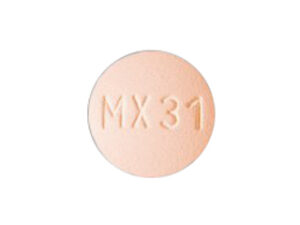
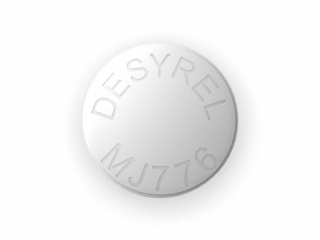
Desyrel contains the active ingredient trazodone. It is available as tablets (strengths may vary depending on product availability).
Marketing authorisation and regulatory status: Desyrel is a prescription-only medicine in the UK. Availability can vary by strength and formulation, and supply may change.
Where it fits: Trazodone is used when a clinician considers it suitable—particularly where a calming or sleep-promoting effect may be beneficial.
How Desyrel Works (Mechanism of Action)
Trazodone is an antidepressant with several actions in the brain. Its effects are often described as a balance between antidepressant and sedative properties.
- Serotonin modulation: Trazodone helps regulate serotonin signalling. It is known to act as an antagonist/inhibitor at certain serotonin receptors (commonly described as 5‑HT2A antagonism) and as a serotonin reuptake inhibitor at sites involved in its antidepressant effect.
- Blocking certain receptors: It has additional receptor activity (including histamine and alpha-adrenergic effects), which can contribute to sleepiness and lower blood pressure in some people.
Why timing matters: Because trazodone can feel sedating for many people, taking it in the evening may help with both mood symptoms and sleep.
Pharmacokinetics (How the Body Handles It)
“Pharmacokinetics” describes what the body does to the medicine—how it is absorbed, distributed, metabolised, and eliminated.
- Absorption: Trazodone is absorbed after oral administration. Absorption may be affected by food, and some people may notice differences in how quickly it begins to work.
- Distribution: It reaches the brain and other tissues, where it exerts its effects.
- Metabolism: Most trazodone is metabolised by the liver (primarily via CYP enzymes). This means liver function and other medicines that influence these enzymes can affect levels.
- Elimination: The metabolites are removed mainly via the kidneys. The duration of effect can vary by person.
Individual variability: Age, liver function, kidney function, other medicines, and smoking (in some cases) can all influence how your body responds.
Typical Uses in the UK
Desyrel is used for:
- Depression: Often when symptoms include poor sleep, anxiety, or restlessness.
- Sleep disturbance associated with mood disorders: Sometimes used off-label or as part of a broader plan where appropriate under clinical guidance.
What it is not for: It is not a fast-acting painkiller or an immediate “sleep tablet.” Although it can cause drowsiness soon after dosing, antidepressant effects typically take time.
When It Starts Working (Timing and Expectations)
Desyrel can affect sleep relatively early for some people, but antidepressant improvement usually takes longer.
- Sleep effects: Some people feel calmer or sleepier on the first few doses.
- Mood improvement: Antidepressant benefit commonly develops over several weeks.
- Consistency: Try to take it as directed and don’t stop suddenly without medical advice.
Practical tip: If you are newly starting, consider planning the first few doses for times when you can safely rest (for example, in the evening before bed), as dizziness and sedation can occur.
How to Take Desyrel (Dosing Information)
Dosing should be individualised. Your prescriber will choose a starting dose and may increase it gradually depending on response and tolerability.
General guidance (not a personal prescription):
- Starting: Often begins at a lower dose to reduce side effects.
- Adjustment: Dose may be increased gradually if needed.
- When to take: Frequently taken in the evening or at bedtime because it can be sedating.
Common dosing patterns: Many patients take it once daily. Some people may be advised to split doses, but this depends on formulation and clinical plan.
Missed dose: If you miss a dose, take it when you remember unless it is close to the time for the next dose. Avoid doubling up.
Stopping: Do not stop abruptly. Withdrawal effects can happen with antidepressant medicines. Your clinician may advise tapering.
Food Interactions and Effects of Meals
Food can influence how your body absorbs and experiences trazodone.
- With or without food: Many people can take trazodone with or without food, but taking it with food may reduce stomach upset for some.
- Absorption timing: Large or heavy meals may affect how quickly it is absorbed, which can influence how sleepy you feel and when.
What to do: Choose the method you can stick to consistently (for example, always with dinner or always on an empty stomach) and mention any persistent nausea or dizziness to your healthcare professional.
Alcohol and Medicine Interactions
Alcohol
Avoid alcohol. Combining Desyrel with alcohol can increase sedation, impair coordination, worsen dizziness, and increase the risk of dangerous side effects.
Why it matters: Both alcohol and trazodone can affect the nervous system. Together they may make you feel overly sleepy or light-headed.
Other medicines that may interact
Interactions can occur through liver enzyme pathways, effects on blood pressure, or effects on heart rhythm. Always check interactions with a pharmacist or healthcare professional, especially if you take more than one medicine.
- Other sedatives: Medicines that cause drowsiness (for example, some antihistamines, sleeping tablets, opioids, anxiety medicines) may increase sleepiness and risk of falls.
- Antidepressants and serotonin-active medicines: Combining multiple medicines that raise serotonin can increase the risk of serotonin-related side effects.
- Medicines affecting heart rhythm: Some drugs can affect the QT interval. When combined with trazodone, this may increase concerns for certain people.
- Liver enzyme influences: Some medicines can change trazodone levels by affecting liver enzymes (CYP). This may either increase side effects or reduce effectiveness.
- Blood pressure medicines: Trazodone can lower blood pressure in some people. Combining with other blood pressure-lowering medicines may increase the risk of dizziness on standing.
Important: Tell your healthcare professional about all medicines you take, including over-the-counter products and herbal remedies (such as St John’s wort).
Indications and Who It May Suit
Desyrel is indicated for depression in adults and may be used where depressive symptoms and sleep disturbance overlap. Suitability depends on your health history and other medicines.
It may be considered particularly in situations such as:
- Depression with difficulty sleeping
- Need for an antidepressant with sedating properties (when appropriate)
- Cases where other options were not suitable or were not effective
Not suitable for everyone: Your clinician will weigh benefits against risks, especially with conditions involving the heart, liver impairment, or a history of certain mood episodes.
Safety Profile: Common and Serious Side Effects
Common side effects
Side effects vary. Many tend to reduce after the first days to weeks as your body adjusts.
- Sleepiness or tiredness
- Dizziness (including when standing up)
- Dry mouth
- Nausea
- Headache
- Blurred vision in some people
- Constipation
- Fatigue
Serious side effects—seek urgent help
Get urgent medical advice if you experience:
- Allergic reaction (swelling of face/lips, breathing difficulty, severe rash)
- Uncontrolled bleeding or unusual bruising
- Severe dizziness, fainting, or symptoms of dangerously low blood pressure
- Symptoms of serotonin syndrome such as high temperature, agitation, confusion, muscle stiffness, heavy sweating, or rapid heartbeat—especially if other serotonin-active medicines are involved
- Mania or hypomania: unusually high energy, reduced need for sleep, racing thoughts, risky behaviour
- Heart-related symptoms: chest pain, fainting, severe palpitations
- Changes in suicidal thoughts or significant worsening of mood
Call emergency services if you think symptoms are life-threatening.
Practical Use Tips (Make Treatment Easier)
- Take it at the same time each day, particularly if you take it in the evening.
- Be cautious when getting up—dizziness can happen. Stand slowly from sitting or lying positions.
- Plan for the first doses: Avoid driving or operating machinery until you know how it affects you.
- Hydrate and care for dry mouth: Sip water regularly; sugar-free sweets or gum can help.
- Don’t mix with alcohol: It increases drowsiness and risk of harm.
- Track changes: If you notice mood changes, sleep pattern changes, or side effects, keep notes to discuss at follow-up.
- Sleep hygiene still matters: A regular bedtime, reduced caffeine late in the day, and a calm routine can improve outcomes.
Alternative Options for Depression and Sleep Difficulties
Depression and sleep problems can be treated in different ways. Alternatives depend on your diagnosis, symptom pattern, and medical history.
Medication alternatives
- Other antidepressants: Depending on your situation, options may include SSRIs, SNRIs, or other classes.
- Sedating antidepressants: Some antidepressants may be chosen for their calming effects.
- Sleep-focused treatments: For insomnia, clinicians may consider short-term sleep aids or other approaches where appropriate.
Non-medicine options (often recommended alongside treatment)
- Talking therapies: Such as CBT (cognitive behavioural therapy) for depression and insomnia.
- Lifestyle support: Regular sleep schedule, physical activity, limiting late caffeine and heavy evening meals.
- Addressing contributing factors: Stress, pain, anxiety, or underlying sleep disorders.
Important: Do not switch medicines suddenly. Your clinician can advise safe transitions and tapering plans.
UK Market and Legal/Regulatory Context
In the United Kingdom, Desyrel (trazodone) is subject to medicines regulation. Key points for patients:
- Prescription-only supply: Desyrel is generally supplied as a prescription-only medicine (POM).
- Quality and safety: Medicines sold in the UK must meet recognised standards for manufacturing quality and labelling.
- Pharmacovigilance: Report suspected side effects through the UK system (via your healthcare professional or directly through patient reporting channels where available).
Recent guidance overview: Mental health medicines are routinely reviewed for safety, including monitoring for side effects such as changes in mood, suicidal thinking in certain age groups, and interaction risks. Your healthcare professional will base decisions on current national and local prescribing practices.
Delivery and Availability (UK)
Availability may vary by tablet strength and local supply conditions. Online pharmacy delivery options typically include standard delivery and tracked delivery services.
- Dispatch times: Orders are usually processed quickly once verified.
- Packaging: Medicines are supplied in tamper-evident packaging with patient information.
- Delivery address: Ensure your delivery details are correct to avoid delays.
- Storage: Keep medicines as directed on the outer carton (commonly at room temperature and away from excess heat and moisture).
Tip: If you need repeat supplies, consider ordering a few days early to reduce the risk of running out.
Desyrel and Driving/Operating Machinery
Desyrel can cause drowsiness or dizziness, especially when starting or if your dose is increased. Until you know how you respond:
- Avoid driving.
- Avoid operating machinery or doing tasks that require full alertness.
- Be extra cautious if you stand up quickly or if you have missed sleep.
If you feel impaired, do not drive.
Frequently Asked Questions (FAQ)
1) What is Desyrel (trazodone) used for?
Desyrel is used to treat depression. It may also be chosen when sleep difficulties are part of the depressive illness, depending on your individual situation and clinical plan.
2) How long does it take to work?
Some people feel sleepier or calmer soon after taking it. Antidepressant improvement generally takes several weeks. If you do not feel any benefit after a reasonable period, your clinician may review the plan.
3) When should I take Desyrel?
Many people take it in the evening or at bedtime due to sedative effects. Follow your healthcare professional’s instructions and keep the timing consistent.
4) Can I take Desyrel with food?
It can often be taken with or without food. Taking it with food may reduce stomach upset for some people. Choose what suits you and remain consistent.
5) Is it safe to drink alcohol?
No. Avoid alcohol because it can significantly increase sedation, dizziness, and the risk of harmful effects when combined with trazodone.
6) What interactions should I worry about?
Tell your healthcare professional about all medicines and supplements you take. Particularly important interactions include other sedatives, serotonin-active medicines, and medicines that affect heart rhythm or liver metabolism.
7) What side effects are common?
Common side effects include sleepiness, dizziness, dry mouth, nausea, headache, constipation, and fatigue. Many improve as your body adjusts.
8) What should I do if I feel very drowsy?
Do not drive. If drowsiness is severe or persistent, contact your healthcare professional. Your dose or timing may need adjustment.
9) Can I stop taking Desyrel suddenly?
It’s usually not recommended to stop abruptly. Withdrawal symptoms can occur. If you want to stop, discuss a gradual reduction plan with your clinician.
10) Are there any warning signs that need urgent attention?
Seek urgent medical advice if you experience allergic reactions, fainting/severe dizziness, symptoms suggestive of serotonin syndrome, signs of mania/hypomania, or significant worsening mood or suicidal thoughts.
Summary Table (At-a-Glance)
| Topic | What to know |
|---|---|
| Medicine | Desyrel contains trazodone |
| Main use | Depression; sometimes sleep-related symptoms in appropriate cases |
| How it works | Modifies serotonin activity; sedating effects via additional receptor actions |
| Timing | Often taken in the evening/at bedtime; antidepressant benefit may take weeks |
| Food | With or without food for many people; heavy meals may affect how quickly it feels |
| Alcohol | Avoid alcohol—can increase sedation and risk |
| Interactions | Be cautious with sedatives, serotonin-active medicines, and heart rhythm medicines |
| Common side effects | Sleepiness, dizziness, dry mouth, nausea |
| Safety | Seek urgent help for severe reactions, serotonin syndrome, mania symptoms, or fainting |
| Driving | Avoid until you know how it affects you |
Remember: If you have concerns about side effects, missed doses, or interactions with other medicines, speak to a healthcare professional or pharmacist. They can help you make adjustments to improve safety and comfort while you recover.