
Propecia (Finasteride) – Patient Information (UK)
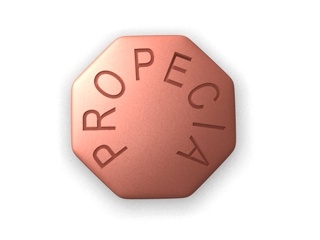
Propecia contains finasteride, a medicine used to treat certain hair loss conditions and, in some circumstances, to manage prostate enlargement. This page explains how Propecia works, how it is used, what to expect, and important safety information for adults in the United Kingdom.
Important: This information is designed to help you understand the medicine. It does not replace advice from a healthcare professional.
1) Basic product information
| Product | Active ingredient | Common strength | Medicine type | Typical target |
|---|---|---|---|---|
| Propecia | Finasteride | 1 mg tablets | 5-alpha-reductase inhibitor | Male-pattern hair loss (androgenetic alopecia) |
Who Propecia is for: In the UK, Propecia 1 mg is commonly used for male-pattern hair loss. It is not intended for women (see Safety section for pregnancy precautions).
Who should avoid it: Children and women who are pregnant or may become pregnant should not handle or take finasteride, because of potential risk to a developing male foetus. Always follow product and professional guidance.
2) How Propecia works (mechanism of action)
Finasteride works by blocking an enzyme called 5-alpha-reductase. This enzyme converts testosterone into dihydrotestosterone (DHT).
- In the scalp, DHT plays a key role in shrinking hair follicles over time in people with genetic hair loss.
- By lowering DHT levels, finasteride can help slow hair thinning, and for some people, it can increase hair growth or improve hair density.
Key point: Propecia does not provide immediate “instant regrowth.” Hair changes typically develop gradually as hair cycles shift.
3) Pharmacokinetics (how your body handles it)
Pharmacokinetics describes absorption, distribution, metabolism, and elimination.
- Absorption: Finasteride is absorbed through the gut and reaches peak levels within a few hours after a dose (exact timing varies between individuals).
- Distribution: It distributes throughout the body, including to tissues where hormone conversion occurs.
- Metabolism: The liver metabolises finasteride via metabolic pathways common to many medicines.
- Elimination: Finasteride and its metabolites are primarily eliminated via urine and faeces.
- Half-life (approximate): Finasteride has a relatively long duration in the body, which supports once-daily dosing.
What this means for you: Consistent daily use is important. If you miss doses, the effect may diminish as DHT gradually rises again.
4) Typical use and what it can achieve
Propecia is primarily used for male-pattern hair loss (androgenetic alopecia). It may:
- Reduce hair loss and help maintain existing hair density.
- Improve hair thickness or regrowth in some men.
- Slow progression of scalp hair thinning over time.
Realistic expectations: Results vary by person. Some people notice changes early; others need longer. Hair follicles and hair cycles take time to respond.
5) Timing: when to start seeing results
Unlike shampoos and topical products, Propecia works on hormonal pathways. Therefore, improvements usually take months.
- First months (0–3 months): You may not see much visible change, though shedding patterns may gradually change.
- Mid-term (3–6 months): Some men notice reduced hair fall or early changes in hair density.
- Longer-term (6–12 months): Many people assess effectiveness at this stage.
- Ongoing use (12+ months): The best view of benefit often comes after prolonged use.
If you stop: Benefits typically lessen over time after discontinuation as DHT levels recover.
6) Indications in the UK
In the UK, finasteride is used for male-pattern hair loss at 1 mg (Propecia). Finasteride is also available in different strengths for other conditions, including benign prostatic hyperplasia (BPH) (typically at higher doses). This page focuses on Propecia 1 mg for hair loss.
Who may be suitable: Men experiencing androgenetic alopecia (commonly described as gradual thinning at the crown and/or temples) may be candidates depending on their overall health and history.
Not intended for: Women (including those who are pregnant or may become pregnant), and children.
7) Dosing and how to take Propecia
Common dosage: Propecia is taken as a 1 mg tablet once daily.
How to take it:
- Take your tablet at the same time each day to maintain steady hormone effect.
- You can take it with or without food (see food interactions below).
- Swallow whole with water. Do not crush or split tablets unless instructed by a healthcare professional.
Missed dose: If you miss a dose, take it when you remember. If it is close to the next scheduled dose, skip the missed dose. Do not take two doses together.
Stop only with advice: If you experience side effects or wish to discontinue, discuss this with a healthcare professional so you can decide the safest next step.
8) Food interactions
Food effect: Finasteride can generally be taken with or without food. Food is not expected to have a clinically significant effect on absorption in most people.
Practical advice: If stomach upset occurs, consider taking Propecia with a light meal.
9) Alcohol and medicine interactions
Alcohol
There is no universally required avoidance of alcohol with finasteride. However:
- Alcohol may worsen side effects in some people (for example, dizziness or mood changes).
- Heavy or frequent alcohol use may affect overall health, including liver function.
Practical tip: If you notice any adverse effects after drinking, reduce intake and discuss with a healthcare professional.
Medicine interactions
Finasteride has a relatively low risk of direct interactions, but it is still important to review your medicines and supplements.
- Hormone-related medicines: Tell your clinician if you take other medications that affect hormones.
- Prostate-related medicines: If you take treatment for prostate problems, let your healthcare team know, because it may influence monitoring and interpretation of certain blood tests (see below).
- Other medicines: If you take anticoagulants, antifungals, antibiotics, seizure medicines, or herbal supplements, do not assume there is no interaction—confirm with a clinician or pharmacist.
Important monitoring note: Finasteride can affect blood test results for prostate-specific antigen (PSA). If you have prostate screening or PSA monitoring, inform the healthcare professional that you are taking finasteride so PSA levels can be interpreted correctly.
10) Safety profile: side effects and warnings
Like all medicines, Propecia can cause side effects. Many people experience no problems, but it’s important to know what to watch for.
Common side effects
- Sexual side effects (may include reduced libido, erectile difficulties, or changes in ejaculation)
- Breast symptoms (tenderness or enlargement)
- Reduced ejaculate volume in some men
Note: These effects, when they occur, may start early in treatment and may resolve in some men with continued use or after stopping. Individual experiences vary.
Less common but serious warnings
- Breast lumps or discharge: Seek medical attention promptly for persistent breast changes.
- Allergic reactions (for example, rash, swelling, or breathing difficulty): Seek urgent care.
- Depression or mood changes: If you notice significant mood symptoms, contact a healthcare professional.
- Male fertility considerations: If you are trying to conceive, discuss risks and benefits with a clinician. Some men have reported changes in semen parameters.
Pregnancy and handling precautions (very important)
Finasteride can be harmful to a developing male foetus. For this reason:
- Women who are pregnant or may become pregnant should not handle crushed or broken tablets.
- The tablets should be kept intact and stored safely.
- If a pregnant person accidentally contacts broken tablets, seek medical advice.
Practical instruction: Keep Propecia out of reach of children and follow storage directions on the pack.
11) Practical use tips for better outcomes
- Be consistent: Take your tablet once daily at the same time to maintain stable effects.
- Give it time: Assess progress over at least 6–12 months.
- Take progress photographs: Monthly or bimonthly photos in the same lighting can help you objectively track change.
- Consider combined approaches: Some people use complementary treatments (such as topical options). Discuss an overall hair loss plan with a healthcare professional.
- Stop if serious side effects occur: If you develop concerning symptoms, contact a clinician promptly.
- Review other health changes: If you have symptoms unrelated to hair loss, don’t assume they’re from the medicine—seek medical advice.
12) Alternative options for male-pattern hair loss
There are multiple treatment pathways for androgenetic alopecia. What works best depends on the pattern and severity of hair loss, preferences, and medical history.
Non-surgical options
- Topical minoxidil (varies by product strength): May improve hair growth in some men.
- Low-level laser therapy devices: Some people use these as an adjunct.
- Scalp care and styling strategies: Useful for comfort and concealment, though they do not target DHT.
Prescription-based options
- Other systemic hair loss therapies may be considered by clinicians in specific cases.
- Specialist review can help decide whether hormonal therapy is appropriate.
Surgical options
- Hair transplant surgery: Can provide long-lasting results for suitable candidates.
Discussion point: Many people combine systemic and topical treatments under professional guidance. Propecia focuses on DHT suppression; topical therapies may focus on stimulating growth.
13) UK market and legal context (overview)
In the United Kingdom, medicines are regulated to support safe use. Finasteride products such as Propecia are subject to UK medicine controls through the Medicines and Healthcare products Regulatory Agency (MHRA) and related frameworks.
- Manufacturers and suppliers must comply with UK drug safety standards and quality requirements.
- Pharmacies must follow legal standards for supplying medicines and patient information.
- Where relevant, medicines may be supplied under appropriate healthcare processes designed to confirm suitability and safety for the individual.
Recent guidance (general): UK healthcare providers typically emphasise:
- Careful screening for suitability and contraindications
- Monitoring and correct interpretation of PSA where applicable
- Clear counselling about sexual side effects and pregnancy precautions
- Time-based expectations for visible hair changes
Always refer to up-to-date advice from trusted clinical sources and your healthcare professional.
14) Delivery and availability in the UK
Availability may vary depending on stock levels and supplier arrangements. Many online pharmacies offer delivery to UK addresses within agreed timelines.
What to expect:
- Ordering: You may need to complete a short suitability check as required by pharmacy regulations.
- Packaging: Medicines are supplied in secure packaging to protect contents during transit.
- Delivery: Delivery timeframes differ by provider; standard and express options may be available.
- Tracking: Some services include dispatch updates or tracking.
Storage at home: Store Propecia as directed on the pack (generally at controlled room temperature, away from moisture and out of reach of children).
15) FAQ
Is Propecia the same as finasteride?
Yes. Propecia is a brand name that contains the active ingredient finasteride. The medicine works by lowering DHT.
How long does it take to see results?
Many people start to notice changes within 3–6 months, with a clearer assessment often at 6–12 months. Hair growth cycles are slow, so early results are not always visible.
What if I stop taking Propecia?
Effects typically diminish after stopping as DHT levels recover. If you stop, the hair benefits you gained may gradually lessen over time.
Can I take Propecia with food?
Yes. Propecia can generally be taken with or without food.
Does Propecia interact with alcohol?
There is no strict universal alcohol prohibition, but heavy drinking may increase the chance of side effects or affect overall health. If you notice any changes in wellbeing, reduce intake and seek advice.
Will Propecia affect my PSA blood test?
Finasteride can influence PSA levels. If you have PSA tests for prostate screening or monitoring, tell your healthcare professional you take finasteride so results can be interpreted correctly.
What side effects should I watch for?
Commonly reported issues include sexual side effects and breast tenderness/enlargement. Seek urgent advice if you develop signs of allergy, significant mood changes, or persistent breast lumps/discharge.
Can women take Propecia?
Propecia is not intended for women. Pregnancy precautions are critical due to the risk to a developing male foetus. Women who are pregnant or may become pregnant should not handle broken or crushed tablets.
Is Propecia suitable for everyone with hair loss?
Not necessarily. The best treatment depends on hair loss type, pattern, age, and medical history. A healthcare professional can help confirm androgenetic alopecia and discuss risks and benefits.
Are there alternatives if Propecia doesn’t suit me?
Yes. Alternatives may include topical treatments such as minoxidil, laser therapy, or in some cases surgical options. Discuss your goals with a professional to choose a safe plan.
How should I store Propecia?
Keep tablets in their original packaging, out of reach of children, and store as directed on the label (away from moisture and heat).
16) When to seek medical advice
Contact a healthcare professional promptly if you experience:
- Signs of allergic reaction (e.g., swelling, rash, breathing difficulty)
- Breast changes that persist or a lump
- Significant mood changes such as persistent low mood
- Any other worrying symptoms you suspect may be related to the medicine
If you have questions about whether Propecia is right for you, speak with a qualified clinician or pharmacist.
Reminder: This page provides general information about Propecia (finasteride) for patients in the UK. For personal advice, always follow guidance from qualified healthcare professionals and the instructions provided with your product.