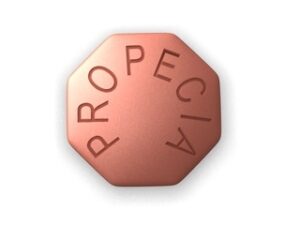
Priligy (Dapoxetine) – Patient Guide (UK)
Priligy contains dapoxetine, a medicine used to treat premature ejaculation (PE) in adult men. This page explains how it works, how to take it, what to expect, and important safety information. It is written to help you understand your treatment and make informed choices.
Always follow the instructions given to you by a healthcare professional. If you have questions about whether Priligy is suitable for you, speak with a clinician or pharmacist.
1. Basic product information
Brand name: Priligy
Active ingredient: Dapoxetine
Uses: Treatment of premature ejaculation in men
Typical form: Tablets (taken by mouth)
Common strengths: 30 mg and 60 mg tablets
Your exact dose may vary depending on your health and how you tolerate the medicine.
2. What is premature ejaculation?
Premature ejaculation is a condition where ejaculation happens earlier than desired, often causing distress for you and/or your partner. PE can be lifelong (always present) or acquired (starts later).
Priligy is designed to help you gain better control so you can delay ejaculation and improve sexual satisfaction.
3. Mechanism of action (how Priligy works)
Dapoxetine is a selective serotonin reuptake inhibitor (SSRI). It increases the activity of serotonin in the brain. Serotonin influences sexual function and can help improve ejaculatory control.
In simple terms: Priligy helps “reduce the reflex” that leads to ejaculation happening too quickly by affecting serotonin pathways involved in sexual response.
4. Pharmacokinetics (how the body handles dapoxetine)
Pharmacokinetics describes how the medicine is absorbed, distributed, metabolised, and eliminated. Key points include:
- Absorption: Dapoxetine is absorbed after oral dosing.
- Time to peak levels: The medicine reaches its highest concentration in the bloodstream after a few hours.
- Metabolism: It is primarily metabolised by the liver (notably via CYP enzymes).
- Excretion: Metabolites are eliminated mainly through urine and faeces.
- Half-life: The drug is cleared from the body over several hours, supporting its “on-demand” use.
These properties support taking Priligy shortly before sex, rather than daily.
5. Typical use in the UK
Priligy is used for on-demand treatment of premature ejaculation in adult men. Many people take it when planning sexual activity.
Important: Your clinician may recommend a specific plan for dose initiation and adjustment.
6. Indications (when Priligy is used)
Priligy is indicated for the symptomatic treatment of premature ejaculation in adult men.
It is intended for men who experience PE that causes distress and affects sexual satisfaction.
7. Dosing guidance (how to take Priligy safely)
Starting dose and maximum frequency
Common starting regimens (as used in clinical practice) include lower and then higher doses depending on response and tolerability.
- Initial dose: Often 30 mg, taken before sexual activity.
- Possible adjustment: If well tolerated and needed, dose may be increased to 60 mg.
- Frequency limit: Do not take more often than recommended by your healthcare professional. Many regimens limit dosing to a maximum number of times per day/week.
Follow your local instructions: UK product information specifies dosing intervals and dose adjustments. Do not exceed the maximum daily frequency.
How to take it (timing)
Timing matters because dapoxetine is intended to act around the time of sexual activity.
- Take on an “as needed” basis before sex.
- Typical timing: Many people take it approximately 1 to 3 hours before sex, choosing the time that works best for them.
- Consistency: If you need to refine timing, do so gradually and carefully.
Missed dose
Priligy is taken before planned sexual activity. If you don’t take it before sex, you generally should not take it later “just to have a dose.” Seek advice from your healthcare professional for your situation.
8. Food interactions and what to eat
Food can influence how quickly a medicine is absorbed. With dapoxetine, taking it with meals may alter timing of effects.
- General approach: If you notice delayed or reduced effect, consider taking it with consistent timing relative to meals.
- Practical tip: If you take it on an empty stomach and experience stronger or faster effects, you may consider taking it with food next time—or vice versa—depending on how you tolerate it.
Avoid making major changes without considering side effects such as dizziness or nausea.
9. Alcohol interactions
Drinking alcohol can increase the risk of side effects such as dizziness, lightheadedness, and fainting, particularly when combined with medicines that affect serotonin pathways and the nervous system.
- Best practice: Limit or avoid alcohol when planning to take Priligy.
- Extra caution: If you do drink, keep it small and allow enough time for alcohol levels to decrease.
- Do not drive or operate machinery if you feel dizzy or unwell.
10. Medicine interactions (important)
Dapoxetine can interact with other medicines, potentially increasing side effects or changing how well it works. Some combinations should be avoided.
Do not combine (or seek urgent medical advice if you are)
Certain medicines and interactions are considered high risk because they may increase serotonin effects or change dapoxetine levels. Examples include:
- Monoamine oxidase inhibitors (MAOIs)
- Other SSRIs or SNRIs (depending on which and your regimen)
- Serotonin-modulating medicines such as certain migraine treatments (e.g., triptans) or medicines that increase serotonin
- Strong inhibitors of liver enzymes that can raise dapoxetine levels
- Medicines that affect blood pressure or increase dizziness risk may require extra caution
This is not an exhaustive list. Always provide your pharmacist/clinician with a full list of medicines, including over-the-counter products and herbal remedies (such as St John’s wort).
Alpha-blockers and blood pressure medicines
If you take medicines for prostate symptoms or high blood pressure (including alpha-blockers), discuss this with a healthcare professional. Both dapoxetine and alpha-blockers can contribute to dizziness or changes in blood pressure in some people.
Other relevant counselling
- Do not start new antidepressants without advice if you’re using Priligy.
- Check migraine and other “serotonin-related” medicines for interactions.
- Report unusual symptoms promptly—especially if symptoms include agitation, confusion, sweating, tremor, or diarrhoea.
11. Safety profile (side effects and who should be careful)
Common side effects
Like all medicines, Priligy can cause side effects. The most commonly reported include:
- Nausea
- Dizziness
- Headache
- Diarrhoea
- Sleep disturbances or fatigue (in some people)
These effects are often dose-related and may lessen as you find the right regimen.
Serious side effects – get urgent help
Seek urgent medical advice if you experience signs of a serious reaction, such as:
- Fainting or severe dizziness
- Fast or irregular heartbeat with weakness or collapse
- Symptoms suggestive of serotonin syndrome (e.g., fever, agitation, confusion, sweating, tremor, severe diarrhoea)
- Severe allergic reaction (swelling of face/lips, difficulty breathing, widespread rash)
Who should not use Priligy (UK product considerations)
Priligy may not be suitable if you have certain medical conditions or are taking specific medicines. Examples of situations requiring medical review include:
- Moderate to severe liver problems
- Severe kidney problems (depending on severity and clinician assessment)
- Heart rhythm problems or clinically significant cardiovascular disease
- History of fainting or frequent low blood pressure
- Taking medicines with high interaction potential
- Use of certain antidepressants or serotonergic drugs
If you are unsure whether a condition or medicine applies to you, ask a clinician or pharmacist.
12. Practical use tips (to get the best outcome)
Start with the plan you’re given
- Begin at the recommended dose and frequency.
- If side effects occur, contact a professional rather than doubling or skipping randomly.
- Give the medicine some time: PE improvement can be gradual and may require fine-tuning of timing.
Timing and “trial runs”
- Many people learn their ideal timing through experience (e.g., 1 hour vs 2–3 hours before).
- Keep conditions similar during trials: meal size, rest, and stress level.
- Avoid making multiple changes at once (e.g., dose and timing and alcohol).
Managing nerves and stress
Performance anxiety can worsen PE. Combining medication with stress-reduction strategies and communication with your partner may improve overall results.
Be cautious with drowsiness/dizziness
- If you feel lightheaded, sit or lie down until it passes.
- Avoid driving or risky activities if you feel affected.
13. Alternative options for premature ejaculation
Treatment for PE can include behavioural strategies, topical options, and other medications. The best approach depends on your specific type of PE, health history, and preferences.
Non-medicine options
- Psychosexual therapy (including counselling and techniques to reduce anxiety)
- Behavioural exercises such as “start-stop” techniques
- Pelvic floor training and relaxation methods
Medicine alternatives
- Topical anaesthetics (e.g., lidocaine/prilocaine) – applied to reduce sensitivity
- Other oral antidepressants used off-label in some countries for PE (availability and suitability vary)
Discuss the options with a clinician or pharmacist to find the safest and most suitable choice for you.
14. UK market and legal context (overview)
In the United Kingdom, medicines are regulated under the UK medicines framework. Dapoxetine is marketed as a treatment for premature ejaculation and is supplied through regulated channels. Access may be subject to clinical assessment, local guidance, and pharmacy procedures to ensure safe use.
Online pharmacies in the UK must follow relevant requirements on medicines supply, patient safety checks, and appropriate information provision.
Recent guidance considerations
Guidance for PE care in the UK commonly emphasises:
- Confirming the diagnosis and type of PE
- Assessing medical history (including cardiovascular and liver health)
- Reviewing potential drug interactions
- Offering a safe starting dose and monitoring tolerability
- Considering behavioural and psychological support where helpful
Specific recommendations can change over time, so it’s important to follow current advice from healthcare professionals.
15. Delivery and availability (UK online pharmacy)
Availability can vary by strength and pack size. Many UK online pharmacies offer standard delivery options. Shipping times depend on your location and courier service.
What to expect when ordering online
- Product information: Clear details on strength and dosing instructions.
- Packaging: Usually in manufacturer or pharmacy-approved packaging.
- Delivery: Typically tracked delivery where available.
- Stock status: Some strengths may be temporarily unavailable.
If you need a specific strength (30 mg vs 60 mg), check current stock before placing an order.
16. Frequently Asked Questions (FAQ)
How long before sex should I take Priligy?
Many people take dapoxetine about 1 to 3 hours before sex. The exact best timing can differ between individuals. Follow your healthcare professional’s instructions and adjust timing cautiously if needed.
Can I take Priligy every day?
Priligy is generally used on-demand before planned sexual activity, not as a daily daily treatment. Do not exceed the recommended maximum frequency. Your clinician will advise the safest regimen for you.
What if I drink alcohol?
Alcohol can increase dizziness and fainting risk. For safety, limit alcohol or avoid it on the day you take Priligy.
Will it work immediately?
Some people notice improvement during early uses, while others may need a few attempts and timing adjustments. If you don’t see benefit, consult a healthcare professional rather than increasing the dose yourself.
Are there diet restrictions?
No specific foods are universally prohibited, but meals may influence how quickly the medicine acts. If you notice changes in effect, try taking it at a similar time relative to meals each time.
Can I use Priligy with other antidepressants?
Combining dapoxetine with certain antidepressants or serotonergic medicines can increase the risk of serious side effects. Check all medicines with a pharmacist or clinician before use.
What side effects are most common?
The most common include nausea, dizziness, and headache. If side effects are severe or persistent, seek medical advice.
What should I do if I feel faint or very dizzy?
Stop what you’re doing and sit or lie down. Seek urgent medical attention if you faint, have chest pain, severe palpitations, or other concerning symptoms.
Is Priligy suitable for everyone?
Not for everyone. Suitability depends on your medical history, liver and heart status, blood pressure, and current medicines. If you’re unsure, talk to a clinician or pharmacist.
Are there alternatives if Priligy doesn’t suit me?
Yes. Options may include topical treatments, behavioural strategies, and other medical approaches. A healthcare professional can help decide what’s best for you.
17. Key takeaways
- Priligy (dapoxetine) is used for symptomatic premature ejaculation in adult men.
- It works by increasing serotonin activity, helping improve ejaculatory control.
- Take it before planned sex, typically 1–3 hours in advance.
- Alcohol and drug interactions can increase risk of side effects—check carefully.
- If you experience severe dizziness, fainting, allergic reaction, or signs of serotonin syndrome, seek urgent medical help.
This information is intended to support understanding and safe use. It does not replace personalised medical advice. If you have any doubts about interactions, dosing, or side effects, speak to a healthcare professional.