Bicalutamide (UK) – Patient-Friendly Medicine Information
Bicalutamide is a medicine used to treat certain hormone-sensitive cancers, most commonly prostate cancer. It works by blocking the action of testosterone on prostate cancer cells, helping slow tumour growth and, in some cases, delay disease progression.
This page explains how bicalutamide works, how it is used, what to expect, common safety considerations, and practical tips for taking it. It also includes information relevant to the United Kingdom (UK), including delivery and availability considerations for pharmacy services.
| Product at a glance | Details |
|---|---|
| Active ingredient | Bicalutamide |
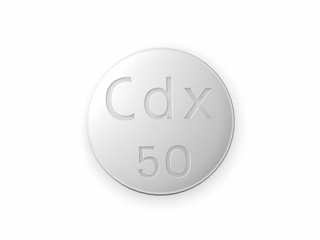
| Common strength | Often supplied as 50 mg or 150 mg tablets (brand and pack may vary) |
| Medicine type | Anti-androgen (androgen receptor blocker) |
| Typical use | Hormone-sensitive prostate cancer; may be combined with other treatments |
| How it is taken | Oral tablets, usually once daily |
| Key points | Can affect liver function; discuss medicines interactions (especially warfarin) |
What is Bicalutamide?
Bicalutamide belongs to a class of medicines called anti-androgens. It reduces the effect of androgens (male sex hormones), particularly testosterone, on cancer cells by blocking androgen receptors.
It is used in the management of prostate cancer in specific situations—either as part of hormone therapy alone or combined with other treatments, depending on the stage and risk category of the disease.
Mechanism of action (how it works)
Prostate cancer cells often rely on androgens to grow. Bicalutamide works by attaching to the androgen receptor in cells. When bicalutamide occupies this receptor, testosterone and similar hormones cannot stimulate the cancer cells effectively.
In practical terms, this can lead to:
- Slower tumour growth in hormone-sensitive disease
- Lower levels of androgen-driven activity inside the cancer cells
- Possible reduction in symptoms related to advanced disease
Pharmacokinetics (absorption, distribution, and breakdown)
Understanding how bicalutamide moves through the body can help with consistent dosing and expectations about onset and duration.
- Absorption: Bicalutamide is absorbed after oral administration. Tablets are swallowed and absorbed through the digestive tract.
- Distribution: It distributes throughout the body. It binds extensively to proteins in blood.
- Metabolism: The medicine is metabolised primarily in the liver (mainly via CYP pathways).
- Elimination: Bicalutamide and its metabolites are eliminated over time, including via the kidneys and bile/faeces.
- Half-life: Bicalutamide has a relatively long half-life, which supports once-daily dosing and contributes to continued effects even if a dose is missed.
Because metabolism involves the liver, liver health matters. Some people require closer monitoring.
Typical use in the UK
In the UK, bicalutamide is used for prostate cancer management, including:
- Locally advanced disease (often combined with other hormone strategies)
- Metastatic or advanced hormone-sensitive prostate cancer in certain regimens
- As part of combined androgen blockade approaches, depending on overall treatment plan
The exact regimen can vary according to patient factors such as age, other medical conditions, tumour stage, PSA levels, and overall risk category.
How and when to take bicalutamide (timing)
Bicalutamide is usually taken once daily as an oral tablet. Many patients find it easiest to take it at the same time each day to maintain consistent levels.
Practical timing tips
- Choose a consistent time (e.g., after breakfast or in the evening).
- Swallow whole with water; follow your tablet pack instructions.
- If you miss a dose, take it when you remember on the same day unless it is close to the next dose. If it’s close, skip and continue with the next scheduled dose.
- Do not double up to “catch up”.
Can you take bicalutamide with food?
Bicalutamide can generally be taken with or without food. For many people, taking it with a meal helps with comfort if they experience mild stomach upset.
There are no common dietary restrictions that apply to everyone, but if your healthcare professional or the tablet pack provides specific instructions, follow those.
Alcohol and bicalutamide interactions
Alcohol does not have a single guaranteed “absolute” interaction with bicalutamide for every person, but there are practical reasons to be cautious:
- Liver considerations: Bicalutamide can affect liver function. Heavy or regular alcohol intake may also strain the liver. Reducing alcohol is often advisable.
- Side effects: Alcohol can worsen symptoms such as fatigue or dizziness in some patients.
If you want to drink alcohol, it’s best to discuss what is appropriate for you—especially if you have any history of liver disease, hepatitis, abnormal liver blood tests, or other liver-stressing medicines.
Medicine interactions (important)
Bicalutamide can interact with other medicines because it is metabolised in the liver and can influence drug levels. Always provide your full medicine list to your pharmacist or prescriber.
Commonly discussed interactions
- Warfarin and other anticoagulants: Bicalutamide may increase the effect of warfarin, raising bleeding risk. If you take warfarin, you may need more frequent blood tests (INR).
- Medicines that affect liver enzymes: Drugs that strongly inhibit or induce liver pathways may alter bicalutamide levels.
- Other anti-androgens or hormone therapies: Interactions depend on the overall treatment plan.
- Strong CYP inhibitors/inducers: These may affect metabolism. Your pharmacist can check specific options.
What to do
- Keep an up-to-date list of all medicines, including herbal products and supplements.
- Ask your pharmacist about compatibility with new medications, including short courses.
- Stop and seek urgent advice if you develop signs of bleeding, severe bruising, or unusual symptoms.
Indications: what it is used for
Bicalutamide is indicated for the treatment of prostate cancer in certain clinical circumstances. The exact indication and regimen can depend on disease stage and whether it is used with other therapies.
In general, it is considered when androgen suppression is needed, and bicalutamide’s role is to block androgen receptors in prostate cancer cells.
Dosing: what dose is usually used
The dose of bicalutamide depends on the specific treatment plan and tablet strength provided. In many settings, bicalutamide is taken once daily.
Common dosing patterns include:
- 50 mg once daily in some regimens
- 150 mg once daily in some other regimens
Do not switch strengths or adjust the dose without clinical guidance. Your pharmacist and treatment plan will specify the correct strength and duration.
Duration of treatment
Treatment duration may be long-term and depends on response, disease stage, and whether combined therapies are used. Even if symptoms improve, it is important to continue as directed by your overall treatment plan.
Safety profile: side effects and when to seek help
Like all medicines, bicalutamide can cause side effects. Many are manageable, but some require prompt medical attention. Below is an overview of common and important risks.
Common side effects
- Hot flushes (flushes of heat)
- Breast tenderness or breast enlargement (gynaecomastia)
- Decreased libido (reduced sex drive)
- Erectile dysfunction
- Fatigue or reduced energy
- Reduced physical strength or decreased exercise tolerance
Other possible side effects
- Gastrointestinal effects: nausea, stomach upset
- Skin changes: rash or dry skin (less commonly)
- Metabolic changes: weight changes may occur
- Depression or mood changes: not common for every person, but important to monitor
Liver safety: a key consideration
Bicalutamide can rarely cause serious liver injury. Symptoms of liver problems include:
- Yellowing of the skin or eyes (jaundice)
- Dark urine
- Unusual tiredness
- Persistent nausea or vomiting
- Right upper abdominal pain
If you develop signs of liver problems, seek medical advice urgently. Blood tests for liver function may be done depending on your situation.
Seek urgent help for serious reactions
Contact urgent care or emergency services if you experience signs of an allergic reaction (such as swelling of the face/lips, difficulty breathing, or widespread rash).
Practical use tips (getting the best results)
Many patients find that small routine changes improve day-to-day experience with bicalutamide. Consider the following tips:
- Monitor symptoms: keep track of hot flush frequency, fatigue levels, mood changes, and any breast tenderness.
- Healthy lifestyle: regular gentle exercise (as tolerated) and a balanced diet may help with fatigue and weight changes.
- Manage hot flushes: dressing in layers, staying cool, and avoiding triggers such as spicy foods can help some people.
- Skin care: moisturising can help if dryness occurs.
- Follow monitoring schedules: attend any planned blood tests, particularly liver function tests.
- Review medicines regularly: drug lists can change; ask your pharmacist to check new medicines and over-the-counter products.
What to do if you’re concerned about side effects
If side effects are troublesome, do not stop bicalutamide on your own. Speak to your pharmacist or treating team. Depending on the symptom, changes in supportive care (e.g., treatments for hot flushes or mood) may be possible.
Alternative options
Treatment for prostate cancer often involves a range of options, and the best choice depends on your diagnosis and overall health. Alternatives may include:
- Other anti-androgens (different receptor blockers)
- Gonadotropin-releasing hormone (GnRH) therapies that lower testosterone production
- Combined androgen deprivation strategies (varies by stage and risk)
- Other cancer treatments such as radiotherapy, chemotherapy, or newer agents, depending on the case
Your healthcare team can advise on the most appropriate option. If you are exploring alternatives, ask about expected benefits, timelines, and side-effect profiles so you can make an informed decision.
Market and legal context for the UK
In the UK, medicines are regulated through the Medicines and Healthcare products Regulatory Agency (MHRA). Bicalutamide is an established prescription-only medicine in the UK for the indications described, and it must be supplied in line with applicable pharmacy and regulatory requirements.
Guidance for prostate cancer management is updated over time through national and professional bodies, and treatment decisions are typically made by specialist teams based on evidence, patient circumstances, and risk assessment.
Recent guidance and clinical updates (high level)
Prostate cancer treatment is an evolving field. Over recent years, UK clinical practice has emphasised:
- Personalised treatment approaches by risk category and disease stage
- Use of systemic therapy in carefully defined scenarios to improve outcomes while balancing tolerability and quality of life
- Monitoring of side effects, including metabolic and cardiovascular risk in long-term androgen deprivation strategies
- Shared decision-making, where patients and clinicians discuss benefits, harms, and preferences
Specific regimen choices involving bicalutamide can vary. Always refer to the plan recommended by your treating team and the most current local clinical guidance.
Delivery and availability in the UK
Online pharmacy services in the UK typically require compliance with identification and medication-supply checks. Availability can vary depending on:
- Tablet strength and pack size
- Supplier stock levels
- Local distribution and delivery routes
When ordering, check:
- The exact strength and form you need (e.g., 50 mg vs 150 mg)
- Delivery timeframes shown at checkout
- Packaging and cold-chain requirements (typically none for tablets, but always follow the pack)
- Returns policy in case of supply issues or damaged packs
If a product is temporarily out of stock, some pharmacies may provide alternatives such as different brand equivalents or an option to be notified when it returns. Ask customer support what’s available.
FAQ about bicalutamide
1) How long does it take for bicalutamide to work?
Many people notice measurable changes in prostate cancer markers over weeks to months. The time course can vary depending on the stage of disease and whether bicalutamide is used alone or with other treatments. Your clinical team will advise what to expect and when monitoring (such as PSA tests) is planned.
2) Can I stop bicalutamide if I feel better?
Do not stop or change your dose without speaking to your treating team. Hormone-sensitive prostate cancer can respond initially, but stopping treatment may allow disease to progress.
3) What should I do if I miss a dose?
Take it when you remember on the same day unless it’s almost time for your next dose. If it is close to the next dose, skip the missed dose and continue normally. Do not take double the dose.
4) Is bicalutamide safe with other medications?
Interactions are possible. Tell your pharmacist about all medicines you take, including anticoagulants like warfarin, medicines for heart conditions, pain relief, and herbal or supplement products. Your pharmacist can check for specific interaction risks.
5) Can I drink alcohol while taking bicalutamide?
Occasional moderate alcohol may be acceptable for some people, but caution is advised because bicalutamide may affect liver function. If you have liver problems or drink heavily, speak with your clinician or pharmacist for personalised advice.
6) Does bicalutamide affect driving or operating machinery?
Some patients may feel fatigue or experience general weakness. If you feel dizzy, unusually tired, or unwell, avoid driving or operating machinery until you feel safe again.
7) Will bicalutamide affect fertility or sexual function?
Bicalutamide can reduce testosterone-driven activity, which may affect libido and erectile function. Fertility may also be affected. These effects can be distressing—if you’re concerned, discuss supportive options with your healthcare team.
8) What monitoring might be needed?
Your clinician may monitor prostate cancer response (such as PSA levels) and may also check blood tests, including liver function, especially in those at higher risk.
9) Are there any foods to avoid?
There are no universal dietary restrictions, and bicalutamide can often be taken with food. If you have specific dietary guidance from your healthcare team (for example, for weight management or diabetes), follow that plan.
10) What if I develop symptoms of liver problems?
If you notice jaundice (yellow skin/eyes), dark urine, persistent nausea/vomiting, or right upper abdominal pain, contact medical help urgently. Liver side effects are uncommon but important to recognise early.
Summary
Bicalutamide is an anti-androgen medicine used to treat certain cases of prostate cancer by blocking the action of testosterone on cancer cells. It is usually taken once daily, with or without food, and benefits are monitored over time through clinical follow-up and blood tests.
As with all medicines, it’s important to be aware of potential side effects—particularly possible liver-related symptoms— and to discuss drug interactions, including anticoagulants such as warfarin and other liver-influencing medicines.
If you have questions about bicalutamide suitability, side effects, or how to take it safely alongside your other treatments, speak with a qualified healthcare professional or pharmacist.