

Hydrea (Hydroxyurea) – Patient Information (UK)
Hydrea contains hydroxyurea, a medicine used to treat several serious blood disorders and certain cancers. This guide explains what Hydrea is, how it works, how it is taken, key safety information, and practical tips for everyday use.
This information is written for people in the United Kingdom and is designed to be patient-friendly. It does not replace advice from your healthcare team.
1) Basic product information
- Active ingredient: Hydroxyurea
- Brand name: Hydrea
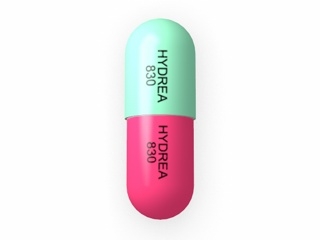
- Medicinal form: Oral capsules/tablets (depending on the specific product strength/pack)
- ATC code (general): L01XX05 (antineoplastic and immunomodulating agents; hydroxyurea)
- How it works: Reduces abnormal blood cell production and, in some settings, helps control tumour cell growth
Your pack may specify the strength (for example, 500 mg or other strengths). Always check the exact strength on your label.
2) How Hydrea works (mechanism of action)
Hydroxyurea works by interfering with how cells make DNA. Many fast-growing cells (including certain cancer cells and overactive bone-marrow cells) rely on DNA replication to multiply.
A key target is an enzyme called ribonucleotide reductase. By affecting DNA building blocks, hydroxyurea helps:
- Slow or stop cell division in certain rapidly dividing cells
- Reduce excess production of blood cells in diseases such as polycythaemia vera and essential thrombocythaemia
- Help control disease-related symptoms and blood counts over time
- In some settings, contribute to immune-modulating effects
In simple terms: it “calms down” overactive or fast-growing cells by affecting DNA production.
3) Pharmacokinetics (how your body handles Hydrea)
Pharmacokinetics describes what happens to a medicine after you take it—how it is absorbed, distributed, metabolised, and eliminated.
- Absorption: Hydroxyurea is absorbed after oral dosing.
- Distribution: It reaches target tissues including bone marrow.
- Metabolism: It is metabolised mainly in the liver via pathways including formation of metabolites such as hydroxyurea-derived species.
- Elimination: Hydroxyurea and its metabolites are cleared from the body primarily through the kidneys.
- Half-life: The apparent half-life can vary between individuals and may influence dosing schedules.
Your clinician may adjust dose based on blood results and kidney function, because clearance can be reduced in kidney impairment.
4) What Hydrea is used for (typical use and indications in the UK)
Hydrea is used by specialists to treat certain conditions involving bone marrow and blood cell production. The exact indication you are prescribed depends on your diagnosis and blood counts.
Common clinical uses include:
-
Myeloproliferative neoplasms (MPNs), particularly:
- Polycythaemia vera (often to help control increased red blood cells and reduce clot risk)
- Essential thrombocythaemia (to control high platelet counts and reduce complications)
- Chronic myeloid disorders in selected situations (depending on regional guidance and specialist assessment)
- Sickle cell disease (in specific circumstances) (hydroxyurea may increase fetal haemoglobin in some patients, reducing complications)
Your prescriber may mention monitoring plans such as regular full blood counts, kidney and liver tests, and dose adjustments to achieve safe targets.
5) Timing – when to take Hydrea
Follow the schedule provided with your treatment plan. Hydrea is usually taken once daily or as directed. Some protocols use daily dosing; others may adjust based on your blood counts.
- Try to take it at the same time each day to maintain consistency.
- If you take it once daily, choose a time that fits your routine.
- Keep track of dose changes: dose may be adjusted depending on blood results.
What if you miss a dose? If you miss a dose, take advice from your healthcare team or pharmacist. Do not double up unless specifically instructed.
6) How to take Hydrea – general dosing principles
Dosing varies by condition, blood counts, kidney function, and treatment history. A specialist team typically determines the initial dose and then adjusts it.
Typical approach to dosing
- Start dose is usually based on your diagnosis and baseline blood tests.
- Regular monitoring of blood counts guides whether your dose should be reduced, continued, or temporarily paused.
- Adjust gradually to achieve the intended effect while avoiding excessive bone-marrow suppression.
Dose adjustments and monitoring
Hydroxyurea can suppress bone marrow, so your doctor commonly checks:
- Full blood count (haemoglobin, white blood cells, neutrophils, platelets)
- Depending on your situation: kidney function (creatinine/eGFR) and liver function
If counts drop too far, treatment may be paused or reduced. This is a normal part of safe hydroxyurea therapy.
7) Food interactions – can you take Hydrea with meals?
For most people, hydroxyurea can be taken with or without food. However, consistent timing and routine may help you avoid missed doses.
If your pharmacist or clinician has given specific instructions for your product or condition, follow those instructions.
- General advice: Take it at the same time daily; you may choose to take it with food if it helps avoid stomach upset.
- Do not change your diet drastically (for example, very high alcohol or supplements) without checking first.
If you have nausea or stomach discomfort, speak to your healthcare team for guidance on supportive measures.
8) Alcohol and medicine interactions
Alcohol
There is no single universal rule for everyone, but alcohol can increase stress on the liver and worsen general side effects like nausea and fatigue.
- If you drink alcohol, aim for moderation.
- Avoid heavy drinking, especially if you have liver disease or significant blood count problems.
- If you notice symptoms such as unusual bruising, persistent sore throat, fever, or severe tiredness after alcohol intake, seek medical advice promptly.
Important medicine interactions
Hydroxyurea may interact with other medicines that affect the bone marrow or the immune system. Interaction risk can also depend on kidney function.
Tell your healthcare team about all medicines you take, including:
- Other chemotherapy or anticancer treatments
- Medicines that reduce immunity (immunosuppressants)
- Warfarin or other blood-thinning medicines (monitoring may be needed)
- Some medicines affecting blood counts
- Over-the-counter products and herbal remedies
If you are starting or stopping any medicine, check with a pharmacist for advice specific to you.
9) Safety profile – what to watch for
Hydrea can be very effective, but it also carries risks. The most important are related to bone-marrow suppression and potential effects on skin and lungs in certain circumstances.
Common or expected side effects
- Low blood counts (anaemia, neutropenia, thrombocytopenia) – detected through blood tests
- Tiredness or weakness
- Stomach upset (nausea), loss of appetite
- Mouth ulcers or soreness
- Skin changes including darkening of nails or skin, dryness, or irritation
Serious side effects – get urgent medical advice
Contact your urgent care service or seek urgent medical help if you experience:
- Fever, chills, or signs of infection (because low white blood cells can raise infection risk)
- Severe sore throat or mouth ulcers that worsen
- Unusual bruising, bleeding gums, black stools, or blood in urine
- Shortness of breath or persistent cough (rare but important lung-related concerns can occur)
- Severe allergic reactions (swelling of face/lips, difficulty breathing, widespread rash)
Skin and sun protection
Some people taking hydroxyurea develop increased sensitivity or skin changes. Sun protection is strongly recommended.
- Use high-factor sunscreen
- Wear protective clothing
- Avoid prolonged sun exposure and tanning beds
10) Practical use tips (day-to-day guidance)
- Attend blood test appointments and keep a note of results; dose adjustments often depend on these.
- Report symptoms early: infections, mouth ulcers, bleeding, or unusual fatigue should not be ignored.
- Stay hydrated unless you have been told to restrict fluids.
- Maintain good oral hygiene to reduce mouth soreness; ask about suitable mouth rinses if needed.
- Use gloves or handle carefully if instructed: follow local instructions for your specific capsule/tablet. If you have difficulty handling tablets, ask your pharmacist.
- Plan pregnancy prevention and discuss family planning early (see below).
Pregnancy, breastfeeding, and contraception
Hydroxyurea may harm an unborn baby. If you could become pregnant or father a child, discuss contraception and timing with your healthcare team before starting treatment and during use.
Breastfeeding decisions should be discussed with your healthcare team because hydroxyurea can pass into breast milk and may pose risks.
11) Special considerations
Kidney or liver impairment
Because hydroxyurea is cleared partly through the kidneys, dose adjustments may be needed if kidney function is reduced. Inform your prescriber of any kidney problems or recent lab changes.
Older adults
Older adults may be more sensitive to bone-marrow suppression and infections. Close monitoring and careful dose adjustments are common.
Driving and operating machinery
Hydrea itself is not typically known for causing driving-related impairment, but fatigue can occur. If you feel drowsy or unwell, avoid driving or operating machinery.
12) Alternative options (depending on condition)
Alternative treatments depend strongly on your diagnosis (for example, polycythaemia vera, essential thrombocythaemia, or sickle cell disease) and your medical history. Your specialist may consider other options such as:
- For myeloproliferative neoplasms:
- Other cytoreductive therapies (e.g., treatments used to reduce blood counts)
- Supportive therapies tailored to clot risk and symptoms
- For sickle cell disease (where applicable):
- Other disease-modifying options
- Supportive measures to reduce complications
- For symptom control: treatments for anaemia, clot prevention, or pain management may be considered alongside or instead of cytoreduction, depending on your case.
Discuss alternatives with your healthcare team. The “best” option depends on expected benefits, monitoring requirements, and side-effect risks for your specific situation.
13) UK market and legal context (availability and responsible use)
Hydrea is an established medicine used under specialist care. In the UK, medicines are regulated and supplied according to national medicines legislation and professional guidance.
Your healthcare team and pharmacist will advise on safe storage, handling, and monitoring. If you have a question about your specific product strength, batch information, or supply status, ask your pharmacist.
Recent UK guidance (high-level)
In the UK, clinical practice for conditions treated with hydroxyurea typically emphasises:
- Regular blood count monitoring to reduce risk from bone-marrow suppression
- Individualised dose adjustments based on response and toxicity
- Infection prevention awareness and early treatment of suspected infections
- Cardiovascular and clot risk management where relevant (especially for MPNs)
- Patient education on symptoms requiring urgent assessment
Your clinician may also follow updated national and specialist society recommendations relevant to your condition.
14) Delivery and availability (online pharmacy in the UK)
Availability can vary depending on strength, pack size, and supply conditions. Many online pharmacies offer ordering with delivery options across the UK subject to stock status.
- Check stock availability before placing an order.
- Delivery timing: depends on your location and courier schedules.
- Temperature/exposure: follow storage instructions on the pack (typically store at controlled room temperature, away from moisture and direct heat).
- Package handling: keep medicines out of reach of children.
If you need urgent treatment continuity, contact the pharmacy support team to discuss options if a product is temporarily out of stock.
15) Frequently asked questions (FAQ)
Is Hydrea the same as hydroxyurea?
Hydrea is a brand name containing the active ingredient hydroxyurea.
How long does it take to work?
This depends on the condition being treated. Blood count changes and symptom improvement may occur over days to weeks, while the full benefit can take longer. Your specialist will monitor your response using blood tests and clinical assessments.
What blood tests will I need?
Usually full blood counts at regular intervals. Depending on your situation, kidney and liver tests may also be monitored. The frequency can be higher at the start or after dose changes.
Can I take Hydrea with food?
In most cases, it can be taken with or without food. Follow your personal instructions from your healthcare team and keep your routine consistent.
What should I do if I develop mouth ulcers?
Contact your healthcare team if mouth ulcers occur, especially if they are painful or worsening. You may need dose adjustment and supportive care. Maintain good oral hygiene and seek advice rather than ignoring symptoms.
Can I drink alcohol while taking Hydrea?
Moderate alcohol may be possible for some people, but it is best to discuss with your pharmacist or clinician—especially if you have liver issues, frequent infections, or ongoing nausea. Avoid heavy drinking.
Will Hydrea affect my immune system?
It can. By lowering certain blood cells (including neutrophils), it may increase infection risk. Report fever or signs of infection promptly.
Can Hydrea be used during pregnancy?
Hydroxyurea may cause harm to an unborn baby. If pregnancy is possible, discuss contraception and safe planning with your healthcare team before treatment and during use.
What if I miss a dose?
Seek advice from your pharmacist or healthcare team. In many cases, you should not take a double dose. The correct approach depends on your schedule and how often you take it.
How should I store Hydrea?
Store according to the instructions on the pack (usually in a dry place at room temperature, away from heat and out of reach of children). Keep medicines in their original packaging.
16) Summary
Hydrea (hydroxyurea) is an oral medicine used in the UK for selected serious conditions involving blood and bone marrow. It works by affecting DNA production in fast-dividing cells, helping control abnormal blood cell growth. Safe use relies on careful dosing and regular blood monitoring to reduce risks such as low blood counts and infection.
If you have any concerns about side effects, interactions, or monitoring schedules, speak with your pharmacist or healthcare team.