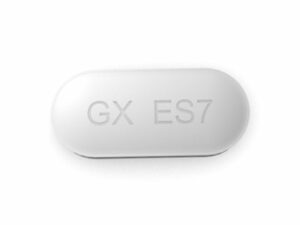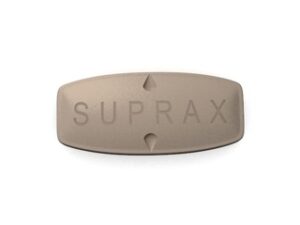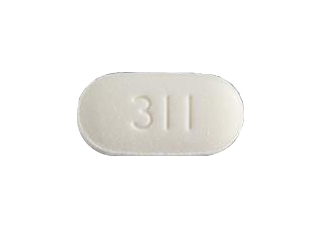
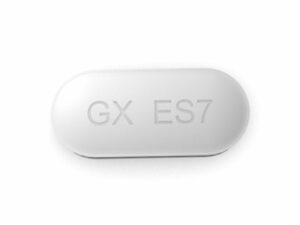
Cefixime (Cefixime tablets/suspension) — Patient-Friendly Guide (UK)
Cefixime is an antibiotic medicine used to treat certain bacterial infections. This page explains how cefixime works, when it’s used, how it behaves in the body, and important safety information for adults and children. It also covers practical tips for using the medicine, possible food and medicine interactions, and what to expect in the UK market and healthcare setting.
Important: Antibiotics only work against bacteria. They do not treat colds, flu, or other viral illnesses. Always follow the directions provided with your medicine and consult a healthcare professional if you are unsure.
1) Basic product information
| Feature | Details |
|---|---|
| Generic name | Cefixime |
| Medicine type | Cephalosporin antibiotic (often described as a “3rd generation” cephalosporin) |
| Common forms | Tablets, and oral suspension (liquid) depending on brand and strength |
| How it’s taken | By mouth |
| How it works | Kills susceptible bacteria by disrupting their cell wall |
| Typical conditions | Selected bacterial infections such as ear/throat infections and certain urinary tract infections |
2) Mechanism of action (how cefixime works)
Cefixime is a beta-lactam antibiotic (a cephalosporin). It works by interfering with the bacteria’s ability to build and maintain a protective cell wall. Without a functional cell wall, bacteria become unstable and die.
Cefixime is effective against certain strains of bacteria that are susceptible to it. It is not effective against bacteria that are resistant, and it will not work for viral infections.
3) Pharmacokinetics (what happens in the body)
“Pharmacokinetics” describes how the medicine is absorbed, distributed, metabolised, and eliminated. While specific figures may vary by product and patient, cefixime generally shows the following characteristics:
- Absorption: Cefixime is absorbed from the gut after oral dosing.
- Distribution: It distributes into body fluids and tissues to reach sites of infection.
- Elimination: Cefixime is primarily eliminated via the kidneys.
- Renal considerations: In people with reduced kidney function, dose adjustments may be necessary.
Because cefixime is cleared largely by the kidneys, kidney health is an important factor in safe and effective use.
4) Typical use in the UK (indications)
In the UK, cefixime may be used for selected bacterial infections where it is considered appropriate by clinical guidelines and local prescribing practices. The most common reasons include:
- Ear, nose, and throat (ENT) infections in certain situations
- Urinary tract infections (UTIs) caused by susceptible bacteria (as determined by the clinical picture)
- Some bacterial infections of the respiratory tract when a bacterial cause is likely
The exact choice of antibiotic depends on factors such as local resistance patterns, severity of illness, allergies, previous antibiotic use, pregnancy status, and whether the infection is likely to be caused by bacteria susceptible to cefixime.
5) Timing: when to take cefixime and how long to continue
Cefixime is usually taken once or twice daily depending on the prescribed regimen and the formulation/strength. The most important rule is: take it at the times you’ve been instructed and complete the course unless a clinician advises otherwise.
Practical timing tips
- Try to keep doses evenly spaced if taking it twice daily (for example, morning and evening).
- Take at about the same times each day to maintain steady antibiotic levels.
- Use a timer/alarm if it helps you remember.
If you miss a dose
If you miss a dose, take it as soon as you remember. If it’s close to the next dose, skip the missed dose and continue as normal. Do not take a double dose to make up for a missed one.
6) Food interactions and absorption
Cefixime can typically be taken with or without food. However, food may influence how quickly the medicine reaches peak levels. In everyday terms, this means you generally can choose whichever option is easier on your stomach.
- If taking it with food, some people experience less stomach upset.
- If taking it without food, ensure you follow your dosing schedule consistently.
If you have been given specific instructions on your packaging or by a clinician, follow those.
7) Alcohol and medicine interactions
Alcohol
Moderate alcohol consumption is not usually associated with a direct interaction that would make cefixime unsafe for most people. However, infection itself can worsen fatigue and dehydration, and alcohol may aggravate stomach upset.
If you choose to drink alcohol, consider limiting intake and ensure you stay well hydrated. If you experience worsening diarrhoea, dizziness, rash, or other concerning symptoms, seek medical advice promptly.
Medicine interactions
Cefixime can interact with certain medicines, and it may require caution or monitoring in some situations. Tell a healthcare professional about all medicines you take, including over-the-counter products and herbal remedies.
Common interaction considerations
- Medicines affecting the kidneys (including some diuretics or other medicines with renal clearance): because cefixime is cleared mainly via the kidneys, your clinician may consider kidney function.
- Anticoagulants (blood thinners): some antibiotics can affect blood clotting in certain individuals. If you take warfarin or another anticoagulant, you may need closer monitoring.
- Probenecid (used for certain medical conditions): it may affect excretion of some antibiotics and could alter levels.
- Live bacterial vaccines: while antibiotics may not always reduce vaccine effectiveness, timing advice can vary. Ask a clinician or pharmacist if vaccination is planned.
If you are unsure whether a particular medicine might interact with cefixime, check with a pharmacist. Keeping an up-to-date list of your medicines can make this easier.
8) Dosing information (general guidance)
Dosing depends on age, weight (for children), infection type and severity, kidney function, and the formulation (tablet versus suspension). Only use dosing instructions provided with your medicine or by a healthcare professional.
Adults (typical pattern)
In many regimens used clinically, adults may take cefixime once or twice daily. The precise dose (mg) depends on the infection and the product strength.
Children (typical pattern)
For children, dosing is commonly based on body weight and infection severity, and the oral suspension may be used. Accurate measurement of liquid medicine is important.
Important dosing safety points
- Do not adjust the dose without medical advice.
- For suspension: shake well and measure carefully using an oral syringe or measuring spoon (if provided).
- Finish the course even if symptoms improve early.
- Seek advice if symptoms worsen or do not begin to improve within a few days.
Because dosing schedules vary by product and indication, this page provides general principles rather than a single fixed dose. Always follow your specific instructions.
9) Safety profile: who should take extra care?
Cefixime is generally well tolerated, but like all medicines it can cause side effects. The likelihood and severity of side effects can vary from person to person.
Common side effects
- Diarrhoea (mild to moderate may occur)
- Nausea or stomach discomfort
- Headache
- Rash (often mild)
Serious side effects (seek prompt medical help)
- Signs of an allergic reaction such as swelling of the face/lips, wheezing, severe rash, or difficulty breathing.
- Severe or persistent diarrhoea, especially if watery or bloody, or if accompanied by fever or severe abdominal pain (could indicate antibiotic-associated colitis).
- Severe skin reactions (for example, blistering or peeling skin, or purple/red spots with illness).
- Unexpected bruising or bleeding (if you’re on anticoagulants, tell your clinician).
Allergy and cross-reactions
Cefixime is a cephalosporin. People who have had a serious allergy to cephalosporins, or who have a history of severe allergic reactions to beta-lactam antibiotics, should be cautious and seek advice.
Kidney disease
Because cefixime is largely eliminated by the kidneys, individuals with reduced kidney function may need dose adjustment or additional monitoring.
Pregnancy and breastfeeding
Many antibiotics can be used in pregnancy or breastfeeding when appropriate, but the best choice depends on the specific infection and patient factors. Discuss with a healthcare professional if you are pregnant, trying to conceive, or breastfeeding.
10) Practical use tips (to get the best results)
- Complete the full course: stopping early can increase the chance of the infection returning or not fully clearing.
- Shake suspensions: if using a liquid form, shake well before each dose.
- Use the right measuring device: kitchen spoons are often inaccurate. Use an oral syringe or measuring spoon if supplied.
- Hydrate: drinking fluids can help if you experience mild stomach upset or diarrhoea.
- Monitor symptoms: if you do not feel any improvement after a few days, or if you worsen, seek medical advice.
- Watch for allergy signs: if you develop hives, swelling, or breathing problems, seek urgent help.
11) Alternatives to cefixime
The most appropriate antibiotic depends on the suspected bacteria, severity, allergy history, local resistance patterns, and whether cultures are available. In many cases, clinicians may consider alternatives such as:
- Other beta-lactam antibiotics (for example, certain penicillins or other cephalosporins), depending on infection and allergy history
- Macrolides (such as azithromycin or clarithromycin) in selected respiratory infections
- Tetracyclines (such as doxycycline) for certain bacterial infections
- Other antibiotic classes guided by local guidelines and patient factors
For some infections, non-antibiotic approaches (such as symptom relief) may be appropriate if bacterial infection is unlikely. A healthcare professional can advise which option fits your situation best.
12) UK market and legal context (what it means for you)
In the United Kingdom, antibiotics are regulated medicines and are supplied according to UK medicines legislation and clinical practice. Availability through an online pharmacy typically depends on the medicine’s legal classification and the process used to ensure safe supply.
Cefixime is generally treated as a prescription-only medicine in the UK. Online pharmacy supply routes must follow UK regulations, and the pharmacy should have appropriate systems in place to verify suitability and safety.
Always check the product page and packaging for the strength, formulation, and instructions relevant to that specific item.
13) Recent guidance and antibiotic stewardship (UK)
UK healthcare guidance emphasises antibiotic stewardship—using antibiotics only when they are likely to help, and choosing the most suitable option to reduce resistance.
- Take antibiotics for the right infection: antibiotics should be used when bacterial infection is suspected or confirmed.
- Use the right antibiotic dose and duration: both under-treatment and unnecessary treatment can contribute to resistance.
- Review if needed: clinicians may reassess therapy if symptoms do not improve or if test results become available.
If you’re taking cefixime and you’re unsure whether it’s the right treatment, speak to a clinician or pharmacist.
14) Delivery and availability (UK)
Availability of cefixime can vary by formulation and strength. Online pharmacies in the UK may offer:
- Different strengths and pack sizes depending on demand
- Tablets or oral suspension (liquid products are often preferred for children)
- Standard and express delivery options where available
Delivery timelines depend on stock levels and courier services. Some items may be dispatched quickly if in stock, while others may require ordering from suppliers.
Check the online pharmacy’s delivery policy for:
- Estimated dispatch and delivery times
- Cut-off times for same-day dispatch (if offered)
- Cold-chain requirements (usually not needed for cefixime tablets/suspensions, unless stated)
- Returns policy for medicines (often limited for safety reasons)
15) Storage and handling
- Store at room temperature unless your product label states otherwise.
- Keep out of sight and reach of children.
- Follow suspension storage instructions (some liquid antibiotics require refrigeration after reconstitution—check your label).
- Check expiry date before use.
16) FAQ — Frequently asked questions
How soon will cefixime start working?
Many people notice some improvement within 24 to 72 hours of starting antibiotics, depending on the infection. If symptoms are not improving after a few days, or if they worsen, contact a healthcare professional.
Can I take cefixime with food?
Yes, cefixime is usually taken with or without food. If it upsets your stomach, taking it with food may help.
What should I do if I get diarrhoea while taking cefixime?
Mild diarrhoea can occur. However, seek urgent medical advice if diarrhoea is severe, persistent, watery or bloody, or if you have fever or severe abdominal pain.
Is cefixime safe for children?
Cefixime can be used in children when appropriate, but dosing must be correct for age and body weight. For liquid formulations, accurate measurement is essential.
Can I drink alcohol while on cefixime?
There is typically no direct harmful interaction with moderate alcohol. That said, alcohol can worsen dehydration and stomach upset. If you have diarrhoea or feel unwell, it’s best to avoid alcohol until you recover.
Can I take other medicines at the same time?
Some medicines can interact with cefixime or influence kidney function or bleeding risk. Tell a healthcare professional or pharmacist about all medicines you take, including over-the-counter products.
What if I’m allergic to penicillin?
A history of penicillin allergy does not automatically mean cefixime is unsafe, but caution is important—especially if you had severe reactions. Ask a pharmacist or clinician for advice based on your allergy history.
Do antibiotics cure everything?
Antibiotics treat bacterial infections. Some symptoms are caused by viruses or non-infectious conditions, where antibiotics will not help. If you’re uncertain, a healthcare professional can help assess the likely cause.
What should I do if I miss a dose?
Take it when you remember, unless it’s nearly time for your next dose. Do not take a double dose to catch up.
When should I seek urgent help?
Seek urgent help if you have breathing difficulties, swelling of the face/lips, severe rash or blistering skin, or severe diarrhoea with fever or blood.
Disclaimer: This information is intended for general education and does not replace advice from a clinician or pharmacist. If you have specific concerns about cefixime or your infection, seek professional guidance.