
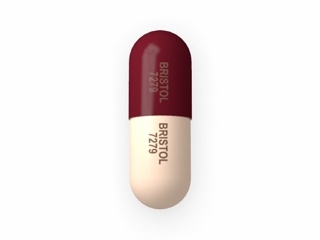


Trimox (Amoxicillin) — Patient-Friendly Guide
Trimox is a brand of amoxicillin, a widely used antibiotic belonging to the penicillin group. This page explains what Trimox is used for, how it works, how it behaves in the body, and practical advice for safe use in the United Kingdom.
Antibiotics are effective when used appropriately. They do not treat viral infections like colds or flu. If you are unsure what illness you have or whether antibiotic treatment is needed, speak to a healthcare professional.
Basic product information
| Feature | Information |
|---|---|
| Medicine | Trimox |
| Active ingredient | Amoxicillin |
| Drug class | Beta-lactam antibiotic (penicillin family) |
| Typical forms | Capsules, tablets, and oral suspension (strength varies by product) |
| What it treats | Bacterial infections (depending on site and suspected bacteria) |
| Common dosing frequency | Often 3 times daily or 2 times daily (varies by indication) |
How Trimox works (mechanism of action)
Amoxicillin works by interfering with the bacteria’s ability to build and maintain their cell walls. Bacterial cell walls are essential for survival and growth. Amoxicillin binds to specific penicillin-binding proteins (PBPs), which disrupt cell wall synthesis, leading to bacterial weakening and death.
Amoxicillin is often considered broad-spectrum within the limits of bacterial susceptibility. Some bacteria produce enzymes called beta-lactamases that can break down many penicillins, which is why certain infections may require different antibiotics or combinations.
Antibiotic resistance note
Using antibiotics when they are not needed (for example, for viral illnesses) can increase the risk that bacteria become resistant. Resistance can make future infections harder to treat.
Pharmacokinetics: how your body processes amoxicillin
“Pharmacokinetics” describes what happens to a medicine after you take it—how it is absorbed, distributed, metabolised, and removed from the body.
Absorption
Amoxicillin is generally absorbed well when taken by mouth. Its absorption is not fully dependent on food, although food can influence the rate of absorption for some people.
Distribution
After absorption, amoxicillin distributes through the body and can reach many tissues and body fluids. Distribution to the site of infection helps explain its clinical usefulness for common bacterial infections.
Metabolism
A portion of the drug is metabolised, but most is excreted largely unchanged.
Elimination
Amoxicillin is removed mainly by the kidneys. People with reduced kidney function may require dose adjustments to maintain safe blood levels.
Typical use in the UK
Trimox (amoxicillin) is used to treat susceptible bacterial infections. In UK clinical practice, antibiotics are chosen based on the suspected infection, likely organisms, local resistance patterns, and the patient’s medical history.
Examples of infections where amoxicillin may be used include (depending on local guidance and the person):
- Ear, nose and throat infections (such as certain cases of acute bacterial otitis media or bacterial sinusitis)
- Throat infections (e.g., some cases of streptococcal tonsillitis/pharyngitis)
- Chest infections (for selected bacterial lower respiratory tract infections where appropriate)
- Urinary tract infections (UTIs) (depending on culture results and local resistance)
- Dental infections (commonly used in appropriate bacterial dental conditions)
- Skin and soft tissue infections (when bacteria are susceptible and the infection is suitable for oral treatment)
- Helicobacter pylori regimens (amoxicillin may be used as part of combination therapy in certain protocols)
If you have a complicated or severe infection, or if symptoms do not improve, clinicians may arrange further assessment, tests, or alternative antibiotics.
Indications: when Trimox is appropriate
Amoxicillin is indicated for infections caused by bacteria that are susceptible to it. The decision to use amoxicillin depends on:
- Symptoms and examination findings
- Suspected site and severity of infection
- Local antibiotic resistance patterns
- Your allergy history (especially to penicillins or cephalosporins)
- Kidney function and other medical conditions
- Whether previous antibiotic courses have been taken recently
Not all “common infections” are bacterial. For viral illnesses, antibiotics will not speed recovery and may cause side effects without benefit.
Dosing: general guidance (individualised)
Doses vary depending on the indication, severity, age, body weight (particularly in children), and kidney function. Follow the instructions given with your particular medicine and seek advice if anything is unclear.
The sections below provide general patterns seen in practice in the UK for amoxicillin-based treatment:
- Adults: dosing may be prescribed two or three times daily depending on the infection and local guidance.
- Children: dosing is usually based on body weight (mg/kg/day), split across multiple doses.
- Kidney impairment: clinicians may reduce frequency or adjust the dose.
Timing matters for effectiveness
Antibiotics are most effective when taken at regular intervals to maintain effective levels in the body. If you are taking it multiple times daily, try to distribute doses evenly during waking hours.
If you miss a dose
Take the missed dose as soon as you remember unless it is close to your next scheduled dose. Do not take an extra dose to make up for one you missed. If you are unsure, ask a pharmacist for advice.
When to take Trimox: food timing and how to take it
Amoxicillin can usually be taken with or without food. Many people find it easier on the stomach when taken with a meal.
- With meals: may reduce the chance of nausea or stomach upset for some people.
- Without meals: may also be fine; follow your specific label instructions.
If you are using an oral suspension, shake well before measuring each dose and use the supplied measuring device. Do not mix with other medicines unless specifically instructed.
Food interactions
Compared with some antibiotics, amoxicillin has relatively few significant food interactions. However, general stomach tolerance varies between individuals.
Key points:
- Probiotics and fermented foods: these may help some people maintain gut comfort, but they do not replace medical advice if diarrhoea becomes severe.
- Alcohol with antibiotics: see below for alcohol guidance and interactions.
- General diet: drink fluids and take doses at consistent times to help prevent missed doses.
Alcohol and medicine interactions
Many medicines can be taken with small amounts of alcohol, but alcohol can worsen side effects like nausea, dizziness, and dehydration—particularly if you are unwell. For amoxicillin, there is no widely recognised direct “hard” interaction like that seen with some other antibiotics. However, it is still best to:
- Avoid alcohol if you feel very unwell, have diarrhoea, or are at risk of dehydration.
- Follow local advice and your medicine label.
- Seek advice if you experience significant side effects after drinking.
Other medicine interactions
Tell a healthcare professional about all medicines you take, including over-the-counter products and supplements. Important interaction considerations for amoxicillin may include:
- Oral anticoagulants (blood thinners) (e.g., warfarin): antibiotics can sometimes affect clotting stability. Monitoring may be needed.
- Allopurinol: combining with amoxicillin can increase the risk of rash in some people.
- Probenecid: may affect how amoxicillin is cleared, potentially increasing levels.
- Oral contraceptives: most antibiotics do not reliably “cancel out” the pill, but severe diarrhoea or vomiting can reduce absorption of any oral medicine.
If you are on long-term medication or have a complex medical history, ask a pharmacist to check for interactions before you start.
Safety profile and side effects
Like all medicines, Trimox (amoxicillin) can cause side effects. Many people experience no significant problems, but you should be aware of common effects and the warning signs that require urgent medical attention.
Common side effects
- Diarrhoea (often mild)
- Nausea or mild stomach upset
- Rash (occasionally)
- Headache
- Vaginal yeast infections in some people
Serious allergic reactions (seek urgent help)
An allergy to penicillins can be serious. Get urgent medical help if you develop any signs of a severe reaction, such as:
- Swelling of the face, lips, tongue, or throat
- Difficulty breathing or wheezing
- Severe widespread rash, blistering, or peeling skin
- Fainting, collapse, or feeling very unwell suddenly
When to contact a clinician promptly
- Severe or persistent diarrhoea, especially if watery or with blood/mucus, or if accompanied by fever or abdominal pain (could rarely indicate more serious bowel inflammation).
- Rash that is clearly worsening or accompanied by fever or blistering.
- No improvement after a reasonable time, or symptoms that worsen.
Pregnancy and breastfeeding (general considerations)
Amoxicillin is commonly prescribed during pregnancy when appropriate and is generally considered one of the antibiotics of choice for certain infections. If you are pregnant, planning pregnancy, or breastfeeding, discuss your situation with a healthcare professional to ensure the most suitable regimen.
Practical use tips (how to get the best results)
- Finish the course as directed: stopping early can allow infection to return or persist.
- Take doses at consistent times: set alarms to reduce missed doses.
- Hydrate: help reduce the risk of dehydration if you have fever or are unwell.
- Check the expiry date and store correctly as per the label (temperature and light protection can vary by product form).
- Use the correct measuring equipment for suspensions and shake before each dose.
- Keep an eye on side effects: mild diarrhoea can occur, but severe symptoms should be assessed.
- Do not share antibiotics: the right medicine and dose depend on the infection and your individual risk factors.
What to expect: timing of improvement
Many bacterial infections start to improve within 48 to 72 hours after starting effective antibiotic treatment. Improvement may look like:
- Less fever or reduced chills
- Reduced pain or discomfort
- Improved ability to eat, drink, and rest
If you do not improve within that timeframe, or if symptoms worsen, seek advice. The infection may not be bacterial, the organism may not be susceptible, or your dose may need review.
Alternative options (if amoxicillin isn’t suitable)
Alternatives depend on the suspected infection site, severity, local resistance, and allergy history. A clinician may choose:
- Other penicillins (for example, different beta-lactam antibiotics)
- Cephalosporins (only if appropriate and safe regarding allergy type)
- Macrolides (such as clarithromycin or azithromycin) for certain indications
- Doxycycline or other agents where clinically appropriate
- Combination therapy in settings where beta-lactamase production is a concern (for example, amoxicillin with a beta-lactamase inhibitor)
For recurrent UTIs, dental infections, or suspected streptococcal throat infections, clinicians may tailor therapy based on testing and response.
Market and legal context in the UK
In the UK, antibiotics are regulated medicines and are supplied under medicines legislation and pharmacy practice standards. Antibiotics are treated as high-value antimicrobial medicines because inappropriate use can increase resistance and reduce effectiveness.
UK antibiotic use is guided by national and local stewardship approaches, with emphasis on:
- Using antibiotics only when clearly indicated
- Choosing the narrowest effective antibiotic when possible
- Reviewing therapy if there is no improvement
- Supporting patient adherence and safe prescribing
Online pharmacies in the UK must follow regulatory requirements for supply, patient safety checks, and responsible handling of medicines.
Recent UK guidance and stewardship themes (overview)
While individual recommendations vary by condition, UK practice broadly reflects antimicrobial stewardship principles promoted in healthcare guidance and public health messaging. Key themes include:
- Avoid antibiotics for viral illnesses such as flu, most colds, and many sore throats caused by viruses.
- Use local resistance and evidence-based pathways for common infections.
- Consider watchful waiting in select mild cases where clinically safe.
- Reassess if not improving to avoid prolonged ineffective antibiotic exposure.
For specific infections, clinicians may also follow NICE guidance and local antimicrobial prescribing policies. These help ensure the right antibiotic is selected at the right dose for the right duration.
Delivery and availability in the UK
Trimox (amoxicillin) is commonly available through pharmacies and approved online pharmacy services across the UK, subject to local stock availability and product strength/form.
What may affect delivery:
- Selected formulation (capsules, tablets, or suspension)
- Strength (mg) and pack size
- Stock levels and warehouse dispatch times
- Standard vs express delivery options
When ordering online, check product details carefully (strength, form, and pack size). If you need a suspension, ensure the measuring device is included and confirm the concentration on the label.
FAQ — Trimox (Amoxicillin)
1) What is Trimox used for?
Trimox (amoxicillin) is used to treat bacterial infections that are susceptible to amoxicillin, such as certain ear, throat, chest, urinary, skin, and dental infections, depending on clinical assessment and local guidance.
2) Does amoxicillin treat colds or flu?
No. Colds and flu are usually caused by viruses. Antibiotics do not work against viruses. If symptoms are mild or typical for a viral illness, antibiotics are often not needed.
3) How quickly should I feel better?
Many people notice improvement within 48–72 hours. If you do not improve or you worsen, contact a healthcare professional for review.
4) Can I take Trimox with food?
Yes, amoxicillin can generally be taken with or without food. Taking it with food may reduce stomach upset for some people.
5) What if I miss a dose?
Take the missed dose when you remember unless it is nearly time for the next scheduled dose. Do not take a double dose. If uncertain, ask a pharmacist.
6) Is it safe to drink alcohol while taking Trimox?
There is no commonly cited direct interaction that makes alcohol unsafe for all people taking amoxicillin. However, alcohol can worsen side effects and dehydration, so it is best to avoid alcohol if you feel unwell or have diarrhoea. Use common sense and seek advice if concerned.
7) What should I do if I develop a rash?
Mild rashes can occur. However, if you develop signs of a severe allergy (such as swelling, breathing difficulty, blistering, or widespread rash), seek urgent medical help. If unsure whether a rash is allergic, contact a pharmacist or clinician promptly.
8) Who should be extra careful with amoxicillin?
People with a history of penicillin allergy, those with kidney problems, and those taking interacting medicines (such as warfarin) should get individual advice before starting.
9) Are there alternatives if I cannot take amoxicillin?
Yes. Alternative antibiotics may be considered depending on the infection and your allergy history. A clinician will choose based on susceptibility and safety.
10) What are signs that my infection may not be responding?
If fever persists, pain worsens, symptoms fail to improve after 2–3 days, or you become significantly more unwell, you should seek medical advice.
Important reminders
- Do not use antibiotics for viral infections.
- Know the allergy signs and seek urgent help for severe reactions.
- Tell us about other medicines you take to help prevent interactions.
- Keep taking your medicine as instructed and avoid sharing it.
This information is intended to help you understand Trimox (amoxicillin). For personal advice, always consult a pharmacist or healthcare professional—especially if you have allergies, kidney problems, are pregnant/breastfeeding, or have complex medical conditions.