
Levofloxacin (UK) – Patient-Friendly Guide
Levofloxacin is an antibiotic medicine used to treat certain bacterial infections. It belongs to the fluoroquinolone class and works by stopping bacteria from making essential DNA, which they need to multiply and survive. This guide explains what levofloxacin is, how it works, how it behaves in the body, typical uses and timing, important food and medicine interactions, safety information, and practical tips—tailored for customers in the United Kingdom.
Please note: Always follow the instructions on the label or provided by your healthcare professional. This page is designed to support understanding and safe use.
Basic product information
- Medicinal name: Levofloxacin
- Class: Fluoroquinolone antibiotic
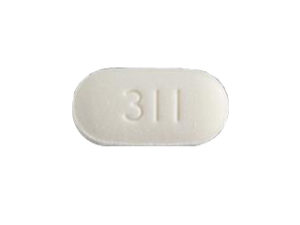
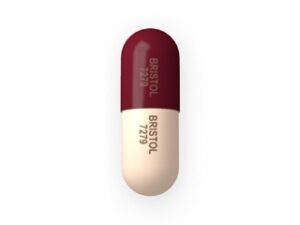
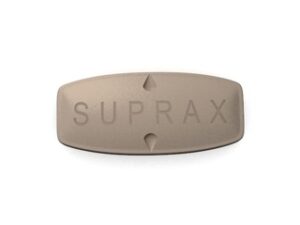
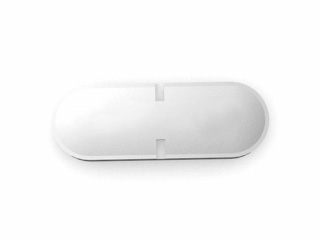
- Common forms: Tablets and oral solutions (availability may vary by supplier)
- What it treats: Bacterial infections (not viruses like colds or flu)
- How it’s taken: Usually by mouth, at set intervals during a course
Levofloxacin is typically used when an appropriate bacterial infection is suspected or confirmed. Choosing the correct antibiotic, dose, and duration helps reduce treatment failure and helps limit antibiotic resistance.
How levofloxacin works (mechanism of action)
Levofloxacin works by interfering with two key bacterial enzymes involved in DNA replication:
- DNA gyrase (topoisomerase II)
- Topoisomerase IV
By blocking these enzymes, levofloxacin prevents bacteria from copying and repairing their DNA, leading to bacterial death or stopping their growth. This contributes to the antibiotic’s effectiveness against susceptible bacteria.
Pharmacokinetics: what the body does to levofloxacin
“Pharmacokinetics” describes what happens after you take a medicine—absorption, distribution, metabolism, and elimination. Understanding this can help with timing and interactions.
- Absorption: Levofloxacin is absorbed after oral administration and reaches peak levels in the blood within a few hours (timing can vary by formulation and individual factors).
- Distribution: It distributes into many body tissues and fluids, including areas commonly involved in bacterial infections.
- Metabolism: It is not extensively metabolised in the body.
- Elimination: Levofloxacin is mainly eliminated via the kidneys. In people with reduced kidney function, the dose or interval may need adjustment.
- Half-life: Its dosing schedule is designed to maintain effective levels in the body between doses.
Practical takeaway: Because clearance is largely renal, kidney function can influence how long levofloxacin remains active in your system.
Typical uses and indications
Levofloxacin is used for infections caused by susceptible bacteria. In the UK, its use should align with local prescribing guidance and antimicrobial stewardship principles. It may be considered for:
- Lower respiratory tract infections (for example, some cases of bacterial pneumonia or exacerbations of chronic bronchitis)
- Community-acquired pneumonia (depending on severity and clinical judgment)
- Urinary tract infections including certain complicated cases, depending on local guidance and susceptibility
- Prostatitis (in some bacterial cases)
- Skin and soft tissue infections (selected cases based on susceptibility)
- Other specific bacterial infections where a clinician decides a fluoroquinolone is appropriate
Important: Levofloxacin should not be used for viral infections (such as most colds, influenza, and sore throats due to viruses). Using antibiotics when they are unlikely to help can increase side effects and drive antibiotic resistance.
Timing and how to take levofloxacin
Follow the exact instructions given by your healthcare professional. In general:
- Take at the recommended times: Keep to the dosing schedule (for example, once daily or twice daily depending on the prescribed regimen).
- Complete the course: Even if you feel better, finish the course unless told otherwise. Stopping early can allow infection to return or persist.
- Consistency matters: Try to take doses at similar times each day.
Missed dose: If you miss a dose, take it when you remember unless it is close to the next scheduled dose. Do not take double the dose to make up for a missed one. If you’re unsure, ask a pharmacist.
Can I split or crush tablets?
This depends on the specific formulation. If you have tablets, check the product instructions or ask your pharmacist. Do not change the way you take the medicine unless advised.
Food interactions: what to know
One advantage of levofloxacin is that food generally does not significantly affect the overall absorption. This means you can usually take it with or without food.
However, some substances can reduce absorption:
- Calcium, iron, magnesium, zinc supplements or certain medicines may bind levofloxacin in the gut and reduce absorption.
- Antacids and sucralfate can also interfere if taken too close together.
General practical rule: If you need to take medicines or supplements containing minerals or antacids, leave a gap between them and levofloxacin. Your pharmacist can advise the best interval for your particular products.
Examples of products that may need spacing
- Multivitamins containing minerals
- Iron supplements
- Calcium preparations
- Antacid tablets/liquid
- Sucralfate
Alcohol and medicine interactions
Alcohol
There is no single universal “safe limit” for alcohol with levofloxacin. Alcohol may increase the risk of side effects such as dizziness, headache, drowsiness, or stomach upset in some people. It may also make it harder to stay properly hydrated during an illness.
Practical advice: It’s best to avoid or limit alcohol while taking levofloxacin, especially if you feel unwell, have stomach symptoms, or are taking other medicines that cause drowsiness.
Medicine interactions (important)
Levofloxacin can interact with several medicine types. Tell your pharmacist or prescriber about all medicines you use, including over-the-counter products and herbal remedies.
| Medicine/interaction type | Why it matters | What to do |
|---|---|---|
| Minerals/antacids (calcium, iron, magnesium, zinc), sucralfate | May reduce absorption of levofloxacin | Separate doses by the interval advised by your pharmacist |
| Warfarin and other vitamin K antagonists | May increase bleeding risk by affecting clotting | Close monitoring and dose adjustments may be needed |
| Corticosteroids | May increase risk of tendon inflammation or rupture | Seek advice if you are using steroids; report tendon pain immediately |
| Medicines affecting heart rhythm (QT-prolonging medicines) | May increase risk of abnormal heart rhythm in susceptible people | Discuss your heart history/medicines with your healthcare professional |
| Diabetes medicines (e.g., insulin, sulfonylureas) | Can affect blood sugar levels | Monitor blood sugar more closely; recognise hypo/hyperglycaemia symptoms |
| Non-steroidal anti-inflammatory drugs (NSAIDs) and certain other medicines | May increase risk of central nervous system side effects in some cases | Use caution and seek advice if you have a history of seizures or neurological conditions |
This list is not exhaustive. Always check with a pharmacist for your specific regimen.
Dosing: typical regimens and key considerations
Dose depends on the infection being treated, severity, and individual factors (including kidney function). The exact dose and schedule should be as instructed on your medicine label.
General principles:
- Kidney function matters: Because levofloxacin is cleared mainly by the kidneys, clinicians may reduce dose or extend the dosing interval if kidney function is impaired.
- Adherence matters: Taking too little or missing doses may reduce effectiveness.
- Don’t self-adjust: Avoid changing the dose without medical advice, even if symptoms improve.
Important safety note: Levofloxacin can cause serious side effects in some people. It should be used only when appropriate and at the correct dose for the prescribed indication.
Safety profile: side effects and when to seek help
Like all medicines, levofloxacin can cause side effects. Many are mild and temporary, but some can be serious. Read this section carefully.
Common side effects
- Nausea
- Diarrhoea
- Headache
- Dizziness
- Stomach discomfort
- Changes in sleep or mild fatigue (less commonly)
Serious side effects: get urgent medical help if you experience
- Signs of an allergic reaction: swelling of the face/lips, difficulty breathing, severe rash, or widespread hives
- Severe or persistent diarrhoea (especially with blood or mucus), fever, or severe abdominal pain (possible antibiotic-associated colitis)
- Tendon pain (e.g., Achilles pain), swelling, or difficulty moving a joint—especially if you are older or taking corticosteroids (possible tendon injury)
- New tingling, burning, numbness, or weakness (possible nerve effects)
- Fainting, severe dizziness, palpitations or chest discomfort (possible heart rhythm concerns)
- Severe skin reactions (blistering, peeling, mouth sores, or a widespread rash)
- Convulsions/seizures or severe agitation/confusion
- Symptoms of severe liver issues such as yellowing of the skin/eyes, dark urine, or persistent right-sided upper abdominal pain
Who may be at higher risk?
- Older adults
- People with kidney impairment
- People taking corticosteroids
- People with a history of tendon disorders related to fluoroquinolones
- Those with conditions that increase the risk of abnormal heart rhythm
If you have any of the above risk factors, ensure your prescriber is aware before you start treatment.
Practical use tips for safer treatment
- Hydrate: Drink fluids regularly, especially if you have fever or diarrhoea.
- Know the warning signs: Be alert for tendon pain, nerve symptoms (tingling/numbness), severe diarrhoea, or allergic symptoms.
- Avoid strenuous exercise if you’re at risk: If you notice tendon discomfort, stop exercise and seek advice promptly.
- Protect your skin: Some people may become more sensitive to sunlight. Consider sun protection if you’re outdoors.
- Monitor blood sugar if you have diabetes: Fluoroquinolones can influence glucose levels in some patients.
- Keep a list of your medicines: Include supplements and over-the-counter products to help avoid interactions.
Driving and operating machinery: Levofloxacin may cause dizziness or other effects that can affect alertness. If you feel unwell or dizzy, avoid driving and operating machinery until you know how you respond.
Alternative options
Infections vary, and antibiotic choice depends on the bacteria likely involved, local resistance patterns, allergy history, severity, and individual risk factors. Alternatives may include:
- Other classes of antibiotics such as beta-lactams (e.g., amoxicillin/clavulanate) when appropriate
- Macrolides (for some respiratory infections, depending on local guidance)
- Nitrofurantoin or other UTI-focused agents for some urinary infections (where suitable)
- Symptom relief measures alongside or instead of antibiotics where infection is viral or antibiotics are not indicated
Your pharmacist or clinician can explain which options are suitable for your situation. If you have previously had a serious adverse reaction to a fluoroquinolone, it’s particularly important to discuss this before starting levofloxacin again.
Market and legal context in the United Kingdom
In the UK, antibiotics are regulated medicines. Levofloxacin is subject to national prescribing practices and medicine safety monitoring through the relevant UK authorities. Antimicrobial stewardship programmes encourage appropriate use to reduce resistance and protect patients from avoidable harm.
Healthcare professionals in the UK follow guidance that considers:
- Local susceptibility patterns and resistance trends
- Individual patient risk factors
- Whether non-antibiotic approaches or alternative antibiotics are more appropriate
- Safety warnings associated with fluoroquinolones
Recent guidance and safety updates: Over recent years, regulatory and clinical communications have emphasised caution with fluoroquinolones and highlighted risks such as tendon injury, nerve-related effects, and effects on the nervous system and heart rhythm in susceptible groups. This reinforces the need for careful patient selection and prompt reporting of side effects.
Delivery and availability (UK)
Availability of levofloxacin can vary by strength, formulation, and supplier. Online pharmacy dispatch typically follows standard UK processes and may require verification steps depending on the product and service model.
What to expect:
- Processing time: Orders are usually processed within working days; delivery times vary by postcode and courier.
- Cold chain: Levofloxacin tablets/most oral products do not usually require refrigeration, but follow the storage instructions on the packaging.
- Packaging: Medicines are typically supplied in secure child-resistant packaging where appropriate.
Storage: Keep out of the sight and reach of children. Store according to the instructions on the outer carton (commonly at room temperature and away from excessive heat and moisture).
If you have questions about availability of a specific strength or pack size, check with customer support.
FAQ – Frequently asked questions
1) What is levofloxacin used for?
Levofloxacin is an antibiotic used for bacterial infections such as certain respiratory infections, urinary tract infections, prostatitis, and some skin/soft tissue infections, depending on local guidance and what bacteria are likely to be responsible.
2) Does levofloxacin work against viruses?
No. Antibiotics like levofloxacin do not treat viral illnesses such as colds, flu, or most sore throats.
3) How quickly should I feel better?
Many people start to feel some improvement within a few days, but it varies by infection and severity. If you are not improving or symptoms worsen, contact a healthcare professional promptly.
4) Can I take levofloxacin with food?
Yes, in most cases levofloxacin can be taken with or without food. However, certain minerals and medicines (such as antacids or iron/calcium supplements) may reduce absorption, so spacing may be required.
5) Can I drink alcohol while taking levofloxacin?
It’s best to avoid or limit alcohol. Alcohol may increase side effects like dizziness or stomach upset and can make it harder to manage illness symptoms.
6) What should I do if I miss a dose?
Take it when you remember unless it is close to the time for the next dose. Do not take a double dose. If you’re unsure, ask a pharmacist.
7) Are there people who should take extra care?
Yes. Extra caution may be needed for people with kidney impairment, older adults, those taking corticosteroids, people with a history of tendon problems related to fluoroquinolones, and those with conditions that increase risk of heart rhythm issues.
8) What are the key warning signs to watch for?
Seek urgent help for allergic reactions, severe or persistent diarrhoea, tendon pain or swelling, new tingling/numbness, fainting or severe dizziness, severe skin reactions, seizures, or symptoms suggesting serious liver problems.
9) What medicines commonly interact with levofloxacin?
Minerals/antacids/sucralfate may reduce absorption. Warfarin may increase bleeding risk. Corticosteroids may increase tendon risk. Some medicines that affect heart rhythm may raise additional concerns. Tell your pharmacist about all medicines and supplements you take.
10) What are common side effects?
Common side effects include nausea, diarrhoea, headache, and dizziness. If side effects are severe or persistent, contact a healthcare professional.
Summary
Levofloxacin is a fluoroquinolone antibiotic used for selected bacterial infections in the UK. It works by blocking bacterial enzymes required for DNA replication. After oral dosing, it is absorbed and primarily eliminated through the kidneys, which is why kidney function can influence dosing decisions. While many people tolerate it well, it can cause side effects and—rarely—serious reactions such as tendon injuries, nerve symptoms, severe diarrhoea, allergic reactions, or heart rhythm issues. Taking it at the recommended times, spacing it properly from mineral antacids or supplements, and promptly reporting warning signs can support safer treatment.