
Suprax (Cefixime) — Patient-Friendly Guide
Suprax is a medicine containing cefixime, an antibiotic from the cephalosporin group. It is used to treat certain bacterial infections. This guide explains what Suprax is, how it works, how it behaves in the body, how it is typically taken, and important safety information to help you use it correctly.
Please note: antibiotics treat bacterial infections but do not work for viral illnesses such as most colds and flu. Using an antibiotic when it isn’t needed can increase the risk of antibiotic resistance.
Basic product information
| Product | Active ingredient | Medicine type | Common form(s) |
|---|---|---|---|
| Suprax | Cefixime | Antibiotic (cephalosporin) | Tablets or liquid suspension (brand formulations may vary) |
| Also known as | Cefixime | Prescription antibiotic in the UK context | Strengths vary by product |
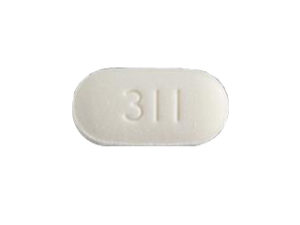
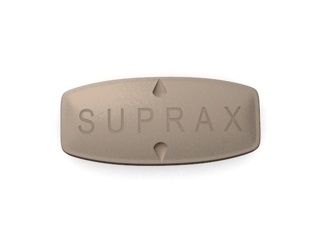
Suprax comes in specific strengths and presentations. Always check the packaging or label on your particular product for the exact dose and formulation.
How Suprax works (mechanism of action)
Cefixime works by targeting the way bacteria build and maintain their cell walls. It interferes with cell-wall synthesis, which weakens the bacterial cell wall and leads to bacterial death.
Cefixime is most effective against certain susceptible bacteria. Your clinician may choose it based on the likely bacteria involved and local guidance.
Pharmacokinetics: what happens in the body
Pharmacokinetics describes how the body absorbs, distributes, and eliminates a medicine. Understanding this helps with correct timing and dosing.
Absorption
Cefixime is absorbed after being taken by mouth. Food may affect the rate of absorption, but generally does not eliminate the medicine’s effectiveness.
Distribution
Once absorbed, cefixime can distribute into body fluids and tissues where infections may be present. Distribution patterns can vary by infection site.
Metabolism
Cefixime is not extensively metabolised. Most of the medicine remains active.
Elimination (excretion)
Cefixime is mainly eliminated via the kidneys (through urine). This is why kidney health can influence dosing and why dose adjustment may be needed for people with reduced renal function.
Half-life (how long it takes for the level in the body to reduce by half): typically around several hours in adults, but exact values can vary. This contributes to the usual dosing frequency.
Typical uses in the UK
Suprax (cefixime) is used for certain bacterial infections. The exact conditions treated can depend on local bacterial patterns, susceptibility testing, and clinical judgement.
Common indications may include
- Respiratory tract infections caused by susceptible bacteria (for example, some cases of bronchitis exacerbation or related infections, when appropriate)
- Ear, nose, and throat infections caused by susceptible bacteria (for example, certain bacterial ear infections)
- Urinary tract infections (UTIs) when the likely bacteria are susceptible to cefixime
- Uncomplicated infections where a clinician considers cefixime suitable based on the site of infection and patient factors
If you are using Suprax, it is because a bacterial infection is suspected or confirmed. It is important to follow the full course as directed on your medicine label.
Timing: when to take your dose
Cefixime dosing schedules aim to keep a sufficient level of antibiotic in your body for effective treatment. Many people take cefixime once or twice daily depending on the strength and regimen.
Practical timing tips
- Choose consistent times each day (for example, morning and evening) to avoid missed doses.
- If you take it twice daily, leave roughly 12 hours between doses where possible.
- If you take it once daily, take it at the same time each day.
- Try to take your doses at a time when you can remember them—setting a phone alarm can help.
Always follow the dosing instructions on your Suprax pack or medicine label for your specific product.
Food interactions: can you take Suprax with meals?
Cefixime can generally be taken with or without food. Taking it with food may help reduce stomach upset for some people.
However, because formulations differ, follow the instructions on your pack. If you have been told a specific way to take your dose, follow that advice.
Alcohol interactions
For many people, moderate alcohol does not directly interact in a way that prevents cefixime from working. That said, drinking alcohol can worsen side effects such as nausea, dizziness, or stomach upset, and can slow recovery when you are unwell.
If you choose to drink alcohol, consider keeping it minimal until you feel better. If you feel unwell or notice side effects after alcohol, avoid further drinking.
Medicine interactions: what to watch for
Most interactions are uncommon, but it is important to consider other medicines you are taking. Tell your healthcare professional or pharmacist about all medicines, including over-the-counter products and supplements.
Potential interaction points
- Medicines that affect kidney function: because cefixime is cleared by the kidneys, certain medicines may require extra caution, especially if your kidney function is reduced.
- Anticoagulants (blood thinners): some antibiotics can affect bleeding risk in people taking warfarin-like medicines. Monitoring may be needed.
- Probenecid (a medicine that can affect kidney excretion): may alter cefixime levels.
- Other antibiotics: combining antibiotics is sometimes appropriate, but it must be clinician-led to ensure the regimen is effective and safe.
This is not a complete list. If you are unsure whether a product you take is relevant, ask a pharmacist.
Dosing: typical adult and child considerations
Dosing depends on the type of infection, severity, age, and kidney function, and it also depends on the strength and formulation (tablet versus suspension). Always use the dose stated on the label.
Adults
Cefixime regimens for adults are often taken once daily or twice daily depending on the condition and prescribed strength.
Children
In children, dosing is often based on body weight and clinical assessment. Liquid suspensions can allow flexible dosing. Use the supplied measuring device for accurate measurement.
Kidney impairment
If you have reduced kidney function, your clinician may adjust the dose or dosing interval to reduce the risk of side effects.
Missed dose
- If you remember shortly after missing a dose, take it when you remember.
- If it is nearly time for the next dose, skip the missed dose.
- Do not take a double dose to make up for a missed one.
If you miss multiple doses or are unsure what to do, contact a pharmacist for advice.
Safety profile: side effects and when to seek help
Like all medicines, Suprax can cause side effects. Many are mild and temporary, but some require prompt medical attention. The most important risk with antibiotics is allergy and certain gut-related effects.
Common or mild side effects
- Diarrhoea (sometimes mild)
- Nausea or mild stomach discomfort
- Headache
- Rash (mild skin reactions can occur)
Serious side effects: seek urgent advice
- Signs of an allergic reaction such as swelling of the face/lips, difficulty breathing, wheezing, or widespread hives.
- Severe or persistent diarrhoea, especially if it is watery or contains blood, or if you have fever and significant abdominal pain. This can indicate a serious bowel inflammation (for example, Clostridioides difficile).
- Severe skin reactions (blistering, peeling, painful rash) or symptoms of severe hypersensitivity.
- Yellowing of the eyes/skin, dark urine, or unusual fatigue (possible liver-related issues), particularly if symptoms are significant or worsening.
If you experience severe symptoms, contact urgent care services or your healthcare provider right away.
Who should be extra cautious?
- People with a history of allergy to cephalosporins or who have had severe allergic reactions to beta-lactam antibiotics.
- People with a history of serious bowel conditions or prior antibiotic-associated colitis.
- People with kidney problems.
- People taking medicines that influence clotting or kidney function (check with a pharmacist).
Practical use tips to get the best outcome
- Complete the course as instructed, even if you feel better before it ends. Stopping early can allow infection to return.
- Stay hydrated, particularly if you experience diarrhoea.
- Use the correct measuring device if you have a suspension. Never guess doses with household teaspoons.
- Store properly as directed (for example, liquid suspensions may have specific storage conditions and expiry once opened).
- If symptoms do not improve within a few days (or they worsen), contact a healthcare professional. The infection may not be caused by bacteria susceptible to cefixime, or it may be more severe than expected.
- Keep a note of any side effects you experience so you can discuss them promptly.
Alternative options (other ways to treat bacterial infections)
The best antibiotic depends on the infection type, local resistance patterns, patient history, and any allergy or intolerance. Alternatives may include other antibiotics from different classes, or—sometimes—no antibiotic if the illness is likely viral or self-limiting.
Possible alternatives may include
- Amoxicillin or other penicillin-family antibiotics (if appropriate and if no allergy).
- Other cephalosporins depending on the infection and susceptibility.
- Macrolides (for example, in some respiratory infections where suitable).
- Targeted antibiotics guided by local guidelines and test results when available.
Symptom relief (such as pain/fever control) may also be recommended alongside treatment. Ask a pharmacist for suitable options if you need help with comfort measures.
UK market and legal context (high-level)
In the United Kingdom, antibiotics are regulated medicines. Antibiotics such as cefixime are typically available through healthcare routes that ensure appropriate assessment of need, correct diagnosis, and safe prescribing decisions. Regulations also support antimicrobial stewardship (using antibiotics responsibly).
Online pharmacies in the UK generally require that medicines are supplied in line with applicable laws and patient-safety processes. Availability can vary by product and local supply arrangements.
Recent UK guidance (general themes)
UK antimicrobial stewardship guidance emphasises:
- Using antibiotics only when there is a clear likelihood of bacterial infection.
- Choosing antibiotics according to local resistance patterns and clinical guidance.
- Using the narrowest effective antibiotic and the shortest effective duration when appropriate.
- Reviewing treatment if symptoms do not improve or worsen.
If you are advised to take Suprax, it should align with these principles for your specific situation.
Delivery and availability (online pharmacy)
Availability can vary depending on stock levels and the specific formulation/strength. When ordering online in the UK, deliveries typically include tracking and clear information about dispatch times.
What to expect when you order
- Stock status: You may see “in stock,” “low stock,” or “temporarily unavailable.”
- Dispatch: Orders are dispatched on business days (or as stated on the website).
- Delivery method: Courier or tracked post depending on the pharmacy.
- Storage: Medicines should be kept according to the label on arrival.
If you need help choosing the right strength or formulation, a pharmacist can guide you to match what your healthcare professional recommended.
FAQ
1) What is Suprax used for?
Suprax (cefixime) is an antibiotic used to treat certain bacterial infections, such as some respiratory, ear/nose/throat, or urinary infections where cefixime is considered suitable.
2) How quickly will I feel better?
Some improvement may occur within a few days. If you do not feel better after several days of treatment, or if symptoms worsen, contact a healthcare professional for review.
3) Can I take Suprax with food?
Cefixime can generally be taken with or without food. If it upsets your stomach, taking it with food may help. Always follow the instructions on your pack.
4) What should I do if I miss a dose?
Take it when you remember unless it is close to the next dose. Do not take a double dose to make up for a missed one.
5) Can I drink alcohol while taking Suprax?
There is no commonly used direct interaction that completely prevents alcohol use for all people, but alcohol can worsen side effects and slow recovery. If you choose to drink, keep it minimal and stop if you notice side effects.
6) Are there any people who should avoid cefixime?
People with a history of serious allergy to cefixime or other cephalosporins should avoid it. Extra caution may also be needed for those with previous antibiotic-associated severe diarrhoea or significant kidney impairment.
7) Can Suprax be used for viral infections like colds?
No. Antibiotics like cefixime do not treat viruses. If symptoms are caused by a virus, antibiotics will not help.
8) Is it safe to use Suprax if I’m pregnant or breastfeeding?
Many antibiotics have specific safety profiles in pregnancy and breastfeeding. If you are pregnant, trying to conceive, or breastfeeding, discuss your situation with a healthcare professional or pharmacist to confirm suitability.
9) What if I get diarrhoea during treatment?
Mild diarrhoea can occur. However, seek urgent advice if diarrhoea is severe, persistent, watery, or contains blood, or if you have fever and significant abdominal pain.
10) What other medicines should I tell the pharmacist about?
Tell them about all medicines you take, especially blood thinners, kidney-related medicines, and any known allergies. Include over-the-counter products and supplements.
Important final reminders
- Use Suprax only for the infection it was recommended for.
- Do not share antibiotics with others.
- Keep track of your doses and finish the course unless advised otherwise by a healthcare professional.
- If you have concerns about side effects or interactions, speak to a pharmacist promptly.