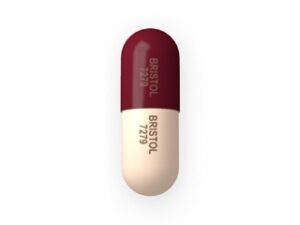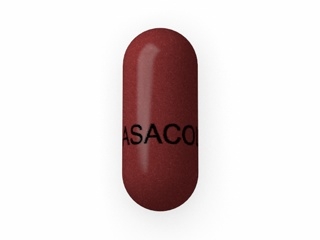

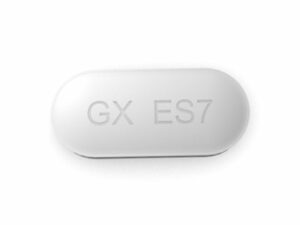
Asacol (Mesalazine/Mesalamine) – Patient Information (UK)
Asacol contains mesalazine (also called mesalamine in some countries). It is an anti-inflammatory medicine used to treat conditions that affect the gut, most commonly ulcerative colitis. This guide explains what Asacol is, how it works, how it is taken, important safety points, and practical tips for day-to-day use.
Always follow the instructions given by your healthcare professional and read the patient information leaflet supplied with your medicine.
1) Basic product information
| Item | Details |
|---|---|
| Medicine name | Asacol (mesalazine/mesalamine) |
| Group | Aminosalicylate / anti-inflammatory for bowel disease |
| Common use in UK | Ulcerative colitis (to induce and/or maintain remission, depending on severity) |
| How it is taken | By mouth, swallowed tablets |
| Key formulation concept | Designed to release the active medicine in the bowel |
| Strength | Available in different strengths depending on product presentation (check your pack) |
2) How Asacol works (mechanism of action)
Asacol is used to reduce inflammation in the lining of the bowel. It contains 5-aminosalicylic acid (5-ASA), which helps control the inflammatory response in ulcerative colitis.
While the exact pathway in humans is complex, the overall effect is:
- Topical (local) anti-inflammatory action in the gut—meaning it works where inflammation occurs.
- Reduction in inflammatory mediators and changes in immune signalling within the intestinal wall.
- Helping to achieve and maintain remission by calming ongoing inflammation.
Asacol does not simply relieve symptoms temporarily; it targets the underlying bowel inflammation to help keep it under control.
3) What happens in the body (pharmacokinetics)
Understanding release and absorption can help explain why timing and consistent use matter.
Release in the bowel
- Asacol is designed with a formulation that can release mesalazine in the intestinal tract. This helps deliver the medicine closer to the inflammation site.
- Swallow tablets whole as directed. Do not crush or chew unless your product instructions say otherwise, because it may change where and how the medicine is released.
Absorption and metabolism
- Only part of the mesalazine may be absorbed into the bloodstream.
- Absorbed mesalazine can be metabolised (mainly to N-acetyl-5-ASA) in the liver and tissues.
Elimination
- The medicine and its metabolites are mainly eliminated by the kidneys (urine).
- Because of this, kidney function monitoring may be recommended for some patients.
4) Typical uses in the UK
Asacol is prescribed for people with ulcerative colitis. The goal may be:
- Induction of remission (to calm a flare-up)
- Maintenance of remission (to help prevent relapses)
- Support for ongoing management plans recommended by gastroenterology teams, particularly in mild to moderate disease or when aminosalicylates are suitable
Your exact indication depends on the severity of your condition and your overall treatment plan.
5) When and how to take Asacol (timing and instructions)
Consistency is important. Many people take their doses at similar times each day. Follow the schedule provided with your product and instructions.
Swallowing instructions
- Swallow tablets whole with water.
- If you have difficulty swallowing, ask a healthcare professional or pharmacist about the specific formulation you have.
Timing
Doses are often taken once or more times daily depending on the strength and regimen. Some regimens may be divided across the day. Your schedule should match what you have been advised.
- Try to space doses evenly if taking more than one per day.
- If you miss a dose, take it when you remember unless it’s close to the next dose—then skip the missed dose. Do not double doses to catch up.
How long until it works?
Many patients start noticing improvement within days to a few weeks, but the time to full benefit can vary. Maintenance benefits often require continued use even after symptoms improve.
6) Food interactions and what to eat
In many cases, mesalazine formulations can be taken with or without food, but individual products may differ. The most important points are:
- Use the instructions on your specific pack.
- If your stomach is sensitive, taking the dose with food may help reduce discomfort for some people.
- Avoid large changes in your usual routine (e.g., sudden fasting) without speaking to a professional.
If you notice symptoms worsen after a particular meal pattern, discuss it with your pharmacist or clinician. They can help confirm whether your schedule needs adjusting.
7) Alcohol and medicine interactions
Alcohol does not usually have a direct chemical interaction with mesalazine, but there are practical reasons to be cautious:
- Alcohol may worsen gastrointestinal symptoms in some people (e.g., diarrhoea, irritation).
- During active inflammation, your bowel may be more sensitive, so alcohol could aggravate discomfort.
- If you are on other medicines for bowel disease (for example, corticosteroids or immunosuppressants), alcohol safety depends on the full regimen.
For a personalised answer, tell your healthcare professional about your typical alcohol intake and any other medicines you take.
Other medicines (important interaction considerations)
Mesalazine can interact with certain medicines or require extra caution, particularly regarding the kidneys. Common categories to mention to your clinician include:
- NSAIDs (e.g., ibuprofen, naproxen) – may affect kidney function in some cases.
- Medicines that affect kidney function or blood pressure.
- Azathioprine/6-mercaptopurine – used in some IBD plans; monitoring may be required depending on your regimen.
- Warfarin or other anticoagulants – not always a direct interaction, but any change in bleeding risk should be assessed.
If you start, stop, or change doses of any medicines, ask a pharmacist to check for interactions with your whole treatment list.
8) Indications (who Asacol is for)
Asacol is an aminosalicylate indicated for treatment of ulcerative colitis. Depending on formulation and strength, it may be used:
- To treat an active flare (induction), and/or
- To help prevent flare-ups (maintenance)
- In selected cases as part of a broader ulcerative colitis management plan
Not all bowel inflammatory conditions are treated with mesalazine. Crohn’s disease, for example, may require different therapy.
9) Dosing (how much to take)
Dosing varies widely by the severity of ulcerative colitis, individual response, age, and the specific Asacol product formulation. Always use the dose on your pack or as advised by your clinician.
Common dosing principles
- Doses are usually taken multiple times per day in divided regimens, though some formulations are taken once daily.
- The dose may be higher during a flare than for maintenance.
- If your symptoms improve, your clinician may adjust the dose to the maintenance level.
Examples of how regimens are typically structured
Because different strengths exist, below is a guidance-style explanation rather than a prescription instruction. Your exact regimen should be taken from your healthcare plan:
- Induction phase: often higher total daily dose, divided across the day
- Maintenance phase: a lower total daily dose to keep remission
If you are unsure which strength or schedule applies to you, check your box and leaflet or ask your pharmacist.
10) Safety profile (what to watch for)
Like all medicines, Asacol can cause side effects. Many people tolerate mesalazine well, but it’s important to recognise symptoms that may require urgent medical advice.
Common side effects
- Headache
- Nausea or stomach discomfort
- Diarrhoea or worsening bowel symptoms (sometimes related to the underlying condition)
- Rash or skin irritation
Serious side effects (seek medical advice promptly)
- Signs of allergy or hypersensitivity such as facial swelling, severe rash, wheezing, or difficulty breathing.
- Kidney problems: changes in urination, swelling in legs/face, unusual fatigue. Mesalazine can rarely affect the kidneys.
- Blood disorders: unusual bruising, persistent sore throat, fever, or extreme tiredness.
- Liver concerns: yellowing of the skin/eyes (jaundice), dark urine, severe persistent abdominal pain.
If you develop severe symptoms or feel seriously unwell, contact urgent medical services.
Monitoring
Depending on your personal risk factors and local clinical practice, your clinician may monitor:
- Kidney function (e.g., serum creatinine/eGFR)
- Blood counts
- Liver function tests
Monitoring schedules can vary, especially in long-term use, during dose changes, or if you have other medical conditions.
11) Practical use tips for everyday life
Make adherence easier
- Use a daily routine (e.g., after breakfast and before bedtime) to reduce missed doses.
- Consider a pill organiser or smartphone reminders.
- Keep track of symptoms so you can spot patterns (for example, flare triggers or missed doses).
Handling missed doses
- If you miss a dose, take it when you remember unless it’s close to your next dose.
- If it’s almost time for the next dose, skip the missed one.
- Do not take two doses at the same time to make up for a missed dose.
What to do if you’re having a flare
If symptoms worsen (increased diarrhoea, blood in stool, abdominal cramps, fever), contact your healthcare team. Do not stop or change Asacol without advice, even if symptoms feel uncomfortable.
Pregnancy and breastfeeding (general considerations)
Many people with ulcerative colitis discuss mesalazine with their specialist during pregnancy or breastfeeding. Recommendations can vary based on disease activity and individual risk. Speak to your clinician early if you plan pregnancy or are breastfeeding.
12) Alternative options to Asacol
Treatment for ulcerative colitis is individual. Alternatives depend on disease severity, previous response, tolerance, and other health factors. Possible options include:
Other aminosalicylates
- Other mesalazine formulations (different release profiles)
- Sulfasalazine (another 5-ASA-related medicine; not suitable for everyone)
Non-aminosalicylate therapies
- Corticosteroids for short-term control of flares (for many people, used only when needed)
- Immunomodulators (used in certain moderate-to-severe cases under specialist care)
- Biologic therapies (for selected patients with more persistent or severe disease)
- Adjunctive symptom management (depending on symptoms such as diarrhoea or pain)
If you’re considering switching medicines, ask your pharmacist or specialist about differences in release mechanism, dosing frequency, and monitoring requirements.
13) UK market and legal context (brief overview)
In the United Kingdom, mesalazine products are supplied through routine pharmacy channels under medicines regulations. Availability can include branded products like Asacol and/or generics depending on formulation and strength.
The National Health Service and clinical guidelines support evidence-based management of ulcerative colitis. Your local healthcare team will decide which formulation best suits your needs.
14) Recent guidance and clinical practice notes (UK)
Clinical guidance for ulcerative colitis generally supports:
- Using 5-ASA/mesalazine therapies for appropriate patients, especially for mild to moderate disease and for maintenance of remission.
- Monitoring response and adjusting therapy when disease activity is not adequately controlled.
- Considering escalation to other treatments if symptoms persist or complications occur.
- Safety monitoring where appropriate (particularly kidney-related tests for mesalazine in relevant patients).
Guidance can evolve. For the most up-to-date clinical advice, speak to your gastroenterology team.
15) Delivery and availability (how it works online in the UK)
Asacol availability may vary by strength and formulation. When ordering from an online pharmacy, common factors that affect delivery include:
- Stock status at the time of order
- Whether the item is standard or needs restocking
- Dispensing and packaging processes
- Your delivery postcode and chosen delivery option
After dispatch, you typically receive updates by email or on the order page. Please ensure your delivery address details are correct.
If a product is temporarily out of stock, the pharmacy may offer an alternative strength/formulation where appropriate, or advise on expected restock dates—subject to clinical suitability.
16) Storage and handling
- Store tablets according to the pack instructions.
- Keep out of the sight and reach of children.
- Do not use after the expiry date on the carton.
17) Frequently Asked Questions (FAQ)
Is Asacol the same as mesalazine?
Yes. Asacol contains mesalazine (also known as mesalamine). The names refer to the same active ingredient; formulations may differ by brand and release type.
How quickly will I feel better?
Some people notice improvement within days, while others may take several weeks to see full benefit. If you do not improve as expected, speak to your healthcare professional before making changes.
Can I stop Asacol once I feel well?
Many patients need ongoing maintenance therapy to reduce the chance of relapse. Do not stop suddenly without discussing it with your healthcare team, as stopping can increase the risk of flare-ups.
What if I miss a dose?
Take it when you remember unless it’s close to the next dose. Otherwise, skip the missed dose. Avoid doubling up to make up for a missed tablet.
Should I take Asacol with food?
Follow your specific pack instructions. If you experience stomach discomfort, taking it with food may help for some people. Do not change how you take it without checking the leaflet or asking a pharmacist.
Does Asacol interact with alcohol?
There is usually no direct chemical interaction, but alcohol may worsen bowel symptoms in some people. If you have an active flare or diarrhoea, consider avoiding or limiting alcohol and discuss safe intake with your clinician.
Can I take painkillers like ibuprofen?
Ibuprofen is an NSAID. In some people, combining NSAIDs with medicines affecting the kidneys can be less ideal. If you need regular pain relief, ask a pharmacist which options are safer for you.
Will Asacol affect my kidneys?
Mesalazine rarely affects kidney function, but kidney monitoring is often considered, particularly for people at higher risk. Contact a healthcare professional promptly if you notice changes in urination, swelling, or unexplained fatigue.
Are there any warning signs that mean I should seek urgent help?
Seek urgent medical advice if you develop severe allergic reactions (e.g., facial swelling, trouble breathing), signs of significant infection (high fever and feeling very unwell), or symptoms suggesting kidney/liver blood problems. When in doubt, contact your healthcare provider or urgent services.
What alternatives exist if Asacol doesn’t suit me?
Alternatives may include other mesalazine formulations, sulfasalazine, or other ulcerative colitis treatments depending on your disease and response. Your clinician can help choose the most appropriate option for your situation.
18) Summary
Asacol (mesalazine) is an aminosalicylate medicine widely used to manage ulcerative colitis. It works primarily by helping reduce inflammation in the gut. Taking it consistently and following the dosing instructions on your pack are key to helping control disease activity. If you experience side effects—especially symptoms affecting the kidneys, blood, liver, or signs of allergy—seek prompt medical advice.
If you have any questions about your product strength, timing, or whether your current medicines could interact, speak to a pharmacist or your healthcare team.