Vibramycin (Doxycycline) – Patient Information (UK)
Vibramycin is a well-known brand of doxycycline, an antibiotic belonging to the tetracycline group. It is used to treat a range of bacterial infections and, in some situations, non-infectious inflammatory conditions where doxycycline’s properties are helpful.
This guide is written to be clear and patient-friendly. It explains how Vibramycin works, how it is used, interactions to be aware of, and practical tips to help you take it safely.
At a Glance
- Active ingredient: Doxycycline
- Brand name: Vibramycin
- Class: Tetracycline antibiotic
- What it’s used for: Various bacterial infections and certain inflammatory conditions
- Common forms: Capsules or tablets (formulations vary by strength)
- Key safety notes: Can cause stomach upset, may increase sensitivity to sunlight, and has important interactions with certain medicines and minerals
Basic Product Information
Vibramycin contains doxycycline as the active ingredient. Doxycycline is designed to be effective against many bacteria by interfering with their ability to make essential proteins.
Strengths and formulations: Different markets and products may offer different strengths and dosage forms. Always follow the product label and the instructions supplied with your specific pack.
How it is taken: It is usually taken by mouth. Timing and duration depend on the condition being treated and your individual medical situation.
How Vibramycin Works (Mechanism of Action)
Doxycycline works by targeting the bacterial protein-making machinery.
- Doxycycline binds to the 30S ribosomal subunit inside susceptible bacteria.
- This inhibits protein synthesis, preventing bacteria from growing and reproducing.
- Over time, this helps the body clear the infection and reduces symptoms.
Important note: Antibiotics treat bacterial infections only. They will not work against viral infections such as colds or flu.
Pharmacokinetics (How the Body Handles Doxycycline)
Understanding how doxycycline is absorbed and processed can help you take it more effectively.
| Topic | What typically happens with doxycycline |
|---|---|
| Absorption | Doxycycline is generally absorbed from the stomach and upper intestine. Absorption can be reduced by certain minerals and antacids. |
| Food effect | Taking with food may reduce stomach upset. Avoid taking it with high-calcium dairy or mineral-rich products if your symptoms worsen or your clinician has advised avoiding these. |
| Distribution | It distributes through body tissues, including sites relevant to many infections. It can reach effective levels in many compartments. |
| Metabolism and elimination | Doxycycline is eliminated mainly through the gastrointestinal tract and urine. The body’s handling can vary among individuals. |
| Half-life (general concept) | Doxycycline’s dosing schedule reflects its residence time in the body, allowing once- or twice-daily regimens depending on strength and indication. |
Typical Use and Timing
Vibramycin is used for conditions where doxycycline is appropriate. Treatment may need to be started quickly for certain infections, and the full course should be completed even if you feel better.
Timing depends on:
- the condition being treated
- the dosing schedule recommended for your product strength
- whether you need to avoid interactions with minerals or other medicines
- how well you tolerate it (some people prefer taking with food to reduce nausea)
General practical timing tips:
- Try to take your dose at the same times each day.
- If you get nausea, consider taking it with a light meal (unless advised otherwise).
- For tablets/capsules, take with a full glass of water.
- Stay upright for at least 30 minutes after swallowing to help reduce the risk of irritation to the throat/esophagus.
Indications (What Vibramycin is Used For)
Doxycycline is prescribed for a range of bacterial infections. Specific uses can vary depending on local guidance, the exact formulation, resistance patterns, and clinical assessment. Common indications include:
- Respiratory tract infections where doxycycline is considered suitable
- Skin and soft tissue infections
- Some sexually transmitted or sexually acquired infections as directed by a healthcare professional
- Lyme disease (in appropriate cases)
- Rocky Mountain spotted fever and other rickettsial infections (specialist-led management)
- Acne and rosacea in selected cases, where doxycycline can reduce inflammation and bacterial load
Why it matters: Not every infection is suitable for doxycycline. Correct choice depends on the likely bacteria, allergy history, pregnancy status, age, and local resistance patterns.
Dosing (General Guidance for Adults)
Dosing differs based on the indication, severity, age, kidney/liver status, and the specific doxycycline product. Always follow the instructions provided with your pack and any guidance from your prescriber/clinician.
Common adult patterns (examples):
- Some indications use once-daily dosing.
- Others use twice-daily dosing, especially early in treatment.
Do not change the dose yourself. If you miss a dose, take it when you remember unless it is close to the next scheduled dose—then take the next dose as usual. Avoid doubling up.
Children and adolescents: Doxycycline dosing in younger age groups is specialist-dependent and should follow age- and weight-appropriate guidance.
Older adults: Many older adults can take doxycycline, but co-existing conditions and other medicines may require closer review.
Food Interactions and What to Eat/Drink
Food can affect how doxycycline is tolerated and absorbed.
What to know
- Stomach upset: Taking doxycycline with food can reduce nausea for some people.
- Minerals reduce absorption: Doxycycline may bind with certain minerals, making it less effective.
Be cautious with
- Antacids containing aluminium, magnesium
- Iron supplements
- Zinc supplements
- Calcium-rich products (especially large amounts of dairy around the time of dosing)
- Magnesium-containing laxatives
Practical spacing: If you take supplements or antacids containing these minerals, ask a pharmacist for the best timing. A common approach is to separate doxycycline from mineral-containing products by at least 2–3 hours—but follow individual advice.
Alcohol and Medicine Interactions
Alcohol
Moderate alcohol intake may not directly “cancel out” doxycycline, but alcohol can worsen common side effects such as:
- nausea
- stomach irritation
- dizziness or headache
Recommendation: To minimise side effects and support recovery, it’s generally best to limit alcohol while you’re taking Vibramycin.
Common medicine interactions
Certain medicines can reduce absorption or change how doxycycline is processed. Others may increase side effects or risk.
- Antacids and mineral supplements (aluminium/magnesium, iron, zinc): reduce absorption.
- Oral retinoids (e.g., isotretinoin): may increase risk of raised pressure in the skull (intracranial hypertension).
- Anticonvulsants (e.g., carbamazepine, phenytoin) and rifampicin: may reduce doxycycline levels.
- Warfarin (a blood thinner): antibiotics may affect bleeding risk; monitoring may be needed.
- Methotrexate: may increase toxicity risk when combined with some antibiotics.
- Some diabetes medicines: changes in blood sugar control may occur with infections and treatment; monitor as advised.
Always tell your pharmacist about all medicines you use, including over-the-counter products and herbal supplements. Interactions can vary by dose and personal health.
Safety Profile (Side Effects and When to Get Help)
Most people tolerate doxycycline well, but side effects can occur. Many are mild and improve as your body adjusts.
Common side effects
- Nausea
- Stomach upset or indigestion
- Diarrhoea
- Headache
- Vaginal irritation or thrush in some people
- Temporary skin changes
Sun sensitivity (photosensitivity)
Doxycycline can make your skin more sensitive to sunlight and UV light.
- Avoid tanning and strong sun exposure.
- Use SPF protection and wear protective clothing.
- Stop sunbathing and seek advice if you develop a severe rash.
Serious side effects – seek urgent advice
Get urgent medical help if you experience:
- Signs of an allergic reaction: swelling of face/lips, difficulty breathing, severe rash
- Severe or persistent diarrhoea, especially if watery or with blood
- Severe skin reactions (blistering, peeling, widespread rash)
- Severe headache with vision changes or persistent vomiting (possible raised pressure in the skull)
- Yellowing of the skin/eyes or severe fatigue (possible liver issues)
Who should take extra caution
- Pregnancy and breastfeeding: Tetracyclines are generally avoided due to potential effects on developing teeth and bones. Follow UK clinical guidance and discuss alternatives.
- Children: Doxycycline use in younger children is usually restricted to specific situations under specialist advice.
- Liver disease: Some patients may need monitoring.
- History of oesophageal irritation: Use careful swallowing technique and avoid lying down immediately after taking it.
Practical Use Tips (How to Take Vibramycin Successfully)
- Take with water: Use a full glass of water and keep upright for at least 30 minutes.
- Separate from minerals: Avoid taking at the same time as iron, zinc, magnesium antacids, or calcium supplements. Ask your pharmacist about the best gap.
- Manage nausea: If you feel sick, try taking with food (unless advised otherwise).
- Complete the course: Finish the recommended duration to reduce the chance of relapse or resistance.
- Sun protection: Use SPF and protective clothing during treatment and shortly after.
- Track side effects: If symptoms worsen significantly (especially diarrhoea or rash), seek advice promptly.
What to Do If You Miss a Dose
- Take the missed dose as soon as you remember.
- If it is near your next dose, skip the missed dose and resume your usual schedule.
- Do not double the dose.
If you frequently miss doses or are unsure how to adjust your routine, speak to a pharmacist.
Alternative Options
Depending on the infection and your medical history, clinicians may consider other antibiotics or treatments. Alternatives can include:
- Amoxicillin or other penicillins (when appropriate)
- Azithromycin or macrolides (when doxycycline is not suitable)
- Clindamycin for selected skin/soft tissue infections
- Metronidazole for specific anaerobic infections
- Topical or other oral treatments for acne/rosacea depending on severity
For acne/rosacea: Alternatives may include topical therapies (e.g., metronidazole, azelaic acid) or other oral options, depending on clinical assessment.
Your best option depends on the exact diagnosis, local resistance patterns, and how you tolerate medicines.
UK Market and Legal Context (General Information)
In the United Kingdom, antibiotic use is regulated to support safe practice and antimicrobial stewardship. Doxycycline products may be supplied under UK medicines regulations and may be subject to specific prescribing or supply requirements depending on formulation and indication.
Key points in the UK context:
- Antibiotic stewardship: Ensures antibiotics are used only when appropriate.
- Local guidance and protocols: Primary care and specialist pathways may determine first-line options.
- Safety monitoring: Pharmacists and clinicians review interactions and contraindications.
Always follow UK healthcare advice and the instructions on your product packaging.
Recent Guidance and Stewardship Considerations
Over recent years, UK healthcare guidance has emphasised:
- Only using antibiotics when needed (bacterial causes vs viral illness)
- Using the narrowest effective option where possible
- Completing the course to reduce treatment failure and resistance
- Reviewing safety, including interactions and allergy risk
If symptoms do not improve or worsen after the expected time frame, contact a healthcare professional rather than continuing antibiotics indefinitely.
Delivery and Availability (Online Pharmacy in the UK)
Availability and dispatch times can vary by supplier, stock levels, and the medicine form/strength.
- Packaging: Medicines are typically supplied in sealed packaging with patient information.
- Delivery: Orders are usually dispatched promptly and delivered by a tracked courier service.
- Storage: Store according to the instructions on your pack (commonly at room temperature, away from moisture and heat).
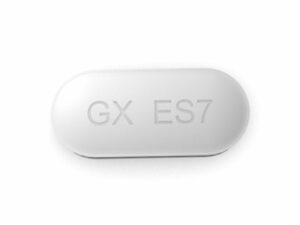
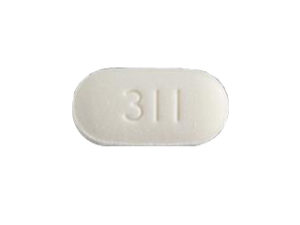
Tip: When your delivery arrives, check the product strength, expiry date, and that the tablets/capsules match what you expected.
FAQ
1) Is Vibramycin the same as doxycycline?
Yes. Vibramycin is a brand name for doxycycline. Different brands may contain the same active ingredient.
2) How long does it take to work?
Many people notice improvement within 24–72 hours for suitable infections. However, it depends on the condition, severity, and the bacteria involved. If you’re not improving after a reasonable period, seek medical advice.
3) Can I take Vibramycin with milk or dairy?
Small amounts of food may be fine, and taking with food can reduce nausea. However, large amounts of dairy and mineral-rich products may reduce absorption. For safest results, avoid taking it at the same time as significant calcium/iron/zinc supplements, and separate doses when advised.
4) What should I do about sun exposure?
Use sunscreen (SPF), wear protective clothing, and avoid strong sun/UV. Photosensitivity reactions can occur during treatment.
5) Can I drink alcohol while taking doxycycline?
It’s best to limit alcohol. Alcohol may worsen stomach upset and other side effects. If you choose to drink, keep it moderate and watch for increased nausea or dizziness.
6) Are there any medicines I must avoid?
Some interactions are important—especially antacids and mineral supplements containing iron, magnesium, aluminium, or zinc, and certain medicines such as rifampicin or some anticonvulsants. Always check with a pharmacist and tell them your full medicine list.
7) What if I get diarrhoea?
Mild diarrhoea can occur. However, seek urgent advice if diarrhoea is severe, persistent, watery, or contains blood, or if you feel very unwell.
8) Can I take Vibramycin if I’m pregnant or breastfeeding?
Doxycycline is generally not preferred during pregnancy and may be avoided during breastfeeding depending on circumstances. Discuss your situation with a healthcare professional for the safest option.
9) Can Vibramycin be used for acne or rosacea?
Yes, doxycycline is sometimes used for acne/rosacea under clinical direction. Dosing and duration for skin conditions may differ from infection treatment.
10) What should I do if I develop a rash?
Stop the medicine and seek medical help urgently if the rash is severe, blistering, spreading quickly, or accompanied by breathing difficulty or facial swelling.
Summary
Vibramycin (doxycycline) is an antibiotic that works by inhibiting bacterial protein synthesis. It can treat a variety of infections and may also be used for certain inflammatory skin conditions. For best results and safer use in the UK, take it with plenty of water, remain upright after swallowing, avoid mineral-containing products at the same time, protect your skin from sun exposure, and complete the full course as directed.
If you have questions about suitability, dosing, or interactions with your current medicines, speak to a pharmacist or clinician for tailored advice.