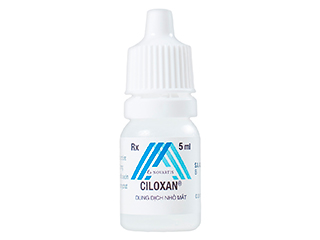
Ciloxan (Ciprofloxacin) – Patient Information (UK)
Ciloxan is a brand of ciprofloxacin, an antibiotic medicine used to treat certain bacterial eye infections and, in some formulations, ear infections. This page explains what Ciloxan does, how it works, how to use it safely, and what to expect. Always follow the instructions provided with your specific product (for example, eye drops vs. eye ointment).
If you are unsure which formulation you have, check the label for the wording eye drops or eye ointment, and the strength (for example, mg/mL for drops). Different products may have different dosing schedules.
Key product details
- Medicine name: Ciloxan
- Active ingredient: Ciprofloxacin
- Medicine type: Antibiotic (fluoroquinolone)
- Common uses: Bacterial infections of the eye (and, depending on the product, ear)
- Typical forms in the UK: Eye drops and eye ointment (availability may vary)
- Target organism: Susceptible bacteria (not viruses)
How Ciloxan works (mechanism of action)
Ciprofloxacin is a fluoroquinolone antibiotic. It works by interfering with bacterial DNA processes:
- Inhibits DNA gyrase (an enzyme needed to control DNA structure)
- Inhibits topoisomerase IV (an enzyme needed to separate and manage DNA during cell division)
This prevents bacteria from multiplying and can help clear the infection. Ciprofloxacin is designed to be effective against a range of bacteria, including many Gram-negative organisms.
Important: Ciloxan treats bacterial infections. It will not work for viral infections such as conjunctivitis caused by viruses, and it will not treat eye irritation from non-infectious causes.
Pharmacokinetics: what happens in the body
When ciprofloxacin is applied to the eye (or ear, if that is the formulation), only a small amount may be absorbed into the bloodstream compared with oral dosing. The majority acts locally at the site of infection.
- Local action: The medicine is present in ocular/ear tissues to kill susceptible bacteria.
- Systemic absorption: Limited for eye use; absorption depends on factors such as dosing frequency, condition of the tissues, and whether the eye/ear surface is inflamed.
- Metabolism and elimination: Any absorbed ciprofloxacin is processed mainly by the body’s normal elimination pathways (including kidney function for systemic exposure).
In most people using Ciloxan as directed for eye infections, systemic exposure is low. However, it is still important to use the correct dose and avoid overuse.
What Ciloxan is typically used for
Ciloxan is used to treat bacterial infections affecting the eye, such as:
- Bacterial conjunctivitis (infective “pink eye” caused by bacteria)
- Corneal infections (bacterial keratitis, depending on clinical assessment)
- Other superficial bacterial eye infections where ciprofloxacin is considered appropriate
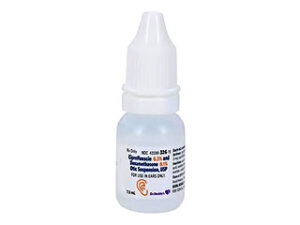
Some Ciloxan products are also used for certain bacterial ear infections. Use only the formulation intended for the affected area (eye vs ear), and follow local product instructions.
Do not use Ciloxan for:
- Viral eye infections (e.g., herpes-related eye disease) unless specifically advised
- Allergic eye conditions (such as hay fever) unless a bacterial infection is also present
- Infections you are unsure are bacterial
When to start and timing of doses
For eye infections, timing matters. Many bacterial eye infections improve when the medicine is started promptly and used regularly. Your product label or instructions will specify the exact schedule.
Common scheduling patterns (may vary by product and severity):
- Frequent early dosing (for example, several times daily) for faster control of infection
- Step-down dosing as symptoms improve (some regimens reduce frequency after a period)
How to keep track: Use a consistent routine (for example, morning, midday, evening, bedtime) and avoid missing doses. If you miss a dose, apply it as soon as you remember unless it is close to the next dose—then continue with your normal schedule.
How to use Ciloxan in practice (eye drops vs eye ointment)
General preparation
- Wash your hands before and after use.
- Avoid touching the tip of the bottle/tube to the eye or eyelids.
- Remove contact lenses before using eye drops or ointment.
- Do not use the medicine if the cap/tip has been damaged or contaminated.
If you use Ciloxan eye drops
- Tilt your head back.
- Gently pull down the lower eyelid to form a small pocket.
- Place the prescribed number of drops into the pocket.
- Close your eye gently and press lightly at the inner corner (near the nose) for about 1 minute.
- Keep the eye closed; avoid blinking repeatedly.
If you use Ciloxan eye ointment
- Use a small ribbon of ointment into the lower eyelid pocket, as directed.
- Close your eye gently and keep it closed for a short time.
- Ointment can blur vision temporarily—avoid driving until your vision is clear.
Between different eye products: If you are also using another eye medication (such as artificial tears or lubricating gels), space them out to avoid “washing out” the antibiotic. A common approach is to separate by at least 10–15 minutes, but follow your instructions.
Food interactions
Ciloxan eye/ear products are generally used locally, and food interactions are unlikely. However, if you are using other medications at the same time, be sure to consider their interactions separately.
For eye ointments/drops, you do not usually need to change meals. If you experience nausea or take other systemically acting medicines, discuss this with a pharmacist or clinician.
Alcohol and medicine interactions
Because Ciloxan is used in the eye/ear and systemic absorption is typically low, direct interactions with alcohol are not usually expected. Still, if you are taking other antibiotics or medicines by mouth, those may have their own guidance regarding alcohol.
As a general UK pharmacy tip:
- Avoid starting or stopping medicines without advice.
- Tell your pharmacist about all medicines you use, including eye drops, ear drops, tablets, and herbal products.
- If you have kidney problems, mention this to your healthcare professional, especially if you are using multiple ciprofloxacin products.
Important: Do not use Ciloxan more often than advised. Overuse increases the risk of side effects and may contribute to antibiotic resistance.
Indications (when Ciloxan may be appropriate)
In the UK, Ciloxan is generally intended for confirmed or strongly suspected bacterial infections of the eye (and certain bacterial ear infections for relevant formulations). The exact indication depends on the clinical scenario and the formulation you have.
- Infective conjunctivitis where bacterial infection is suspected
- Corneal infections due to susceptible bacteria
- Other bacterial ocular surface infections under clinical guidance
For best results, Ciloxan should be used as part of an appropriate treatment plan. If symptoms do not improve or worsen, the diagnosis may need to be reviewed.
Dose information (typical regimens)
Dosing depends on the condition, severity, and whether you are using drops or ointment. Always follow the directions on your pack or the leaflet included with your product.
Typical patterns (general guidance)
- Eye drops: Frequently administered at the start (often several times per day), then adjusted as improvement occurs.
- Eye ointment: Often used fewer times daily, with careful attention to application technique.
Example dosing schedules: Different regimens exist; your product will specify the exact frequency and duration. Do not use an “older” schedule you may have used previously unless it matches your current product instructions.
Practical point: If you are using Ciloxan for the first time or you have severe symptoms (significant pain, light sensitivity, or reduced vision), seek prompt medical advice—incorrect dosing or delayed treatment can be harmful.
Safety profile: side effects and what to watch for
Common side effects
- Temporary stinging/burning after applying drops
- Redness or mild irritation
- Watery eyes
- Blurred vision (more likely with ointment)
- Discomfort or a feeling of something in the eye
Less common but important side effects
- Allergic reactions (itching, swelling, rash, worsening redness)
- Persistent or worsening symptoms despite treatment
- Damage or severe reactions to the eye surface (seek urgent advice)
Seek urgent medical help if you have
- Severe eye pain
- Significant light sensitivity
- Reduced vision or vision that does not clear after application
- Rapidly worsening swelling around the eye
- No improvement after a couple of days of appropriate use (or any deterioration)
- Suspected herpes infection or a history of herpes affecting the eye
Practical tips for safer, more effective use
- Don’t share: Avoid sharing eye medication with others.
- Keep it clean: Close the bottle/tube promptly. Avoid touching the eye surface with the tip.
- Complete the course: Even if you feel better, continue for the full time stated for your condition.
- Contact lens rules: Remove contact lenses before starting and do not wear them until symptoms fully resolve and you have been advised it is safe (or the leaflet says so).
- Eye make-up: Avoid eye make-up while you have infection; replace make-up after recovery.
- Hygiene to prevent spread: Wash hands often. Avoid touching your eyes, and use clean towels.
- Vision blur: If you use ointment, plan for temporary blurred vision.
- Storage: Store according to the leaflet (commonly at room temperature, keep tightly closed; check specific temperature instructions on your pack).
Missed dose guidance
If you miss a dose:
- Apply it as soon as you remember.
- If it is almost time for the next dose, skip the missed dose.
- Do not apply double the amount to “catch up”.
Keep using the regular schedule afterward.
Overdose and accidental use
Accidental over-application of an eye drop or ointment usually causes temporary irritation rather than serious poisoning, but it can worsen redness and discomfort. If you accidentally use significantly more than directed, rinse the eye with clean lukewarm water or saline and seek advice if symptoms are troublesome or persistent.
If a large quantity is swallowed (uncommon with eye products), seek medical advice or contact NHS 111 for guidance.
Alternative options for bacterial eye infections
Depending on the type of infection and local clinical judgement, alternative antibiotics may be considered. Options can include other topical antibiotics, sometimes depending on susceptibility patterns and risk factors.
Common alternative antibiotic approaches (varies by indication)
- Other topical fluoroquinolones (similar class, different active ingredients)
- Other topical antibiotics (e.g., aminoglycosides or macrolides), depending on local recommendations and the likely bacteria
- Supportive care for symptoms (such as lubricants), alongside antibiotic treatment if appropriate
The best alternative depends on factors such as: suspected organism, contact lens use, severity, eye surface damage, previous antibiotic exposure, and tolerance.
UK market and legal context (overview)
In the United Kingdom, antibiotic eye and ear medicines are regulated medicines and are supplied in line with UK medicines legislation. Availability depends on the specific product, whether it is a prescription-only medicine or supplied through other authorised routes, and pharmacy policies.
Your local pharmacy will follow UK requirements for safe supply, patient counselling, and relevant checks. Product leaflets provide the detailed instructions that apply to your exact Ciloxan pack.
Recent UK-facing guidance and antibiotic stewardship
Across the UK, healthcare services encourage antibiotic stewardship—using antibiotics only when needed and choosing appropriate agents to reduce resistance. For eye infections, it is especially important to confirm or strongly suspect bacterial causes and to review treatment quickly if there is no improvement.
- Use antibiotics only for likely bacterial infection
- Avoid unnecessary use for viral or allergic symptoms
- Review if not improving after the expected early period
- Follow the correct dosing schedule
If you are unsure whether symptoms are bacterial, ask a pharmacist or clinician for guidance.
Delivery and availability in the UK
Ciloxan availability may vary by formulation and pack size. When offered through an online pharmacy, delivery times depend on your location, courier services, and stock status.
- Stock checks: Many online pharmacies check availability before dispatch.
- Dispatch: Orders are typically dispatched once payment and any required checks are complete.
- Delivery service: Standard vs express options may be available.
- Packaging: Medicines are commonly packaged to protect contents and maintain security.
If you need your medication urgently, check the delivery estimates at checkout or contact customer support.
FAQ – Ciloxan (Ciprofloxacin) for eye/ear infections
1. Is Ciloxan effective for viral conjunctivitis?
No. Ciloxan is an antibiotic and works against bacteria. Viral conjunctivitis will not improve from ciprofloxacin alone. If you are unsure what type of conjunctivitis you have, seek advice—especially if symptoms are severe or you have contact lens–related risk.
2. How quickly should I feel better?
Many bacterial eye infections begin to improve within 1–2 days after starting appropriate treatment. If symptoms worsen or do not improve within a short timeframe, you should seek medical/pharmacy advice so the diagnosis and treatment plan can be reviewed.
3. Can I wear contact lenses while using Ciloxan?
You should remove contact lenses before using Ciloxan and avoid wearing them until you have recovered and received advice that it is safe to restart. Contact lenses can increase the risk of complications and can reduce treatment effectiveness.
4. What if the eye still looks red after using Ciloxan?
Mild redness and irritation can persist for a short period even as infection improves. However, significant worsening, severe pain, light sensitivity, or reduced vision require prompt assessment.
5. Can I drive after using Ciloxan?
If you use drops, vision may remain clear, but if you use ointment, it often blurs vision temporarily. Avoid driving until your vision is clear.
6. Will Ciloxan interact with other medicines?
Because the medicine is used locally and systemic absorption is generally low for eye/ear use, interactions are less likely than with oral antibiotics. Still, tell your pharmacist about all medicines and eye/ear products you use, including non-prescription items.
7. What should I do if I accidentally get the tip of the bottle/tube in my eye?
Avoid touching the eye surface to reduce contamination risk. If it happened, do not panic—stop and apply as directed. If you are concerned about contamination, ask your pharmacist for guidance on whether to continue the bottle/tube or use a new one.
8. Can I drink alcohol while using Ciloxan?
Direct alcohol interactions are not typically expected with eye/ear ciprofloxacin products. If you take other medicines that interact with alcohol, follow the guidance for those medicines.
9. How long can I use the bottle after opening?
Check the leaflet for expiry after opening guidance, which may vary by product. If you are unsure, consult the leaflet or your pharmacist.
10. Are there people who should be extra cautious?
Extra caution may be needed if you have:
- A known allergy to ciprofloxacin or other fluoroquinolones
- History of severe reactions to antibiotics
- Eye conditions that require specialist care (for example, suspected viral or inflammatory eye disease)
Seek prompt advice if symptoms are severe or unusual.
Summary
Ciloxan (ciprofloxacin) is a fluoroquinolone antibiotic used to treat bacterial infections of the eye (and certain bacterial ear infections depending on the formulation). It works by disrupting key bacterial DNA processes, helping the infection clear. Use the correct dose, maintain good hygiene, and avoid contact lenses during treatment. If you experience severe pain, light sensitivity, reduced vision, or no improvement, seek advice promptly.
| Category | What to know |
|---|---|
| Active ingredient | Ciprofloxacin |
| Medicine type | Topical antibiotic (fluoroquinolone) |
| Used for | Bacterial eye infections (and some ear infections depending on product) |
| How it works | Blocks bacterial DNA enzymes (DNA gyrase and topoisomerase IV) |
| Food effects | Not usually relevant for eye/ear use |
| Alcohol effects | Direct interactions are not usually expected; check other medicines you take |
| Seek urgent help | Severe pain, light sensitivity, reduced vision, rapid worsening, or no improvement |