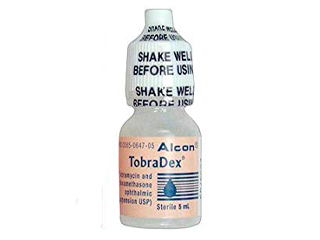
Tobramycin and Dexamethasone (eye/ear drops): Patient-friendly guide
Tobramycin and dexamethasone is a combination medicine that brings together an antibiotic (tobramycin) and a corticosteroid (dexamethasone). It is used to treat certain inflammatory eye conditions and some ear conditions where infection and inflammation may occur together. This page explains what the medicine is for, how it works, how to use it safely, and when to seek help.
Important note about this medicine
Always follow the instructions provided with your product and any advice from a healthcare professional. If you are unsure whether this medicine is suitable for your condition (for example, if you have a suspected viral infection), speak with a pharmacist or clinician.
Basic product information
- Medicinal ingredients: Tobramycin (antibiotic) + Dexamethasone (steroid)
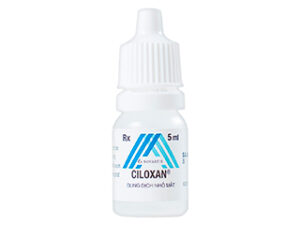
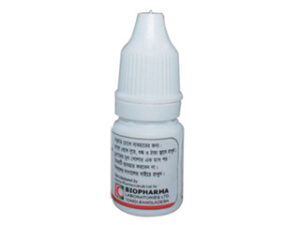
- Common form: Eye drops or ear drops (availability varies by product and manufacturer)
- What it is used for: Inflammation with bacterial infection, depending on the condition being treated
- Brand and strength: Varies by manufacturer (check the pack for your exact strength and formulation)
How it works (mechanism of action)
1) Tobramycin: antibiotic action
Tobramycin is an aminoglycoside antibiotic. It works by interfering with how bacteria make proteins, leading to bacterial death or stopping bacterial growth. It is active against many common bacteria responsible for eye/ear infections.
2) Dexamethasone: anti-inflammatory steroid action
Dexamethasone reduces inflammation by affecting inflammatory chemical signals in the body. This can lessen redness, swelling, pain, and irritation associated with inflammatory conditions.
Why the combination is used
Some conditions have both infection and significant inflammation. Using an antibiotic and a steroid together can help treat the infection while also controlling inflammatory symptoms.
Pharmacokinetics (what the body does to it)
Because tobramycin and dexamethasone are typically used locally (in the eye or ear), most of the medicine acts where it is applied. However, small amounts can be absorbed through tissues and may enter the bloodstream.
- Local action: High drug concentrations at the application site help treat infection/inflammation.
- Systemic absorption: Absorption can occur, especially with frequent dosing, larger amounts, broken skin/mucosa, or prolonged use.
- Metabolism and elimination: Like many corticosteroids, dexamethasone is metabolised by the liver and eliminated by the body’s normal processes. Tobramycin is handled by the kidneys if absorbed systemically.
In practice, for most people using topical drops as directed, systemic effects are uncommon, but they are possible, especially with higher doses, long courses, or in certain situations (for example, impaired kidney function or extensive tissue inflammation).
Typical uses (indications)
Indications depend on the product formulation and whether it is an eye or ear preparation. In general, tobramycin with dexamethasone is used for conditions where:
- Inflammation is present, and
- Bacterial infection is suspected or confirmed, and
- The clinician judges a steroid is appropriate to control inflammation.
Examples of conditions that may be treated (product-dependent):
- Eye: Certain inflammatory eye infections where a bacterial cause is considered and a steroid effect is needed.
- Ear: Some outer/middle ear inflammatory infections where the combination is recommended.
Not for viral causes: Steroids can worsen some viral infections. If you suspect herpes infection of the eye (for example, severe pain with light sensitivity and a history of cold sores/HSV), get urgent medical advice.
When and how to take it (timing and administration)
General timing
- Use at the times stated on your label or as advised by a healthcare professional.
- Many regimens involve several doses per day initially, then gradual reduction as symptoms improve.
How to use eye drops (if your product is for the eye)
- Wash your hands before use.
- If you wear contact lenses, follow your product instructions. Many eye drop products advise removing lenses during treatment.
- Tilt your head back, gently pull down the lower eyelid to form a small pocket.
- Hold the dropper above the eye and instil the prescribed number of drops without touching the eye or eyelids.
- Close your eye gently and press lightly on the inner corner (near the nose) for about 1 minute if you have been advised to do so. This can reduce drainage into the tear duct.
- Replace the cap and wash hands again.
How to use ear drops (if your product is for the ear)
- Wash your hands.
- Warm the bottle in your hand for a few minutes if drops feel cold.
- Lie with the affected ear uppermost or tilt your head to expose the ear canal.
- Gently pull the ear to help straighten the ear canal (upwards/backwards for adults; different for children).
- Instil the prescribed number of drops into the ear.
- Keep the head tilted for a few minutes to allow the drops to spread.
- Replace the cap and wash hands again.
Missing a dose
If you miss a dose, take it as soon as you remember unless it is close to the next dose. Do not double up unless your clinician has advised it.
Dosing (what is commonly used)
Dosing varies by product, age, condition severity, and whether it is an eye or ear preparation. The information below is general and should not replace the dose on your label.
Typical dosing patterns
| Formulation | Typical initial dosing pattern (example) | After improvement (example) |
|---|---|---|
| Eye drops | Often several times per day for a short period | May be reduced gradually based on response |
| Ear drops | Often multiple times per day | May be reduced after improvement |
For the safest outcome, check the exact dosing instructions on your medicine label. If your symptoms do not improve within the expected timeframe, contact a pharmacist or clinician.
Food interactions
Because this medicine is used locally (eye/ear), food interactions are unlikely. There is no standard requirement to avoid specific foods when using tobramycin and dexamethasone drops.
Alcohol interactions
Local eye/ear use generally results in low systemic absorption, so alcohol interactions are not typically expected. However, if you are taking other medicines that interact with steroids or antibiotics, or if you experience side effects, follow medical advice.
Other medicine interactions
Significant interactions are uncommon with topical use, but it’s still important to consider the following:
- Other eye/ear drops: If you use additional drops, separate them by at least 5–10 minutes unless your clinician advises otherwise.
- Contact lens solutions: If you resume lens wear, ensure compatibility and follow your product guidance.
- Systemic steroids/antibiotics: If you are on other steroid-containing treatments, inform your clinician, as cumulative steroid exposure may be relevant in some cases.
- Kidney disease (for systemic exposure): Although unlikely with local use, tell your clinician if you have kidney impairment.
Always provide a list of your current medicines and supplements to your pharmacist, especially if you have multiple eye/ear products.
Safety profile: side effects and precautions
Common side effects
Side effects can vary depending on whether the medicine is used in the eye or ear and on your individual condition. Common effects may include:
- Mild stinging, burning, or irritation after instillation
- Temporary blurred vision (for eye drops)
- Discomfort or a sense of fullness (for ear drops)
- Redness or irritation around the treated area
Less common but important risks of steroid-containing eye/ear medicines
Because dexamethasone is a corticosteroid, long or inappropriate use may be associated with:
- Raised eye pressure (glaucoma risk with prolonged steroid use)
- Worsening or masking of infection if the underlying cause is not bacterial
- Delayed healing
- Potential effect on the cornea in certain eye conditions
Allergic reactions
Seek urgent medical advice if you develop signs of allergy such as swelling of the face/eyelids, hives, severe rash, or breathing difficulty.
When to get urgent help
Stop using the medicine and seek urgent medical advice if you experience:
- Severe eye pain or rapidly worsening symptoms
- Significant swelling, marked redness, or pus-like discharge that worsens
- New or increasing light sensitivity
- Vision changes that persist
- For ear drops: intense pain, worsening hearing, or fever
Practical use tips for better results
- Don’t stop early without advice: If you improve, you may still need to complete the course or follow a taper, depending on your plan.
- Use good hygiene: Avoid touching the dropper tip to the eye/ear to reduce contamination.
- Keep track of symptoms: Note improvement in pain, redness, discharge, and comfort.
- Watch for the unexpected: If symptoms worsen after starting, contact a clinician promptly.
- Contact lenses: If your product guidance advises avoiding lenses, do so until treatment is complete and symptoms resolve.
- Storage: Store as stated on the pack (temperature and light conditions can vary).
- Use-by date: Follow the expiry date and any “discard after opening” instructions.
Alternative options (what else may be considered)
Depending on your diagnosis and severity, clinicians may consider alternatives such as:
- Antibiotic-only drops if steroid effect is not needed
- Anti-inflammatory drops without antibiotics if infection is unlikely
- Different antibiotic combinations if bacteria are resistant or suspected organisms differ
- Non-drop treatments in specific cases (for example, oral therapy for some infections)
The “best” alternative depends on whether the cause is bacterial, inflammatory, viral, allergic, or due to a problem with anatomy or drainage. A healthcare professional can help choose the most appropriate option.
Market and legal context in the UK
Medicines in the UK are regulated under medicines legislation and the UK medicines framework. Many eye and ear products are classified according to risk, intended use, and patient safety requirements.
- Regulation: Products are authorised by relevant UK authorities and are supplied according to their legal status.
- Pharmacy supply: Some products may be available through pharmacies under appropriate supply rules, while others may require clinician involvement depending on their classification and the strength or formulation.
- Professional guidance: Pharmacists provide advice on correct use, duration, and red flags.
If you’re ordering online, the website should provide clear instructions and appropriate checks. Always ensure the product you receive matches the formulation you need (eye vs ear; strength and dose).
Recent guidance and stewardship (why correct use matters)
Antibiotic stewardship is increasingly emphasised across healthcare systems, including for topical medicines. The key principles are:
- Use antibiotics only when bacterial infection is likely.
- Avoid unnecessary steroid use if infection is not confirmed or if viral infection is possible.
- Use the shortest effective duration for the condition.
- Seek review if symptoms fail to improve rather than extending treatment indefinitely.
Your pharmacist or clinician can advise how long you should use the medicine for your specific situation.
Delivery, availability, and what to expect when ordering
Online pharmacies in the UK typically offer a range of delivery options and trackable dispatch. Availability can vary by manufacturer and by whether the medicine is in an eye or ear preparation.
- Dispatch times: Usually on business days if ordered before cut-off times
- Tracking: Many orders include tracking information
- Cold chain: This type of product generally does not require refrigeration unless specified on the pack
- Packaging: Kept secure to protect dropper tips and prevent leaks
To avoid delays, ensure your delivery address is correct and allow for any identification or confirmation steps required by the supplier for the product category.
Frequently asked questions (FAQ)
1) Is tobramycin and dexamethasone the same as other steroid eye drops?
Not necessarily. Many steroid drops contain different active ingredients. This combination includes both an antibiotic (tobramycin) and a steroid (dexamethasone), which may be suitable for specific bacterial inflammatory conditions.
2) Can I use it if my symptoms are mild?
You should only use it for the condition it has been recommended for. Mild symptoms can improve over time, and using a steroid when the cause is not bacterial can make things worse. If you are unsure, ask a pharmacist for advice.
3) How quickly should I feel better?
Many people notice some improvement within a couple of days, but this depends on the underlying cause and severity. If there is no improvement within the expected timeframe (often around 48–72 hours for many infections), seek medical advice rather than continuing without review.
4) What should I do if the dropper tip touches my eye/ear?
Avoid using the dropper to touch the eye/ear. If contact happens, stop and speak to your pharmacist about safe continued use. In general, clean the outside carefully and ensure hygiene to reduce contamination.
5) Can I wear contact lenses while using it?
This depends on the product and the nature of your condition. Many eye drop treatments advise avoiding contact lenses during treatment. If your doctor/pharmacist says lenses can be used, follow the exact instructions.
6) Will it affect my vision?
Eye drops may cause temporary blur or discomfort immediately after instillation. Avoid driving or operating machinery until your vision clears.
7) Are there any long-term concerns?
Steroids can be associated with raised intraocular pressure and other effects when used for longer periods. For this reason, it’s important to follow the recommended duration and attend eye reviews if advised.
8) Can children use this medicine?
Some formulations may be used in children under clinician guidance. Dosing and suitability depend on the age and the condition. Always check the pack instructions and seek advice if you are unsure.
9) What if I accidentally use too much?
If you use extra drops, rinse the eye/ear with clean lukewarm water (for eyes) if advised and contact a pharmacist or clinician for guidance. If there are severe symptoms such as intense pain or vision changes, seek urgent medical advice.
10) How should I store the medicine?
Store according to the pack instructions. Keep out of sight and reach of children. Some products may require specific temperature conditions and should be protected from excessive heat.
Summary
Tobramycin and dexamethasone is a combination antibiotic and steroid used to treat selected inflammatory conditions where bacterial infection is a concern. It can reduce symptoms and treat infection locally, with generally low systemic exposure when used as directed. Because the steroid component can carry specific risks—especially if the underlying cause is not bacterial—use it only for the recommended condition and seek advice if symptoms worsen or fail to improve.