Rifampin (Rifampicin) — Patient Information (UK)
Rifampin (also known as rifampicin) is an antibiotic used to treat certain serious bacterial infections. It is particularly important in the treatment of tuberculosis (TB) and in some infections caused by bacteria that can spread in households, healthcare settings, or communities. Rifampin can be very effective, but it also has important interactions and safety considerations—especially with other medicines.
This guide is written for patients and carers in the United Kingdom. It explains what Rifampin is, how it works, how it behaves in the body, when and how it’s usually taken, and what to watch out for during treatment.
Quick overview
- Medicine name: Rifampin (Rifampicin)
- Type: Antibiotic (rifamycin class)
- Common uses: TB regimens, sometimes certain other infections or preventive (prophylactic) treatment as advised
- Key caution: Many medicine interactions (enzyme induction) and body fluid staining (orange-red)
- Common side effects: Orange/red urine and tears, nausea, abdominal discomfort
- Important risks: Liver problems, severe allergic reactions, blood count changes (rare), drug interactions affecting contraceptives and other medicines
Basic product information
Rifampin is used as part of combination antibiotic regimens for conditions where resistance could otherwise develop. In TB, for example, rifampicin is typically taken alongside other TB medicines.
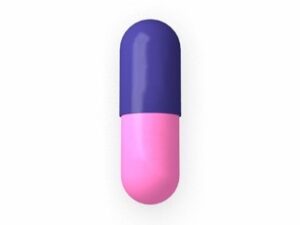
In the UK, the exact presentation (for example, capsules or tablets) may vary by product. Your pharmacist or prescriber will tell you the strength and schedule that matches your condition.
Brand names: Rifampicin products may be available under different brand names. If you are unsure which product you have, check the packaging or ask your pharmacist.
How Rifampin works (mechanism of action)
Rifampin belongs to the rifamycin class of antibiotics. It works by inhibiting an enzyme called DNA-dependent RNA polymerase in bacteria. This stops bacteria from making essential RNA and proteins, slowing growth and killing susceptible organisms.
Why it matters: By targeting bacterial RNA synthesis, rifampin helps clear infection. However, bacteria can develop resistance if rifampin is used alone—so it is commonly used as part of combination therapy where appropriate.
Pharmacokinetics: what happens in the body
Understanding how rifampin is absorbed and processed can help explain why timing and interactions are important.
- Absorption: Rifampin is absorbed from the gut. Food and stomach conditions can influence absorption, so guidance may differ based on your regimen.
- Distribution: It spreads into many body tissues, including sites involved in TB such as lung tissue and, to some extent, other infected areas.
- Metabolism: The liver processes rifampin and related metabolites.
- Enzyme induction: Rifampin is a strong inducer of certain liver enzymes (notably the cytochrome P450 system, including CYP3A4) and transport proteins. This is the basis for many drug interactions.
- Elimination: Rifampin and metabolites are eliminated mainly through bile and urine.
- Staining: A well-known effect is orange-red staining of body fluids (for example, urine, tears, sweat). This is commonly expected and usually not harmful.
Practical point: Because rifampin can change how other medicines are broken down, it may reduce the effect of some drugs even if those medicines were previously working well.
What Rifampin is used for (indications)
In clinical practice in the UK, rifampin/rifampicin is used for:
- Tuberculosis (TB): Typically as part of combination treatment.
- Other infections where rifampicin is appropriate: Depending on local guidance and culture results (for example, infections involving certain bacteria such as Staphylococcus aureus in selected regimens, often alongside other antibiotics).
- Preventive treatment (selected situations): Sometimes used as prophylaxis in specific high-risk settings, depending on risk assessment and organism exposure.
Important: Rifampin should not be used for viral illnesses (such as the common cold or flu). It works against bacteria only.
Typical dosing and timing in adults
Dosing depends on the condition, combination regimen, weight, age, liver function, and local TB or infection guidelines. Always follow the schedule given to you by your healthcare professional.
Typical adult TB dosing patterns (general information):
- Daily regimens are common in many settings.
- Intermittent dosing may be used in some TB regimens under specialist supervision.
Timing considerations:
- For TB and similar regimens, medicines are often taken at the same time each day to maintain consistent levels.
- If you miss a dose, follow the advice you’ve been given by your healthcare team. Do not double up unless instructed.
Children and special populations: Doses may be weight-based and guided by specialist protocols.
Check your label: Strengths can differ between products. Take the dose written on your medicine supply label.
Food interactions and taking Rifampin
Food can affect how much rifampin your body absorbs.
- Take with or without food may be acceptable depending on your specific product and regimen. However, if you notice stomach upset, your pharmacist may suggest taking it with food.
- Consistency helps: Try to take rifampin in the same way each day (for example, always with a meal or always on an empty stomach) unless advised otherwise.
- Alcohol and appetite: Alcohol may worsen liver risk and may increase nausea—see below for alcohol guidance.
Administration tip: If you experience nausea, a small snack may help (unless your clinician has advised otherwise).
Alcohol and medicine interactions
Alcohol
While moderate alcohol may be possible for some people, rifampin can affect the liver. To reduce risk, it is generally advised to:
- Avoid heavy drinking during treatment.
- Speak to a clinician before drinking alcohol if you have liver disease, hepatitis history, or abnormal liver blood tests.
- Stop alcohol and get urgent medical advice if you develop jaundice, dark urine, or severe upper abdominal pain.
Important medicine interactions (UK-relevant)
Rifampin strongly induces liver enzymes and transport proteins, which can reduce the effectiveness of many medicines. This can sometimes lead to treatment failure.
Common categories of medicines that may interact (not an exhaustive list):
- Hormonal contraceptives: Rifampin can reduce effectiveness of the combined pill, progestogen-only pill, and may affect implant and some other hormonal methods. Barrier contraception may be needed.
- Warfarin and anticoagulants: Induction can change clotting control; frequent monitoring may be required.
- Antiepileptics: Levels of some anti-seizure medicines can be reduced.
- HIV and other antiretrovirals: Interactions may be significant; regimen adjustments are often needed.
- Immunosuppressants: For example, some transplant-related medicines may need review.
- Antifungals: Some azoles may be affected.
- Certain antibiotics and antivirals: Specific combinations require advice.
Also note: Rifampin may affect how quickly other drugs are cleared, while other medicines may alter rifampin levels. This is why a full medicine review (including over-the-counter products and herbal supplements) is essential.
Herbal supplements: Products such as St John’s wort can also induce enzymes and may worsen interactions.
Safety profile: what to expect and when to seek help
Most people tolerate rifampin, but it has important potential adverse effects. Report new or concerning symptoms promptly.
Common side effects
- Orange-red discolouration of urine, sweat, tears, and sometimes saliva
- Stomach upset (nausea, abdominal discomfort)
- Headache
- Fatigue or general malaise
- Itching or rash (may occur)
Serious side effects (seek urgent medical advice)
- Liver problems: Symptoms may include jaundice (yellowing of eyes/skin), dark urine, pale stools, persistent vomiting, severe tiredness, or right upper abdominal pain.
- Allergic reactions: Swelling of face/lips, trouble breathing, widespread rash, or fainting.
- Severe skin reactions: Blistering, skin peeling, or painful sores.
- Blood problems (rare): Unusual bruising, bleeding, severe sore throat, or infections.
- Severe gastrointestinal symptoms: Persistent diarrhoea, blood in stool, or severe dehydration.
Monitoring
Depending on your regimen and risk factors, clinicians may monitor:
- Liver function tests
- Full blood count
- In TB care, additional tests for other medicines in your combination regimen
Prompt reporting: Don’t wait for your next appointment if you notice warning signs.
Practical use tips (help you take rifampin safely)
- Plan for staining: Rifampin can stain contact lenses, clothes, and bedding. Consider avoiding light-coloured items if possible and follow contact lens guidance.
- Keep a medicine list: Carry a list of all medicines, vitamins, and supplements—especially if you see multiple clinicians.
- Maintain timing consistency: Take it at the same time each day. Setting alarms can help.
- Don’t stop early: Stopping rifampin (or any component of a regimen) early can contribute to resistance and treatment failure.
- Hydration and diet: If nausea occurs, small bland meals/snacks can help (unless you’ve been told otherwise).
- Ask about contraception: Discuss reliable non-hormonal contraception or barrier methods during treatment.
- Be cautious with new medicines: Before starting any new prescription, over-the-counter medicine, or herbal product, ask a pharmacist or clinician.
Alternative options
Alternative antibiotics may be considered depending on the infection, organism sensitivity, and patient factors.
For TB regimens: TB treatment typically uses multiple medicines chosen by specialists according to disease type (pulmonary/extra-pulmonary), drug susceptibility, and national guidance. If rifampin isn’t suitable, alternatives may include other rifamycins or different antibiotic combinations.
For other infections: Choice depends on culture results and the likely bacteria involved.
Important: If you’re asking about alternatives, it’s crucial that your clinician reviews your full medical history and current medication list to avoid ineffective or harmful substitutions.
Market and legal context in the United Kingdom
Rifampicin products are medicines used in clinical care in the UK. Medicines may be supplied under different frameworks depending on strength, formulation, and the conditions being treated.
Key UK considerations:
- Regulatory status: Rifampicin is authorised for use within the UK for specific indications and under specified conditions.
- Specialist oversight: TB treatment generally follows national protocols and often involves specialist teams.
- Safety monitoring: Because of drug interactions and potential liver toxicity, healthcare systems commonly include structured monitoring.
Recent guidance: TB management continues to be guided by UK public health and national clinical guidance, including recommendations about combination therapy, adherence support, and monitoring of adverse effects.
Delivery and availability (online pharmacy information for UK)
Availability and delivery can vary by product presentation and local regulations. When ordering online from a UK pharmacy:
- Check product details: Confirm the exact strength and form (capsule/tablet) before dispatch.
- Delivery times: Many pharmacies deliver within standard UK postal timelines, but timing may vary during busy periods.
- Temperature/light considerations: Follow the storage instructions on the outer packaging or leaflet.
- Packaging: Medicines are typically dispatched in secure, tamper-evident packaging with patient information.
If you have questions about stock status, delivery location, or expected dispatch times, contact the pharmacy directly.
FAQ: Rifampin (Rifampicin)
1) Why does my urine turn orange/red?
This is a known effect of rifampin. It can also tint tears, sweat, and contact lens material. It is usually harmless, but if you develop symptoms of liver trouble (such as jaundice or severe abdominal pain), contact a clinician urgently.
2) Can I drink alcohol while taking Rifampin?
Rifampin can increase the risk of liver-related problems. It’s best to avoid heavy drinking during treatment. If you have liver disease or abnormal liver tests, discuss alcohol with your healthcare team. Seek urgent advice if you notice jaundice or severe symptoms.
3) Does Rifampin affect the contraceptive pill?
Yes. Rifampin can reduce effectiveness of hormonal contraceptives (including the pill). Barrier contraception or another reliable non-hormonal method is often recommended during treatment. Discuss options with your pharmacist or clinician.
4) What happens if I miss a dose?
Follow the advice you were given with your medicines. In many cases, if you remember later the same day, you may be advised to take it; if it’s close to the next dose, you may be told to skip. Do not double doses unless instructed.
5) Can I take Rifampin with food?
Some people can take it with or without food depending on their regimen and tolerability. If you experience nausea, taking it with a meal or snack may help, but keep the routine consistent and follow your healthcare team’s instructions.
6) Are there interactions with other antibiotics or painkillers?
Many medicines can interact with rifampin. Some painkillers are usually safe, but the key issue is that rifampin can affect liver enzyme activity. Tell your pharmacist about all medicines you use regularly, including over-the-counter products.
7) Should I avoid herbal remedies?
Some herbal products can interact with rifampin (for example St John’s wort). It’s safest to avoid starting new supplements during treatment unless you’ve checked with a pharmacist.
8) How long will treatment take?
Duration depends on the infection and your clinical response. TB treatment often lasts months and involves multiple antibiotics. Don’t stop early—even if you feel better—unless a clinician advises you to.
9) When should I seek urgent help?
Get urgent medical advice if you have signs of severe allergy (swelling, trouble breathing), severe or worsening skin rash, jaundice, persistent vomiting, or severe upper abdominal pain. Contact a clinician promptly if you have concerning symptoms.
10) Will Rifampin stain my clothes and contact lenses?
It may. Orange/red discolouration can transfer onto fabric and tint body fluids. Contact lenses may be affected, so follow advice on use and handling during treatment.
Reference safety summary (patient-friendly)
| Topic | Key message for patients |
|---|---|
| Main use | Antibiotic used in TB regimens and selected bacterial infections |
| How it works | Stops bacteria making RNA (inhibits bacterial DNA-dependent RNA polymerase) |
| Common effects | Orange/red urine and tears; stomach upset; headache |
| Major concern | Liver effects and significant interactions with many medicines |
| Interactions | Can reduce effectiveness of hormonal contraception and other medicines—always check with a pharmacist |
| Food | Food may affect absorption; take consistently and follow your specific instructions |
| Alcohol | Avoid heavy drinking; contact a clinician urgently if you develop jaundice or severe symptoms |
| When to get help | Allergy symptoms, severe rash, jaundice, persistent vomiting, or severe abdominal pain |
Remember: If you have any concerns about taking Rifampin—such as interactions, side effects, pregnancy/contraception questions, or missed doses—speak to a pharmacist or healthcare professional. They can provide advice tailored to your specific regimen and medical history.