Keflex (Cephalexin) — Patient Information (UK)
Keflex is a brand of cephalexin, an antibiotic in the cephalosporin family. It is used to treat certain bacterial infections and works by stopping bacteria from building their cell walls. This page explains what Keflex is, how it works, how it’s taken, and important safety information to help you use it confidently.
If you have questions about whether Keflex is suitable for you, speak to a healthcare professional. The information below is intended to be patient-friendly and UK-focused.
Key product information
| Medicine | Active ingredient | Antibiotic type | Common forms (examples) |
|---|---|---|---|
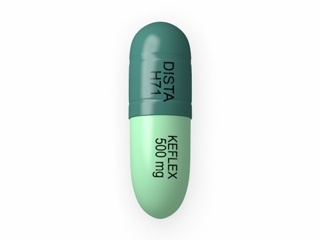
| Keflex | Cephalexin | Cephalosporin (beta-lactam) | Capsules / tablets / oral granules (varies by pack) |
| Also known as | Cephalexin (generic) | Multiple UK brands and generics may be available |
Important: Always check the strength on your specific pack (for example, how many milligrams per tablet/capsule or per measure of granules). Dosing is based on the infection being treated, your age/weight, kidney function, and clinical factors.
How Keflex works (mechanism of action)
Cephalexin works by targeting a part of bacterial cell wall construction. Bacteria need a strong cell wall to survive. Keflex interferes with the “cross-linking” steps used to build that wall, weakening the bacteria and leading to their death.
Keflex is designed to work against certain bacteria. It does not treat viral infections such as colds or flu.
What infections are typically targeted?
- Some common skin and soft tissue infections (depending on local resistance patterns)
- Some urinary tract infections (UTIs) when caused by susceptible bacteria
- Some respiratory tract infections when bacterial and susceptible
- Bone and joint infections in selected cases, sometimes under specialist care
The most appropriate antibiotic depends on the suspected bacteria, severity, site of infection, and any relevant allergy history.
Pharmacokinetics (what the body does to the medicine)
“Pharmacokinetics” describes how the body absorbs, distributes, metabolises, and eliminates a medicine. Cephalexin is generally taken by mouth and absorbed into the bloodstream.
- Absorption: Cephalexin is absorbed after oral administration. Taking it regularly helps maintain effective levels.
- Distribution: It reaches infection sites and can be detected in tissues and body fluids, including urine.
- Metabolism: Cephalexin is not extensively metabolised by the body.
- Elimination: Most of the antibiotic is eliminated via the kidneys. If you have reduced kidney function, dose adjustments may be needed by a clinician.
- Half-life: The elimination half-life helps determine how often it is taken (commonly several times daily).
This kidney-based elimination is why it’s important to tell a healthcare professional if you have kidney disease or a history of kidney problems.
Typical use in the UK
Keflex/cephalexin is commonly used in the UK for bacterial infections that are expected or confirmed to be susceptible to cephalexin. Clinicians consider local prescribing guidance and resistance patterns.
Common indications (examples)
- Skin and soft tissue infections such as cellulitis, infected wounds, or infected bite wounds
- Urinary tract infections (UTIs) where cephalexin is appropriate
- Respiratory tract infections such as some cases of tonsillitis or other bacterial throat/respiratory infections, when suitable
- Bone and joint infections in selected cases (often with specialist oversight)
- Other bacterial infections may be treated depending on clinical assessment and local guidance
Your clinician may base the decision on symptoms, examination, and sometimes tests (for example, urine tests, throat swabs, or culture results).
Timing and how to take Keflex
Keflex is usually taken at regular intervals throughout the day to keep antibiotic levels steady. Many regimens involve multiple daily doses. Follow your specific instructions on your medicine label.
Practical timing tips
- Choose fixed times: e.g., morning, midday, evening, and night (depending on your prescribed schedule).
- Keep the gap even: aim for consistent spacing between doses.
- Use reminders: phone alarms or a medication box can help.
- Complete the course: even if you feel better, unless you’re advised to stop.
If you forget a dose
- Take it when you remember if it is not close to the next dose.
- If it’s nearly time for the next dose, skip the missed dose.
- Do not take a double dose to make up for a missed one.
If you’re unsure what to do, ask a pharmacist for advice.
Food interactions
Cephalexin can usually be taken with or without food. Food may help reduce the chance of stomach upset.
- If your stomach feels sensitive: consider taking Keflex with a meal or snack.
- Keep it consistent: once you find a routine that suits you, continue with the same approach.
There are no broadly common “dangerous” interactions between Keflex and specific foods. However, it’s still important to follow your prescribed regimen and check for any individual restrictions from your clinician.
Alcohol interactions
Moderate alcohol is not generally considered directly “unsafe” with cephalexin in most people. However, alcohol can worsen side effects such as dizziness, nausea, or diarrhoea—and it may delay recovery by affecting hydration and sleep.
- For the best recovery, consider avoiding alcohol while you’re unwell and taking antibiotics.
- If you choose to drink, keep it light and ensure you’re well hydrated.
If you are experiencing severe diarrhoea or stomach symptoms, avoid alcohol and seek advice promptly.
Medicine interactions (other medicines)
Most interactions are manageable, but it’s important to review your current medicines—including over-the-counter products and herbal remedies—with a pharmacist or clinician.
Common interaction considerations
- Probenecid (for gout): may affect kidney elimination and can change cephalexin levels.
- Medicines that affect kidney function: because cephalexin is cleared by the kidneys, kidney-affecting drugs may require additional monitoring.
- Oral anticoagulants (e.g., warfarin): some antibiotics can influence bleeding risk indirectly by affecting gut bacteria or vitamin production. Monitoring may be required if you take warfarin.
- Oral vaccines (live bacterial vaccines): cephalexin generally doesn’t interfere in the way antibiotics can with some specific vaccine schedules, but it’s worth checking with healthcare guidance if you’re due immunisations.
- Other antibiotics: combining without guidance may be unnecessary and can increase side effects or resistance risk.
Practical advice: Keep a list of your medicines and show it to a pharmacist. If you’re buying Keflex online, consider completing a medication review step (where available) to support safe use.
Dosing (general guidance)
Dosing for Keflex depends on the infection, the likely or confirmed bacteria, the severity of illness, age, weight, and kidney function. A clinician will decide the appropriate dose and course length.
Adults (typical examples)
Adult dosing is often given in divided doses throughout the day. Many regimens use multiple daily dosing rather than once-daily dosing.
Because dosing schedules vary by condition, you should follow the instructions on your pack label or the specific advice provided by your healthcare professional.
Children
In children, cephalexin dosing is usually calculated based on body weight. Correct measurement is important—especially for liquid/granule formulations.
- Use the measuring device provided with the medicine.
- Do not approximate with household teaspoons.
- Check the concentration on the bottle to ensure correct dosing.
Kidney impairment
If you have impaired kidney function, dose adjustments may be needed. If you have known kidney disease, tell the prescriber/pharmacist before starting.
Safety profile
Like all medicines, Keflex can cause side effects. Many are mild and temporary, but some require urgent medical attention.
Common side effects
- Diarrhoea, loose stools
- Nausea or mild stomach upset
- Headache
- Rash or mild skin reactions
- Vaginal thrush (in some people, due to changes in normal flora)
Seek urgent help if you have
- Signs of an allergic reaction such as swelling of the face/lips, trouble breathing, wheezing, or widespread hives
- Severe or persistent diarrhoea, especially if watery or bloody, or if accompanied by fever or severe abdominal pain (possible antibiotic-associated colitis)
- Severe blistering rash or skin peeling
Allergy and cross-reactivity
Keflex is a cephalosporin. If you have a known allergy to cephalosporins, inform a healthcare professional. Some people with penicillin allergy may also react to cephalosporins, depending on the individual and the nature of the allergy. Your clinician can advise based on your history.
Pregnancy and breastfeeding
Cephalexin is commonly used in clinical practice when appropriate. If you are pregnant, trying to conceive, or breastfeeding, discuss the risks and benefits with a healthcare professional before starting.
Practical use tips for better outcomes
- Start at the correct time: begin your course as advised, and keep dosing regular.
- Hydrate well: this can help with recovery, especially if you’re also dealing with fever or gastrointestinal upset.
- Monitor symptoms: you should usually begin to feel some improvement within a few days, depending on the infection.
- Don’t share antibiotics: only use Keflex for the person and infection it was intended for.
- Re-check if not improving: if symptoms worsen or don’t improve after a reasonable period, seek medical advice.
- Manage diarrhoea carefully: if you get mild diarrhoea, consider hydration and ask a pharmacist if symptoms persist. If diarrhoea is severe, stop and get urgent medical advice.
What to expect during treatment
Response varies by infection type and severity. A reduced fever, improved pain, and reduced swelling can be signs you’re recovering.
- Skin/soft tissue infections: pain and redness often start to improve within days.
- UTIs: burning and urgency may improve within 24–48 hours for many people.
- Respiratory infections: throat pain and overall symptoms may take longer to settle.
If you experience new symptoms, such as rash, breathing difficulties, or severe diarrhoea, seek medical advice promptly.
Alternative options (what clinicians may consider)
The best alternative antibiotic depends on the infection and the likely bacteria. Clinicians consider allergies, severity, and local resistance. Alternatives may include:
- Other beta-lactam antibiotics (depending on the suspected organism and allergy profile)
- Macrolides (in selected situations, for example if cephalexin is unsuitable)
- Clindamycin (in certain skin/soft tissue infections in specialist practice)
- Trimethoprim or nitrofurantoin for particular UTIs (depending on urine culture and suitability)
Non-antibiotic measures (such as pain relief, rest, hydration, and wound care) are also important supportive steps. Your healthcare professional can explain why one option may be preferred over another.
UK market and legal context (overview)
Keflex/cephalexin is an established antibiotic medicine in the UK. Like all antibiotics, its availability and supply are regulated to support safe and effective use and help combat antimicrobial resistance.
In the UK, antibiotic prescribing and dispensing are managed through established healthcare pathways. Antibiotics should only be used when there is a reasonable likelihood of bacterial infection and the benefits outweigh the risks.
If you are using an online pharmacy, reputable services typically carry out checks designed to support safe supply, including patient history and medicine suitability screening.
Recent guidance (antibiotic stewardship themes)
UK antimicrobial stewardship focuses on:
- Prescribing antibiotics only when needed and using the narrowest suitable option
- Encouraging adherence to the full course as advised
- Avoiding antibiotics for viral illnesses
- Reviewing treatment if there is no improvement
- Reducing unnecessary repeat courses
Local guidance may also influence which antibiotics are preferred for common infections based on resistance patterns in that area.
Delivery and availability (UK)
Availability can vary by brand, strength, and formulation. In the UK, Keflex and cephalexin generics may be stocked through community pharmacies and online pharmacy suppliers.
- Delivery times: depend on the supplier, stock status, and your location within the UK.
- Packaging: medicines are typically delivered in sealed pharmaceutical packaging.
- Cold chain: Keflex is not generally a vaccine requiring temperature-controlled shipping.
Always store the medicine as directed on the pack and keep it out of the sight and reach of children.
Storage
- Store at the temperature stated on the pack (often “below 25°C” or “room temperature”).
- Keep tablets/capsules in the original pack to protect from moisture.
- For liquids/reconstituted granules, follow the shelf-life guidance on the label (many have a limited storage period after preparation).
- Do not use after the expiry date.
FAQ about Keflex (cephalexin)
1) What is Keflex used for?
Keflex (cephalexin) is used to treat certain bacterial infections, such as some skin/soft tissue infections and UTIs, when the bacteria are susceptible and the infection is appropriate for cephalexin.
2) How quickly should I feel better?
Many people start to notice improvement within a few days, but it depends on the infection type and severity. If you feel worse or no improvement occurs after a reasonable timeframe, seek medical advice.
3) Can I take Keflex with food?
Usually yes. Food may help reduce stomach upset. If you tolerate it well, you can take it with or without meals—just keep to a consistent routine.
4) Is Keflex effective for viral infections like colds?
No. Keflex is an antibiotic and won’t treat viral illnesses such as colds, flu, or most sore throats caused by viruses.
5) What if I miss a dose?
Take it when you remember if it’s not nearly time for the next dose. Otherwise skip the missed dose. Do not take a double dose.
6) Can I drink alcohol while taking Keflex?
Alcohol is not commonly listed as an absolute interaction with cephalexin for most people, but it may worsen side effects and delay recovery. Consider avoiding alcohol while you’re unwell.
7) Who should be careful when taking Keflex?
People with a history of allergy to cephalosporins or relevant beta-lactams should be cautious. Those with kidney problems may need adjusted dosing and monitoring.
8) Can cephalexin cause diarrhoea?
Yes. Mild diarrhoea can occur. However, severe, watery, or bloody diarrhoea—especially with fever or severe abdominal pain—can be serious. Seek prompt medical advice.
9) What medicines can interact with Keflex?
Some medicines may affect kidney clearance or increase bleeding risk in certain anticoagulant users. If you take warfarin or have any chronic medicines, speak to a pharmacist to check for interactions.
10) Are there alternatives if I can’t take Keflex?
Yes. Other antibiotic options may be appropriate depending on the infection and your allergy history. A clinician will choose based on the likely bacteria and local guidance.
When to contact a healthcare professional
- If you develop symptoms of an allergic reaction (swelling, rash with breathing difficulty, hives)
- If diarrhoea is severe, persistent, bloody, or associated with fever
- If your symptoms worsen or do not improve after a reasonable period
- If you experience severe pain, widespread rash, or any unexpected reaction
Keeping antibiotics effective and safe matters for you and for the wider community. Use Keflex only as advised for your specific infection and complete the course unless told otherwise by a healthcare professional.