

Cephalexin
Cephalexin is an antibiotic medicine from the cephalosporin family. It is commonly used in the UK to treat certain bacterial infections by stopping bacteria from building their protective cell walls. This page explains how cephalexin works, how it is taken, what to expect, and key safety and interaction information.
| Feature | What to know (overview) |
|---|---|
| Medicine type | Antibiotic (cephalosporin) |
| Common uses | Skin and soft tissue infections, some respiratory infections, urinary tract infections (UTIs) and others as advised |
| How it works | Disrupts bacterial cell wall formation |
| Typical dosing | Often taken several times daily; exact schedule depends on infection type and age/weight |
| Food | Can usually be taken with or without food; take it consistently |
| Alcohol | Generally avoid heavy drinking; ask your clinician or pharmacist for tailored advice |
| Important safety | Allergy risk (especially with penicillin/cephalosporins), diarrhoea including severe forms—seek help if concerns |
Basic product information
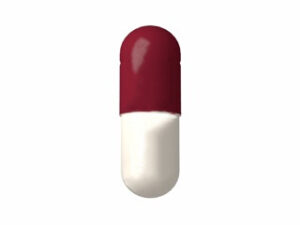
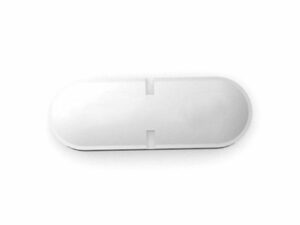
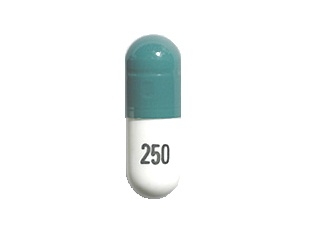
Cephalexin contains cephalexin monohydrate (the common active ingredient used in many UK brands and generics). It is available in different strengths and formulations depending on the product, such as capsules or tablets, and sometimes liquid preparations for children or people who cannot swallow tablets.
Antibiotics like cephalexin are designed for bacterial infections. They do not treat viral illnesses such as colds and flu.
How cephalexin works (mechanism of action)
Cephalexin is a beta-lactam antibiotic. It works by interfering with the way bacteria form and strengthen their cell wall. Specifically, it binds to bacterial penicillin-binding proteins (PBPs), preventing cross-linking of the cell wall. Without a properly formed cell wall, bacteria become unable to survive and multiply.
As a result, cephalexin helps your immune system clear the infection more effectively. Many people begin to feel better within the first few days, but you should complete the course exactly as directed so the infection is fully treated.
Pharmacokinetics: how your body processes cephalexin
Pharmacokinetics describes what happens to a medicine in the body—how it is absorbed, distributed, metabolised, and eliminated.
- Absorption: Cephalexin is generally absorbed after oral dosing. Food may slightly affect absorption speed, but it usually does not prevent absorption.
- Distribution: It distributes to many body tissues, including sites relevant to common bacterial infections.
- Metabolism: Cephalexin is not extensively metabolised.
- Elimination: It is mainly cleared by the kidneys through urine.
Because cephalexin is cleared by the kidneys, people with reduced kidney function may need dose adjustments. If you have kidney problems, be sure to discuss this with your healthcare professional.
Typical uses and indications (what cephalexin can treat)
Cephalexin may be used for infections likely to be caused by bacteria that are sensitive to cephalexin. The exact choice of antibiotic depends on local resistance patterns, the likely organism, infection severity, and patient factors.
Common indications (examples)
- Skin and soft tissue infections (for example, infected wounds, cellulitis—when appropriate to do so)
- Respiratory tract infections where a bacterial cause is suspected or confirmed
- Urinary tract infections (UTIs) in some cases, depending on the suspected bacteria and sensitivities
- Bone and joint infections in select situations (typically guided by specialist advice)
Cephalexin is not effective against all bacteria. If symptoms do not improve, worsen, or recur, a clinician may reassess the diagnosis and consider alternative treatment options.
Timing: when to take cephalexin
Cephalexin is usually taken at regular intervals to keep antibiotic levels steady in the body. The schedule can vary by age, infection type, and strength of the medicine.
General guidance
- Space doses evenly across the day if multiple doses are prescribed (for example, every 6 or 8 hours, depending on the regimen).
- Take each dose at the same times daily to maintain consistency.
- Complete the full course unless a healthcare professional advises you to stop.
If you miss a dose
- If you remember soon, take the missed dose when you can.
- If it’s close to the next dose, skip the missed dose and take the next one at the usual time.
- Do not take a double dose to make up for a missed one.
Dosing: how much cephalexin is usually taken
Dosing depends on the indication, severity, age/weight, kidney function, and the specific formulation (capsule/tablet/liquid). Below are typical example ranges commonly used in practice; your exact dose should follow the instructions provided with your medicine.
| Who | Typical dosing pattern (example) | Notes |
|---|---|---|
| Adults | Often taken multiple times daily (commonly 500 mg per dose in many adult regimens, with adjustments as needed) | More severe infections may use higher total daily doses under clinical guidance. |
| Children | Dose is often calculated by body weight (mg/kg) and split into repeated doses | Liquid formulations may help accurate dosing. |
| People with kidney problems | Dose frequency or total dose may be reduced | Kidney function affects medicine clearance. |
Always follow the dosing instructions on the label or the specific instructions provided by your healthcare professional. If you are unsure how to take your particular strength, speak to a pharmacist.
Food interactions: can you take cephalexin with meals?
Cephalexin is generally not strongly affected by food. Many people can take it with or without meals.
- With food: Taking cephalexin after food may reduce the chance of stomach upset for some people.
- Without food: Some people prefer taking it on an empty stomach; if this suits you, aim for consistency.
- Consistency matters: try to take doses in a similar way each day.
If your prescribed product includes specific instructions (for example, “take before meals”), follow those instructions.
Alcohol interactions and medicine interactions
Alcohol
There is not always a direct, single “dangerous” alcohol-cephalexin interaction. However, drinking alcohol while you are unwell can worsen dehydration, upset your stomach, and reduce your ability to recover.
- For most people, moderation is sensible.
- If you notice increased nausea, dizziness, or worsening diarrhoea, avoid alcohol and seek advice.
- If you have liver disease or other medical conditions, ask a pharmacist or clinician for personalised guidance.
Other medicine interactions
Cephalexin has fewer major interactions than some other antibiotics, but interactions can still occur. Tell your pharmacist about all medicines and supplements you take, including over-the-counter products.
Medicines that may require extra attention
- Probenecid: may affect the kidney clearance of some antibiotics and could alter cephalexin levels.
- Other medicines that affect kidney function: because cephalexin is cleared by the kidneys, kidney-affecting medicines may require monitoring.
- Oral anticoagulants (e.g., warfarin): antibiotics can influence gut bacteria and sometimes affect clotting stability. Monitoring may be needed.
- Oral typhoid vaccine: antibiotics may reduce effectiveness if taken close together. Seek advice if relevant.
Contraception note
Cephalexin does not usually reduce the effectiveness of hormonal contraception. However, if you experience vomiting or severe diarrhoea, the absorption of tablets may be reduced. If this happens, follow advice for “missed doses” of oral contraceptives and consider backup contraception while you are unwell.
Safety profile: side effects and when to seek help
Like all medicines, cephalexin can cause side effects. Most people experience mild effects, but some reactions can be serious.
Common side effects
- Diarrhoea or loose stools
- Nausea
- Stomach discomfort
- Headache
- Skin rash (mild rashes can occur)
Less common but important reactions
- Allergic reactions: can occur, including hives, swelling, wheezing, or breathing difficulty.
- Severe skin reactions: rare but important; seek help if you develop blistering, widespread rash, or peeling skin.
- Clostridioides difficile (C. diff): antibiotic-associated diarrhoea can sometimes become severe and should be treated promptly.
Seek urgent medical help if you notice
- Signs of an allergic reaction (e.g., face/lip swelling, difficulty breathing, severe rash).
- Severe watery diarrhoea, diarrhoea with blood, or diarrhoea that persists or worsens significantly.
- High fever, severe abdominal pain, or feeling significantly unwell.
Precautions
- Penicillin/cephalosporin allergy: if you have had an allergic reaction to antibiotics in this family, discuss with a clinician/pharmacist.
- History of antibiotic-associated diarrhoea: tell your healthcare professional.
- Kidney disease: may require dosing adjustments.
- Pregnancy and breastfeeding: many antibiotics can be used in certain circumstances; advice should be tailored to your situation.
Practical use tips (getting the best results safely)
- Take it regularly: using a phone alarm or pill organiser can help you stick to the schedule.
- Shake liquid medicines: if your cephalexin is provided as a suspension, follow the label instructions for shaking and measuring.
- Use a proper measuring device: for liquids, use an oral syringe or measuring cup, not kitchen teaspoons.
- Stay hydrated: especially if you have diarrhoea or reduced appetite.
- Keep taking even if you feel better: symptoms may improve before the infection is fully eradicated.
- Don’t save leftover antibiotics: they may not be suitable for future infections.
What to expect during treatment
Improvement is often seen within 48–72 hours depending on the infection type and severity. If you do not start to improve within this timeframe, or if you worsen, contact a healthcare professional for review.
Treatment choices in the UK can also depend on culture results or local guidelines. In some situations, an alternative antibiotic may be recommended if the bacteria are resistant or if the diagnosis changes.
Alternative options to consider
“Alternative” depends on the infection, local resistance patterns, allergy history, and individual risk factors. Your healthcare professional may consider other antibiotics or non-antibiotic strategies depending on the situation.
Possible antibiotic alternatives (examples)
- Amoxicillin or co-amoxiclav (in appropriate cases)
- Clindamycin (sometimes used for skin/soft tissue infections depending on the suspected organism and allergy profile)
- Doxycycline or other options for specific infections (depending on suspected bacteria)
- Macrolides such as clarithromycin or azithromycin (selected cases)
If you have a known allergy to beta-lactams or have had serious reactions, alternatives may be different. Always seek advice rather than switching on your own.
Market and legal context in the United Kingdom
In the UK, antibiotics are regulated medicines and are used under the framework of national antimicrobial stewardship. The aim is to ensure antibiotics remain effective by reducing unnecessary use and selecting the right treatment for the right infection.
Over time, guidance has increasingly emphasised:
- Targeted prescribing based on clinical assessment
- Shorter, appropriate courses where evidence supports it
- Review if not improving and escalation when necessary
- Minimising resistance development by avoiding antibiotics for viral illnesses
Recent guidance and stewardship approach (UK)
UK antibiotic use is guided by evidence-based recommendations and national stewardship initiatives. While exact advice varies by infection type and local policies, common themes include:
- Confirm whether infection is likely bacterial when possible.
- Use antibiotics at the correct dose and duration.
- Reassess if symptoms do not improve or if side effects occur.
- Consider local resistance patterns and allergy history.
For the most up-to-date recommendations on antibiotic choice for a specific condition, follow advice from NHS services or other official guidance.
Delivery and availability in the UK
Cephalexin is widely available through UK pharmacies in various strengths and forms. Availability can vary depending on brand, formulation, and supply.
- Dispensing options: capsules/tablets and, where available, liquid preparations.
- Delivery: many online pharmacy services offer standard and express delivery options across the UK.
- Stock updates: products may temporarily be unavailable if manufacturers face supply constraints.
- Packaging: medicines are typically supplied in pharmacy-labeled packaging to support safe use.
If you need a particular strength or liquid formulation, check delivery estimates and stock status on the product page.
Storage instructions
- Store at the temperature stated on the packaging (commonly below 25°C, but follow your label).
- Keep in the original container to protect from moisture and light where applicable.
- Keep out of sight and reach of children.
- Do not use after the expiry date on the pack.
Cephalexin FAQ
1) What is cephalexin used for?
Cephalexin is an antibiotic used for certain bacterial infections such as skin infections, some respiratory infections, and UTIs, depending on the likely bacteria and local guidance.
2) How quickly should I feel better?
Many people start to feel improvement within 48–72 hours. If you do not improve, or you feel worse, seek medical advice for reassessment.
3) Can I take cephalexin with food?
Usually yes. Cephalexin can generally be taken with or without food. If it upsets your stomach, taking it after meals may help.
4) Is it safe to drink alcohol while taking cephalexin?
Moderate alcohol intake is often tolerated, but it’s best to avoid heavy drinking while you’re unwell. Alcohol can worsen dehydration and stomach upset. Ask a pharmacist for personalised advice if you have medical conditions or take other medicines.
5) What should I do if I miss a dose?
Take it when you remember unless it’s close to the next dose. Do not take a double dose.
6) What are the signs of an allergic reaction?
Symptoms can include hives, facial/lip swelling, wheezing, or difficulty breathing. Seek urgent help if you suspect a serious allergy.
7) Can cephalexin cause diarrhoea?
Yes. Mild diarrhoea can occur. However, severe diarrhoea, diarrhoea with blood, or persistent diarrhoea should be assessed promptly due to the risk of antibiotic-associated colitis.
8) Does cephalexin affect contraception?
Cephalexin usually does not directly reduce hormonal contraception. If you have vomiting or severe diarrhoea, contraception absorption may be affected—follow guidance for missed pills and consider backup while unwell.
9) Who may need a different dose?
People with kidney problems, older adults, and children often require tailored dosing. Always use the dose instructions provided with your specific product.
10) What if my symptoms don’t improve?
If symptoms don’t start to improve within a few days, or if they worsen, contact a healthcare professional. The infection may not be bacterial, may involve resistant bacteria, or may require different treatment.
This information is designed to help you understand cephalexin and use it safely. It does not replace advice from a healthcare professional. If you have concerns about side effects, allergies, or interactions, speak to a pharmacist or clinician.