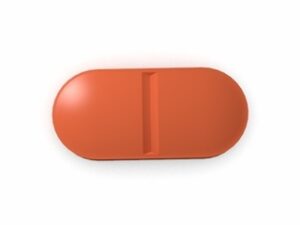
Minomycin (Minocycline) – Patient Information
Minomycin is a brand of minocycline, an antibiotic belonging to the tetracycline group. Minocycline is used to treat certain bacterial infections and inflammatory conditions (depending on the diagnosis). This page explains how it works, how it’s taken, safety information, and practical tips to help you use it correctly in the United Kingdom.
Always follow the instructions given by your healthcare professional and the product label. Individual needs may vary.
Basic product information
- Active ingredient: Minocycline (tetracycline antibiotic)
- Brand name: Minomycin
- Medicinal form: Tablets (strength varies by product)
- Common uses: Certain bacterial infections; sometimes acne/rosacea depending on local practice
- How it works: Stops bacteria from making proteins they need to grow
How Minomycin works (mechanism of action)
Minocycline works by interfering with bacterial protein synthesis. More specifically, it binds to the 30S ribosomal subunit of susceptible bacteria. This prevents the bacteria from producing essential proteins, which slows growth and can kill bacteria (depending on the organism and concentration).
Minocycline also has anti-inflammatory properties. This is one reason it may be used in certain skin conditions in addition to its antibiotic activity.
Pharmacokinetics (how the body handles it)
Pharmacokinetics describes what happens after you take minocycline—absorption, distribution, metabolism, and excretion.
Absorption
- Minocycline is absorbed from the stomach and upper intestine.
- Food may slightly affect absorption depending on the meal composition; however, it is generally taken with considerations for minerals (see “Food interactions”).
Distribution
- Minocycline distributes into various body tissues.
- It can penetrate tissues including the skin and (in some cases) the cerebrospinal fluid.
Metabolism and elimination
- Minocycline is eliminated through metabolic pathways and the kidneys (and also via the bile/intestine to some extent).
- Elimination half-life can vary by individual factors such as age and kidney/liver function.
Important: Kidney or liver impairment may require dose adjustment or closer monitoring. Speak to a clinician/pharmacist if you have liver disease, kidney problems, or are taking multiple medicines.
Typical use and indications
Minomycin is an antibiotic used when a susceptible organism is suspected or confirmed. Your healthcare professional will decide if minocycline is appropriate based on your symptoms, likely bacteria, local resistance patterns, and your medical history.
Common indications (examples)
- Acne and other inflammatory skin conditions (under specific treatment plans)
- Certain bacterial infections where minocycline is considered suitable
- Some respiratory, skin, and soft tissue infections caused by susceptible bacteria
- Other specific infections as determined by specialist guidance
Note: Not every infection is suitable for minocycline. Antibiotic choice depends on the bacteria likely to be involved and their susceptibility.
How to take Minomycin – dosing and timing
Minocycline dosing depends on the condition being treated, your age, kidney/liver function, and whether you are taking it for short-term infection control or longer courses for certain skin conditions.
This section provides general guidance. Always use the dose and schedule provided on your medication label.
General dosing overview (adults)
- For many indications, dosing is often once or twice daily.
- Some people start with a loading dose depending on clinical judgement.
- Duration varies—from days to weeks—depending on the condition and response.
How to take the tablets
- Swallow the tablet with a full glass of water.
- Try to take it at the same times each day to maintain steady levels.
- To reduce irritation risk, remain upright for about 30 minutes after swallowing (or as advised).
Missed dose
- If you miss a dose, take it when you remember unless it’s close to the next dose.
- Do not take a double dose to make up for the missed one.
If you’re unsure about a missed dose, consult a pharmacist.
Food interactions and what to avoid
Minocycline can interact with certain substances in the gut, reducing how much of the medicine is absorbed. The key issue is minerals.
Avoid taking together with mineral-rich products
- Antacids containing aluminium, magnesium
- Iron supplements
- Zinc supplements
- Calcium supplements or high-calcium supplements
- Some dairy products may interfere if taken at the same time in large amounts
Practical timing tip
- Consider spacing mineral-containing products and minocycline by about 2–3 hours (or follow the specific advice from your pharmacist).
- Minocycline may be taken with food if this improves tolerability—while keeping distance from minerals where possible.
If you take antacids for reflux or indigestion, ask your pharmacist for a suitable schedule.
Alcohol interactions
Minocycline and alcohol do not necessarily have a single, universal contraindication; however, alcohol can worsen side effects such as dizziness, nausea, and stomach upset.
- For best tolerance, it’s generally advisable to limit alcohol while taking the medicine.
- If you notice worsening dizziness, headache, or nausea after alcohol, avoid combining them.
Seek urgent medical advice if you develop severe reactions such as swelling, breathing difficulties, jaundice (yellowing of skin/eyes), or severe persistent vomiting.
Medicine interactions
Minocycline can interact with other medicines. Always tell your healthcare professional and pharmacist about all medicines you take, including over-the-counter products, vitamins, and herbal remedies.
Medicines/supplements to discuss
- Antacids and supplements containing iron, zinc, magnesium, calcium (reduce absorption—space doses)
- Oral retinoids (e.g., isotretinoin): increased risk of certain neurological effects; use caution and close monitoring
- Warfarin or other blood-thinners: antibiotics can affect clotting control in some cases; monitor as advised
- Anti-seizure medicines: some may alter metabolism or risk effects—individual assessment is important
- Other antibiotics: sometimes choice or timing matters for effectiveness and side effects
Contraception note
Most non-rifamycin antibiotics do not reliably reduce the effectiveness of hormonal contraceptives. However, if diarrhoea or vomiting occurs, absorption may be reduced. In such situations, follow the advice in the contraceptive packaging and consult a pharmacist.
Safety profile and side effects
Like all medicines, minocycline can cause side effects. Many are mild and improve as your body adjusts. However, some are serious and require prompt medical attention.
Common side effects
- Gastrointestinal effects: nausea, stomach discomfort, indigestion
- Headache
- Dizziness
- Skin sensitivity or rash
Less common but important effects
- Yeast overgrowth (oral thrush, vaginal thrush) due to changes in normal flora
- Sun sensitivity (photosensitivity). You may burn more easily.
- Changes in skin or tooth colour (especially with longer use; risk is higher with use in children—see “Important warnings”).
Serious side effects (seek urgent medical help)
Stop the medicine and seek urgent advice if you experience:
- Allergic reactions: swelling of face/lips, difficulty breathing, widespread rash with fever
- Severe or persistent diarrhoea, especially with blood or mucus (possible antibiotic-associated colitis)
- Severe dizziness or fainting that does not settle
- Signs of liver problems: yellowing of skin/eyes, dark urine, severe fatigue, right-sided upper abdominal pain
- Neurological symptoms that are new or severe (e.g., severe headache with vision changes)
- Symptoms of blood disorders such as unusual bruising, severe sore throat, or persistent fever
This list is not exhaustive. If you’re concerned about any symptom, contact a healthcare professional promptly.
Important warnings and precautions
Photosensitivity
Minocycline can make skin more sensitive to sunlight. Use sun protection:
- Wear SPF sunscreen and protective clothing
- Avoid prolonged direct sunlight and solariums
- Seek advice if you develop an unusual sunburn or rash
Teeth and bone effects
Tetracycline antibiotics can affect developing teeth and bones. Minocycline is generally not suitable for certain age groups (especially young children). Your clinician will consider age and the risk-benefit balance.
Long-term use and monitoring
Longer courses may carry additional risks. If you are taking minocycline for weeks or months, your clinician may arrange follow-up to check tolerance and any warning symptoms.
Kidney or liver impairment
Minocycline may need extra caution in people with liver disease or significant kidney impairment. Tell your clinician if you have these conditions.
Practical tips for using Minomycin
- Complete the course: Even if you feel better, finish the planned duration unless advised otherwise.
- Take with a full glass of water: Helps reduce irritation and swallowing discomfort.
- Plan around minerals: Separate antacids and supplements (iron/zinc/magnesium/calcium) by several hours.
- Protect against the sun: Minimise sun exposure; use sunscreen.
- Hydrate: Drinking enough water can help with tolerability.
- Manage stomach upset: Taking with food may reduce nausea for some people, provided mineral spacing is observed.
- Don’t stop abruptly without advice: Stopping early can worsen infection and contribute to resistance.
If you develop severe side effects, do not “push through” symptoms—contact a pharmacist or clinician.
Alternative options
Depending on what you’re treating, alternative antibiotics or treatments may be more suitable. Choice depends on the bacteria involved, resistance patterns, and your allergy history.
For bacterial infections
- Other tetracyclines (depending on indication and tolerance)
- Penicillins, cephalosporins, macrolides, or other classes—chosen based on your diagnosis
For acne/inflammatory skin conditions
- Topical treatments (e.g., retinoids, benzoyl peroxide, topical antibiotics)
- Other oral antibiotics used in certain acne guidelines
- Hormonal therapy for appropriate patients (where applicable)
- Other prescription-only skin therapies depending on severity
A pharmacist can help discuss general alternatives and what to ask your clinician about.
United Kingdom market and legal context
In the United Kingdom, antibiotics are regulated medicines and are used under NHS and local prescribing guidance. Antimicrobial stewardship is strongly emphasised to reduce antibiotic resistance and unnecessary antibiotic exposure.
When antibiotics are supplied for use in the community, they should be used appropriately based on a clinical need. Pharmacies may require relevant patient information to ensure safe use, including allergies, current medications, pregnancy/breastfeeding status, and history of side effects.
Recent guidance and antibiotic stewardship (overview)
UK antibiotic guidance focuses on:
- Using antibiotics only when bacterial infection is likely
- Choosing the most appropriate agent based on local resistance patterns
- Using the shortest effective duration
- Reviewing treatment if there is no improvement
If your symptoms do not improve after a reasonable period, or they worsen, consult a clinician promptly rather than continuing antibiotics indefinitely.
Delivery and availability (UK)
Availability may vary by manufacturer and strength. Online pharmacies in the UK typically provide delivery options such as standard or express shipping depending on location and stock levels.
What to expect when ordering
- Stock availability: Some brands or strengths may require a short restock time.
- Packaging: Medicines are dispatched in appropriate tamper-evident packaging.
- Delivery times: Commonly shown at checkout; public holidays and weekends may affect schedules.
Storage: Follow the storage instructions on the pack (typically store at room temperature, protect from moisture, and keep out of reach of children).
FAQ – Minomycin (Minocycline)
1) What is Minomycin used for?
Minomycin (minocycline) is used as an antibiotic for certain bacterial infections and may also be used in some inflammatory skin conditions depending on your diagnosis and treatment plan.
2) How long does it take to work?
Many people notice improvement within a few days for infections. Skin conditions can take longer, often weeks. If there is no improvement or symptoms worsen, contact a healthcare professional for advice.
3) Can I take Minomycin with food?
Many people can take it with food if it helps with stomach comfort. However, keep it separate from mineral supplements and antacids (iron, zinc, magnesium, calcium) because they may reduce absorption.
4) Why should I avoid taking it with antacids or mineral supplements?
Minerals can bind to tetracycline antibiotics in the gut, reducing how much medicine your body absorbs. Spacing doses helps maintain effectiveness.
5) Is it safe to drink alcohol while taking Minomycin?
Alcohol may worsen side effects like dizziness and nausea. It’s best to limit alcohol and avoid if you notice symptoms. Seek urgent help if you develop severe reactions.
6) What should I do if I miss a dose?
Take it when you remember unless it’s nearly time for your next dose. Do not double up. If you’re unsure, ask a pharmacist.
7) What are the most important side effects to watch for?
Watch for signs of allergy, severe diarrhoea, persistent vomiting, severe headache with vision changes, and symptoms suggesting liver problems (such as yellowing skin/eyes). Contact urgent medical services if severe symptoms occur.
8) Can Minomycin cause sun sensitivity?
Yes. Minocycline can make you more prone to sunburn. Use sunscreen (SPF), wear protective clothing, and avoid solariums.
9) Will Minomycin affect contraceptive pills?
Antibiotics are not typically known to reduce hormonal contraceptive effectiveness. However, vomiting or severe diarrhoea can affect absorption—follow contraceptive guidance and consult a pharmacist if this occurs.
10) What should I tell my pharmacist or clinician before starting?
Tell them about allergies, liver/kidney disease, pregnancy or breastfeeding status, previous antibiotic reactions, and all medicines you take (including vitamins and herbal supplements).
Summary
Minomycin (minocycline) is a tetracycline antibiotic used to treat certain infections and, in some cases, inflammatory skin conditions. It works by stopping bacteria from making proteins necessary for growth. For safe and effective use, take it as directed, separate doses from mineral-containing antacids and supplements, consider food tolerance, and protect your skin from sunlight. If you experience severe side effects—such as signs of allergy, severe diarrhoea, or liver-related symptoms—seek medical help promptly.