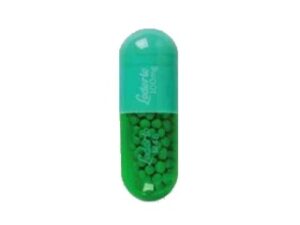
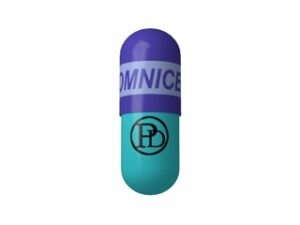
Myambutol (Ethambutol Hydrochloride) – Patient Information
Myambutol contains ethambutol hydrochloride, an antibiotic medicine used as part of treatment for certain mycobacterial infections. In the UK, ethambutol is most commonly used in combinations for tuberculosis (TB) and sometimes for other mycobacterial disease as advised by a specialist.
This page explains how Myambutol works, how it is taken, key safety information (including eye-related risks), and practical guidance to help you use your medicine safely and effectively.
Product details (basic information)
| Item | Details |
|---|---|
| Medicinal product | Myambutol |
| Active ingredient | Ethambutol hydrochloride |
| Medicine type | Antibiotic for mycobacterial infections (e.g., TB) |
| How it’s used | Usually taken in combination with other TB medicines |
| Common form | Oral tablets |
| Key safety highlight | Possible effect on vision (optic neuritis) |
How Myambutol works (mechanism of action)
Ethambutol is active against certain mycobacteria—including Mycobacterium tuberculosis—by interfering with processes needed for the bacteria to grow and survive.
Mechanism (in simple terms): Ethambutol helps block the formation of key components of the mycobacterial cell wall. This weakens the bacteria and slows or stops their growth. Because of the risk of resistance, ethambutol is typically used alongside other effective TB medicines.
Pharmacokinetics (how your body handles the medicine)
- Absorption: Ethambutol is absorbed after oral dosing and reaches therapeutic levels in the bloodstream.
- Distribution: It distributes into body fluids and tissues, including those relevant to mycobacterial infections.
- Metabolism: Ethambutol is partly metabolised in the body.
- Elimination: The medicine is largely eliminated by the kidneys. This is important if you have kidney problems, where dosing may need adjustment and monitoring may be increased.
Practical takeaway: Keep appointments and follow dosing instructions carefully—especially if you have kidney impairment—because the medicine may build up more easily.
What Myambutol is used for (indications)
Myambutol is used to treat infections caused by mycobacteria, mainly:
- Tuberculosis (TB)—as part of combination therapy (often alongside other TB medicines).
- Other mycobacterial infections—where ethambutol is recommended by a specialist treatment plan.
Important note: Ethambutol is not used for common bacterial infections like chest infections. It targets mycobacteria specifically.
Why it’s often combined with other medicines
TB treatment usually involves multiple antibiotics because:
- Resistance prevention: Using one medicine alone can increase the chance that the bacteria become resistant.
- Faster bacterial control: Combination therapy helps reduce the bacteria more effectively.
- Different targets: Each medicine helps kill or suppress the bacteria in different ways.
Timing and how to take Myambutol
Follow the instructions given for your specific regimen. Many TB plans use structured schedules and may involve daily dosing or other timing strategies depending on your treatment centre and clinical situation.
- Try to take it at the same time each day to maintain consistent levels.
- Do not miss doses. If you do, follow the advice provided with your medicine or from your healthcare professional.
- Keep taking it for the full duration prescribed, even if you feel better.
With food
Ethambutol can usually be taken with or without food. If it upsets your stomach, taking it with a meal may help. However, always follow the specific guidance on your label.
Food interactions and dietary considerations
Food may affect stomach comfort but does not typically remove the need for consistent dosing. In general:
- Take Myambutol the same way each day (either always with meals or always on an empty stomach) unless your healthcare team advises otherwise.
- If you have nausea, consider taking with food or after a light snack (unless contraindicated for you).
Dietary supplements: If you are using multiple supplements or herbal products, mention them to your healthcare team. Some products may affect liver function or overall medication safety.
Alcohol interactions
While ethambutol does not have the same direct interaction profile with alcohol as some other medicines, alcohol may worsen side effects and can interfere with recovery—especially if you are also taking other TB medicines that may affect the liver.
- Avoid heavy drinking during treatment.
- If you drink alcohol, keep it low and occasional and discuss it with your healthcare team.
- If you develop symptoms such as severe fatigue, dark urine, yellowing of skin/eyes, persistent vomiting, or severe abdominal pain, seek urgent medical advice—particularly because TB regimens often include medicines that can affect the liver.
Interactions with other medicines
Always tell your healthcare professional (and pharmacist) about all medicines you take, including over-the-counter products and supplements.
Key interaction themes
- Other TB medicines: Ethambutol is commonly used alongside additional antibiotics. Some combinations increase the need for careful monitoring (e.g., kidney function, vision checks, liver tests).
- Kidney function: Since ethambutol is cleared by the kidneys, medicines that affect kidney function may increase risk of side effects or require dose review.
- Vision-related risk: If you are taking other drugs that can affect eyesight or optic nerve health, you may need closer monitoring. Your prescriber will consider this risk.
Practical advice: If you are unsure whether a medicine you are starting is safe alongside ethambutol, ask a pharmacist before taking it.
Dose and dosing schedule (general information)
Your exact dose will depend on factors such as your weight, kidney function, and the specific TB treatment plan. Dosing may also differ between adults and children and between different dosing strategies used by treatment services.
How dosing is commonly determined
- Body weight: Many TB regimens dose ethambutol based on weight (mg/kg).
- Kidney function: Because elimination is mainly renal, dose adjustments may be needed if you have reduced kidney function.
Do not self-adjust
Do not change the dose, frequency, or stop taking Myambutol unless advised by your healthcare team. Altering the dosing schedule can increase the chance of treatment failure or resistance.
Safety profile and side effects
Most people tolerate Myambutol well when used correctly. However, it is important to be aware of potential side effects and to know when to seek medical help.
Most important warning: vision changes
Ethambutol can cause optic neuritis, which may lead to symptoms such as:
- Blurred vision
- Reduced vision
- Difficulty distinguishing colours (often red/green)
- Pain or discomfort around the eyes (sometimes)
- Visual field changes
What to do: If you notice any changes in your vision, seek medical advice promptly. Do not wait for symptoms to go away on their own.
Other possible side effects
- Stomach and gut: nausea, vomiting, stomach upset
- Headache
- Rash or skin reactions
- Raised liver enzymes (more relevant in combination TB therapy)
- Increased frequency of side effects in people with kidney impairment
Serious symptoms—get urgent help
Contact urgent medical services or seek immediate advice if you develop:
- Sudden or worsening vision loss
- Severe allergic reaction (swelling of face/lips, breathing difficulty)
- Symptoms suggesting liver injury (yellow skin/eyes, severe persistent nausea, dark urine, severe abdominal pain)
- Signs of severe kidney problems (significant decrease in urine output, severe swelling)
Practical use tips for safer and more comfortable treatment
- Attend monitoring visits: Many TB regimens include routine blood tests and eyesight checks. Keep these appointments.
- Know your baseline: If you are starting ethambutol, your clinician may arrange baseline vision assessment.
- Report symptoms early: Don’t wait if your colour vision or sharpness of vision changes.
- Take consistently: Use a daily reminder (phone alarm, pill box) to reduce missed doses.
- Manage nausea: Taking the tablet with food may help; ask for advice if symptoms persist.
- Hydration: Drink adequate fluids unless your clinician advises fluid restriction (especially if kidney function is reduced).
How long you may be taking it
TB and other mycobacterial infections usually require long-term combination therapy. The exact duration depends on your diagnosis, severity, response to treatment, and guidance from your TB team.
Key point: Even when symptoms improve, you must complete the full course to reduce the risk of relapse and resistance.
Alternative options
Depending on the type of mycobacterial infection, local guidelines, and your health profile (including kidney function and vision history), clinicians may consider alternative treatments or different combinations.
Possible alternatives (examples)
- Other anti-TB medicines used in combination regimens (selection varies by case and resistance patterns).
- In certain situations, a specialist may adjust the treatment plan to minimise risk to vision or manage tolerability.
Important: Do not switch medicines yourself. TB treatment requires carefully selected combinations and monitoring.
United Kingdom market and legal context
In the UK, medicines for TB are supplied under established healthcare pathways. TB treatment and monitoring are typically coordinated by specialist services, including advice on drug combinations, laboratory monitoring, and public health requirements.
Medicines such as Myambutol are regulated in the UK under relevant medicines legislation, and supply through UK pharmacies is subject to appropriate checks and patient information requirements.
Why this matters: TB treatment safety depends not only on the medicine but also on correct monitoring for side effects (especially eye-related and kidney-related effects) and ensuring that the regimen matches the diagnosed condition and susceptibility pattern.
Recent guidance and monitoring (UK-relevant overview)
TB care in the UK follows national and international recommendations, which generally emphasise:
- Early specialist involvement for diagnosis and drug regimen selection
- Combination therapy to prevent resistance
- Regular monitoring of treatment response and side effects
- Baseline and follow-up vision checks when ethambutol is used
- Renal function consideration when dosing medicines cleared by the kidneys
Because guidance can be updated, your clinic may use current local protocols. Always follow the monitoring schedule you are given.
Delivery and availability in the UK
Myambutol may be available from UK pharmacies depending on local stock and supplier arrangements. Delivery options, dispatch times, and minimum order requirements vary between pharmacies.
Helpful preparation before ordering online:
- Ensure your delivery address is correct and that you can receive the parcel.
- Check whether the pharmacy offers standard or express delivery and the cut-off times for dispatch.
- Allow time for processing and delivery—especially if you are continuing an ongoing regimen.
Storage: Keep tablets in their original packaging, protected from moisture and out of reach of children. Store at the temperature recommended on the label.
FAQ – Common questions about Myambutol
1) Is Myambutol used to treat all infections?
No. Myambutol (ethambutol) is used for mycobacterial infections, most notably tuberculosis, and is usually given as part of a combination regimen.
2) What should I do if I miss a dose?
If you miss a dose, take it as soon as you remember unless it is close to the time of the next dose. Do not take a double dose. The best advice depends on your schedule—check with your pharmacist or follow the instructions provided with your medicine.
3) Can I drive while taking Myambutol?
If you experience blurred vision, colour vision changes, or any eyesight symptoms, avoid driving and seek medical advice promptly. Otherwise, only continue driving if you feel your vision is stable.
4) How will I know if ethambutol is affecting my vision?
Watch for changes such as reduced sharpness, colour discrimination problems, or areas of missing vision. Many services perform baseline and follow-up checks, but you should also report symptoms as soon as they occur.
5) Does Myambutol interact with alcohol?
There is not usually a direct interaction in the way some medicines have, but alcohol can increase health risks and may worsen side effects or affect organs such as the liver—particularly in TB regimens. Keep alcohol to a minimum and discuss with your healthcare team if unsure.
6) Will I need any blood tests or eye tests?
Often, yes. TB treatment commonly involves routine laboratory monitoring, and ethambutol may require vision monitoring. Your clinic will advise the schedule.
7) Can I take Myambutol with other medicines?
In most TB regimens, ethambutol is taken alongside other specific TB medicines. Always disclose your full medicine list to a pharmacist and your clinician, because interactions can depend on your exact regimen and kidney function.
8) What if I have kidney problems?
Because ethambutol is eliminated by the kidneys, dosing may need adjustment. Your prescriber should review your kidney function and may increase monitoring.
9) What are the most common side effects?
Commonly reported effects include stomach upset (such as nausea), headache, and occasionally skin reactions. Vision changes are less common but are the most important to recognise early.
10) Are there any long-term risks?
The most significant risk relates to optic nerve effects, which is why prompt reporting and regular monitoring are essential. Other risks depend on your overall treatment plan and health status.
Summary
Myambutol (ethambutol hydrochloride) is an antibiotic used for mycobacterial infections, most commonly tuberculosis, typically as part of combination therapy. It works by inhibiting bacterial cell wall-related processes. Ethambutol is cleared mainly by the kidneys, so kidney function matters. The most important safety concern is potential vision changes; contact a healthcare professional urgently if you notice any changes in your eyesight or colour vision.
For the best results, take Myambutol exactly as directed, keep up with monitoring appointments, and seek medical advice promptly for any concerning symptoms.