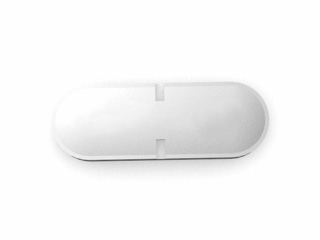

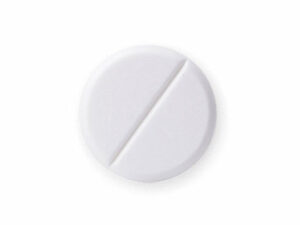
Praziquantel
Praziquantel is an antiparasitic medicine used to treat a range of worm infections, particularly schistosomiasis (bilharzia) and certain tapeworm infections. It works by rapidly damaging the parasites’ body and preventing them from surviving in the human body.
This page is designed to be patient-friendly and is written for customers in the United Kingdom (UK). Always read the package leaflet supplied with your medicine and follow the advice of a healthcare professional if you have questions about your individual situation.
Basic product information
- Medicine name: Praziquantel
- Type: Antiparasitic (anti-trematode and anti-cestode)
- Common forms: Tablets (strength varies by brand/generic manufacturer)
- How it’s taken: By mouth with water
- How it’s used: Often as a single dose or split doses in a day, depending on the infection
Availability and brand names can differ. Your online pharmacy will show the exact product details available to you (including strength, pack size, and directions).
How praziquantel works (mechanism of action)
Praziquantel’s main action is to interfere with the parasite’s ability to function. It affects the parasite’s muscles and outer surface by altering ion transport (especially calcium dynamics). This leads to:
- Spasm and paralysis of the worm
- Disruption of the parasite’s outer covering
- Detachment of the parasite from tissues and/or killing of the parasite
- Death and elimination of the infection through normal body processes
Different worms are sensitive to praziquantel in different ways, which is why dosing and number of doses varies by the specific diagnosis.
Pharmacokinetics (how the body handles the medicine)
Pharmacokinetics explains what happens after you swallow praziquantel: absorption, distribution, metabolism, and elimination.
- Absorption: Praziquantel is absorbed after oral administration. Taking it with food may reduce stomach upset for some people, but absorption can vary by formulation.
- Distribution: It distributes into body tissues and reaches the sites where parasites live.
- Metabolism: The medicine is metabolised primarily by the liver. This is important if you have liver problems or take other medicines that affect liver enzymes.
- Elimination: Metabolites are excreted mainly via the kidneys. The timing of symptom improvement can vary by infection and parasite burden.
If you have liver disease, are older, or have complex medication use, you may need individual advice. Discuss your situation with a healthcare professional.
Typical uses (indications)
Praziquantel is used for the treatment of several parasitic worm infections. The exact indication depends on the parasite type and location in the body.
| Common infection | Example parasite | Typical clinical notes |
|---|---|---|
| Schistosomiasis (bilharzia) | Schistosoma species | Often associated with freshwater exposure in endemic regions; treatment is usually weight-based. |
| Tapeworm infections | Different cestode species | Symptoms may include passage of worm segments and gastrointestinal upset; dosing differs by species. |
| Other trematode infections | Selected flukes | Some fluke infections respond well; the regimen may be single-dose or multiple doses. |
In practice, a clinician may confirm the diagnosis using stool or urine tests, blood tests, or imaging depending on the suspected parasite and organ involvement.
When to take praziquantel (timing and routine)
Follow the schedule given for your specific condition on the pack or as advised by a healthcare professional. Many regimens follow a structure such as:
- Single dose on one day for some infections
- Split dose on the same day (for example, morning and evening)
- Repeat dosing after an interval in certain situations
Consider practical timing tips:
- Choose a time when you can rest after taking the dose.
- Plan around any follow-up tests or symptom monitoring advised for your infection.
- If multiple doses are prescribed in one day, set an alarm or reminder so you don’t miss a part.
Food interactions
Food may affect how praziquantel is tolerated and, in some cases, how smoothly it is absorbed. Many patients find that taking praziquantel with food helps reduce nausea.
Points to consider:
- Try to take with a meal if this is consistent with your product instructions.
- Avoid skipping meals if the medicine makes you feel queasy.
- If you have swallowing difficulties, check the leaflet for guidance on how to take the tablets safely.
Your exact instructions can vary by brand formulation. Always use the directions provided with your product.
Alcohol and medicine interactions
Praziquantel is metabolised in the liver, so substances that affect the liver may be relevant. Alcohol can also worsen side effects such as dizziness, drowsiness, or stomach upset.
- Alcohol: It’s generally wise to avoid or minimise alcohol around the time you take praziquantel, particularly on the day of treatment.
- Other medicines: Some medicines can alter liver enzymes involved in drug metabolism. This can affect praziquantel levels and effectiveness or side effects.
Tell your pharmacist or healthcare professional about all medicines you use, including:
- Prescription medicines
- Over-the-counter products (including cold/flu remedies)
- Herbal supplements and “natural” remedies
- Medicines for seizures, fungal infections, or HIV (examples of medicine groups that may interact)
If you’re unsure whether your medications interact, ask before taking praziquantel.
Dosing guidance (general information)
Dosing must match the infection type, body weight, and clinical circumstances. For worm infections, praziquantel regimens are commonly weight-based.
Important: This general section does not replace the exact dose on your product label or clinician guidance.
Common principles
- Weight-based dosing: Adults and children are typically dosed according to body weight.
- Number of tablets: Depends on the prescribed strength and your calculated dose.
- Split doses: Some regimens divide the total daily dose across the day.
- Repeat treatment: May be recommended for certain infections based on test results or follow-up assessments.
How to calculate your dose (conceptually)
- Find your prescribed dose (for example, in mg per kg) on your instruction sheet.
- Multiply by your body weight to get the total mg dose.
- Convert total mg to number of tablets based on the tablet strength.
- Follow the schedule (single vs split doses) exactly.
If you are unsure about how many tablets to take, speak to your pharmacist rather than guessing.
Safety profile and possible side effects
Like all medicines, praziquantel can cause side effects, although not everybody gets them. Side effects may be partly due to the medicine and partly due to the body’s response to parasites being killed.
Common side effects
- Nausea and sometimes vomiting
- Abdominal discomfort
- Headache
- Dizziness or feeling light-headed
- Fatigue
- Muscle aches
Less common or situation-dependent effects
- Rash or itching
- Fever
- Temporary worsening of symptoms related to inflammation from dying parasites
Seek urgent medical help if
- You develop signs of a severe allergic reaction: swelling of the face/lips, difficulty breathing, or widespread rash
- You experience severe or persistent vomiting, severe dizziness, or fainting
- You have worsening severe symptoms (especially if you have known involvement of sensitive organs)
If you experience bothersome side effects, a pharmacist can advise on supportive care and whether your symptoms warrant further assessment.
Practical use tips
- Take with water and follow the product instructions.
- Take at the recommended times if split dosing is prescribed.
- Don’t miss doses: If you miss a dose, follow the guidance on your leaflet or ask your pharmacist—don’t double up without advice.
- Stay hydrated: Especially if you feel nauseated or have vomiting.
- Plan for recovery: Some people feel unwell for a short time after treatment.
- Follow-up: Some infections require repeat testing or follow-up. Don’t assume treatment is complete without recommended checks.
Can I drive or operate machinery?
If praziquantel makes you feel dizzy or drowsy, avoid driving or operating machinery until you feel normal again. Your reaction time can be affected.
Who should take extra care?
Praziquantel may be suitable for many people, but extra caution is sensible if you have certain conditions:
- Liver impairment: As the medicine is metabolised in the liver, dosing and tolerability may require review.
- Pregnancy and breastfeeding: Use may depend on the infection risk and clinical assessment.
- Eye or neurological involvement: Some parasitic infections can affect sensitive areas. Treatment choice and timing may differ.
- Children: Dosing is weight-based; ensure the correct formulation and strength.
If any of these apply, consult a healthcare professional for tailored advice.
Alternative options
Alternative treatments depend entirely on which parasite is causing the infection. Praziquantel is often the first-line option for many schistosome infections and certain tapeworm infections, but other antiparasitic medicines may be used for specific cases.
Examples of alternatives used for different parasites (not a complete list):
- For some roundworm infections: medicines such as albendazole or mebendazole may be used depending on the diagnosis.
- For certain tapeworm species: other medicines may be considered in specialist settings.
- For specific liver fluke or other trematodes: an alternative antiparasitic may be recommended.
Because dosing and suitability vary by parasite type, the best “alternative” is the one matched to your confirmed diagnosis. If you’re unsure what infection you have, seek medical advice before switching treatments.
UK market and legal context (plain-language)
In the UK, the availability of praziquantel and its exact product classification (for example, pharmacy-only vs other supply routes) may vary depending on the brand, strength, and clinical indication. Some antiparasitic medicines may be available through pharmacies, while others may be supplied via other healthcare routes.
Online pharmacies in the UK typically follow regulatory requirements, including:
- Customer eligibility checks
- Safety screening for age, pregnancy/breastfeeding status, and medical history
- Information collection about symptoms and relevant risk factors
- Guidance to seek medical advice when symptoms suggest a complication
If you have severe symptoms or signs of complications, you should seek prompt clinical assessment rather than relying on self-treatment.
Recent guidance (what to expect)
Public health and travel-related guidance in the UK commonly emphasises:
- Preventive measures for freshwater exposure in endemic countries
- Testing and follow-up for confirmed infections
- Awareness of complications (for example, effects on organs such as the urinary tract or liver)
- Review of treatment plans based on species identification where possible
Your healthcare provider may recommend additional monitoring after treatment depending on the parasite and symptoms.
Delivery and availability (UK online pharmacy)
Stock availability varies by pharmacy and supplier. When praziquantel is available through an online pharmacy, delivery options in the UK typically include:
- Home delivery to UK addresses (coverage may vary by carrier)
- Discreet packaging
- Tracking where offered
Delivery times depend on order processing and courier schedules. Before ordering, check:
- Estimated dispatch and delivery dates shown on the product page
- Whether refrigeration is required (usually not required for tablets, but confirm for your product)
- Any cut-off times for next-day dispatch
If praziquantel is not immediately in stock, the pharmacy may offer an expected restock date or alternative arrangements.
FAQ about praziquantel
1) What is praziquantel used for?
Praziquantel is an antiparasitic medicine used to treat certain worm infections, including schistosomiasis (bilharzia) and some tapeworm and fluke infections, depending on the specific diagnosis.
2) How quickly does it work?
Many people notice changes in symptoms within days, but this varies by infection and the extent of the disease. Parasite elimination and symptom improvement may take time. Follow-up testing may be recommended for some infections.
3) Should I take it with food?
Many people find it helps to take praziquantel with food to reduce nausea. However, always follow the specific instructions for your product.
4) Can I drink alcohol after taking it?
It’s usually best to avoid or minimise alcohol around the time of treatment, particularly on the same day, because alcohol can worsen side effects and affects the body’s overall ability to recover. If you want tailored advice, ask your pharmacist.
5) What if I vomit after taking praziquantel?
If you vomit soon after taking a dose, the amount absorbed may be reduced. The leaflet or pharmacist can advise whether you should repeat a dose or wait and take the next scheduled amount. Don’t guess—contact a pharmacist for guidance.
6) Can praziquantel be used in children?
Yes, praziquantel can be used in children in appropriate circumstances, but dosing is weight-based. Ensure correct calculation and tablet strength, and confirm the regimen with the supplied instructions or a pharmacist.
7) Is praziquantel safe in pregnancy or while breastfeeding?
Suitability depends on the infection risk, gestational stage, and clinical factors. Speak with a healthcare professional for tailored advice. If your online pharmacy asks about pregnancy or breastfeeding, answer accurately to support safe selection.
8) Are there medicines that should not be taken with praziquantel?
Interactions can occur, especially medicines that affect liver enzymes involved in metabolism. Provide a complete list of your medicines and supplements to your pharmacist.
9) Will I still test positive after treatment?
Some tests may remain positive for a period after treatment due to the lifecycle of parasites and timing of specimen testing. Follow the follow-up plan recommended for your condition.
10) What should I do if symptoms get worse after treatment?
Temporary worsening can occur due to inflammation as parasites die. However, severe or persistent symptoms may signal complications. Seek medical advice promptly, especially if you develop severe abdominal pain, blood in urine, high fever, severe headache, or allergic symptoms.
Summary
Praziquantel is a well-established antiparasitic medicine used to treat infections caused by certain worms. It acts by causing parasite paralysis and damage, allowing the body to clear the infection. Proper dosing and timing are essential and depend on the specific parasite and your weight.
For the safest and most effective use, take it exactly as directed on the packaging or by your healthcare professional, consider food and interaction factors, and seek medical advice if you have complications or significant side effects.