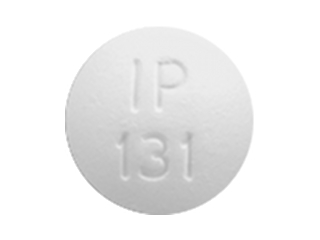
Colchicine (Colchicum autumnale) — Patient Guide
Colchicine is a medicine used to treat and help prevent certain inflammatory conditions, most notably gout attacks. It contains the active substance originally derived from the autumn crocus (Colchicum autumnale). In the UK, colchicine products are available in specific strengths and formulations, and they are used under clinical guidance for appropriate conditions.
This page explains how colchicine works, what to expect, how it is usually taken, and important safety information, including interactions and practical tips.
Basic product information
| Category | Details |
|---|---|
| Active ingredient | Colchicine |
| Source (historical) | Colchicum autumnale (autumn crocus) |
| Medicinal use | Treatment and prevention of gout flares; treatment of some inflammatory conditions |
| Common routes | Oral tablets/capsules (depending on product) |
| Typical duration | Short course for flares; longer-term use may be advised for prevention in some people |
| Important safety notes | Dose adjustments are often needed in kidney or liver impairment; interactions are significant |
How colchicine works (mechanism of action)
Colchicine reduces inflammation by interfering with key steps in how inflammatory cells (especially neutrophils) move to and respond within affected joints and tissues. It works by binding to tubulin, disrupting microtubule formation and thereby affecting cell functions involved in inflammation.
In gout, this helps calm the intense inflammatory response triggered by crystals of urate inside joints. Starting colchicine early in a flare can improve symptom control.
Pharmacokinetics: what the body does to colchicine
Pharmacokinetics describe how colchicine is absorbed, distributed, metabolised, and eliminated. While exact values vary by individual and formulation, key points include:
- Absorption: Taken by mouth, colchicine is absorbed from the gastrointestinal tract. Food can affect how quickly it is absorbed.
- Distribution: It distributes into tissues and can remain active for a period depending on individual metabolism and clearance.
- Metabolism: Colchicine is metabolised mainly by CYP3A4 (and transport by P-glycoprotein).
- Elimination: Excretion involves the kidneys and the gut. Clearance is reduced in kidney and/or liver impairment, increasing risk of side effects if doses are not adjusted.
Because metabolism and transport pathways are involved, drug interactions can be clinically important.
Typical uses and indications (what it’s used for)
Colchicine is used for inflammatory conditions where its anti-inflammatory effect is beneficial. Common indications include:
- Gout flares: To treat acute gout attacks and to reduce inflammation and pain.
- Gout flare prevention: In some people, colchicine may be used as “prophylaxis” (prevention) around periods such as starting or adjusting urate-lowering therapy, as advised by clinicians.
- Familial Mediterranean fever (FMF) and other autoinflammatory disorders: Depending on the product and patient profile, it may be used to manage recurrent inflammation.
- Other inflammatory conditions: Some specialist uses exist for conditions where colchicine has evidence of benefit. These depend on national guidance and local clinical protocols.
If you are unsure whether colchicine is appropriate for your situation, speak to a healthcare professional.
When to take colchicine (timing)
Timing can influence how well colchicine controls a flare. General guidance for gout flares includes:
- During a flare: Take colchicine as early as possible after the onset of symptoms (for example, when joint pain and swelling begin), as earlier treatment may be more effective.
- Prevention (if prescribed): Follow the prescribed schedule consistently. If you miss a dose, do not double up—contact your pharmacist or clinician for advice based on the dosing plan.
- Consistency: Try to take doses at the same time(s) each day to help maintain stable levels and reduce missed doses.
Always follow the specific directions given with your individual product and plan.
Dosing: general principles (important)
Colchicine dosing depends on the condition being treated, the formulation, and—critically—your kidney and liver function, age, and possible interacting medicines. Because colchicine has a relatively narrow safety margin, dosing should be individualised.
Never change the dose without advice.
Key dosing considerations
- Kidney impairment: Dose reduction is often required. In severe cases, alternative options may be considered.
- Liver impairment: Dose reduction or avoidance may be needed depending on severity.
- Age and body factors: Older adults may be more vulnerable to side effects, and dosing may be adjusted.
- Interaction risk: Some medicines can markedly increase colchicine exposure and may require avoidance.
- Symptom-based dosing: For flares, a short course may be used; for prevention, ongoing low-dose regimens may be advised.
Practical approach to dosing
- Take only the amount stated on your label and within your plan.
- Do not take extra doses “to make it work faster”.
- If you think you have taken too much, seek urgent medical advice (see Safety section).
Food interactions: what to know about meals
Colchicine can be taken with or without food depending on the product and tolerance, but food may affect absorption rate. If stomach upset occurs, taking colchicine with food may help some people.
- General: Many users take colchicine with a meal or a snack to reduce gastrointestinal discomfort.
- Avoid extremes: Alcohol and large fatty meals can worsen nausea and may indirectly contribute to poor tolerability.
- Consistency: Try to take it in the same way each day to keep routine stable.
If your product leaflet provides specific instructions, follow those instructions.
Alcohol interactions
There is no single universal “safe” rule for alcohol with colchicine, but alcohol can increase the risk of side effects and may worsen certain conditions (such as gout) by affecting urate levels and liver function.
- Risk of side effects: Alcohol may increase the likelihood of nausea, stomach upset, and dehydration.
- Gout: Alcohol—particularly beer and spirits—can contribute to gout flares in some individuals.
- Liver considerations: Because colchicine is processed by the liver, heavy alcohol use may be a concern.
For most people, moderate alcohol is sometimes tolerated, but if you have kidney/liver issues or frequent flares, it’s best to minimise or avoid alcohol and discuss individual advice with a clinician.
Medicine interactions (very important)
Colchicine is sensitive to interactions that affect CYP3A4 and P-glycoprotein. Some medicines can significantly raise colchicine levels, increasing the risk of serious toxicity, including severe gastrointestinal symptoms, blood count changes, muscle damage, and organ effects.
Common interaction categories
- Strong CYP3A4 inhibitors / P-gp inhibitors: often require avoidance of colchicine or careful adjustment. Examples can include some antifungal medicines and certain antibiotics.
- Macrolide antibiotics: may increase colchicine exposure.
- Some HIV medicines: may increase colchicine levels.
- Statins and cholesterol-lowering medicines: the combination can increase risk of muscle-related side effects (myopathy/rhabdomyolysis), especially in people with kidney impairment or higher doses.
- Other medicines affecting kidneys: dehydration or kidney-stressing medicines can increase toxicity risk.
What you should do
- Tell your pharmacist or clinician about all medicines you take, including over-the-counter products and herbal remedies.
- Check labels for substances that may interact (for example, certain antifungals or antibiotics).
- Do not start a new medicine while taking colchicine without advice.
If you want, you can share a list of your current medicines to help you identify potential interaction concerns with a pharmacist.
Safety profile: side effects and who needs extra caution
Like all medicines, colchicine can cause side effects. Many side effects relate to the gastrointestinal system, and risk increases with higher doses, kidney/liver impairment, and interacting medicines.
Common side effects
- Diarrhoea
- Nausea
- Vomiting
- Abdominal pain or cramps
Less common but serious side effects
- Severe diarrhoea or persistent vomiting (risk of dehydration)
- Blood-related effects: changes in blood counts may occur, especially with prolonged or high exposure
- Muscle damage: pain, weakness, or dark urine can occur particularly with interacting drugs (for example, some statins) and in people with kidney impairment
- Organ effects (rare but serious), especially with overdose or interacting medicines
Urgent advice: signs to act on
Seek urgent medical advice if you develop:
- Severe or worsening diarrhoea or vomiting
- Unusual bleeding, severe tiredness, or fever
- Muscle pain/weakness, especially with dark urine
- Any signs of overdose (see below)
Who should use extra caution
- People with kidney impairment
- People with liver impairment
- Older adults
- People taking medicines that interact with colchicine (especially those affecting CYP3A4/P-gp)
- People who are dehydrated or at risk of dehydration
- Those with a history of intolerance to similar medicines
Overdose warning
Colchicine overdose can be dangerous. If you suspect you have taken too much, contact urgent medical services or seek emergency advice immediately. Keep your medicine pack with you if possible.
Practical use tips (how to take colchicine more safely)
- Follow your plan closely: use the exact dose and schedule provided for your condition.
- Stay hydrated: especially during a flare when you may eat less or feel unwell.
- Plan for stomach side effects: if you get nausea, taking doses with food may help (unless your instructions say otherwise).
- Avoid “stacking” doses: do not take extra colchicine or combine with other gout flare medicines without advice.
- Keep a medicine list: update it with new prescriptions and over-the-counter products so you can check interactions quickly.
- Monitor kidney function if long-term use: clinicians may arrange blood tests if you take colchicine for prevention.
Alternative options for gout or inflammatory conditions
The best alternative depends on your diagnosis, symptom severity, and medical history. Common alternatives discussed in UK practice for gout flares or inflammation may include:
- Non-steroidal anti-inflammatory drugs (NSAIDs): used for acute attacks in some patients, but may not suit those with kidney disease, stomach ulcers, or cardiovascular risk.
- Corticosteroids: oral or injection options for flare control in selected people.
- Urate-lowering therapies (long-term): for reducing future gout risk (these do not treat an acute flare the same way, but can be part of long-term management).
- Non-pharmacological measures: hydration, avoiding flare triggers, and addressing diet and weight can reduce frequency for some people.
If you are considering changing treatment, speak to a healthcare professional. Switching medicines can be complex and depends on kidney function, interactions, and current symptoms.
UK market and legal/regulatory context (patient-friendly overview)
In the United Kingdom, colchicine products are regulated medicines supplied in line with UK medicines legislation and guidance. Availability may vary by strength and brand.
- Quality and safety standards: UK products must meet required manufacturing and quality controls.
- Medicines guidance: Prescribing practices are influenced by national and local clinical guidance, including updates from medicines safety and professional bodies.
- Safety communications: Where new evidence emerges—particularly about interactions or dosing—updates are disseminated through healthcare channels.
If you are buying colchicine online, ensure you select a reputable UK pharmacy and check that the product matches what your clinician intended (strength, formulation, and dosing instructions).
Recent guidance and safety awareness (what to keep in mind)
Safety alerts over recent years have repeatedly emphasised that colchicine can be unsafe when:
- Used at incorrect doses
- Used with interacting medicines (especially strong CYP3A4/P-gp inhibitors)
- Used without dose adjustment in kidney or liver impairment
- Overused for “faster relief” during flares
UK clinical practice also tends to emphasise: early treatment of flares, careful consideration of comorbidities, and structured long-term gout management where appropriate (for example, addressing urate levels).
Always follow the dosing plan from your healthcare professional and the directions on your product packaging.
Delivery and availability in the UK
Colchicine availability can vary depending on the formulation, strength, and supply chain. For online pharmacy orders in the UK, delivery options may include standard and expedited services (depending on the pharmacy).
- Stock status: Some strengths may be intermittently unavailable. If you can’t find your exact product, contact the pharmacy for alternatives within the same active substance.
- Packaging: Products are typically supplied in manufacturer’s packaging with patient information included.
- Delivery: UK delivery times vary by service; tracking may be provided where offered.
If you have a specific deadline (for example, a planned travel date), it’s a good idea to order early and choose a faster delivery method if available.
FAQ: Colchicine (UK) — common questions
1) What is colchicine used for?
Colchicine is commonly used for gout flares and may be used for prevention of gout attacks in certain situations. It can also be used for other inflammatory conditions, depending on the indication and patient profile.
2) How quickly does colchicine work?
Many people notice improvement within a day or so when taken early in a flare, though individual response varies. If symptoms worsen rapidly or you experience severe side effects, seek advice promptly.
3) Should I take colchicine with food?
Some people find it easier to tolerate colchicine with food, especially if it causes nausea. The best approach is to follow the directions on your product label and adjust only with advice.
4) Can I drink alcohol while taking colchicine?
Alcohol may increase the risk of side effects and can worsen gout for some people. If you choose to drink, keep it moderate and consider avoiding alcohol if you have frequent flares or liver/kidney problems.
5) What medicines should not be taken with colchicine?
Colchicine interacts with medicines that affect CYP3A4 and P-glycoprotein, and combinations can raise colchicine levels. Examples can include certain antifungals, some antibiotics, some HIV medicines, and some cholesterol-lowering medicines. Check with a pharmacist or clinician if you’re unsure.
6) What if I miss a dose?
If you miss a dose, do not take an extra dose to “catch up.” Follow the plan on your label or contact a pharmacist for advice. Advice differs depending on whether you are treating an acute flare or using it for prevention.
7) Can I take colchicine if I have kidney or liver problems?
Colchicine can accumulate in kidney and/or liver impairment, increasing side effects risk. Dose adjustments—or sometimes avoidance—may be needed. Always discuss your kidney and liver status with a healthcare professional.
8) What side effects are most common?
The most common side effects are gastrointestinal, such as diarrhoea, nausea, vomiting, and abdominal pain. Severe diarrhoea or vomiting requires prompt medical advice to prevent dehydration.
9) When should I seek urgent help?
Seek urgent medical advice if you have severe diarrhoea/vomiting, signs of dehydration, unusual bleeding, fever with weakness, or muscle pain/weakness—particularly if you also take other interacting medicines—or if you suspect overdose.
10) Are there alternatives to colchicine?
Yes. Alternatives depend on your condition and health profile and may include NSAIDs or corticosteroids for flare control, plus long-term urate-lowering approaches where appropriate for gout. Your clinician can advise the best option for you.
Summary
Colchicine is an anti-inflammatory medicine widely used in the UK for gout flares and, in some circumstances, to help prevent future attacks. It works by disrupting cellular processes involved in inflammation. Because colchicine has important interactions—especially with medicines that affect CYP3A4/P-glycoprotein—and because kidney/liver function influences risk, it’s essential to follow your dosing plan and avoid interacting medicines unless advised.
If you have questions about suitability, interactions, or how to take colchicine safely, speak to a pharmacist or healthcare professional.