Colchicum autumnale (Autumn Crocus) — Patient Information (UK)
Colchicum autumnale is a plant-derived medicine used for conditions where there is an inflammatory response, most commonly gout. It contains the active substance colchicine (from Colchicum autumnale). This information is written to help you understand what the medicine is for, how it works, what to watch for, and how to use it safely.
Important: Colchicine can be dangerous if taken incorrectly or in certain combinations. Always follow the instructions provided with your medicine and consult a healthcare professional if you are unsure.
Basic product information
- Medicinal ingredient: Colchicum autumnale (colchicine)
- What it’s used for: Treatment and prevention of gout flares; sometimes used in other inflammatory conditions as advised by a clinician
- How it works: Reduces inflammatory processes linked to gout and other crystal-related inflammation
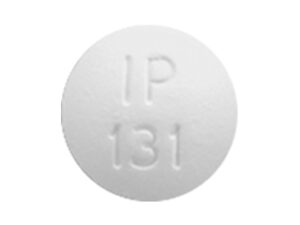
- Typical formulations: Tablets or capsules (strength varies by product)
- Country context: Medicines containing colchicine are used in the UK under established clinical practice and regulatory oversight
How Colchicum autumnale works (mechanism of action)
Gout flares occur when uric acid crystals form in joints. The body’s immune cells respond by releasing inflammatory signals, which leads to swelling, pain, and redness.
Colchicine works mainly by interfering with microtubules inside immune cells. This helps to:
- Reduce migration and activation of neutrophils (a type of white blood cell)
- Limit release of inflammatory chemicals
- Decrease the inflammatory cascade that drives gout symptoms
Because of this, colchicine can reduce symptoms during an acute flare and may be used to reduce the risk of flares when starting longer-term urate-lowering therapy (where appropriate).
Pharmacokinetics (what the body does to the medicine)
Pharmacokinetics describes how the body absorbs, distributes, metabolises, and eliminates the medicine.
- Absorption: Colchicine is absorbed from the gut, but absorption can vary between people and can be affected by other medicines.
- Distribution: It distributes into tissues and can reach sites of inflammation.
- Metabolism: Colchicine is metabolised mainly in the liver via enzymes including CYP3A4.
- Transporters: It is also influenced by transport proteins such as P-glycoprotein (P-gp).
- Elimination: Elimination occurs through both metabolism and excretion, including via bile and kidneys. Kidney and liver function affect how quickly it clears.
- Half-life (approximate concept): Colchicine’s persistence can be prolonged in people with reduced kidney or liver function, increasing the risk of toxicity.
Why this matters: Medicines that inhibit CYP3A4 or P-gp, or medicines that affect kidney/liver function, can increase colchicine levels and raise the risk of severe side effects.
Typical use and indications
Colchicum autumnale/colchicine is used to manage inflammatory episodes related to crystal deposition.
Indications commonly used in the UK
- Gout flares (acute gout): To relieve symptoms during an attack.
- Prevention of gout flares: Sometimes used to prevent flares, for example when initiating or changing urate-lowering therapy (as advised by a clinician).
- Other crystal-related inflammatory conditions: In some cases, colchicine may be used in conditions guided by specialist advice (availability and suitability depend on your specific diagnosis).
Note: The exact indication, dosing, and duration depend on the product strength and your individual medical history.
Timing: when to take it
For an acute gout flare: Colchicine is usually most effective when taken early in the flare. Start as soon as recommended by your healthcare professional or per the product instructions.
For prevention: It may be taken on a regular schedule. Do not change your dose or stop suddenly without advice.
General practical advice
- Take your dose at the same time(s) each day if used regularly.
- If you miss a dose, follow the instructions on the packaging or from your prescriber/pharmacist. In general, do not double up.
- Keep track of doses, especially if you have kidney impairment or take interacting medicines.
Dosing (general guidance)
Important: Dosing varies by the product and by the purpose (acute flare vs prevention), age, kidney function, liver function, and drug interactions. Always use the dose specified for your medicine.
Acute gout flare
Typical regimens are designed to control inflammation quickly while limiting toxicity. Doses are often taken more frequently at the start, then adjusted based on response and tolerability.
Prevention of gout flares
Prevention dosing is usually lower and taken for a defined period or as advised.
Who may need a lower dose
- People with reduced kidney function
- People with reduced liver function
- People taking strong inhibitors of CYP3A4 or P-gp
- Elderly patients (due to increased risk of side effects and altered clearance)
Do not exceed recommended doses. Colchicine has a narrow safety margin; overdose can be life-threatening.
Food interactions
Food may affect how colchicine is absorbed, but for many people it can be taken with or without food. However, certain dietary habits and digestive tolerability can influence side effects such as nausea and diarrhoea.
- If your product leaflet or pharmacist advises taking it with food, follow that advice.
- Take care if you experience diarrhoea or stomach upset—these can increase the risk of dehydration, especially during a flare.
- Alcohol does not usually interact directly with absorption, but it can worsen gout and can increase risk when combined with medications that affect your liver or overall health.
Alcohol and medicine interactions
Alcohol
While alcohol may not have a direct pharmacological interaction with colchicine in all cases, it can:
- Increase gout risk by raising uric acid levels in some people
- Worsen dehydration, which may aggravate side effects
- Increase strain on the liver (relevant if you have liver impairment)
Practical advice: Consider limiting alcohol during a flare and avoid binge drinking.
Medicine interactions (high priority)
Colchicine levels can rise sharply with certain medicines. The following are examples of medicines that can interact (this is not an exhaustive list):
| Interaction type | Examples (may vary by country/formulation) | Potential effect |
|---|---|---|
| Strong CYP3A4 or P-gp inhibitors | Some antifungals (e.g., azoles), certain antibiotics (e.g., macrolides), some HIV medicines | Higher colchicine blood levels; increased risk of severe toxicity |
| Other medicines affecting kidney/liver function | Varies (including some diuretics, NSAIDs, and other drugs depending on your health) | Reduced clearance; higher colchicine exposure |
| Drugs that increase GI side effects | Some medicines associated with nausea/diarrhoea | May worsen gastrointestinal intolerance |
What to do: Tell your pharmacist about all medicines you take, including over-the-counter products and herbal remedies. If you are starting a new medicine, ask whether it affects colchicine.
Safety profile: side effects and who needs extra caution
Most people tolerate colchicine reasonably well when taken correctly, but it can cause side effects—particularly gastrointestinal ones. Severe toxicity is a medical emergency.
Common side effects
- Diarrhoea
- Nausea
- Vomiting
- Abdominal pain
Less common but important
- Dizziness or feeling unwell
- Muscle weakness or unusual muscle pain (especially if you take interacting medicines)
- Changes in blood counts (more likely in overdose or high exposure)
- Neurological symptoms in severe toxicity
Signs of serious toxicity — seek urgent help
Get urgent medical advice immediately (or call emergency services) if you experience:
- Severe or persistent diarrhoea or vomiting
- Severe weakness, collapse, or dehydration
- Unusual bruising, bleeding, or signs of infection
- Severe muscle pain/weakness
- Confusion or extreme drowsiness
Risk factors for toxicity include:
- Taking too much (overdose) or taking doses too frequently
- Kidney impairment or dehydration
- Liver impairment
- Taking interacting medicines (especially CYP3A4/P-gp inhibitors)
- Older age
Practical use tips (how to take it safely)
- Double-check the dose: Colchicine dosing can be regimen-specific; do not substitute doses from another product unless advised.
- Keep a medicine list: Include doses and bring it to appointments.
- Stay hydrated: Especially if you have diarrhoea or during a gout flare.
- Avoid “extra” doses: Don’t take additional doses to “catch up” a missed dose.
- Watch for early side effects: Stop and seek advice if you develop significant diarrhoea, persistent vomiting, or severe stomach pain.
- Be cautious with kidney/liver changes: If you become unwell with vomiting/diarrhoea, stop and seek medical advice before taking further doses.
- Tell healthcare staff: Inform clinicians that you take colchicine/Colchicum autumnale if you’re being assessed for symptoms or before procedures.
Alternative options for gout and crystal inflammation
Choice of treatment depends on your health, flare severity, kidney function, other conditions, and other medicines. Alternatives may include:
For acute gout flares
- NSAIDs (for example ibuprofen or naproxen) — may not be suitable if you have kidney disease, stomach ulcers, or certain cardiovascular risks
- Corticosteroids — oral or injected depending on the situation and medical suitability
- Other anti-inflammatory treatments — guided by clinical advice
For long-term prevention (urate lowering)
- Urate-lowering medicines such as allopurinol or febuxostat (choice depends on individual factors)
- Lifestyle measures including weight management, diet adjustments, hydration, and limiting alcohol
If colchicine isn’t suitable for you, ask your healthcare professional about the safest alternative based on your medical history.
UK market and legal context (how it fits within UK healthcare)
In the United Kingdom, medicines are regulated by the Medicines and Healthcare products Regulatory Agency (MHRA) and must meet standards for safety, quality, and efficacy. Gout management follows guidance produced by professional bodies and updated periodically.
Depending on the specific product, colchicine may be supplied via pharmacy services and is subject to prescribing and dispensing controls consistent with UK rules. If you are purchasing through a UK online pharmacy, you should expect checks such as:
- Identity and eligibility checks
- Medicine interaction screening
- Assessment of kidney/liver risk and other contraindications
- Appropriate product information provided with your order
Regulatory and safety notices: For colchicine, UK and European regulators have issued safety communications over the years about interactions (notably with strong CYP3A4/P-gp inhibitors), dosing errors, and overdose risk. UK practice commonly emphasises correct dosing and careful interaction screening.
Recent guidance and safety emphasis (UK practice)
In recent years, healthcare practice has placed renewed emphasis on:
- Preventing medication errors (especially confusion between products or strength)
- Reducing interacting-medicine risk by careful screening
- Adjusting doses in kidney impairment
- Educating patients about early symptom recognition and when to seek help
If you have kidney disease, take multiple medicines, or have ever experienced colchicine side effects, it’s particularly important to review your regimen with a pharmacist.
Delivery and availability (UK online pharmacy)
Availability of Colchicum autumnale/colchicine products can vary depending on the formulation and strength. Many online pharmacies in the UK offer:
- Home delivery (typically tracked, subject to carrier schedules)
- Stock availability checks to confirm dispatch times
- Secure packaging to protect tablets/capsules
- Customer support for delivery queries
Delivery times: These depend on location and whether items are in stock. You can usually view estimated dispatch/delivery times at checkout or in your order confirmation email.
FAQ
1) What is Colchicum autumnale used for?
It is used (via the active substance colchicine) to treat inflammatory episodes related to gout, and in some cases to help prevent gout flares, depending on your clinical situation.
2) How quickly does it work?
Many people notice improvement within about the first day when colchicine is started early in a flare. The exact response varies by person and by flare severity.
3) Can I take it if I have kidney problems?
You may still be able to take colchicine, but dosing often needs adjustment and interaction risk may be higher. Always discuss kidney function with a healthcare professional and follow the prescribed or recommended dose.
4) What should I do if I get diarrhoea after taking it?
Mild stomach upset can occur. If diarrhoea is significant, persistent, or you feel weak or dehydrated, seek medical advice promptly. Do not take extra doses to “compensate.”
5) Are there foods I should avoid?
There are no universally required foods to avoid, but taking colchicine with or after food may help some people tolerate it better. Also, alcohol and dehydration can worsen gout for many people.
6) Can I drink alcohol while taking colchicine?
It’s advisable to limit alcohol, especially during a gout flare, as it can worsen gout and may aggravate side effects or dehydration. If you have liver issues, alcohol avoidance is particularly important.
7) What medicines interact with colchicine?
The most important interactions are medicines that inhibit CYP3A4 or P-gp, which can raise colchicine blood levels. Examples include certain antifungals, antibiotics, and HIV medicines. Tell your pharmacist about every medicine you take.
8) Is it safe to take with other gout medicines?
Sometimes it is used in combination as part of a plan, but it depends on what those other medicines are, your kidney/liver function, and your flare history. Ask a clinician/pharmacist to confirm the safest plan.
9) What happens if I take too much?
Overdose can be very dangerous. If you think you have taken too much colchicine, seek urgent medical help immediately.
10) Are there non-drug alternatives for gout?
Yes. Lifestyle strategies such as maintaining a healthy weight, hydration, dietary changes (for example limiting high-purine foods and sugary drinks), and moderating alcohol can help reduce flare frequency. Long-term urate-lowering therapy is often needed to control uric acid levels.
Summary
Colchicum autumnale (colchicine) is an anti-inflammatory medicine used for gout flares and, in some situations, to help prevent future flares. It works by reducing inflammation within immune cells. Because colchicine is cleared by the liver and kidneys and interacts with several medicines (especially those affecting CYP3A4/P-gp), correct dosing and avoiding interacting medicines are essential for safety.
If you have questions about your dosing, side effects, or medicine interactions, speak to a qualified healthcare professional or your pharmacist before continuing treatment.