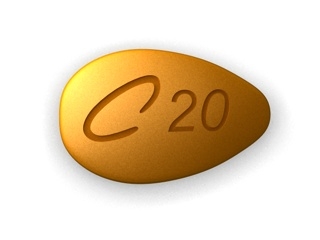

Cialis (Tadalafil) – Patient-Friendly Guide (UK)
Cialis contains the active ingredient tadalafil, a medicine used to treat erectile dysfunction (ED) and certain urinary symptoms associated with benign prostatic hyperplasia (BPH). This guide explains how Cialis works, how it is taken, what to expect, and important safety information for use in the United Kingdom.
Always follow the instructions provided by your healthcare professional and the patient information leaflet supplied with your medicine. If you have questions, speak to a pharmacist or clinician.
1) Basic product information
Brand name: Cialis
Generic name: Tadalafil
Medicine class: PDE5 inhibitor (phosphodiesterase type 5 inhibitor)
Common strengths (may vary by product): 2.5 mg, 5 mg, 10 mg, 20 mg tablets (availability can depend on supplier and UK pharmacy stock)
How it works: helps improve blood flow to the penis during sexual stimulation (ED) and relaxes smooth muscle in the prostate and bladder (BPH-related symptoms)
What Cialis is and isn’t
- It is not an aphrodisiac. Sexual stimulation is still required for ED to improve.
- It does not protect against sexually transmitted infections (STIs). Consider barrier protection.
- It treats symptoms, not the underlying cause of erectile dysfunction or BPH.
2) Mechanism of action (how Cialis works)
Tadalafil is a PDE5 inhibitor. During arousal, nitric oxide is released in the penis, which increases cGMP (cyclic guanosine monophosphate). cGMP helps relax blood vessels, allowing increased blood flow and an erection.
PDE5 breaks down cGMP. Tadalafil inhibits PDE5, helping cGMP levels remain higher for longer. This supports improved erectile function in response to sexual stimulation.
For BPH, tadalafil helps relax smooth muscle, improving urine flow and reducing symptoms such as difficulty starting urination and frequent nighttime urination.
Key point
Cialis works only when your body’s natural arousal mechanisms are activated; it does not cause automatic erections.
3) Pharmacokinetics (how the body processes tadalafil)
Pharmacokinetics describe how the body absorbs, distributes, metabolises and eliminates tadalafil. While individual responses vary, the following information helps you understand typical patterns.
| Property | Typical characteristics |
|---|---|
| Absorption | Oral absorption occurs after tablet administration; peak effects generally occur within several hours. |
| Time to peak | Often around 1–2 hours (may vary with dose and individual factors). |
| Duration of action | Tadalafil is known for a prolonged effect; many people experience effects for up to 36 hours for ED using on-demand dosing. |
| Distribution | Distributes into body tissues; binds to plasma proteins. |
| Metabolism | Primarily metabolised by the liver enzyme CYP3A4. |
| Elimination | Excreted mainly via faeces and urine metabolites; the parent drug is eliminated more slowly than many short-acting ED medicines. |
| Half-life | Generally long (often cited around 17–18 hours), contributing to its longer-lasting effect. |
4) Typical uses and indications (what Cialis is used for)
Cialis may be prescribed for:
- Erectile dysfunction (ED): improving the ability to get and maintain an erection suitable for sexual activity.
- Signs and symptoms of benign prostatic hyperplasia (BPH): such as urinary difficulty (including reduced flow, hesitancy, and frequent urination).
- ED and BPH symptoms together: tadalafil can be used when both conditions are present (depending on local prescribing practice and available strengths).
Indications can vary by product strength and local regulatory decisions. If you are unsure why you have been advised Cialis, check your treatment plan with your clinician or pharmacist.
5) Dosing in the UK (general guidance)
Dosing depends on the condition treated (ED, BPH, or both), your age, kidney and liver function, and interactions with other medicines. The safest approach is to use the exact regimen recommended for you.
Common dosing approaches for ED
- On-demand (before sexual activity): often taken as-needed, typically starting with 10 mg and adjusted based on response and tolerability. Some people may use 20 mg depending on effectiveness and side effects.
- Once-daily option: for some patients, Cialis may be used at a lower dose once daily to support more spontaneous sexual activity.
Common dosing approaches for BPH
- Once daily dosing is commonly used for urinary symptoms.
Typical maximum frequency
Do not exceed the dosing schedule provided by your healthcare professional. As a general principle, avoid taking additional tablets close together beyond your prescribed instructions, because tadalafil’s longer duration can increase side effects.
Missed dose
If you miss a daily dose, take it when you remember only if it aligns with your dosing schedule and your clinician’s advice. Do not take a double dose to make up for the missed tablet.
6) Timing: when to take Cialis and what to expect
Timing can affect how quickly you notice effects. For ED on-demand use, many people take Cialis about 30 minutes to a few hours before expected sexual activity. Because tadalafil lasts a long time, the “window of opportunity” may extend beyond the first few hours.
Practical expectations
- First effects: commonly within 1–2 hours, but individual responses vary.
- Ongoing effect: the medicine may remain active for up to ~36 hours for ED when taken on-demand (subject to individual variability).
- Sexual stimulation still needed: arousal triggers the nitric oxide/cGMP pathway that PDE5 inhibition supports.
For daily use, take the tablet at the same time each day to maintain steady levels and consistent symptom relief (where prescribed).
7) Food interactions (what you can eat)
Cialis can generally be taken with or without food. However, food—especially a heavy or very fatty meal—may delay absorption slightly for some people, potentially delaying onset.
- Light meals: usually no problem.
- Heavy meals: may make effects feel less immediate.
- Alcohol-containing meals: consider alcohol guidance below.
If you are trying on-demand dosing for ED, you may find it easier to take it on an empty stomach or with a light meal if you want a faster onset (unless your clinician advised otherwise).
8) Alcohol interactions (and how much is safe)
Alcohol can affect sexual performance and may worsen side effects such as dizziness or low blood pressure. Cialis can lower blood pressure indirectly; combining with alcohol may increase the likelihood of feeling lightheaded.
Practical advice
- Try to keep alcohol to a moderate level.
- Avoid heavy drinking when using Cialis on an on-demand schedule.
- If you feel dizzy, unsteady, or faint, seek medical advice and avoid further alcohol.
Your personal response will vary depending on age, overall health, and other medications.
9) Medicine interactions (important safety information)
Drug interactions can be significant with tadalafil. Inform your pharmacist or clinician about all medicines you take, including over-the-counter products and herbal remedies.
Absolute / high-risk interaction
Do not take Cialis with nitrates (for example, glyceryl trinitrate) or nitrite medicines used for chest pain/angina. The combination can cause a dangerous drop in blood pressure.
Also avoid combining tadalafil with guanylate cyclase stimulators (for example, riociguat) for similar reasons (risk of severe hypotension).
Blood pressure medicines and “caution” interactions
- Alpha-blockers (used for prostate symptoms or some blood pressure conditions): may increase risk of dizziness or low blood pressure, especially when starting tadalafil or adjusting doses.
- Antihypertensives: may add to blood pressure-lowering effects.
Medicines that can increase tadalafil levels
Tadalafil is metabolised by CYP3A4. Strong inhibitors can raise tadalafil exposure and increase side effect risk, such as:
- Some antifungal medicines (e.g., ketoconazole)
- Some antibiotics (e.g., clarithromycin)
- HIV protease inhibitors and certain antivirals
- Some other strong CYP3A4 inhibitors
Medicines that can reduce tadalafil levels
- Some medicines that induce CYP3A4 can lower tadalafil levels, reducing effectiveness.
- Examples include some anti-epileptics and rifamycin antibiotics (exact agents vary).
Other ED medicines
Do not combine Cialis with other PDE5 inhibitors (e.g., sildenafil or vardenafil) unless your clinician explicitly advises it. Combining increases the risk of side effects.
Smoking
Smoking may affect blood vessel health and can worsen ED. While it does not directly mirror a “tablet interaction”, quitting or reducing smoking may improve overall outcomes.
10) Safety profile: side effects and when to seek urgent help
Like all medicines, Cialis (tadalafil) can cause side effects. Many are mild and improve as your body adjusts. If you experience severe reactions, contact a healthcare professional promptly.
Common side effects
- Headache
- Flushing (warmth/redness in the face)
- Indigestion / heartburn
- Back pain / muscle aches
- Stuffy nose
- Dizziness
Less common but important effects
- Changes in vision (e.g., blurred vision)
- Low blood pressure symptoms such as lightheadedness
- Palpitations
- Rash
Emergency warning signs (seek urgent medical help)
- Chest pain or symptoms suggesting a heart problem
- Severe dizziness, fainting, or signs of dangerously low blood pressure
- Sudden vision loss or sudden hearing loss
- Prolonged erection (priapism) lasting more than 4 hours
- Allergic reactions such as swelling of the face/lips or difficulty breathing
These events are uncommon, but immediate medical attention is essential if they occur.
11) Who should take extra care?
Some people require dose adjustments or additional monitoring. Speak to a clinician or pharmacist before using tadalafil if you have:
- Severe heart or circulation problems
- Very low blood pressure or recent episodes of dizziness/fainting
- Serious liver disease
- Severe kidney disease
- History of eye problems related to PDE5 inhibitors
- Conditions affecting erections (e.g., sickle cell disease, leukaemia, multiple myeloma)
- Taking medications that interact with tadalafil (see interaction section)
If you are uncertain whether Cialis is suitable for you, do not start it until you have received appropriate advice.
12) Practical use tips (getting the best results)
Choose the right schedule
- On-demand use: helpful if you prefer spontaneity within a longer window (rather than short timing).
- Daily use: helpful if you want more consistent readiness and if it also helps urinary symptoms.
Keep expectations realistic
- Give it time: sometimes dose adjustments are needed to find the best balance of effect and side effects.
- Ensure there is sexual stimulation; Cialis supports the process rather than replacing it.
Manage lifestyle factors
- Maintain cardiovascular health (exercise, healthy weight, treat diabetes if present).
- Limit heavy alcohol and avoid recreational drugs that can affect blood flow and blood pressure.
- Sleep well and reduce stress—these have a major impact on ED.
Know your body’s response
- If you experience headaches, flushing, or back pain, discuss whether a lower dose or different schedule could suit you.
- If you feel dizzy or your blood pressure runs low, take extra caution and seek advice if symptoms persist.
13) Alternative options to Cialis (tadalafil)
If Cialis does not suit you, there are other ED and BPH symptom treatments. Your clinician/pharmacist can advise on what fits your health profile and preferences.
Other ED PDE5 inhibitors
- Sildenafil (often shorter acting; common for on-demand use)
- Vardenafil (similar class; timing and onset may differ)
- Avanafil (often faster onset for some people)
Non-PDE5 options
- For some BPH symptoms: alpha-blockers or other therapies may be used depending on suitability.
- For ED: lifestyle changes, counselling, or other medical options may be considered.
- Devices: vacuum erection devices can be an alternative for some individuals.
Whether you can switch depends on your medical history and other medications. Do not start or swap ED treatments without professional guidance.
14) Market and legal context in the United Kingdom
In the UK, medicines containing tadalafil (including Cialis) are regulated and supplied according to UK medicines law and pharmacy practice. Availability may depend on the product type and strength, and online pharmacy services commonly require completion of a health assessment.
Cialis is an established treatment, and quality, safety and compliance are important. A reputable UK pharmacy will provide appropriate information, check eligibility, and supply genuine products.
Recent guidance (general themes)
UK clinical guidance for ED typically emphasises:
- Safety screening for cardiovascular risk and contraindications
- Review of medications to avoid hazardous interactions (especially nitrates)
- Individualised dosing based on response and tolerability
- Ongoing monitoring for side effects and suitability, particularly for older adults and those with kidney/liver impairment
Guidance can vary by setting and patient group. If you are unsure about what to discuss with a clinician, speak to a pharmacist.
15) Delivery and availability (what to expect online)
Online pharmacy availability depends on stock levels and the strength you choose. Many pharmacies can deliver to UK addresses with tracked service, but delivery times may vary by location, order cut-off times, and carrier schedules.
Typical ordering considerations
- Strength and quantity: confirm the tablet strength matches your intended use.
- Package integrity: products should arrive sealed and properly labelled.
- Patient information: ensure you review the leaflet and follow dosing instructions.
If you have a deadline (for example, planning around an event), check estimated delivery times before ordering.
16) Storage and handling
- Store at room temperature, away from moisture and direct sunlight.
- Keep tablets in their original packaging.
- Keep out of sight and reach of children.
- Do not use after the expiry date shown on the pack.
17) FAQ about Cialis (tadalafil)
1. How long does Cialis take to work?
Many people notice effects within about 1–2 hours. Because tadalafil lasts longer, the effect may build over a longer period for some users. If you find onset is too slow, discuss options (timing, dose, and meal effects) with a pharmacist.
2. How long does it last?
For on-demand use in ED, tadalafil is known for a prolonged effect that can last up to about 36 hours in many people. For daily regimens, the goal is consistent availability throughout the day.
3. Can I take Cialis with food?
Yes, Cialis can generally be taken with or without food. A heavy, fatty meal may delay onset, especially for on-demand use.
4. What if I drink alcohol?
Alcohol may increase the chance of dizziness or low blood pressure. Keep alcohol moderate and stop if you feel unwell.
5. Can I take Cialis if I have high blood pressure?
Many people with high blood pressure can use tadalafil safely, but it depends on the medicines you take and your health status. Share your full medication list with your pharmacist or clinician, particularly if you take blood pressure medicines or alpha-blockers.
6. Is Cialis safe with nitrate medicines?
No. Cialis should not be used with nitrates or similar chest pain medicines because of the risk of dangerous blood pressure drops. If you use nitrates, seek urgent medical advice for alternatives.
7. Can I combine Cialis with other ED tablets?
Avoid combining PDE5 inhibitors (such as sildenafil or vardenafil) unless specifically advised by a healthcare professional. Combining increases side effect risks.
8. What are common side effects?
Common side effects include headache, flushing, indigestion, back pain, and nasal congestion. If side effects are severe or persistent, contact a healthcare professional.
9. What should I do if I get a prolonged erection?
Seek urgent medical help if an erection lasts more than 4 hours. This condition (priapism) can damage tissue and needs prompt treatment.
10. Are there alternatives if Cialis doesn’t work for me?
Yes. Alternatives include other PDE5 inhibitors, different dosing strategies, and non-PDE5 options depending on whether the issue is ED, BPH symptoms, or both. Discuss your response with a clinician or pharmacist.
11. Can tadalafil be used for urinary symptoms?
Yes. Tadalafil may improve BPH-related urinary symptoms. Daily dosing regimens are commonly used, but the exact plan depends on your individual situation.
12. When should I seek advice urgently?
Get urgent help for chest pain, fainting, sudden vision or hearing loss, severe allergic reactions, or prolonged erections.
18) Summary
Cialis (tadalafil) is a long-acting PDE5 inhibitor used for erectile dysfunction and/or urinary symptoms of BPH. It works by supporting natural blood flow responses during sexual stimulation and relaxing smooth muscle for urinary symptom relief. With typical on-demand use, many people experience effects for up to about 36 hours, while daily dosing can support steadier symptom control.
Before using Cialis, check that it is safe for you—particularly regarding interactions (especially nitrates) and conditions affecting the heart, blood pressure, and liver/kidney function. If you are uncertain, speak to a pharmacist or clinician for personalised advice.