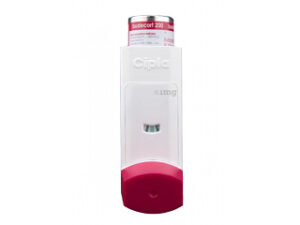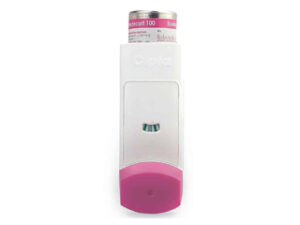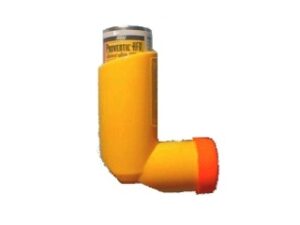
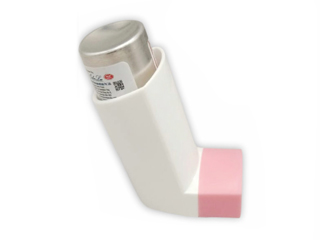

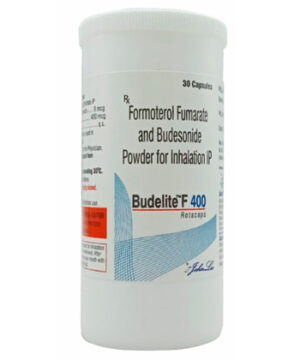
Budesonide Formoterol Inhaler (UK) – Patient Information
Budesonide formoterol is a combination inhaler medicine used to help control long-term breathing problems such as asthma and chronic obstructive pulmonary disease (COPD). It contains two active ingredients working together:
- Budesonide – a corticosteroid (anti-inflammatory medicine)
- Formoterol – a long-acting bronchodilator (relaxes the airways)
This guide is designed to be patient-friendly and helpful for people in the United Kingdom. It explains how the inhaler works, how to use it correctly, what to expect, common safety considerations, and where to find current UK guidance.
Basic product information
| Feature | Details |
|---|---|
| Medicine | Budesonide / formoterol combination inhaler |
| Uses | Maintenance treatment of asthma; maintenance treatment of COPD (and sometimes asthma relief strategies depending on product and plan) |
| How it works | Corticosteroid reduces airway inflammation; formoterol opens airways |
| Common formats | Metered-dose inhaler (MDI) or dry powder inhaler (DPI) depending on brand/device |
| Strengths | Different strength options exist (micrograms of budesonide and formoterol per actuation); confirm the label on your inhaler |
Important: In the UK, brands and devices vary (e.g., Aerosol puffs vs dry powder). Always follow the specific instructions supplied with your exact inhaler device.
How it works (mechanism of action)
Budesonide (inhaled corticosteroid)
- Targets inflammation in the airways.
- Helps reduce swelling and irritation in the bronchial tubes.
- Over time, improves symptoms and reduces the frequency of flare-ups.
Formoterol (long-acting beta-2 agonist)
- Relaxes smooth muscle in the airways.
- Improves airflow by widening the bronchi.
- Works quickly compared with some other long-acting bronchodilators, which can be helpful for symptom relief as part of a treatment plan.
Why the combination matters: Many people benefit from having both anti-inflammatory treatment (budesonide) and bronchodilation (formoterol) in one inhaler. This helps address two key features of asthma and COPD: airway inflammation and airway narrowing.
When it’s typically used
Asthma
For asthma, budesonide/formoterol is generally used as a regular maintenance treatment to keep symptoms under control and reduce exacerbations. Depending on the specific regimen and device, it may also be used for symptom relief in a planned approach (for example, a so-called “maintenance and reliever” strategy where appropriate).
COPD
For COPD, the inhaler is used to help maintain symptom control and improve quality of life. It supports breathing by reducing inflammation and keeping airways open.
Long-term plan matters
Inhalers like this are usually intended for ongoing daily use to maintain control. Symptoms may improve quickly from formoterol, while the full anti-inflammatory benefit from budesonide typically develops over days to weeks.
Timing and how quickly you may notice effects
- After using the inhaler, formoterol may start to help within minutes.
- Budesonide usually requires regular use to achieve the best results (often seen over days, with maximum benefit sometimes taking longer).
- If symptoms worsen or you need extra doses more often than planned, you should follow your asthma/COPD action plan and seek clinical advice.
Do not stop or change your dose without guidance, even if you feel better.
Indications (what it is used for)
Budesonide/formoterol inhaler is indicated in the UK for:
- Asthma – maintenance treatment to improve symptoms and reduce attacks/exacerbations.
- COPD – maintenance treatment to help manage airflow limitation and symptoms.
Exact eligibility and recommended regimen can vary by product, device, and your personal medical history.
Dosing (general UK patient overview)
Your dose depends on the condition, severity, and the specific inhaler strength/device you have. Always check the labelled instructions and your personal care plan.
Typical dosing principles
- Most regimens involve one inhalation twice daily (morning and evening) or other schedules depending on your prescription plan.
- For some asthma regimens, additional inhalations may be used for symptom relief within a set limit, but this must match your individual plan and the specific product guidance.
- Never exceed the maximum daily dose stated for your inhaler.
How to confirm your dose
Please look for:
- How many puffs/inhalations per dose
- How often (e.g., twice daily)
- Whether your plan allows extra doses for symptoms
- The maximum number of inhalations per day
If you are unsure, check the patient information leaflet included with your medicine or speak to a healthcare professional.
Mechanism-related patient advice: technique is crucial
Because this medicine is inhaled, correct technique greatly affects how much drug reaches the lungs. If you struggle with technique, consider asking a pharmacist, nurse, or GP to observe you using the device.
- Keep the inhaler clean and dry (follow device-specific instructions).
- Use the device exactly as designed; do not substitute steps between different inhaler types.
- If you miss a dose, take it when you remember unless it’s close to the next scheduled dose—avoid double dosing.
Food interactions
Food interactions are generally not expected with inhaled budesonide/formoterol because the medicine is delivered directly to the lungs and only small amounts are swallowed. For most people, you can take your inhaler regardless of meals.
However: very unusual vomiting or severe stomach illness may affect whether you absorb a swallowed fraction. If you have ongoing digestive problems, discuss with a clinician.
Alcohol and medicine interactions
Alcohol
There is typically no specific direct interaction between inhaled budesonide/formoterol and moderate alcohol use. However:
- Alcohol can worsen breathing for some people indirectly (e.g., via sleep disruption or dehydration).
- If you have COPD or asthma with frequent symptoms, heavy drinking may trigger or aggravate breathlessness.
Practical tip: If you notice alcohol reliably makes your breathing worse, consider limiting intake and discuss options with your healthcare team.
Other medicines (common interaction themes)
Interactions vary by medicine and dose. Key examples include:
- Other beta-agonists (e.g., some reliever inhalers or tablets): may increase effects like tremor or fast heartbeat if overused.
- Beta-blockers (used for heart conditions): can reduce the effectiveness of formoterol. Some cardioselective beta-blockers may still be used, but advice is important.
- Diuretics (“water tablets”) (especially loop or thiazide diuretics): may increase the risk of low potassium (hypokalaemia) when combined with beta-agonists.
- Certain antidepressants (e.g., tricyclics) and monoamine oxidase inhibitors: can increase cardiovascular effects in some cases.
- Medicines that affect liver enzymes (notably CYP-related inhibitors): may increase corticosteroid exposure in some people, potentially increasing steroid-related side effects.
- Other corticosteroids (tablets, injections, other inhalers): increases total steroid burden and may raise systemic side effects.
Always tell your pharmacist about all medicines you use, including inhalers, tablets, herbal products, and short courses.
Pharmacokinetics (how the body processes the medicine)
Inhaled delivery and absorption
- After inhalation, budesonide and formoterol deposit in the lungs.
- A portion may be swallowed and then absorbed through the gastrointestinal tract.
Distribution
- Both components distribute in the body to some extent; their overall impact is usually greatest in the airways where they act.
Metabolism
- Budesonide is metabolised mainly in the liver (extensively broken down into metabolites).
- Formoterol is also metabolised (with contributions from liver and other pathways depending on the individual).
Elimination
- Metabolites and small amounts of unchanged drug are eliminated mainly through the kidneys and bile (depending on the compound and the person).
Why this matters for patients: People with significant liver impairment may have higher exposure to inhaled steroids/related metabolites. If you have liver disease, your clinician may review your inhaler plan and monitoring.
Safety profile (what to watch for)
Like all medicines, budesonide/formoterol can cause side effects. Many are mild and improve with correct use. Common effects relate to inhaled corticosteroid action and beta-agonist effects.
Common side effects
- Hoarseness or voice changes
- Throat irritation
- Oral thrush (fungal infection) – more likely if you don’t rinse your mouth after use
- Tremor (shaking), especially in the hands
- Headache
- Palpitations or feeling of a fast heartbeat
Less common but important risks
- Low potassium (hypokalaemia), particularly with high doses or in combination with certain diuretics
- High blood sugar effects in susceptible people (steroid-related)
- Systemic corticosteroid effects are uncommon at inhaled doses, but long-term higher-dose use can contribute to:
- Bruising easily
- Changes to skin
- Potential impact on bone density over time
- Effects on the adrenal glands (rare with inhaled doses but risk increases with higher overall steroid exposure)
- Worsening breathing (paradoxical bronchospasm is uncommon, but seek help if it occurs)
Seek urgent medical attention if
- Your breathing rapidly worsens
- You have severe chest tightness, collapse, or inability to speak full sentences
- You feel unusually unwell, with signs of a severe allergic reaction (swelling of face/lips, rash, severe itching, difficulty breathing)
If you ever suspect a severe asthma/COPD flare, follow your personal action plan and seek urgent care.
Practical use tips (to get the best from your inhaler)
1) Rinse your mouth (very important)
Because budesonide is a corticosteroid, it can sometimes promote thrush or cause hoarseness. After inhaling:
- Rinse your mouth with water
- Spit out the water (do not swallow)
2) Use good technique
Incorrect technique is one of the most common reasons medicines don’t work as expected.
- If your device is a press-and-breathe inhaler (MDI), coordination between actuation and inhalation is important.
- If your device is a dry powder inhaler (DPI), you must inhale quickly and deeply to draw the powder into your lungs.
If you’re not sure which type you have, check the patient leaflet or the device instructions.
3) Consider a spacer (where appropriate)
Some inhaler types may benefit from a spacer, particularly in asthma. Whether your specific device is compatible depends on the inhaler format. Ask a pharmacist if a spacer is suitable.
4) Don’t miss doses
For maintenance control, regular use is key. If you forget, follow the “missed dose” advice in your leaflet or ask a pharmacist.
5) Keep track of your inhaler use
If you frequently need extra doses for symptoms beyond your plan, it can be a sign that your condition isn’t controlled. Early review can help prevent exacerbations.
Alternative options (other treatments you may be offered in the UK)
Alternative options depend on whether you’re being treated for asthma or COPD, the severity, and how well symptoms respond.
Possible alternatives for asthma
- Inhaled corticosteroid (ICS) alone for milder asthma
- ICS plus a different long-acting bronchodilator (e.g., different LABA options)
- Triple therapy (ICS + LABA + long-acting muscarinic antagonist) for some people with more severe or uncontrolled asthma
Possible alternatives for COPD
- Long-acting bronchodilators such as LABA or LAMA
- LABA/LAMA combination for maintenance symptoms
- Triple therapy in selected patients
- Smoking cessation support is also a major part of COPD care
Your clinician can discuss what’s appropriate based on your diagnosis, symptoms, exacerbation history, and existing inhaler technique.
UK market and legal context (how inhalers are positioned)
In the United Kingdom, budesonide/formoterol inhalers are regulated medicines used within established asthma and COPD treatment frameworks. Prescribing and medicine supply are governed by UK regulations, and products must meet standards for quality, safety, and labelling.
For online pharmacy customers, delivery and availability may vary by:
- Product brand and inhaler device type
- Strength and pack size (e.g., number of doses)
- Availability from distributors
- Regulated supply processes and verification requirements where applicable
Patient safety first: Always use the correct inhaler for the labelled strength and device instructions.
Recent guidance and treatment updates (UK overview)
Asthma and COPD management in the UK is typically informed by guidance from recognised bodies such as the National Institute for Health and Care Excellence (NICE) and the British Thoracic Society (BTS), alongside updates from respiratory care organisations. Guidance evolves over time, but common themes include:
- In asthma, using inhaled corticosteroids to reduce inflammation and prevent exacerbations.
- Regular review of symptom control, inhaler technique, and adherence.
- In COPD, optimising bronchodilation and considering inhaled steroid use for selected patients, often based on exacerbation risk and blood eosinophil levels.
- Structured action plans for exacerbations, including clear instructions on when to seek urgent help.
If you would like, tell us your condition (asthma/COPD) and the inhaler strength/device you have, and we can help you understand what to check against your action plan and device leaflet.
Delivery and availability in the United Kingdom
Availability depends on stock levels and the specific inhaler product. Many online pharmacies can deliver:
- Standard delivery (often a few working days)
- Express options where available
- Direct dispatch once stock is confirmed
What to check before ordering:
- Correct inhaler brand/device type (MDI vs DPI)
- Correct strength and dose
- Expiry date and sealed packaging status
- Any instructions about storage (typically protect from extreme temperatures and keep the device as directed)
If your inhaler is out of stock, some pharmacies may offer alternative strengths/devices if suitable—always confirm the change is appropriate with your healthcare team.
Frequently Asked Questions (FAQ)
1) Is budesonide formoterol a reliever or a preventer?
It is mainly a maintenance/controlling inhaler because it includes an inhaled corticosteroid (budesonide). Formoterol also provides bronchodilation and may act quickly. Whether you use it only for maintenance or also for symptom relief depends on the exact regimen your clinician has chosen for you and the product instructions.
2) How long will it take to work?
You may notice breathing improvements within minutes due to formoterol. The anti-inflammatory benefits of budesonide usually build over days to weeks. If you notice no improvement or you’re getting worse, seek advice.
3) Why do I need to rinse my mouth?
Rinsing and spitting reduces the risk of oral thrush and hoarseness from the corticosteroid component.
4) What should I do if I miss a dose?
Generally, take it when you remember unless it’s close to the next scheduled dose. Don’t take extra to make up for a missed dose. Follow your leaflet instructions or ask a pharmacist.
5) Can I use it with a spacer?
Some inhaler types are compatible with spacers, but it depends on whether your device is an MDI and the specific manufacturer design. Check the patient leaflet for your exact inhaler or ask a pharmacist.
6) Are there food or drink restrictions?
Most people do not need to avoid specific foods. Moderate alcohol is usually fine, but alcohol can worsen breathing in some individuals indirectly. If you notice patterns, discuss them with your healthcare team.
7) What happens if I use too much?
Using more than recommended can increase side effects such as tremor, palpitations, and low potassium. If you accidentally take extra doses, contact a healthcare professional for advice.
8) Can it affect my heart?
Formoterol can sometimes cause palpitations or a fast heartbeat, especially at higher doses. If you have existing heart conditions, your clinician may monitor you more closely.
9) Does it cause thrush?
It can. Rinsing your mouth after each use is the best prevention. If you develop white patches in the mouth, painful swallowing, or persistent sore throat, seek advice.
10) How do I know my inhaler is working?
Signs of good control include fewer symptoms, less night-time waking, less reliance on extra doses (as per your plan), and fewer flare-ups. Also confirm that your inhaler technique is correct and consistent.
Summary
Budesonide formoterol inhaler is a combined medicine designed to improve breathing by reducing airway inflammation (budesonide) and widening airways (formoterol). With correct technique and regular use, many people experience improved symptom control and fewer exacerbations. Rinse your mouth after each dose, monitor your symptoms, and seek advice promptly if breathing worsens or side effects become troublesome.
Always follow the specific instructions for your inhaler device and keep your UK action plan (asthma or COPD) up to date.