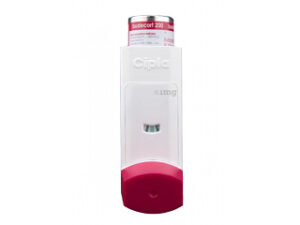
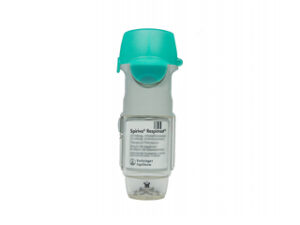
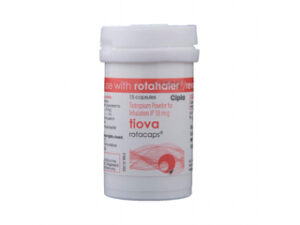
Tiova Inhaler (Tiotropium Bromide)
Tiova Inhaler contains tiotropium bromide, a medicine used to help people breathe more easily. It belongs to a group of medicines called long-acting antimuscarinic bronchodilators (LAMA). Tiova is designed for regular, once-daily inhalation to reduce breathlessness in appropriate lung conditions.
Important note
This page is written to help you understand how Tiova Inhaler works, how it is typically used in the UK, and what to expect. Always follow the instructions given by your healthcare professional and the information leaflet supplied with your medicine.
Basic product information
| Feature | Details |
|---|---|
| Medicine name | Tiova Inhaler (tiotropium bromide) |
| Medicine type | Long-acting antimuscarinic bronchodilator (LAMA) |
| How it is taken | Inhalation (breathed into the lungs) |
| Typical frequency | Usually once daily |
| Main use | Breathlessness due to COPD; sometimes other specialist-guided uses |
| Onset | Improves breathing over time; effect begins within hours, with regular use for benefit |
| Typical duration | Long-acting (helps for about 24 hours in many people) |
What is tiotropium and how does Tiova work?
Tiotropium bromide helps open the airways in the lungs. It does this by blocking the muscarinic receptors (especially M3 receptors) in the airway smooth muscle. When these receptors are blocked, the airways are less likely to narrow, making breathing easier.
Put simply: Tiova works as a “bronchodilator” that supports wider airways for longer periods, helping to reduce symptoms like shortness of breath.
Mechanism of action in plain language
- Antimuscarinic effect: reduces the signals that cause airway constriction.
- Long-lasting bronchodilation: helps keep airways open through the day.
- Symptom control: often used to improve day-to-day breathing and reduce flare-ups.
Pharmacokinetics (how the body handles Tiova)
Pharmacokinetics describes what happens after dosing—absorption, distribution, metabolism, and excretion. With inhaled tiotropium, the medicine is mainly intended to act locally in the lungs.
- Absorption: Only a portion of the inhaled dose reaches the lungs; some may be swallowed.
- Distribution: Tiotropium distributes to tissues and exerts effects locally in airways.
- Metabolism: Tiotropium is not extensively metabolised.
- Excretion: Primarily excreted unchanged, mainly via the kidneys.
- Duration of action: Its long receptor binding in airway tissues contributes to once-daily use.
If you have kidney problems, your healthcare professional may advise extra caution or monitoring. This is because medicines excreted by the kidneys can build up more easily when kidney function is reduced.
Typical uses in the UK
Tiova Inhaler is used in the management of chronic obstructive pulmonary disease (COPD). It is an inhaled controller treatment intended for ongoing symptom relief.
In COPD, regular bronchodilation may help:
- reduce breathlessness during daily activities
- improve exercise tolerance
- reduce symptoms and improve quality of life
- decrease the frequency or severity of some COPD exacerbations when used as part of a broader plan
Indications (when Tiova is commonly recommended)
In clinical practice in the UK, Tiova is typically indicated for people with COPD who need long-acting bronchodilation. The exact choice of inhaler and whether you use it alone or with other medicines depends on symptom severity, exacerbation history, and current guideline-based management.
Not for sudden relief: Tiova is not intended as a “rescue” inhaler for sudden attacks of breathlessness. Your healthcare professional may prescribe a short-acting reliever for immediate symptoms.
Dosing and timing
Tiova Inhaler is usually taken as one inhalation once daily. The exact dose and number of inhalations per day should follow the instructions provided with your inhaler and your prescription/plan.
How to time your dose
- Once daily at the same time: many people find it easier to remember if taken at a consistent time each day.
- If you miss a dose: take it as soon as you remember on the same day. If it is close to the next dose, skip the missed dose and take the next one at the usual time.
- Do not double up: avoid taking two doses to make up for a missed one.
If you are using other inhalers (e.g., preventers or relievers), ask your clinician or pharmacist whether there is a preferred order and spacing between treatments. Spacing can depend on the type of inhaler and technique.
How to use Tiova Inhaler (practical tips)
Correct inhaler technique is crucial for the medicine to reach your lungs. Even small errors can reduce effectiveness. Use the instructions that come with your specific Tiova device.
General technique tips
- Check your device type: follow the step-by-step guide for your Tiova inhaler model.
- Prepare: avoid exhaling into the device mouthpiece.
- Breathe in firmly and steadily: follow the recommended inhalation guidance for your device.
- Hold your breath briefly: if advised, hold breath for a few seconds to allow deposition in the lungs.
- Rinse mouth if advised: if your clinician recommends mouth rinsing (more common with inhaled corticosteroids), follow their advice.
- Use on a routine: once-daily treatment works best when taken consistently.
Getting the most from your inhaler
- Have technique checked: consider asking a pharmacist, nurse, or GP to observe your technique.
- Track symptoms: note patterns of breathlessness, especially if you feel changes around the time your dose is due.
- Keep your reliever available: you should still have a rapid-onset inhaler as prescribed for sudden symptoms.
Food interactions
Tiotropium is delivered to the lungs, and food does not usually have a clinically important interaction. Some swallowed medicine may be present after inhalation, but timing with meals is typically not required.
As with all medicines, if you have any special dietary requirements or gastrointestinal conditions, ask your pharmacist for personalised advice.
Alcohol and medicine interactions
There are generally no well-known direct interactions between tiotropium and alcohol. However, alcohol can worsen breathing for some people by affecting sleep, dehydration, reflux, or coordination of inhaler use. If you choose to drink alcohol, do so in moderation and pay attention to how you feel.
Potential medicine interactions
Always tell your pharmacist about all medicines you take, including over-the-counter products and herbal remedies. In particular, mention any other inhaled treatments and medicines that can affect the autonomic nervous system.
- Other antimuscarinic medicines: combining multiple antimuscarinic agents may increase side effects such as dry mouth or urinary retention in susceptible individuals.
- Other bronchodilators: these are often used together in COPD plans (e.g., with LABA or inhaled corticosteroids), but the exact combination and suitability should be guided by your healthcare professional.
- Medicines affecting the urinary tract: caution may be needed if you have prostate enlargement or difficulty passing urine.
- Glaucoma: people with narrow-angle glaucoma should be especially careful with antimuscarinic-type effects (see safety section).
If you experience new or worsening symptoms after starting Tiova or changing other medicines, contact a healthcare professional promptly.
Safety profile and side effects
Like all medicines, Tiova Inhaler can cause side effects, although not everyone will experience them. Most side effects are mild and improve as your body adjusts.
Common side effects
- Dry mouth
- Throat irritation
- Cough or mild irritation after inhalation
- Constipation (occasionally)
- Headache (reported in some people)
Less common but important side effects
- Dizziness
- Blurred vision or eye discomfort
- Urinary difficulties (e.g., trouble passing urine), particularly in men with enlarged prostate or people prone to retention
- Palpitations (uncommon)
Seek urgent medical advice if you have
- Signs of an allergic reaction such as swelling of the face/lips, rash, or severe breathing difficulty.
- Symptoms of acute narrow-angle glaucoma: eye pain, halos around lights, red eye, sudden vision changes.
Who should take extra care?
Discuss Tiova carefully with a clinician if you have any of the following:
- Glaucoma (especially narrow-angle glaucoma)
- Difficulty passing urine or known urinary retention
- Significant kidney impairment
- Cardiac conditions or a history of rhythm problems (individual assessment is important)
Using Tiova alongside your COPD plan
Tiova is part of a broader approach to COPD management. Alongside your inhaler therapy, your overall plan may include:
- stopping smoking if applicable
- pulmonary rehabilitation and exercise where appropriate
- vaccinations (for example flu and pneumonia, as recommended)
- reviewing inhaler technique regularly
- monitoring symptoms and exacerbation triggers
If you notice increasing breathlessness, more frequent use of reliever inhaler, or reduced response to your usual treatment, seek medical advice. Worsening symptoms can indicate an exacerbation or the need for therapy review.
What to expect after starting Tiova
- Breathing may improve gradually: many people notice benefits over days as they establish regular dosing.
- Reliever still matters: you may still need a short-acting reliever for sudden symptoms.
- Consistency is key: skipping doses can reduce the benefit.
If you do not feel any benefit after a reasonable trial and correct technique, speak to your healthcare professional. You may need a different inhaler, a combination approach, or a review of your diagnosis and technique.
Alternative options
COPD inhaler options in the UK commonly include long-acting bronchodilators and, for some people, inhaled corticosteroids or combinations. Alternatives may include:
- Other long-acting antimuscarinics (LAMA): e.g., glycopyrronium or aclidinium (choice depends on device and suitability).
- Long-acting beta-2 agonists (LABA): e.g., salmeterol or formoterol.
- Combination inhalers: LABA/LAMA combinations may be used in some patients to improve symptom control.
- ICS-containing regimens: in select patients with frequent exacerbations or specific clinical features, an inhaled corticosteroid may be considered.
Your clinician will choose the best option based on your symptoms, exacerbation history, lung function, side-effect risk, and inhaler preference/ability.
Market and legal context in the UK
Tiova Inhaler (tiotropium bromide) is an established COPD medicine used in the UK healthcare system. In the United Kingdom, inhaled COPD medicines are regulated by the Medicines and Healthcare products Regulatory Agency (MHRA) and are supplied through appropriate NHS and private channels.
Availability and prescribing practices may vary. In general, COPD medicines are reviewed periodically to ensure continued suitability. Pharmacies may provide guidance on inhaler technique, medicines management, and how to recognise when you may need urgent assessment.
Recent guidance and clinical practice context
COPD management in the UK is commonly guided by evidence-based clinical recommendations and local NHS pathways, which tend to emphasise:
- optimising inhaler technique and adherence
- using long-acting bronchodilators as foundational therapy
- escalating treatment based on symptom burden and exacerbation risk
- individualising therapy using patient factors and risk/benefit considerations
Treatment choices and combinations may change over time as new evidence and guideline updates emerge. Your healthcare professional can explain why Tiova is appropriate for you and whether adjustments are needed.
Delivery and availability (UK)
Tiova Inhaler may be available from UK online pharmacies subject to stock levels and regulatory requirements. Availability can vary due to manufacturer supply schedules and pharmacy ordering processes.
When ordering, please check:
- Strength and pack size: confirm you are ordering the correct Tiova inhaler variant.
- Delivery times: delivery estimates are typically shown at checkout.
- Stock updates: if an item is temporarily unavailable, the site may offer alternatives.
Storage: Store your inhaler according to the instructions on the packaging (commonly at room temperature, away from direct heat and sunlight).
Safety and practical do’s & don’ts
Do
- Use daily even if you feel well.
- Use the correct inhaler technique for the specific Tiova device.
- Keep your reliever for sudden symptoms as advised.
- Review side effects with your pharmacist if bothersome or persistent.
Don’t
- Don’t stop suddenly without medical advice (unless you have serious side effects).
- Don’t exceed the recommended dose.
- Don’t use as a rescue inhaler for sudden breathlessness.
FAQ
1) Is Tiova Inhaler a steroid?
No. Tiova Inhaler contains tiotropium bromide, which is a long-acting antimuscarinic bronchodilator. It is not an inhaled corticosteroid.
2) How quickly will Tiova work?
Some improvement can be noticed after use, but the full benefit of regular bronchodilation typically becomes clearer over days with consistent once-daily dosing. If you feel no improvement, speak to your healthcare professional.
3) Can I use Tiova when I have an asthma attack?
Tiova is used for COPD management. If you have asthma or experience sudden symptoms, follow your personal action plan and use the reliever specified by your healthcare professional. Seek advice if you are unsure which condition you have.
4) What should I do if I forget a dose?
Take it when you remember on the same day if it’s not too close to the next dose. If it is near your next dose, skip the missed dose and take the next one at the usual time. Do not take a double dose to catch up.
5) Are there food interactions with Tiova?
Usually, there are no clinically important food interactions with tiotropium inhalation. You can generally take it as directed without needing to adjust meals.
6) Can I drink alcohol while using Tiova?
There are generally no direct interactions between tiotropium and alcohol. However, alcohol may affect breathing or make inhaler use harder for some people, so moderation is recommended.
7) What side effects are most common?
Commonly reported side effects include dry mouth and sometimes throat irritation. If you experience troublesome side effects, discuss them with a pharmacist.
8) Can Tiova cause eye problems?
In some situations, antimuscarinic medicines can contribute to eye symptoms in people predisposed to narrow-angle glaucoma. If you get eye pain, redness, blurred vision, or halos around lights, seek urgent medical advice.
9) Is Tiova suitable for people with kidney problems?
Caution may be needed if you have reduced kidney function. Your clinician/pharmacist can advise based on your health history.
10) What other medicines might interact with Tiova?
Tell your pharmacist about all medicines, especially other antimuscarinic medicines and other inhalers used for breathing. A medication review can identify potential additive side effects.
11) Can Tiova be used together with other COPD inhalers?
Often, COPD inhalers are combined (for example, with a LABA or other controller treatments) depending on symptoms and exacerbation risk. Any combination should be agreed with your healthcare professional.
12) How should I store Tiova Inhaler?
Store it according to the instructions on the packaging (typically at room temperature and away from heat and direct sunlight). Keep it out of reach of children.
Need help choosing or using your inhaler?
If you’re unsure about inhaler technique, dosing schedule, or whether Tiova is suitable for you, speak to a pharmacist or healthcare professional. Regular reviews can make a big difference to symptom control.