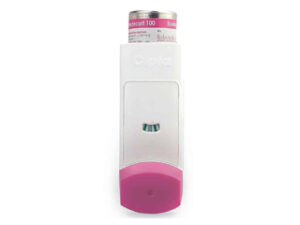
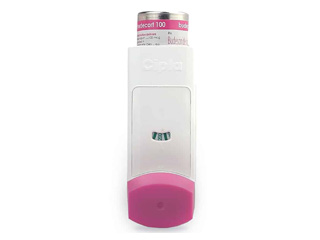
Budecort (Budesonide) – Patient Information (UK)
Budecort contains budesonide, a corticosteroid medicine used to reduce inflammation in the airways and to treat certain hormone-responsive conditions. It works locally in the lungs for inhaled forms and in the gut for some other formulations. This page explains how Budecort works, how it’s typically used, key safety information, and practical tips for everyday use in the United Kingdom.
Important: Product strengths and dosing schedules vary depending on the exact formulation (for example, inhalers versus other forms). Always check your pack and follow the advice given with your medicine.
Basic product information
| Item | Information |
|---|---|
| Medicine name | Budecort |
| Active ingredient | Budesonide |
| Type of medicine | Corticosteroid (anti-inflammatory) |
| Main action | Reduces inflammation and swelling in the treated area |
| Common uses | Asthma (inhaled forms), and certain inflammatory conditions depending on formulation |
| UK availability | Availability depends on local supply and exact product type; many strengths are widely stocked |
How Budecort works (mechanism of action)
Budesonide is a glucocorticoid (steroid) that reduces inflammation by:
- Suppressing inflammatory chemicals released in the airway (or other treated tissue).
- Reducing swelling and mucus, helping to improve airflow.
- Decreasing airway sensitivity to triggers such as allergens, cold air, or infections.
- Improving breathing over time (it is a controller medicine rather than a “quick relief” treatment).
Because it targets inflammation, Budecort helps prevent asthma symptoms from building up—rather than providing immediate relief during a sudden attack.
Pharmacokinetics (how the body processes it)
Pharmacokinetics describes what happens to a medicine in the body: how it’s absorbed, metabolised, and eliminated.
Absorption
- Inhaled budesonide: most of the dose is deposited in the lungs and works locally. A portion may be swallowed and absorbed from the gastrointestinal tract.
- Other formulations: absorption varies with the formulation and target tissue.
Distribution
- Budesonide distributes into body tissues but is designed to exert strong local effects in the area of inflammation.
Metabolism
- Budesonide is extensively metabolised, mainly by liver enzymes (CYP3A4).
- This “first-pass” metabolism can reduce systemic exposure compared with some other steroids.
Elimination
- Metabolites are eliminated primarily via the kidneys (through urine).
- In general, effects are expected to be sustained for hours, but anti-inflammatory improvement can take longer.
Practical note: Medicines that inhibit CYP3A4 (such as some antifungals or certain antibiotics) may increase steroid levels, which can raise side-effect risk.
Typical use and when to take Budecort
Budecort is typically used as part of a long-term control plan for inflammatory conditions, especially asthma. Regular use helps control symptoms and reduce flare-ups.
Timing
- Inhaled forms: commonly taken once or twice daily, depending on your prescribed regimen.
- Try to take doses at consistent times each day to maintain steady anti-inflammatory effects.
- Even if you feel well, don’t stop suddenly without medical advice, especially if you’ve used it regularly for a period of time.
How quickly does it work?
- Some symptom improvement may be noticed in the first few days.
- Full benefits often take several days to weeks, depending on the condition and severity.
- For asthma, inhaled budesonide is not intended to relieve sudden breathlessness—use your reliever as directed in your asthma plan.
Indications (what Budecort is used for)
Budecort (budesonide) is used to treat conditions where inflammation is a key driver. The exact indication depends on the formulation and strength you have.
Common indications in the UK
- Asthma (inhaled corticosteroid therapy for long-term control)
- COPD in selected patients where inhaled corticosteroids form part of management (based on specialist assessment and current guidance)
- Depending on formulation: some inflammatory bowel conditions or other inflammatory conditions may be treated with budesonide preparations designed for targeted delivery
Always check your pack leaflet for the specific indication for your exact product.
Dosing (general guidance)
Because dosing depends on the formulation, strength, age, and the condition being treated, the safest approach is to use the dosing written on your packaging and leaflet.
Common dosing patterns
- Adults and adolescents: inhaled regimens can be once or twice daily, often adjusted based on symptom control.
- Children: dose is tailored to age and response. Children should use correct inhaler technique for best results.
Adjustments and missed doses
- If you miss a dose, take it when you remember unless it’s close to the next dose.
- Do not double to make up for a missed dose unless instructed.
- If symptoms worsen, follow your action plan and seek advice promptly.
Important: Steroid therapy should not be stopped abruptly without guidance, particularly if used regularly.
Food interactions
Food interactions with budesonide depend on the formulation:
- Inhaled budesonide: there is typically little direct interaction with food, because the medicine is delivered to the lungs. If some medicine is swallowed, the local effect in the mouth and throat is still important.
- Swallowed budesonide formulations: food may influence absorption in some cases. Follow the leaflet directions for your exact product (for example, whether it should be taken with or without food).
Practical advice for inhalers
- After using your inhaler, consider rinsing your mouth (and spitting out the water) to reduce the risk of mouth and throat side effects.
- Brushing your teeth or using mouth rinse can help if recommended by your leaflet.
Alcohol and medicine interactions
Alcohol
There is no universal rule that you must avoid alcohol with budesonide, but it’s wise to use alcohol in moderation. Steroids can sometimes affect immunity and mood, and alcohol may worsen symptoms such as reflux, sleep disturbance, or infections. If you notice increased side effects after drinking, speak to your healthcare professional.
Important medicine interactions
Budesonide is metabolised by CYP3A4. Medicines that affect this pathway can change budesonide levels.
- CYP3A4 inhibitors may increase budesonide levels and side-effect risk. Examples can include certain antifungals and some antibiotics used to treat infections.
- CYP3A4 inducers may reduce budesonide effectiveness (examples include some medicines used for seizures or certain herbal products such as St John’s wort).
- Other steroids (oral or high-dose inhaled): combining steroid sources can raise total steroid exposure.
Always tell a clinician or pharmacist about all medicines you take, including over-the-counter treatments, herbal supplements, and occasional medications.
Safety profile: side effects and who should take extra care
Budesonide is generally well tolerated when used correctly, particularly in inhaled form. However, like all medicines, it can cause side effects.
Common side effects
- Hoarseness or voice changes (inhaled forms)
- Sore throat or throat irritation
- Oral thrush (a fungal infection in the mouth) – reduced risk with mouth rinsing/spitting after use
- Mild headache (in some people)
- Cough or irritation after inhalation
Less common but important side effects
- Adrenal suppression with prolonged high-dose steroid use (risk increases with higher doses and longer duration)
- Systemic steroid effects (e.g., increased blood sugar, weight changes, mood changes) are more likely with higher cumulative doses
- Eye problems such as cataracts or glaucoma may occur with long-term steroid exposure
- Increased susceptibility to infection—contact a healthcare professional if you develop signs of a significant infection
Seek urgent advice if you experience
- Severe wheezing or breathing difficulty that does not respond to your reliever
- Signs of a serious allergic reaction (swelling of face/lips, difficulty breathing, widespread rash)
- High fever or severe illness
- Persistent or worsening mouth pain with thick white patches (possible thrush)
Extra caution needed
Please take extra care and speak to a pharmacist or healthcare professional if you have:
- Active or recent serious infections (including tuberculosis or fungal infections)
- Known eye conditions such as glaucoma or cataracts
- Ongoing high-dose steroid exposure from other sources
- Severe liver disease (since metabolism may be affected)
Practical use tips (especially for inhaled Budecort)
Using your inhaler correctly is one of the biggest factors in how well budesonide works.
General inhaler tips
- Check your technique regularly. If you’re unsure, ask your pharmacist or practice nurse to observe your use.
- Do not shake unless your device instructions say to.
- Breathe in slowly and steadily when using a pressurised inhaler (if your device requires slow inhalation).
- Hold your breath briefly if the device instructions recommend it.
Preventing thrush (mouth side effects)
- After each dose, rinse your mouth with water and spit it out (do not swallow the rinse if you use inhaled budesonide).
- Consider having a regular dental check-up if you use inhaled steroids long-term.
Storage
- Store at room temperature, away from heat and direct sunlight.
- Keep the device dry and in its protective casing if supplied.
Alternative options
If budesonide is not suitable or you’re not achieving adequate control, several alternative approaches may be considered. The best option depends on your diagnosis, severity, and past response to treatments.
Possible alternatives (general)
- Other inhaled corticosteroids (different strengths and devices may improve ease of use)
- Combination inhalers that pair an inhaled steroid with a long-acting bronchodilator (commonly used in asthma and COPD management when appropriate)
- Non-steroid controller options in certain circumstances (for example, medicines that target specific inflammatory pathways)
- For allergic triggers: allergy management, trigger avoidance, and sometimes immunotherapy may help reduce symptom flares
Note: Don’t switch between controller inhalers without professional advice. Equivalent doses are not always directly interchangeable.
Market and legal context for the UK
Budecort (budesonide) is an established medicine within the UK. In practice, availability, classification, and dispensing requirements are determined by the UK regulatory framework and the specific formulation.
- Medicines in the UK are regulated under the Medicines and Healthcare products Regulatory Agency (MHRA) and must meet legal standards for safety, quality, and effectiveness.
- Pharmacy supply may depend on the exact product and local pharmacy processes.
- Leaflets and product information are provided according to regulatory requirements and include the approved indications, contraindications, and safety information.
Important: Always follow the directions included with your Budecort product and consult a pharmacist if you have questions about suitability, especially if you are pregnant, breastfeeding, or taking other medicines.
Recent guidance (UK context)
Clinical guidance in the UK for asthma and inflammatory airway conditions is periodically updated. Current consensus emphasises:
- Using inhaled corticosteroids as controller therapy for appropriate severity, to reduce exacerbations.
- Regular review of symptoms and inhaler technique.
- Stepwise treatment adjustment—increasing controller therapy if control is poor, then stepping down if stable.
- Adherence and device technique as key contributors to good outcomes.
Budesonide is commonly used within these frameworks because it has well-established anti-inflammatory effects. If your symptoms change, you should have your treatment reviewed according to UK clinical practice.
Delivery and availability in the UK
Delivery availability can vary by pharmacy provider and product type. Most inhaled medicines like budesonide are routinely stocked, but specific strengths or formats may be subject to supply.
- Availability: Budecort stock may vary by strength and device.
- Delivery: Typical dispatch and delivery times depend on the courier service and your location within the UK.
- Temperature considerations: Store the medicine properly on arrival.
Packaging safety: Check that the pack is intact and that expiry dates are current before use.
FAQ – Budecort (Budesonide)
1. What is Budecort used for?
Budecort contains budesonide, an anti-inflammatory corticosteroid. Depending on the formulation, it is used to treat conditions such as asthma and other inflammatory diseases. Always check your specific pack for the indication.
2. Is Budecort a reliever medicine?
No. Budecort is a controller medicine designed to reduce inflammation and prevent symptoms over time. For sudden symptoms, you should use your reliever as advised in your asthma action plan.
3. How long does it take to work?
Some improvement can be noticed within days, but full benefit often takes longer (sometimes several weeks). Consistent daily use is important for best results.
4. Do I need to rinse my mouth after using it?
For inhaled budesonide, rinsing your mouth and spitting out the water after each dose helps reduce the risk of thrush and throat irritation.
5. Can I drink alcohol with Budecort?
Moderate alcohol use is usually not a direct interaction, but it can affect wellbeing and may worsen reflux or sleep. If you notice increased side effects, reduce alcohol and seek advice.
6. What medicines can interact with Budecort?
Budesonide is metabolised by CYP3A4. Medicines that inhibit or induce CYP3A4 may change budesonide levels and side-effect risk. Examples can include certain antifungals and some antibiotics. Tell your pharmacist about all medicines and supplements you take.
7. Can I take Budecort if I have an infection?
It depends on the infection and severity. Steroids can affect immune response. Contact a healthcare professional if you develop significant infection symptoms (especially high fever, severe cough, or worsening breathlessness).
8. What if I miss a dose?
Take it when you remember unless it’s close to the next scheduled dose. Do not double up. If you miss several doses, seek advice on how to restart.
9. Are there any long-term risks?
Most inhaled steroid risks relate to dose and duration. Possible long-term effects include effects on eyes, bones, and adrenal function—risk increases with higher exposure. Regular clinical review helps ensure you’re on the lowest effective dose.
10. How should Budecort be stored?
Store according to the pack instructions—typically at room temperature, protected from heat and direct sunlight. Keep inhalers dry and use them before the expiry date.
Summary
Budecort (budesonide) is a corticosteroid medicine designed to reduce inflammation and improve long-term control of conditions such as asthma. It works locally in the treated area and is metabolised in the liver, with systemic exposure generally lower than some alternatives due to first-pass metabolism. For best results, use it consistently at the prescribed times, rinse your mouth after inhaled doses, and review your technique regularly. If you experience worsening symptoms, signs of infection, or troublesome side effects, seek timely advice.