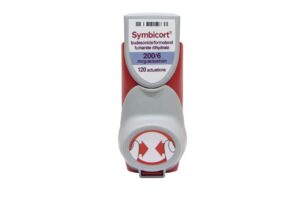
Spiriva (Tiotropium Bromide) – Patient-Friendly Guide
Spiriva is a long-acting inhaled medicine used to help control breathing problems in certain chronic lung conditions. It works by relaxing airways and helping keep them open, making it easier to breathe over the day and night.
This page explains what Spiriva is, how it works, how it is typically used in the UK, what to expect, and important safety information. If you have any questions about your specific device (HandiHaler or Respimat) or your condition, speak to a healthcare professional.
Basic product information
| Product name | Active ingredient | Medicinal form | Typical dosing frequency |
|---|---|---|---|
| Spiriva | Tiotropium bromide | Inhalation solution or inhalation capsules (device depends on product) | Usually once daily |
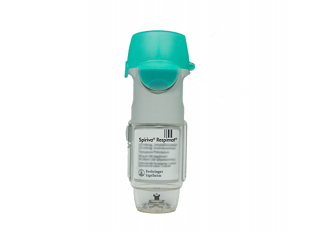
| Spiriva Respimat (brand variants may exist) | Tiotropium bromide | Inhalation spray (Respimat device) | Often once daily (strength and schedule vary by product) |
| Spiriva HandiHaler (brand variants may exist) | Tiotropium bromide | Inhalation powder from capsules (HandiHaler device) | Often once daily (strength and schedule vary by product) |
Important: Spiriva is designed for regular, long-term symptom control. It is not intended for fast relief of sudden breathlessness attacks (see “Not for immediate rescue” below).
What is Spiriva used for? (Indications in the UK)
In the UK, Spiriva (tiotropium) is commonly used to treat:
- Chronic obstructive pulmonary disease (COPD) – to help reduce symptoms and improve lung function.
- Chronic obstructive pulmonary disease (COPD) in adults – to help prevent and reduce exacerbations in appropriate patients (your clinician will decide if it is suitable for you).
- Asthma – in certain patients where additional maintenance therapy is needed. Availability and suitability depend on your treatment plan and local guidance.
Indications can vary by product presentation and strength. Your healthcare professional can confirm the exact reason you have been prescribed Spiriva and how it fits with your other inhalers.
How Spiriva works (Mechanism of action)
Spiriva contains tiotropium bromide, a medicine called a long-acting muscarinic receptor antagonist (LAMA). It blocks muscarinic receptors in the airways, reducing bronchoconstriction (narrowing of the airways).
In practical terms, Spiriva helps to:
- Relax the airway muscles to keep airways open
- Improve airflow and reduce shortness of breath
- Provide sustained symptom control over 24 hours with once-daily dosing (depending on the device)
Spiriva does not work like a “reliever” inhaler (such as salbutamol) that may be used for quick relief during an acute attack.
How it behaves in the body (Pharmacokinetics)
Tiotropium is inhaled and acts mainly in the lungs. After inhalation, only a portion is absorbed into the body. The medicine then distributes in body tissues and is eliminated largely through the kidneys.
- Absorption: Tiotropium is absorbed from the lungs, with some variation depending on inhaler technique.
- Distribution: It is distributed to tissues after absorption; it has a long duration of action in the airways.
- Metabolism: Tiotropium is not extensively metabolised.
- Elimination: The drug is mainly excreted unchanged by the kidneys. This can be relevant if you have reduced kidney function.
Because most of the effect is local in the lungs and the drug is long-acting, regular use as directed is important for best benefit.
When and how to take Spiriva (Timing & typical schedule)
Spiriva is usually used once daily. For many people, taking it at the same time each day helps build a routine.
- Choose a consistent time: morning or evening is often selected based on your lifestyle and other medicines.
- Don’t double up: if you miss a dose, take it when you remember unless it is close to your next dose. Follow your healthcare professional’s advice.
- Use it even if you feel well: Spiriva helps prevent symptoms from building up.
Your inhaler device instructions matter. If you use the wrong technique, less medicine reaches the lungs and benefits may be reduced. Ask a pharmacist or nurse to check your technique if you’re unsure.
Food and alcohol interactions
Food interactions
Because Spiriva is inhaled, food is not expected to significantly affect how the medicine works. Your inhaler timing can usually be independent of meals.
Alcohol
There is no well-known direct interaction between inhaled tiotropium and alcohol. However, alcohol can worsen breathing in some people by affecting sleep, coordination, dehydration, or overall lung health.
If you notice that alcohol makes your breathing worse, consider limiting intake and discuss concerns with a healthcare professional.
Medicine interactions (general guidance)
Interactions can occur with other medicines, particularly other inhalers that affect the airways. Tell your pharmacist or prescriber about all medicines you take, including over-the-counter products.
Other inhaled medicines
- Short-acting bronchodilators (e.g., salbutamol) are often used for quick relief as needed. Spiriva is for ongoing control rather than immediate relief.
- Other anticholinergic medicines (including some inhaled or urinary antimuscarinic medicines) may increase the chance of anticholinergic side effects.
- Combination inhalers (e.g., those containing LAMA/LABA or ICS/LABA) may be used together depending on your plan. Your clinician will ensure the regimen is appropriate.
Kidney considerations
Because tiotropium is cleared by the kidneys, medicines that affect kidney function or that require careful renal dosing may be relevant to discuss.
Seek advice if you have kidney disease, glaucoma, urinary retention, or prostate enlargement, as these can influence safety (see “Safety profile”).
Not for immediate rescue
Spiriva is a maintenance treatment. If you experience sudden severe breathlessness, use your prescribed reliever inhaler according to your action plan.
If your reliever is not helping as usual, or you feel severely unwell, seek urgent medical help.
Dose and administration (general dosing information)
The exact dose depends on the specific Spiriva product you have (HandiHaler vs Respimat) and the strength prescribed. Always follow the instructions given with your inhaler.
Typical dosing pattern
- Usually once daily for COPD and certain asthma scenarios (device-specific dosing applies).
- Do not exceed the prescribed dose. More frequent use does not typically provide faster relief and may increase side effects.
How to use Spiriva (practical, device-focused tips)
Spiriva works best when delivered correctly to the lungs. The steps differ by device. Use the instructions that come with your specific product and device.
Spiriva HandiHaler (capsules)
- Load the capsule into the HandiHaler device as instructed.
- Close the mouthpiece and puncture the capsule (as directed by the device).
- Breathe out fully away from the mouthpiece, then seal your lips around it and inhale steadily.
- Hold your breath for as long as comfortable (if your clinician hasn’t advised otherwise), then breathe out.
- Repeat only if your device instructions indicate further inhalation steps.
Spiriva Respimat (inhalation spray)
- Insert the cartridge and prepare the device as instructed (including priming when required).
- Open the cap, press the dose release button, and inhale slowly and deeply through the mouthpiece.
- Hold your breath briefly after inhalation if comfortable.
- Close the cap until the next dose.
Technique check: If you hear rattling, taste medicine strongly, feel coughing immediately, or you’re unsure you’re delivering the full dose, ask a pharmacist to observe your technique.
Safety profile and side effects
Like all medicines, Spiriva can cause side effects. Not everyone experiences them. Many effects are mild and improve as your body adjusts.
Common side effects
- Dry mouth (more noticeable in some people)
- Throat irritation or cough
- Constipation or digestive discomfort
- Headache (occasionally)
- Urinary discomfort in some cases, especially in people with urinary issues
Less common but important side effects
- Eye problems (e.g., new blurred vision, eye pain, halos around lights) — possible worsening of narrow-angle glaucoma if medicine gets into the eyes.
- Difficulty passing urine (urinary retention), particularly in people with prostate enlargement.
- Allergic reactions, including swelling of the face/lips, rash, or sudden breathing difficulty.
- Worsening breathing or severe bronchospasm soon after inhalation (seek urgent help if severe).
Get urgent help if you develop severe allergic symptoms, significant eye pain with visual changes, or rapidly worsening breathing.
Who should take extra care?
Discuss Spiriva with a clinician/pharmacist before starting or if any of the following apply:
- Glaucoma (especially narrow-angle glaucoma)
- Urinary retention or prostate problems
- Kidney problems
- Previous allergic reactions to similar medicines
- Other anticholinergic medicines already in your regimen
Practical use tips for better results
- Use good inhaler technique: slow, deep inhalation and correct handling of the device matter.
- Keep it clean: follow device cleaning instructions to prevent blockages or reduced dose delivery.
- Check the expiry date and replace cartridges/capsules when required.
- Track your symptoms: note breathlessness, cough, or exacerbations to see whether Spiriva is helping.
- Don’t stop suddenly: if Spiriva helps, ongoing use is usually needed for maintenance benefit.
- Use your reliever as planned: Spiriva does not replace quick-relief inhalers.
Alternative options
If Spiriva is not suitable or does not provide enough control, your healthcare professional may consider alternatives depending on your diagnosis and severity. Common options include:
- Other LAMA inhalers (another long-acting muscarinic antagonist)
- LAMA/LABA combination inhalers (e.g., tiotropium with a long-acting beta-agonist)
- LABA inhalers (long-acting beta-agonists) for some COPD regimens
- Inhaled corticosteroids (ICS) or ICS-containing combinations for selected patients, particularly in asthma or COPD with frequent exacerbations
- Short-acting bronchodilators for rescue (as part of an overall plan)
The right choice depends on your symptoms, exacerbation history, lung function, current inhaler technique, and any other medical conditions.
UK market and legal context (plain language)
In the United Kingdom, medicines are regulated by the Medicines and Healthcare products Regulatory Agency (MHRA) and must have authorisation for their use, including the relevant Summary of Product Characteristics (SmPC) and Patient Information Leaflet (PIL).
Spiriva is an established prescription medicine in the UK healthcare system and may be supplied as specific brand presentations depending on product availability and clinical needs. Your pharmacist can help confirm the exact product and device you have.
Recent guidance and monitoring (general updates)
Clinical management of COPD and asthma in the UK is guided by evidence-based recommendations from bodies such as NICE (National Institute for Health and Care Excellence) and through local integrated care pathways. These recommendations may update over time as new evidence emerges.
In routine practice, clinicians commonly monitor:
- Breathlessness and exercise tolerance
- Inhaler technique and adherence
- Frequency of exacerbations and need for reliever medication
- Side effects (including dry mouth, urinary symptoms, eye symptoms)
- Whether you are on appropriate maintenance therapy for your condition stage
If you have symptoms that worsen despite Spiriva, do not increase the dose on your own. Seek advice to review your diagnosis and treatment plan.
Delivery and availability in the UK
Spiriva availability can vary depending on the specific device (HandiHaler vs Respimat), pack size, and local stock. Online pharmacies in the UK may offer delivery services to eligible areas.
- Stock may fluctuate: if a specific strength or device type is unavailable, you may be offered an equivalent alternative only if permitted by regulations and your clinician/pharmacist advises.
- Packaging: keep medicines in their original packaging to protect from moisture and ensure correct identification.
- Discreet delivery: many UK pharmacies provide discreet packaging for online orders.
For the most accurate delivery times and availability details, check the listing for your chosen Spiriva product on the website. Delivery options and cut-off times vary by provider.
Frequently asked questions (FAQ)
1) Is Spiriva a reliever inhaler?
No. Spiriva is a maintenance medicine used regularly to help control symptoms. It is not designed for immediate relief of sudden breathlessness. Use your reliever inhaler for acute symptoms according to your action plan.
2) How long does it take to work?
Some people notice improvement soon after starting, but the full benefit comes from regular daily use. If you don’t feel any benefit after a reasonable trial period, speak to a healthcare professional to review technique, diagnosis, and treatment.
3) What if I miss a dose?
Take your next dose at the scheduled time. If you’re unsure, ask a pharmacist for device-specific advice. Do not double the dose to make up for a missed one.
4) Can I use Spiriva with other inhalers?
Often, yes—people may use Spiriva alongside reliever inhalers and, in some cases, other maintenance inhalers. The exact combination should be guided by your clinician to avoid duplication and to ensure it’s safe for you.
5) Will I taste it or get a dry mouth?
Dry mouth is a known effect and can happen in some people. If you consistently taste medicine or feel irritation, it may be related to technique (or the inhaler delivering medication to the back of the throat). A pharmacist can help check your method.
6) Can Spiriva worsen glaucoma or urinary problems?
It can be relevant. If you have glaucoma (especially narrow-angle) or difficulty passing urine, you should discuss risks with a clinician. If you develop eye pain or blurred vision, or you cannot urinate, seek urgent advice.
7) Are there food interactions?
Spiriva is inhaled, so significant food interactions are not expected. You can usually take it with or without meals.
8) Can I drink alcohol while using Spiriva?
There’s no established direct interaction. However, alcohol may affect breathing or hydration, which can worsen symptoms in some people. Use caution and consider reducing intake if you notice changes in breathlessness.
9) What should I do if I experience side effects?
Mild effects like dry mouth or occasional throat irritation may settle. If side effects are troublesome or persistent, speak to a healthcare professional. Seek urgent help for serious allergic reactions, eye pain with vision changes, severe breathing worsening, or urinary retention.
10) What if my inhaler doesn’t feel right?
Inhaler technique, device readiness (especially for Respimat priming), and cartridge/capsule placement can affect delivery. If your device seems blocked, damaged, or provides different performance than expected, stop using it and consult your pharmacist.
Summary
Spiriva (tiotropium bromide) is a long-acting inhaled bronchodilator (LAMA) used in the UK for chronic respiratory conditions such as COPD, and in certain asthma cases. It helps relax airway muscles, keeping airways open for long-lasting symptom control. Use it once daily as directed, practise correct inhaler technique, and remember it is not a reliever for sudden attacks.
For personalised advice, including correct dosing for your specific Spiriva product and device, consult a healthcare professional or speak to a pharmacist.