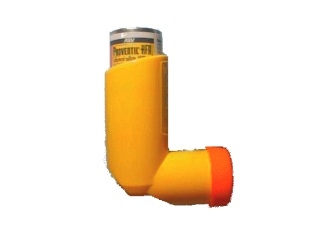
Proventil (Salbutamol) – Patient Guide (UK)
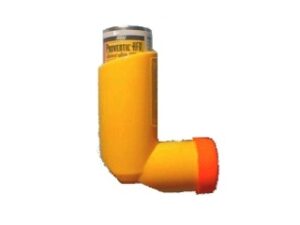
Proventil is a widely used reliever medicine containing salbutamol (also called albuterol in some countries). It helps quickly open the airways in people with reversible airway narrowing, making it easier to breathe. This guide explains what Proventil is, how it works, how to use it safely, and what to watch for.
Note: Always follow the instructions given with your medicine and the advice of your healthcare professional. If you are unsure how to use your inhaler, ask a pharmacist.
Basic product information
- Active ingredient: Salbutamol (often as salbutamol sulphate)
- Medicine type: Short-acting beta2-agonist (SABA) bronchodilator
- Common formulation: Inhaler (metered-dose inhaler) – exact strengths vary by product
- Typical benefit: Relieves sudden symptoms such as wheeze, chest tightness and shortness of breath
- UK availability: Commonly available via pharmacies and often as inhaler devices
Proventil may be prescribed or supplied through UK medicine channels depending on formulation and local policies. The content below is general and applies to salbutamol reliever medicines.
How Proventil works (mechanism of action)
Salbutamol belongs to the class of drugs called beta2-adrenoceptor agonists. When you inhale it, it acts mainly on receptors in the smooth muscle lining the airways:
- Bronchodilation: It relaxes airway smooth muscle, widening narrowed airways.
- Improved airflow: This reduces resistance to breathing, easing wheeze and breathlessness.
- Rapid relief: Because it is inhaled, it begins working quickly compared with many tablet medicines.
Proventil is designed for symptom relief. It is not a substitute for anti-inflammatory preventer treatment (such as inhaled corticosteroids), which reduces airway inflammation over time.
Pharmacokinetics (how the body handles it)
Pharmacokinetics describes absorption, distribution, metabolism and elimination. The inhaled route delivers medicine directly to the lungs, but some of the dose may be swallowed and absorbed through the gut.
- Absorption: Inhaled salbutamol is absorbed through the lungs; a portion is swallowed.
- Distribution: After absorption, it distributes throughout the body.
- Metabolism: Primarily metabolised in the body (including the liver) to inactive metabolites.
- Elimination: Mostly eliminated through urine; only small amounts remain active in the body.
Onset and duration: For most people, the reliever effect begins within minutes and typically lasts several hours. Individual response varies depending on inhaler technique, severity of symptoms, and the specific device.
Typical use in the UK
Proventil (salbutamol) is used as a reliever for conditions where airways can become narrowed and reversible. It is commonly used for:
- Asthma: Relief of acute symptoms such as wheeze, tight chest and shortness of breath.
- Reversible obstructive airways disease (including COPD with reversibility): For symptom relief during episodes of breathlessness/wheeze.
- Exercise-induced bronchoconstriction: Some people use a dose before exercise if advised.
In asthma, relying heavily on relievers can indicate that inflammation is not well controlled. UK guidance strongly emphasises regular review and appropriate preventer therapy when needed.
Indications
Salbutamol inhalers are indicated for the relief of bronchospasm in reversible airway disease. Use may include:
- Breakthrough symptoms in asthma
- Bronchospasm associated with reversible components of chronic obstructive pulmonary disease (COPD)
- Prevention of symptoms related to known triggers (for example, exercise) when recommended by your clinician
When does Proventil start working? (timing)
Quick relief is the key feature. Many people feel improvement within minutes after inhaling salbutamol. The full effect often occurs shortly after.
How long it lasts: Typically, effects last for around 4–6 hours (varies by person and circumstances). If symptoms return before your next dose, this may be a sign your breathing is not well controlled.
Seek urgent medical help if your breathing worsens rapidly, if you need reliever much more frequently than usual, or if you experience severe breathlessness, bluish lips, exhaustion, or difficulty speaking in full sentences.
Dose guidance (adults, adolescents and children)
Dosing should be individualised. The exact dose depends on your condition, age, and the inhaler strength/device. Always use the dose stated in your product’s instructions or as advised by your healthcare professional.
Below is general dosing information for salbutamol reliever inhalers in the UK. Always check your specific pack for exact instructions.
| Group | Typical use for relief of symptoms | How to take |
|---|---|---|
| Adults and adolescents | Often 1–2 inhalations as needed for symptoms | Inhale using correct inhaler technique; wait if a second inhalation is prescribed |
| Children | Often 1 inhalation as needed (sometimes 2, depending on age and device) | Use a spacer if recommended; ensure appropriate inhalation technique |
| Before exercise (if advised) | Often 1 inhalation shortly before activity | Timing is usually within minutes of starting exercise; follow your action plan |
Do not exceed the maximum daily dose listed on your inhaler carton or patient information leaflet. Frequent use may be a sign of poor control and should trigger a medication review.
Space matters: inhaler technique
Correct technique is essential for effective symptom relief. Common reasons salbutamol seems to “not work” include missing the dose, poor coordination, or no breath-hold after inhalation.
- Use the inhaler as instructed on the device.
- If you have difficulty coordinating, ask about using a spacer.
- Keep track of doses used during attacks or busy periods; this helps your clinician judge control.
Food interactions
Because Proventil is inhaled, food interactions are generally not a major concern. Salbutamol may be swallowed in small amounts when using a metered-dose inhaler, but routine meals do not usually interfere with effectiveness.
Practical tips:
- Take your dose as directed even if you have recently eaten.
- During asthma attacks, focus on correct inhalation and following your written asthma action plan.
Alcohol and medicine interactions
Alcohol
Moderate alcohol intake is not typically a direct interaction with salbutamol. However, alcohol can worsen breathing in some people by affecting sleep quality or respiratory control, and it may influence dehydration or medication adherence.
Seek advice if you notice alcohol reliably triggers symptoms or if you have severe asthma/COPD.
Other medicines that may interact
Salbutamol can interact with other medicines, particularly those affecting heart rhythm, potassium levels, and asthma/COPD control. Tell your pharmacist or clinician about all medicines you take, including:
- Beta-blockers (including some eye drops): can reduce the effect of salbutamol or worsen bronchospasm in susceptible people.
- Diuretics (water tablets): may increase the risk of low potassium when combined with beta2-agonists, especially with high doses.
- Other bronchodilators (e.g., anticholinergics): usually used together under guidance; monitor response.
- Certain antidepressants and other medicines affecting heart rhythm: may increase risk of palpitations or rhythm changes in some cases.
- Corticosteroids (tablets or high-dose inhaled therapy): may also affect potassium; risk increases with higher doses and frequent reliever use.
If you have heart disease, thyroid problems, diabetes, or a history of arrhythmias, discuss your medicines in more detail with a healthcare professional.
Safety profile and side effects
Most people tolerate Proventil well when used correctly. However, because it stimulates beta2 receptors, some effects on the body can occur. Side effects may be more noticeable after higher doses or frequent use.
Common side effects
- Shaking/tremor (often hands)
- Headache
- Fast heartbeat (palpitations)
- Nervousness/restlessness
- Throat irritation or a mild cough after inhalation
Less common but important side effects
- Muscle cramps (may relate to low potassium with high doses)
- Low potassium (hypokalaemia) especially with large or frequent doses
- Irregular heartbeat or worsening angina (more relevant if you have heart disease)
When to get medical advice urgently
Contact urgent care or emergency services if you experience:
- Severe breathing difficulty that does not improve after taking your reliever
- Very fast or irregular heartbeat with dizziness or chest pain
- Severe weakness, confusion, fainting
- Blue/grey lips or inability to speak due to breathlessness
Practical use tips (getting the best from your inhaler)
1) Use your action plan
If you have asthma/COPD, you may have a written plan. Follow it for both mild symptoms and flare-ups. If your reliever use is increasing, your plan may need updating.
2) Check your inhaler technique
- Shake the inhaler (if instructed on your device).
- Breathe out gently before inhaling the dose.
- Inhale slowly and press the canister (for MDIs), coordinating if required.
- Hold your breath for several seconds if possible (commonly about 10 seconds, or as tolerated).
- Wait between puffs if you need more than one dose.
3) Consider a spacer (especially for children)
Spacers reduce coordination issues and can improve delivery to the lungs. Ask your pharmacist whether a spacer is recommended for your specific inhaler and age group.
4) Monitor reliever use
Frequent reliever use is a key signal that symptoms may not be controlled. Keep a note of:
- How many doses you take in 24 hours
- How often you need it each week
- Whether nighttime symptoms occur
5) Storage and care
- Store according to label instructions (temperature and protection from moisture/heat).
- Keep the mouthpiece clean and dry.
- Check expiry dates and the dose counter (if your device has one).
Alternative options for symptom relief and control
Choice of therapy depends on your diagnosis, symptom frequency, and risk of exacerbations. Alternatives may include:
- Other short-acting beta2-agonists (SABAs): e.g., different brands containing salbutamol or other relievers, depending on availability.
- Short-acting antimuscarinic bronchodilators: sometimes used in COPD or alongside other relievers in specific situations.
- Single maintenance and reliever therapy (where appropriate): Some people with asthma may use guideline-based regimens that include an inhaled corticosteroid-containing reliever/maintenance approach, reducing reliance on SABA alone.
- Preventer (controller) inhalers: inhaled corticosteroids and other long-term therapies to reduce inflammation and prevent symptoms.
If you frequently need reliever inhalations, speak with a clinician about optimising preventer therapy. In many asthma cases, improving the controller plan reduces the need for SABA and improves overall outcomes.
Market and legal context in the UK
In the United Kingdom, respiratory medicines are regulated by the Medicines and Healthcare products Regulatory Agency (MHRA). Patient-facing information is typically provided through the package leaflet (Patient Information Leaflet) and the Summary of Product Characteristics (available via regulatory sources).
Availability and exact supply routes can vary. Community pharmacies commonly supply inhalers and advise on correct use. Local services may include asthma reviews and COPD management programmes.
For many salbutamol inhalers, the product is widely known and integrated into NHS clinical pathways, particularly for asthma symptom relief and pre-exercise prophylaxis where advised.
Recent UK guidance (what matters for patients)
UK asthma and COPD guidance has increasingly emphasised:
- Better control over “rescue-only” management – relievers treat symptoms, but preventers reduce inflammation and risk.
- Regular review of symptoms, inhaler technique and adherence.
- Action plans that explain what to do during flare-ups.
- Reduction in reliever overuse – frequent SABA use is associated with poorer control and higher exacerbation risk.
If you find yourself using Proventil more often than expected, it is a good idea to book a review with a healthcare professional. Many people can achieve better control by adjusting their long-term treatment.
Delivery and availability (UK online pharmacy)
As an online pharmacy customer in the UK, you may purchase Proventil/salbutamol products depending on local availability and product type (for example, inhaler devices and pack sizes). Delivery times vary by supplier, and some products may be shipped via standard or tracked services.
What you can expect:
- Secure packaging to protect the inhaler device
- Clear labelling with the product name, strength, and instructions
- Tracking information for many deliveries
If delivery is time-sensitive (for example, you have an urgent need for a reliever), check estimated delivery dates at checkout and keep a small buffer of stock if safe and appropriate for you.
How to store and handle Proventil safely
- Keep out of sight and reach of children.
- Store at controlled room temperature as indicated on the label.
- Avoid exposure to high heat, direct sunlight, or freezing conditions unless the leaflet says otherwise.
- Do not use after the expiry date printed on the packaging.
FAQ – Proventil (Salbutamol) for the UK
1) Is Proventil the same as salbutamol?
Yes. Proventil is a brand name for a medicine whose active ingredient is salbutamol.
2) How quickly should Proventil work?
Many people notice relief within minutes. If you do not get the expected relief, check inhaler technique or consider using a spacer (if appropriate) and seek advice if symptoms persist or worsen.
3) How often can I use it?
Follow the dosing instructions on your specific pack and your clinician’s advice. Do not exceed the maximum daily dose stated in the leaflet. Needing it very frequently may indicate poor control and should be reviewed.
4) Does Proventil treat the cause of asthma?
Proventil mainly provides symptom relief by opening the airways. It does not treat the underlying airway inflammation in asthma. Preventer medicines may be needed depending on your condition.
5) Can I use Proventil before exercise?
Some people are advised to use a reliever shortly before exercise to prevent exercise-induced symptoms. Use your action plan or ask your healthcare professional for personalised timing.
6) What if I need my reliever more than usual?
This can be a sign of worsening control. Contact your healthcare provider for advice and consider reviewing your asthma/COPD management plan.
7) Can I drink alcohol while using Proventil?
Moderate alcohol is not usually a direct interaction, but alcohol may worsen breathing for some people. If you notice breathlessness after alcohol, speak to a healthcare professional.
8) Are there medicines that I should avoid with salbutamol?
Some medicines can interact, particularly beta-blockers and certain medicines that affect heart rhythm or potassium levels. Tell your pharmacist about all your medicines so they can check for interactions.
9) Are side effects normal?
Some side effects like shaking, headache or palpitations can happen, especially soon after dosing. If side effects are severe, persistent, or worrying, seek medical advice.
10) What should I do if I can’t breathe well after using Proventil?
If symptoms rapidly worsen or do not improve after reliever use, seek urgent medical help. Severe breathlessness can be life-threatening.
Summary
Proventil (salbutamol) is a fast-acting reliever inhaler used to ease symptoms such as wheeze and shortness of breath in reversible airway conditions, including asthma and some cases of COPD. It works by relaxing airway muscles via beta2 receptors, helping you breathe more easily. While generally well tolerated, it can cause effects like tremor and palpitations, especially with frequent or high doses.
For best outcomes, use the correct inhaler technique, consider a spacer if recommended, and do not ignore increased reliever use—this may mean your long-term control needs review. If you have concerns or experience severe symptoms, seek urgent medical advice.