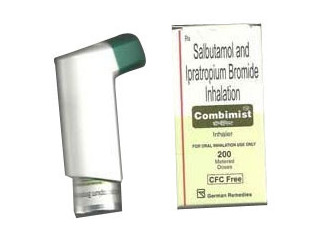

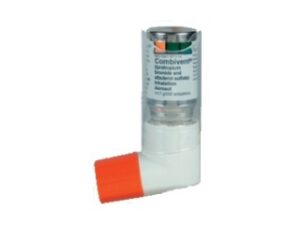
Combimist L Inhaler (United Kingdom) — Patient Information
Combimist L Inhaler is an inhaler used to help control symptoms of certain long-term breathing conditions and, in some cases, to relieve breathing difficulties. This page explains how the inhaler works, how and when to use it, common safety considerations, and practical tips to get the most benefit—written for patients in the UK.
Important: Always follow the instructions given by your clinician and the leaflet supplied with your inhaler. If you are unsure about your dose or technique, ask a pharmacist or healthcare professional.
1) Basic product information
| Product | Combimist L Inhaler |
|---|---|
| Common purpose | Maintenance and/or symptom control in obstructive airway conditions |
| How it is taken | Inhalation (breathing in through the device) |
| Where it is used | UK (NHS and private care), for eligible conditions as advised by clinicians |
| Typical users | People with conditions such as asthma or COPD, depending on individual treatment plans |
Note: Exact strength and device details can vary between product presentations. Always check your specific inhaler label for the dose and active ingredients.
2) What is Combimist L and how does it work?
Combimist L Inhaler contains medicines that work together to improve breathing. In most UK inhalers in this category, the combination generally includes:
- A long-acting bronchodilator to relax airway muscles and keep the airways open for longer.
- An inhaled anti-inflammatory medicine (often a corticosteroid) to reduce airway inflammation and help prevent flare-ups.
Mechanism of action (how it works):
- Bronchodilator effect: Relaxes the smooth muscle in the airways, helping to reduce tightening and improve airflow.
- Anti-inflammatory effect: Helps lower inflammation in the airways, reducing swelling, mucus production and sensitivity that can trigger symptoms.
Why combination therapy matters: Bronchodilators improve airflow quickly (though long-acting effects build over time), while inhaled anti-inflammatory medicines help control symptoms and reduce the frequency of attacks/exacerbations over days to weeks when used regularly.
3) Indications — what conditions is it used for?
In the UK, Combimist L Inhaler is typically used for:
- Asthma when symptoms are not adequately controlled with simpler treatments, and a combination approach is appropriate.
- Chronic Obstructive Pulmonary Disease (COPD) in people whose symptoms and lung function are better managed with maintenance therapy.
Which indication applies to you? This depends on the dose and your personalised treatment plan. If you’re unsure why it was prescribed, check your care plan or speak to a pharmacist.
4) Typical use and timing
Regular use is usually important. Many combination inhalers are intended to be used on a fixed schedule rather than only when you feel short of breath.
- Common schedule: Once or twice daily, depending on your prescribed regimen.
- Consistency: Try to use it at the same times each day to maintain steady effects.
- When to take: Use at the times stated on your label or as advised by your clinician.
Reliever vs maintenance: Combimist L is generally a maintenance inhaler. If you also have a separate reliever inhaler (such as a “blue” inhaler), it is intended for quick relief during sudden symptoms. Using a reliever does not replace regular maintenance therapy.
5) How to use Combimist L Inhaler (practical steps & tips)
Using your inhaler correctly is essential. Even a well-chosen medicine may not work effectively if inhalation technique is poor.
General technique guidance
- Check the inhaler type: Some inhalers are pressurised (pMDI), others are breath-actuated, and some use specific steps. Always follow your device-specific instructions.
- Do not rush: Coordinate the trigger and inhalation if your device requires it.
- Breathe out fully first: (Away from the mouthpiece), then seal lips around the mouthpiece.
- Inhale steadily/deeply: Follow the instructions for your device.
- Hold your breath: If recommended by your device leaflet (often around 5–10 seconds), to help medicine settle in the lungs.
- Wait between puffs: If you need more than one puff, follow the waiting time specified in the leaflet.
Practical tips for better results
- Use a spacer if advised: Spacers can improve delivery to the lungs for some inhaler types, and may reduce side effects in the mouth/throat.
- Rinse and spit after inhaled corticosteroid use: If your inhaler includes a steroid component, rinse your mouth and spit after dosing to reduce the risk of mouth irritation and thrush.
- Track your doses: If you forget doses often, set alarms or use a medication reminder.
- Check the dose counter or indicator: Make sure you have enough medicine before running out.
Seek help urgently if your breathing becomes worse quickly, you have severe wheezing, you cannot speak in full sentences, or your reliever is not helping as expected.
6) Mechanism details — what you can expect
Because Combimist L typically contains both a bronchodilator and an inhaled anti-inflammatory medicine, the benefits often happen in phases:
- Airflow improvement: Some bronchodilator benefit may be felt sooner, especially after correct inhalation.
- Long-term control: Anti-inflammatory effects build over days to weeks with regular use, improving symptom control and lowering flare-up risk.
Do not stop suddenly: Stopping maintenance inhalers without advice can lead to loss of control.
7) Pharmacokinetics — absorption, distribution and elimination
Pharmacokinetics describes how the body processes the medicine. For inhaled products, much of the medicine aims to act locally in the lungs, with only a smaller amount entering the bloodstream compared with oral medicines.
Typical patterns
- Absorption in the lungs: After inhalation, the medicine deposits in the airways. Some of the dose may be swallowed and absorbed through the gut.
- Distribution: Any absorbed medicine can circulate in the bloodstream and bind to proteins (depending on the active ingredient).
- Metabolism: Many inhaled medicines are metabolised in the liver.
- Elimination: Excretion occurs mainly via the kidneys and/or liver metabolism products.
What this means for patients: The local lung effect is the main goal. Systemic (whole-body) effects are generally lower than with oral steroids/bronchodilators, but side effects can still occur—especially with incorrect use, high doses, or frequent exacerbations.
Exact pharmacokinetic parameters depend on the specific active ingredients and the inhaler formulation. Your product leaflet provides the precise data for your inhaler.
8) Dosing — how much and how often?
Dosing varies by the condition being treated, your current therapy, severity, and age. Always follow the dose written on your label.
Typical adult regimens
- Most commonly: one or two inhalations per day, sometimes split into morning and evening doses.
- If multiple doses are prescribed: Space them according to the instructions on your prescription label or leaflet.
Missed dose advice
- If you miss a dose: Take it as soon as you remember unless it is close to the next dose.
- If close to the next dose: Skip the missed dose and continue with your regular schedule.
- Do not double up: unless your healthcare professional has told you to.
If you experience repeated missed doses, ask a pharmacist about simplifying timing or using adherence aids.
9) Food interactions
Because Combimist L is inhaled, food interactions are generally unlikely. The medicine is delivered through the lungs rather than the stomach.
General helpful advice:
- For inhaled steroid components: Rinsing your mouth after use is more important than food timing.
- Medications in tablet form: If you take other medicines by mouth, follow their specific guidance and keep a list of your medicines for your pharmacist.
10) Alcohol interactions
Moderate alcohol is not usually expected to directly interact with inhaled medicines. However, alcohol can worsen breathing problems for some people by affecting airway control, sleep, and overall health.
- During flare-ups: Avoid heavy drinking, as symptoms may worsen and dehydration/sleep disruption can impact asthma/COPD control.
- If you also take other medicines: Some medicines (e.g., certain antibiotics, sedatives, or frequent systemic steroid courses) may have more direct alcohol considerations.
If alcohol affects your symptoms (for example increased breathlessness or coughing), discuss this with a healthcare professional.
11) Medicine interactions (important)
Even inhaled medicines can interact indirectly with other treatments, particularly those that affect the heart rate, potassium levels, or steroid effects.
Potential interaction areas to discuss with a pharmacist
- Other bronchodilators: Tell your pharmacist if you use other long-acting or short-acting relievers frequently.
- Systemic corticosteroids or frequent steroid bursts: Regular steroid exposure may increase the chance of steroid-related effects.
- Medicines that affect the immune system: Inhaled steroids can slightly alter infection risk in susceptible people (for example thrush risk).
- Diuretics (“water tablets”) and some heart medicines: Depending on the specific bronchodilator/steroid components and your other medications, electrolyte and heart rhythm considerations may arise.
Allergy and symptom monitoring
- If you develop rash, facial swelling, or sudden breathing difficulty, seek urgent medical help.
- If you develop persistent mouth soreness, white patches in the mouth, or hoarseness, you may need advice on mouth care or treatment.
Always tell your pharmacist about all medicines you take, including over-the-counter products and herbal remedies.
12) Safety profile — common and serious side effects
Most people tolerate Combimist L well when used correctly. Side effects may be related to the bronchodilator component, the inhaled anti-inflammatory component, or the inhalation technique.
Common side effects
- Throat irritation or hoarseness
- Cough or mild throat discomfort after inhalation
- Mouth irritation (especially if you do not rinse after use)
- Headache (can occur with some inhalers)
- Palpitations or tremor (more likely with bronchodilator medicines, especially if overused)
Less common but important
- Oral thrush (yeast infection in the mouth), especially with inhaled steroids
- Higher risk of infections in susceptible people
- Muscle cramps (depending on the bronchodilator ingredient and individual susceptibility)
Seek urgent medical help if
- Breathing rapidly worsens, or your reliever does not provide relief
- Severe wheezing, chest tightness, or trouble speaking due to breathlessness
- Allergic reaction: swelling of face/lips, hives, or sudden severe shortness of breath
- Unusual chest pain, fainting, or severe irregular heartbeat
Regular reviews: In the UK, asthma and COPD treatments are typically reviewed periodically to confirm the right dose and inhaler technique.
13) Who should take extra care?
Talk to your healthcare professional before or when using Combimist L if you have any of the following (or if they apply):
- Heart conditions or rhythm problems
- Overactive thyroid (or symptoms of it)
- Diabetes (some anti-inflammatory medicines can affect blood sugar in some situations)
- Recent infections (for example chest infections or oral thrush)
- Eye problems related to steroid use (if you’ve had cataracts or glaucoma)
- Pregnancy or breastfeeding (your clinician can discuss benefits and risks)
14) Practical use tips for daily life
- Keep good inhaler technique: Review technique regularly, especially if symptoms change.
- Store correctly: Keep at room temperature and away from extreme heat or freezing (follow the label).
- Clean if needed: For some inhalers, wiping the mouthpiece is recommended. Follow your device leaflet.
- Use before exercise if advised: Some people need a reliever before exercise—ask your healthcare professional.
- Know your action plan: UK guidelines often include a personal asthma/COPD action plan. Follow it when symptoms flare.
- Do not share inhalers: Medicines and doses are individual.
15) Alternative options (what else may be considered)
If Combimist L is not suitable or if symptoms are not controlled, healthcare professionals may consider alternative inhalers. Options may include:
- Different inhaled corticosteroid (ICS) doses or combinations with other bronchodilators
- Long-acting bronchodilator–only options (more common in certain COPD regimens)
- Other combination inhalers tailored to your symptoms and exacerbation history
- Reliever inhalers for quick symptom relief
- Non-inhaler treatments (for some patients), including tablets or other add-ons depending on diagnosis
Device choice matters: The best option is the one you can use correctly. If you struggle with technique, ask about alternative inhaler types (for example breath-actuated vs pressurised devices) or spacers.
16) UK market and legal context (overview)
In the United Kingdom, inhalers for asthma and COPD form part of routine respiratory care and are included within prescribing and supply systems used by the NHS and private services. Medicines are regulated by the UK’s medicines and healthcare regulatory framework, and products must be supplied in line with UK requirements.
Availability and product listings can vary by supplier and region. Supply may occasionally be affected by manufacturer distribution schedules or pharmacy stock levels.
Recent guidance (general): UK respiratory care emphasises:
- Regular review of symptom control and inhaler technique
- Using the right inhaler at the right dose to balance symptom control with side-effect risk
- Prompt action during worsening symptoms according to an individual action plan
Local NHS services and professional bodies regularly update recommendations; your clinician or pharmacist can advise how guidance applies to your situation.
17) Delivery and availability (UK)
Combimist L Inhaler may be available through UK community pharmacies and online pharmacy services depending on current stock. Delivery times can vary by postcode and the supplier’s dispatch schedule.
- Typical delivery window: varies by provider; check the delivery information at checkout.
- Packaging: medicines are usually shipped in secure, temperature-appropriate packaging.
- Stock status: online listings may show in-stock or low-stock availability.
Storage on arrival: Once delivered, store the inhaler as directed on the label and keep it out of reach of children.
18) Frequently Asked Questions (FAQ)
Q1: How quickly will Combimist L work?
Some people notice improved breathing soon after inhalation, especially from the bronchodilator component. However, long-term control and reduced flare-ups typically require regular use over days to weeks. If your symptoms are not improving, speak to your clinician—do not simply increase doses unless advised.
Q2: Do I still need a reliever inhaler?
Often, yes. Combimist L is generally a maintenance inhaler. A reliever inhaler is used for quick symptom relief during sudden attacks or before exercise if your plan includes it. Use your personalised action plan.
Q3: What if I feel worse after using it?
Stop and check your inhaler technique (and whether you used the correct number of puffs). If symptoms worsen quickly, severe breathlessness occurs, or a reliever is not helping, seek urgent medical help. If you suspect an allergy (swelling, hives, severe sudden wheeze), treat it as an emergency.
Q4: Should I rinse my mouth after using Combimist L?
If your inhaler includes an inhaled steroid component (common in combination inhalers), rinsing and spitting after each dose helps reduce the risk of mouth/throat irritation and thrush.
Q5: Can I use Combimist L with food or after eating?
Food interactions are generally not expected because it is inhaled. You may use it at convenient times. If you experience reflux or coughing during inhalation, discuss timing and technique with your pharmacist.
Q6: Can I drink alcohol while using it?
Moderate alcohol is usually not directly interacting with inhaled medicines. However, alcohol can worsen breathing symptoms for some people, particularly during flare-ups. If you notice alcohol-related symptom worsening, reduce or avoid it and seek advice.
Q7: What medicines can interact with Combimist L?
Interactions depend on the active ingredients and your personal medication list. Tell your pharmacist about all medicines, including tablets, inhalers, over-the-counter products and herbal supplements—especially if you use other bronchodilators, systemic steroids, diuretics, or heart-related medicines.
Q8: Is Combimist L suitable for children?
Suitability depends on the specific formulation and the child’s age and diagnosis. Use only if advised by a healthcare professional and follow the dosing instructions provided.
Q9: How do I know when my inhaler is running out?
Check for a dose counter/indicator on the device. If there is no counter, track puffs used and consider keeping a spare inhaler if your supply is limited.
Q10: When should I contact my GP/respiratory team?
Contact your healthcare provider promptly if:
- You’re using your reliever more often than usual
- Symptoms persist despite regular use
- You have repeated flare-ups or night-time symptoms
- You develop suspected thrush or persistent hoarseness
19) Key takeaways
- Combimist L Inhaler helps control breathing problems by combining airway opening and anti-inflammatory support.
- Use it regularly at the times stated in your plan for best results.
- Correct inhaler technique and (if applicable) rinsing after dosing can reduce side effects.
- If symptoms suddenly worsen or your reliever isn’t working, seek urgent medical care.
If you want, share the strength and active ingredients listed on your inhaler box (or a photo of the label text), and I can help tailor the information on dosing frequency, side effects to watch for, and technique reminders to that exact product presentation.