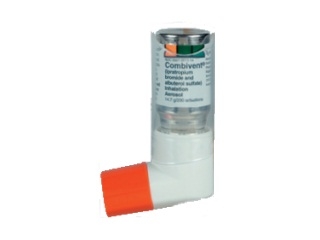
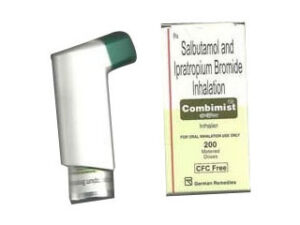
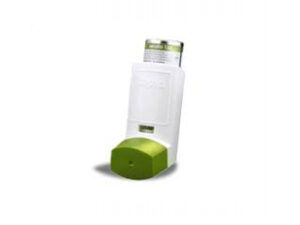
Combivent® (Levosalbutamol / Ipratropium bromide)
Combivent is a bronchodilator medicine used to relieve breathing difficulties in people with chronic lung conditions such as chronic obstructive pulmonary disease (COPD) and, in some circumstances, other obstructive airway diseases. It combines two medicines in one inhaler: levosalbutamol (a fast-acting “reliever” beta2-agonist) and ipratropium bromide (an antimuscarinic/beta antagonist that helps relax airway muscles).
This patient-friendly guide explains what Combivent does, how it works, typical use, how to use it in practice, safety considerations, and what to expect in the United Kingdom (UK) setting.
Product information (UK)
What are levosalbutamol and ipratropium?
- Levosalbutamol: a bronchodilator that stimulates beta2 receptors on airway smooth muscle, helping it relax. This improves airflow and reduces symptoms like wheeze and breathlessness.
- Ipratropium bromide: an antimuscarinic medicine (muscarinic receptor blocker) that reduces the effect of acetylcholine on the airways, decreasing bronchoconstriction and mucus-related symptoms.
Mechanism of action
Combivent works through a two-pronged bronchodilation approach:
- Beta2-agonist action (levosalbutamol): relaxes airway smooth muscle and can reduce airway narrowing.
- Antimuscarinic action (ipratropium): blocks muscarinic receptors, helping reduce airway tightening triggered by vagal stimulation.
Together, the combination can provide more effective symptom relief than either component alone for many people with obstructive lung disease.
Pharmacokinetics (how the body handles the medicine)
Inhaled medicines act mainly in the lungs. After inhalation, only a small fraction is absorbed into the bloodstream compared with medicines taken by mouth.
Levosalbutamol
- Absorption: Most of the delivered dose acts locally in the airways; some may be swallowed and absorbed from the gut.
- Distribution: Systemic absorption may occur, especially if inhalation technique is not optimal.
- Metabolism: Primarily metabolised (broken down) in the body.
- Elimination: Excreted mainly via the kidneys.
Ipratropium bromide
- Absorption: Limited systemic absorption after inhalation; some dose may be swallowed.
- Distribution: Acts mainly locally in the airways.
- Metabolism: Metabolised by breakdown processes in the body.
- Elimination: Excreted mainly via the kidneys.
Individual absorption can vary depending on inhaler technique, the device used, and lung function. If symptoms are not improving, correct inhalation technique is often the first step to review.
What is Combivent used for?
Combivent is used to help relieve breathing difficulty in conditions where the airways are narrowed and obstructed. In the UK, it is commonly associated with treatment strategies for COPD, especially where combination bronchodilation is beneficial.
It is intended to improve symptoms (such as wheeze, chest tightness, and breathlessness) by opening the airways. It does not treat the underlying cause of lung disease.
Indications (typical situations)
- COPD symptoms where bronchodilation is needed to improve airflow and ease breathlessness.
- Breakthrough symptoms in some treatment plans when a single bronchodilator is not enough. (Your clinician will decide the best regimen for you.)
Note: Use of Combivent may depend on local prescribing guidance and your exact diagnosis and severity of symptoms.
How soon does it work? (Timing)
Many people feel symptom relief within minutes after inhaling. The duration of relief varies between individuals and depends on the severity of the flare and inhaler technique.
- Start of action: often within a few minutes.
- Peak effect: commonly around 15–30 minutes (varies by person).
- How long it lasts: varies; if symptoms return quickly, speak to your healthcare professional.
Dose and dosing schedule (general guidance)
The exact dose for Combivent depends on your condition, your symptoms, and the device you are using. Always follow the dosing instructions provided with your medication and any clinician advice.
As a general online pharmacy guide, common dosing approaches for combination inhalers often involve:
- Regular scheduled use (for symptom control), or
- Additional doses when symptoms worsen as part of a personalised action plan.
Important: Do not exceed the recommended number of inhalations per day. If you find you need it very frequently, this can be a sign that your treatment plan needs review.
How to use Combivent correctly (practical tips)
Good inhaler technique helps ensure the right amount reaches your lungs. The steps below are general—always check your device instructions for the exact method.
- Prepare: If the inhaler requires shaking or priming, do so according to the instructions.
- Breathe out gently: Away from the mouthpiece (not into the device).
- Seal lips on mouthpiece: Create a good seal.
- Inhale at the right time: Press (if applicable) and breathe in slowly and deeply.
- Hold breath: Hold for about 5–10 seconds if comfortable, then breathe out slowly.
- Wait between doses: Use the interval stated in the instructions before the next dose.
Common technique issues
- Rushing your inhalation can reduce lung delivery.
- Not holding your breath may reduce the medicine reaching the airways.
- Using an empty or poorly maintained device can reduce effectiveness.
- Dry mouth / mild throat irritation can happen; rinsing your mouth after inhaled medicines may help (unless your specific device instructions say otherwise).
Food interactions
Because Combivent is inhaled, food interactions are unlikely. However, some swallowed fraction can occur after inhalation. In general:
- Take it as prescribed, with or without food.
- Stomach upset is uncommon, but if you experience it, taking your inhaler at a consistent time may help you monitor effects.
If you have swallowing difficulties or notice that you frequently swallow the medicine, you may benefit from a review of inhalation technique.
Alcohol and medicine interactions
Combivent is not known for a specific, direct interaction with alcohol. However, alcohol may worsen symptoms for some people with COPD by affecting breathing patterns or overall health.
General advice regarding alcohol
- If you drink alcohol, consider keeping amounts moderate.
- Be alert for increased breathlessness, dizziness, or palpitations after drinking.
Medicine interactions (important)
Interactions can affect heart rhythm, potassium levels, or side-effect risk. Tell your healthcare professional about all medicines you use, including over-the-counter products and herbal remedies.
Examples of interaction considerations include:
- Other beta2-agonists (e.g., salbutamol): may increase risk of tremor, palpitations, or low potassium.
- Other antimuscarinic medicines: may increase anticholinergic side effects (e.g., dry mouth, blurred vision).
- Medicines that affect heart rhythm (antiarrhythmics) and some antidepressants/antipsychotics: caution may be needed in people prone to rhythm disturbances.
- Diuretics (“water tablets”) or corticosteroids taken at high doses: can contribute to low potassium in some situations.
- Non-selective beta blockers: may reduce the bronchodilating effect of beta2-agonists.
Your pharmacist can help check your current medicines for possible interactions.
Safety profile and side effects
Like all medicines, Combivent can cause side effects. Many are mild and temporary, but some require medical attention.
Common side effects
- Tremor
- Headache
- Nervousness or jitteriness
- Dry mouth
- Fast heartbeat or awareness of heartbeat (palpitations)
- Throat irritation
Less common but important side effects
- Muscle cramps or weakness (may relate to potassium changes in some cases)
- Changes in blood pressure (rare)
- Blurred vision or eye pain (especially if spray/mist contacts the eyes)
Seek urgent medical advice if you have
- Sudden worsening breathing that does not improve after using your inhaler
- Chest pain, severe palpitations, fainting, or a very fast irregular heartbeat
- Eye symptoms such as severe eye pain, redness, halos around lights, or sudden blurred vision
- Signs of an allergic reaction such as swelling of the face/lips, rash, wheezing, or difficulty breathing beyond your usual condition
Who should take extra care?
- Heart conditions (e.g., rhythm disorders or severe heart disease)
- Hyperthyroidism
- Diabetes (beta2-agonists can affect blood sugar in some people)
- Glaucoma or history of eye pressure problems (antimuscarinic effects)
- Prostate enlargement or urinary retention tendencies
Practical use tips for day-to-day living
- Keep track of symptom control: If you’re needing Combivent more often than usual, contact your healthcare professional.
- Check your inhaler technique regularly: Inhalers can deliver less medicine if technique slips over time.
- Use during breathlessness appropriately: Take it when you need relief as directed in your care plan.
- Avoid getting the medicine in your eyes: Close your eyes if mist is likely, and use the mouthpiece correctly.
- Know when to seek help: If you have severe breathlessness, blue lips, confusion, or inability to speak full sentences, treat it as urgent.
Alternative options
Combivent is one option for bronchodilation. Your best alternative depends on your diagnosis, symptom pattern, and current treatment (for example, whether you use inhaled steroids or long-acting bronchodilators).
Common alternatives in obstructive lung disease
-
Single bronchodilators:
- Short-acting beta2-agonists (for quick relief)
- Short-acting antimuscarinics (for quick relief)
-
Long-acting inhalers:
- Long-acting beta2-agonists (LABA)
- Long-acting muscarinic antagonists (LAMA)
- Combination LABA/LAMA inhalers (often for maintenance COPD control)
- Inhaled corticosteroids (ICS) may be considered as part of a broader COPD/asthma management strategy, depending on your situation.
A clinician can help decide whether stepping down/up from short-acting combination bronchodilation to long-acting maintenance therapies is appropriate.
Recent UK guidance and treatment context
COPD management in the UK typically follows evidence-based guidance and local protocols focused on: symptom relief, reduction of exacerbations, and optimising inhaler therapy. Many patients benefit from a structured approach that includes:
- Correct diagnosis and assessment of symptom severity
- Smoking cessation support (if relevant)
- Optimised inhaler choice and technique
- Appropriate use of relievers and review of “rescue” inhaler frequency
- Exacerbation planning and monitoring
Treatment plans may be updated over time as new evidence becomes available. If you’re unsure whether Combivent fits your current plan, ask your pharmacist or healthcare professional for a review.
Market and legal context in the United Kingdom
In the UK, medicines are regulated by the Medicines and Healthcare products Regulatory Agency (MHRA). Inhaled medicines such as Combivent are authorised for use under the relevant regulations and are labelled with information on indications, dosing, and safety. Availability may vary by formulation and supply.
Online pharmacies in the UK operate under legal frameworks that require appropriate checks and safe supply practices. Your local pharmacy’s terms will describe how your order is handled and what information is required.
Delivery and availability
Availability can vary depending on stock levels, manufacturer supply, and the specific inhaler presentation. If Combivent is temporarily unavailable, many UK online pharmacies will either:
- Offer an estimated delivery date once stock is confirmed, or
- Suggest a suitable alternative (where appropriate and safe), or
- Advise you to contact the pharmacy for restock notifications.
Delivery options (e.g., standard or tracked) and delivery times depend on your address and the pharmacy’s dispatch schedule. If you need the medicine urgently, contact the pharmacy before ordering.
FAQ
1) Is Combivent the same as a “reliever” inhaler?
Combivent contains fast-acting ingredients that open the airways. In many COPD plans it may be used for symptom relief. However, whether it is used “as needed” or on a regular schedule depends on your treatment plan. Follow the dosing instructions provided with your medicine and ask if you’re unsure.
2) How many times a day can I use Combivent?
The safe number of inhalations per day depends on your personal prescription and the formulation/device. Do not exceed the maximum daily dose stated for your product. If your symptoms require it more often than expected, seek a review of your treatment plan.
3) What should I do if it doesn’t work?
If you don’t get relief, check:
- Inhaler technique
- Whether the inhaler is functioning (not empty or faulty)
- Whether you may be having a worsening exacerbation
If breathlessness is severe or rapidly worsening, seek urgent medical advice.
4) Can I use Combivent with other inhalers?
Many people use multiple inhalers as part of COPD treatment (e.g., maintenance inhalers and a reliever). It’s important not to duplicate medicines inadvertently—especially other bronchodilators. Your pharmacist can help check your inhaler list for overlaps.
5) Will Combivent affect my heart or cause palpitations?
Palpitations and fast heartbeat can occur, particularly due to the beta2-agonist component. If you experience severe or persistent symptoms (or chest pain, fainting, or an irregular heartbeat), seek urgent medical advice.
6) Can I drive or operate machinery after using Combivent?
Most people can drive normally. However, side effects such as tremor, dizziness, or feeling unwell may occur. If you feel affected, avoid driving or operating machinery until you feel normal again.
7) Is it safe in pregnancy or while breastfeeding?
Safety in pregnancy or breastfeeding depends on individual circumstances. Discuss with a healthcare professional before use. Inhaled bronchodilators are sometimes used when needed, but decisions should be made based on benefit versus risk.
8) Can I use it if I have glaucoma?
Ipratropium (antimuscarinic) can rarely affect the eyes if mist gets into them. People with glaucoma or narrow-angle glaucoma should use the inhaler carefully and seek advice if they experience eye pain or blurred vision.
9) Are there dietary restrictions?
Food interactions are not typically expected because Combivent is inhaled. You can generally take it with or without food.
10) What if I miss a dose?
If you miss a scheduled dose, use it when you remember unless it’s close to the time of the next dose. Do not take extra doses to make up for a missed one. If you’re unsure, ask your pharmacist.
Summary
Combivent (levosalbutamol/ipratropium bromide) is a combination inhaler that helps relax airway muscles using two mechanisms: beta2 stimulation and antimuscarinic bronchodilation. It is used to relieve symptoms such as breathlessness and wheezing in obstructive lung disease (commonly COPD) and can act quickly after inhalation. As with all medicines, careful inhaler technique, awareness of side effects, and review of symptoms—especially if worsening—are key to safe and effective use.