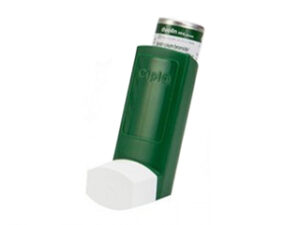
Tiotropium Bromide (Inhalation) — Patient Guide (UK)
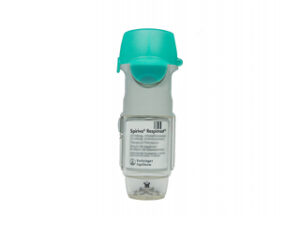
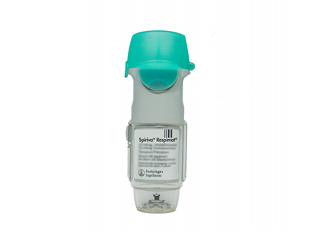
Tiotropium bromide is a medicine used to help open the airways and make breathing easier in certain long-term lung conditions. It belongs to a group of medicines called antimuscarinic (anticholinergic) bronchodilators. In the UK, tiotropium bromide is available in inhaled forms (commonly capsules for inhalation via HandiHaler and/or inhalation devices such as Respimat, depending on brand and product strength).
This guide explains what tiotropium bromide does, how it works, how to use it, and important safety information. Always follow the instructions given with your specific inhaler/device and speak to a healthcare professional if you are unsure.
At a glance
- What it is: Inhaled antimuscarinic bronchodilator
- Used for: Chronic obstructive pulmonary disease (COPD); sometimes for asthma as part of specialist management
- How it helps: Relaxes airway muscles and reduces mucus-related narrowing
- Typical dosing: Often once daily (varies by device/product)
- Key tip: Use it regularly and inhale correctly for best effect
Basic product information
| Feature | What to expect |
|---|---|
| Generic name | Tiotropium bromide |
| Medicinal type | Antimuscarinic bronchodilator (inhaled) |
| Common conditions | COPD; sometimes used in asthma under specialist guidance |
| How it’s taken | Inhalation via a device specific to the product |
| Onset | May begin within minutes; full benefit develops with regular use |
| Typical dosing frequency | Often once daily (exact schedule depends on device/strength) |
| What it does not do | Not usually intended as a rapid “rescue” inhaler for sudden attacks |
How tiotropium bromide works (mechanism of action)
Tiotropium bromide works by blocking muscarinic receptors (particularly the M3 subtype) in the airways. Under normal circumstances, the body’s airway nerves release signals that can cause:
- Bronchoconstriction (tightening of the airway muscles)
- Increased airway secretions (thicker mucus)
- Narrowing of the airways, making breathing harder
By antagonising these signals, tiotropium helps to relax airway muscles, widen the airways, and improve airflow. The medicine is designed to have long-lasting action, which is why it is commonly taken once daily.
Pharmacokinetics (how the body handles the medicine)
When inhaled, tiotropium primarily acts locally in the lungs. Some amount may be absorbed into the bloodstream, but the overall clinical effect is mainly due to inhalation in the airways.
Absorption
Tiotropium is absorbed from the lungs and, to a lesser extent, from the gastrointestinal tract if swallowed accidentally. Inhaled delivery results in lower systemic exposure than tablets would.
Distribution
The medicine distributes throughout the body to some extent. It is not expected to be highly protein-bound compared with some other drugs.
Metabolism
Tiotropium is largely not extensively metabolised. Most of the medication is eliminated largely unchanged.
Elimination
Tiotropium is mainly cleared via the kidneys. Because kidney function can influence drug levels, it is especially important to use your inhaler as directed and raise concerns if you have kidney problems.
What it’s used for (indications)
Tiotropium bromide is used in the management of long-term lung conditions where airway narrowing is a problem. In the UK, the most common use is in COPD.
COPD
Tiotropium helps manage symptoms of COPD such as breathlessness and reduced exercise tolerance, and it can reduce the burden of symptoms over time.
Asthma (selected patients)
Some patients with asthma may be considered for additional long-acting bronchodilator therapies under specialist advice. Tiotropium’s role in asthma depends on clinical assessment and local guidance.
Important: Tiotropium is not a replacement for your controller inhalers (such as inhaled corticosteroids) if prescribed, unless specifically advised by a clinician.
How to take tiotropium bromide (timing and dosing)
Your exact dose depends on the specific inhaler device you have been given (for example, a HandiHaler-type capsule device vs. a Respimat-type device), and the strength/brand. The schedule below is general guidance—always use the dose instructions supplied with your product.
Typical dosing schedule
- Most patients: once daily
- Consistency matters: try to take it at the same time each day
Timing tips
- Choose a routine time (e.g., morning or evening) that fits your day.
- If you forget a dose, take it when you remember
- If you need quick relief for sudden breathlessness, use your prescribed reliever inhaler as instructed. Tiotropium is not intended as a rapid rescue medicine.
Administration by inhaler device (practical use tips)
Inhaler technique strongly affects how much medicine reaches your lungs. Below are common practical tips. If your device has specific instructions, follow those instead.
General inhalation guidance
- Do not swallow capsules (if your product uses capsules for inhalation).
- Breath out fully before inhaling (unless your clinician advised otherwise).
- Inhale steadily and deeply to help the medicine reach the airways.
- If using a capsule device, ensure the capsule is correctly placed and you pierce it as required by your device.
- Hold your breath briefly after inhalation if you can (commonly 5–10 seconds), then exhale slowly.
Common technique mistakes to avoid
- Inhaling too quickly or too shallowly
- Not preparing the device properly before loading a dose
- Accidentally exhaling into the device
- Skipping rinsing/cleaning steps if your device instructions call for it
If you notice reduced benefit, worsening symptoms, or frequent need for reliever medicine, review technique with a pharmacist or nurse. Many services in the UK offer inhaler technique checks.
Food interactions
Tiotropium is taken by inhalation. Because only small amounts may reach the digestive system, food interactions are not expected to be clinically significant.
- You can usually take tiotropium with or without food.
- If you accidentally swallow capsule contents, let your clinician/pharmacist know if you feel unwell.
Alcohol and medicine interactions
Alcohol
There are no widely recognised direct interactions between tiotropium and alcohol. However, COPD or other lung conditions may make breathing harder, and alcohol can sometimes worsen sleep quality or breathing in some people.
If you drink alcohol, keep it moderate and monitor how it affects your breathing.
Interactions with other medicines
Tiotropium’s effect can be influenced by medicines with anticholinergic activity. Taking multiple anticholinergic medicines together may increase the likelihood of side effects such as dry mouth or urinary retention.
Be cautious if you use
- Other antimuscarinic/anticholinergic medicines
- Some medicines for overactive bladder (depending on active ingredient)
- Some antihistamines that have anticholinergic effects (varies by product)
Tell your pharmacist or healthcare professional about all medicines you take, including:
- Inhalers (controller and reliever)
- Tablets and liquids
- Over-the-counter medicines
- Herbal products
Safety profile and side effects
Like all medicines, tiotropium bromide can cause side effects, although not everyone experiences them. Many side effects are mild and may improve as your body adjusts.
Common side effects
- Dry mouth
- Sore throat or irritation after inhalation
- Headache
- Cough or mild throat clearing
Less common but important side effects
- Constipation
- Dizziness
- Urinary symptoms (for example difficulty passing urine), especially in people with prostate enlargement
- Blurred vision or eye pain (rare)
Seek urgent medical advice if
- You develop signs of an allergic reaction such as swelling of the face/lips, rash, or sudden difficulty breathing
- You experience severe eye pain, worsening blurred vision, or halos around lights (possible acute narrow-angle glaucoma)
- Your breathing suddenly worsens significantly, or your reliever inhaler is not helping as expected
When to talk to a healthcare professional promptly
- Persistent or troublesome dry mouth
- New urinary retention symptoms
- Repeated inhaler-related irritation
- Frequent worsening of symptoms or flare-ups
Practical use tips for best results
- Check your technique: if symptoms persist, ask for an inhaler check. Good technique helps the medicine reach the lungs.
- Use daily: tiotropium works best when taken regularly rather than only when symptoms flare.
- Keep track of your symptoms: note changes in breathlessness, cough, or flare frequency.
- Stay active appropriately: pulmonary rehabilitation and gentle exercise can improve function in COPD.
- Manage triggers: stop smoking if relevant, reduce exposure to air pollutants, and treat infections promptly.
- Device care: keep your inhaler clean and follow cleaning/replacement instructions specific to your device.
Alternative options (other treatments that may be considered)
Treatment for COPD or asthma often involves a combination of medicines depending on severity, symptoms, and response. Alternatives may include other long-acting bronchodilators or combination inhalers.
For COPD
- Other long-acting antimuscarinics (different molecules or formulations)
- Long-acting beta2-agonists (LABAs)
- Combination inhalers (for example, a LABA plus an antimuscarinic; and sometimes triple therapy with an inhaled corticosteroid)
- Short-acting relievers for symptom emergencies (used as rescue)
For asthma (selected patients)
- Optimisation of inhaled corticosteroids and use of LABA/LAMA options as guided by specialist assessment
- Non-pharmacological strategies (trigger control, inhaler technique support, vaccination as advised)
If tiotropium doesn’t suit you due to side effects or insufficient benefit, a clinician can advise whether switching to another option is appropriate.
Market and legal context in the United Kingdom (UK)
In the UK, medicines are regulated by the Medicines and Healthcare products Regulatory Agency (MHRA), with safety monitoring coordinated through the wider UK pharmacovigilance system. The availability of specific inhaler brands and strengths can vary by supply, prescribing patterns, and product licences.
In general terms, inhaled COPD medicines and related bronchodilators are used widely in NHS care pathways. Many patients are reviewed periodically in primary care and specialist services to ensure optimal inhaler choice and technique.
Recent guidance (high-level)
UK clinical management of COPD and asthma is commonly informed by guidelines such as those produced by the National Institute for Health and Care Excellence (NICE) and recommendations from respiratory societies. Guidance commonly emphasises:
- Individualised choice of inhalers based on symptoms and exacerbation history
- Regular review of inhaler technique and adherence
- Correct use of reliever vs maintenance medicines
- Smoking cessation, vaccinations, and management of comorbidities
Local NHS services may provide structured COPD reviews and inhaler technique clinics. If you have COPD, keeping regular appointments helps tailor therapy over time.
Delivery and availability in the UK
Availability of tiotropium bromide products can vary depending on the specific device format (capsule inhaler vs. ready-to-use inhaler) and the brand name. Online pharmacies in the UK may offer:
- Standard delivery options (typically within a few working days)
- Tracked delivery for added security
- Delivery to UK mainland and potentially some offshore locations, depending on courier coverage
Always check the delivery times and packaging details shown at checkout on the pharmacy website. Store the medicine as directed on the pack and keep it out of sight and reach of children.
Storage
- Store at the recommended temperature on the pack (do not expose to excessive heat).
- Keep the inhaler/device dry and follow device-specific storage instructions.
- Check expiry date and discard outdated medication in line with local guidance.
Frequently asked questions (FAQ)
1) Is tiotropium bromide a rescue inhaler?
No. Tiotropium is usually used as a maintenance inhaler for long-term control. For sudden breathlessness, you typically use a reliever/rescue inhaler that has been prescribed for that purpose.
2) How long does it take to work?
Some people notice improvement relatively quickly after inhalation, but it’s most beneficial when used regularly. Your clinician may review your response after an initial period to confirm it’s helping.
3) What if I miss a dose?
If you miss a dose, take it when you remember unless it is close to your next scheduled dose. Do not take two doses at once. If you’re unsure, contact a pharmacist for advice based on your specific product.
4) Can I take tiotropium with food?
Yes. Because it is inhaled, food interactions are generally not expected to be significant.
5) Are there interactions with other inhalers?
Many COPD plans combine multiple inhalers. Interactions can depend on the exact ingredients. In particular, using other medicines with anticholinergic effects may increase side effects. Share your full inhaler list with your pharmacist.
6) I have dry mouth—what can I do?
Dry mouth is a common antimuscarinic side effect. Helpful measures include:
- Sipping water regularly
- Using sugar-free sweets or gum
- Ensuring good inhaler technique (to reduce throat irritation)
If it becomes severe or causes dental problems, speak to a healthcare professional.
7) Can it cause eye problems?
Rarely, inhaled antimuscarinics may affect the eyes if mist gets into the eye. Seek urgent advice if you get eye pain, redness, or blurred vision after inhalation.
8) Does tiotropium affect driving or machinery?
Most people can drive normally. Some individuals may experience dizziness or blurred vision (rare). If you feel unwell, avoid driving until you’re sure you can do so safely.
9) Who should be extra cautious?
Extra caution may be needed if you:
- Have kidney problems (since elimination is mainly via the kidneys)
- Have prostate enlargement or urinary retention issues
- Have narrow-angle glaucoma or eye concerns
Discuss your medical history with a healthcare professional before starting or if symptoms occur.
10) What should I do if my breathing suddenly worsens?
Use your prescribed reliever inhaler and follow your COPD/asthma action plan if you have one. If symptoms are severe, rapidly worsening, or you feel very unwell, seek urgent medical attention.
When to contact a pharmacist or clinician
Consider speaking to a healthcare professional if:
- You are not getting enough symptom relief
- Your inhaler technique might be incorrect
- Side effects persist or worsen
- You experience frequent flare-ups or increased reliever use
- You have new urinary symptoms or eye pain/vision changes