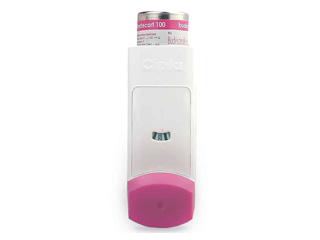
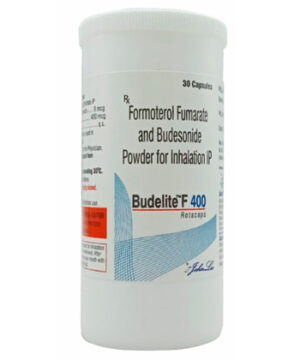

Budesonide Inhaler (Budesonide) – Patient-Friendly Guide (UK)
What is Budesonide?
Budesonide is a corticosteroid medicine (often called a “steroid”) used to reduce inflammation in the airways. When inhaled, it works directly where needed to help control symptoms of long-term breathing conditions such as asthma.
This guide explains how budesonide inhalers work, when they’re used, how to take them correctly, and key safety information. It’s written for people in the United Kingdom and includes practical advice, interactions, and frequently asked questions.
1) Basic product information
- Active ingredient: Budesonide
- Medicine type: Inhaled corticosteroid (ICS)
- Common uses: Asthma control; in some formulations, other inflammatory airway conditions may be addressed under clinical guidance
- How it’s taken: Inhalation into the lungs
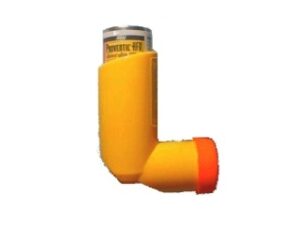
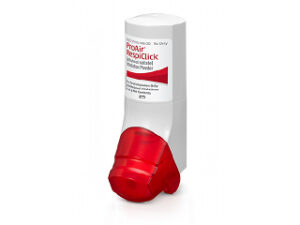
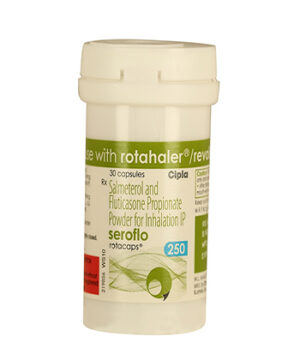
- Typical formats: Metered-dose inhaler (MDI) or dry powder inhaler (DPI), depending on the brand and device
Important: Different budesonide inhaler devices (and strengths) are not interchangeable. Always follow the instructions supplied with your specific inhaler.
2) How budesonide works (mechanism of action)
Budesonide is a corticosteroid that decreases inflammation in the airways. In asthma, inflammation causes swelling and increased mucus, leading to narrowing of the airways and breathing difficulties. By reducing inflammatory activity, budesonide helps:
- Reduce airway swelling and mucus production
- Decrease “hyper-responsiveness” (airways becoming overly sensitive)
- Prevent flare-ups and reduce how often symptoms worsen
- Improve long-term lung function and symptom control
Reliever vs controller: Budesonide is generally a controller medicine. It is not a fast-acting reliever. For sudden breathlessness, people typically use an appropriate rapid-acting inhaler (commonly a reliever medicine such as a short-acting bronchodilator) as advised by their clinician.
3) Pharmacokinetics (how the body handles it)
When you inhale budesonide, some of the dose deposits in the lungs while some may be swallowed. The swallowed portion is broken down in the liver, reducing systemic exposure.
- Absorption: Inhaled budesonide is absorbed through lung tissue and also partially from the gastrointestinal tract if swallowed.
- Distribution: It spreads through the body and is largely processed before reaching high systemic levels.
- Metabolism: Budesonide is extensively metabolised, mainly in the liver (notably via CYP3A4).
- Elimination: Metabolites are excreted primarily via urine.
Why this matters: Because much of the medicine is processed before reaching the rest of the body, inhaled budesonide is usually well tolerated, especially when used at the lowest effective dose.
4) Typical use in the UK
Budesonide inhalers are used to control chronic inflammation in conditions such as asthma. In many treatment plans, budesonide forms part of a long-term strategy to:
- Reduce day and night-time symptoms
- Reduce the need for reliever inhalers
- Lower the risk of asthma attacks (exacerbations)
- Improve quality of life and allow normal activity
In the UK, asthma management commonly follows evidence-based national guidance such as NICE and GINA. Your exact plan depends on your symptoms and response to treatment.
5) When to take budesonide (timing and how long it takes to work)
Regular use is key. Budesonide helps prevent flare-ups, so it usually works best when taken consistently every day.
- Onset of action: Some improvement may be noticed within days, but full benefits often take several weeks.
- Timing: Take your inhaler at the same times each day (e.g., morning and evening if prescribed twice daily).
- Consistency: Even if you feel better, continue as instructed to maintain control.
If you miss a dose: Follow the instructions provided with your inhaler or the advice from your healthcare professional. In general, if you remember soon, take it when you remember unless it is close to the next dose—do not double up.
6) Food interactions
Because budesonide is inhaled, food interactions are usually minimal. However, a small portion may be swallowed and then processed by the gut and liver.
- General rule: You can usually take budesonide without regard to meals.
- Practical tip: If you often swallow medicine with your inhaler, good inhaler technique can reduce this and may also reduce mouth side effects.
- Mouth care: Rinse your mouth (and spit) after use to reduce the risk of oral thrush.
7) Alcohol and medicine interactions
Alcohol
There is no specific direct alcohol interaction unique to inhaled budesonide. However, alcohol can worsen asthma symptoms in some people (e.g., by triggering reflux or affecting breathing). If you notice symptoms after drinking alcohol, discuss this with a clinician.
Other medicines (important interactions)
Budesonide is metabolised mainly by CYP3A4. Medicines that strongly affect this pathway may change budesonide levels.
- Potentially increased budesonide exposure: Medicines that inhibit CYP3A4 (for example, some antifungals and certain antiviral medicines) may increase steroid exposure.
- Potentially reduced budesonide exposure: Some inducers of CYP3A4 may reduce budesonide levels.
- Systemic steroid effects: Using other corticosteroids (oral or high-dose medicines) can increase overall steroid exposure.
Always tell a healthcare professional about all medicines you take, including over-the-counter products and herbal remedies.
Note: Exact interaction risks depend on your dose, device, and the other medicines involved.
8) Indications (what budesonide is used for)
In the UK, budesonide inhaler products are primarily indicated for asthma management. Specifically, they help to:
- Provide anti-inflammatory control for people with persistent asthma symptoms
- Reduce frequency and severity of asthma exacerbations
- Improve overall asthma symptoms and lung function
Different budesonide inhalers and strengths may be indicated for particular age groups and treatment steps. Always follow the directions given for your specific product.
9) Dosing (typical dosing approach)
Dose should be individualised. The lowest effective dose that maintains symptom control is usually recommended. Your prescriber may adjust your dose based on:
- Severity of symptoms
- How often you use your reliever
- Recent flare-ups
- Your inhaler technique
- Response over time
Important: The correct dose depends on the specific inhaler brand, formulation, and strength (and whether it is used once or twice daily). The table below provides example dose ranges commonly found across inhaled budesonide products; you should always check the label for your exact prescription directions.
| Population (example) | Typical budesonide inhaler dosing approach | Notes |
|---|---|---|
| Adults and adolescents | Often once or twice daily, depending on product and severity | Dose adjusted to achieve control; aim for lowest effective dose |
| Children | Age-appropriate strength and device; often lower dose than adults | Technique is crucial—use spacer where appropriate |
If you’re unsure about your dose schedule, check your product packaging or the patient information leaflet (PIL) that comes with your inhaler.
10) Safety profile and side effects
Like all medicines, budesonide inhalers can cause side effects, although many people experience few problems when used correctly.
Common side effects
- Hoarseness or voice changes
- Sore throat
- Cough or throat irritation
- Oral thrush (oral candidiasis), particularly if you don’t rinse your mouth after use
Serious but less common risks
- Systemic steroid effects are uncommon with inhaled therapy at recommended doses, but risk increases with higher doses and long-term use.
- Adrenal suppression is rare with inhaled budesonide used appropriately, but may be considered if you also use oral steroids.
- Eye problems (such as cataracts or glaucoma) may occur with prolonged steroid exposure.
Seek urgent medical advice if you experience severe allergic reactions, sudden worsening breathing, or any symptoms that concern you.
When to contact a healthcare professional
- If symptoms do not improve after starting and using the inhaler regularly
- If you repeatedly need your reliever more often than usual
- If you suspect thrush (white patches in the mouth, pain, unusual taste)
- If you require courses of oral steroids
11) Practical use tips (how to use your inhaler correctly)
The effectiveness of budesonide depends strongly on inhaler technique. Consider asking your pharmacist or practice nurse for a check, especially if symptoms are not controlled.
General technique principles
- Shake if your device requires it (MDIs typically need shaking; DPIs usually do not—follow your device instructions).
- Breathe out fully first before inhaling the dose.
- Seal your mouthpiece with your lips (and use a spacer if recommended).
- Inhale at the right speed for your device type.
- Hold your breath for about 5–10 seconds if comfortable.
- If using more than one puff, wait before the next puff as directed by your leaflet.
Rinse after use
To reduce the risk of thrush and hoarseness:
- Rinse your mouth with water after each dose.
- Spit it out—do not swallow.
Spacer devices
If you use a metered-dose inhaler (MDI), a spacer can improve delivery to the lungs and reduce deposits in the mouth and throat. Use a spacer if recommended for your product or age group.
Storage and handling
- Store at room temperature as directed on the pack.
- Keep away from heat and sunlight.
- Check expiry date before use.
12) Missed doses, poor control, and when to review
If your asthma symptoms are not controlled, it does not always mean the medicine is ineffective. Common reasons include:
- Inhaler technique problems
- Not taking the medicine regularly
- Insufficient dose
- Triggers (e.g., allergens, smoke, exercise, infections)
- Incorrect understanding of reliever vs controller
If symptoms worsen or you need reliever medicine more frequently, contact a healthcare professional to review your asthma action plan. Do not stop budesonide suddenly without advice.
13) Alternative options for asthma control
Budesonide is one of several inhaled corticosteroids and related options used for asthma control. Alternatives may include:
- Other inhaled corticosteroids (different active ingredients)
- Combination inhalers that pair an inhaled corticosteroid with a long-acting bronchodilator (based on the patient’s treatment step)
- Different inhaler devices (e.g., switching from MDI to DPI) if technique or preference is an issue
Selection depends on your symptom pattern, age, device preference, and how well you respond. A pharmacist or clinician can help you understand the options available in the UK.
14) UK market and legal context (what this means for patients)
In the United Kingdom, budesonide inhalers are widely used in asthma care. Availability and prescribing practices follow UK medicines regulations and clinical pathways, including guidance from bodies such as:
- NICE (National Institute for Health and Care Excellence)
- GINA (Global Initiative for Asthma) which influences international practice, including in the UK
Online pharmacies in the UK operate under applicable laws and safety standards, including requirements related to pharmacy oversight and ensuring medicines reach the right patient safely. The exact way you access a budesonide inhaler may depend on product availability, device type, strength, and your individual circumstances.
Always use your inhaler as instructed and keep regular review appointments where recommended.
15) Recent guidance and updates (UK-facing overview)
Asthma guidance continues to emphasise:
- Inflammation control with inhaled corticosteroids
- Regular review of symptoms and inhaler technique
- Patient education and adherence strategies
- Structured management of exacerbations via an asthma action plan
Some recent approaches internationally (and reflected in many UK practice patterns) focus on using steroid-containing regimens to reduce exacerbations and improve symptom control. Your exact plan should always follow the latest clinical advice and your personal care plan.
16) Delivery and availability (UK online pharmacy)
Availability of budesonide inhalers can vary by brand, strength, and device type. When buying online in the UK, delivery times typically depend on stock status and the delivery method selected.
- Stock status: Some strengths or devices may be temporarily out of stock.
- Dispatch: Orders are commonly dispatched once verified and in accordance with pharmacy processes.
- Delivery estimates: Provided at checkout and can vary by location.
- Packaging: Medicines are shipped in protective packaging with clear labelling and patient information included where required.
If you need the inhaler urgently, choose options that offer faster delivery where available, or contact the pharmacy service for support.
17) Frequently asked questions (FAQ)
1. Is budesonide a steroid? Is it safe?
Yes, budesonide is a corticosteroid. Inhaled steroids are designed to act in the lungs and are generally safe when used at the prescribed dose. Rinsing your mouth after use helps reduce common local side effects such as thrush and hoarseness. Your clinician aims for the lowest effective dose to control asthma.
2. How quickly will I feel better?
Some improvement may be noticed within days, but full benefit often takes several weeks with regular daily use. If you don’t notice improvement, review your inhaler technique and treatment plan with a healthcare professional.
3. Can I use budesonide for sudden asthma attacks?
Budesonide is not a rapid reliever. For sudden symptoms, use your reliever inhaler as advised in your action plan. Budesonide works over time to control inflammation and reduce the likelihood of flare-ups.
4. Should I rinse my mouth after using my inhaler?
Yes. Rinse your mouth and spit after each dose to reduce the risk of thrush and hoarseness. This is one of the simplest steps to improve safety and comfort.
5. What if I accidentally swallow some of the inhaler dose?
It’s common to swallow a small portion. This is usually not harmful. Good inhaler technique (and using a spacer if appropriate) can reduce mouth and throat deposition.
6. Can I take budesonide with food and drinks?
Food interactions are generally not an issue for inhaled budesonide. You can typically take it with or without food. If alcohol worsens your breathing or triggers symptoms, reduce or avoid it and discuss with your clinician.
7. What interactions should I be aware of?
Budesonide is metabolised in the liver (via CYP3A4). Medicines that affect CYP3A4 activity may change budesonide levels. Tell your pharmacist or clinician about all medicines you take, including antifungals, antivirals, and other steroids.
8. Do I need to stop budesonide when I feel well?
Usually, budesonide is continued to maintain control. Do not stop suddenly without medical advice. If side effects occur or control is not achieved, seek a review rather than stopping on your own.
9. What should I do if I miss a dose?
Use the instructions provided with your specific inhaler or by your healthcare professional. In general, don’t double the dose to catch up.
10. Are there alternatives if I can’t tolerate budesonide?
Yes. Depending on your asthma severity and symptoms, alternative inhaled corticosteroids or combination medicines may be considered. Device changes may also help if technique is difficult.
18) Summary
Budesonide inhaler therapy is a cornerstone treatment for asthma control in the UK. By targeting inflammation in the airways, it helps reduce symptoms and lower the risk of flare-ups. For best results, use your inhaler regularly, ensure correct technique, and rinse your mouth after each dose. If your symptoms are not improving or you are having concerns about safety, speak to a healthcare professional to review your treatment plan.