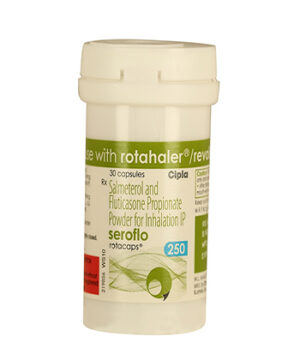
Fluticasone + Salmeterol (Fluticasone + Salmeterol) – Inhaler Medicine
Fluticasone + Salmeterol is a commonly used inhaled medicine for long-term control of breathing problems such as asthma and chronic obstructive pulmonary disease (COPD). It combines two medicines in one inhaler: a corticosteroid (fluticasone) to reduce airway inflammation, and a long-acting bronchodilator (salmeterol) to help keep the airways open for up to 12 hours.
This guide is designed to be patient-friendly and UK-focused, covering what it does, how to use it safely, what to expect, and what to discuss with a healthcare professional. Always follow the instructions provided with your inhaler device and your personalised care plan.
Key product information
| Category | Details |
|---|---|
| Medicine name | Fluticasone + Salmeterol |
| What it contains | Fluticasone (inhaled corticosteroid) + Salmeterol (long-acting beta2-agonist) |
| Common uses | Asthma maintenance; COPD maintenance (where appropriate) |
| How it works | Reduces inflammation + relaxes airway muscles for longer symptom control |
| Typical frequency | Usually twice daily (about 12-hour intervals) |
| Important note | Not usually used for immediate relief of sudden breathing difficulty |
How fluticasone + salmeterol works (mechanism of action)
This inhaler works in two complementary ways:
- Fluticasone (inhaled corticosteroid): helps decrease inflammation in the airways. Over time, this can reduce airway swelling and mucus production, making it easier to breathe. It also reduces the tendency for asthma/COPD symptoms to flare.
- Salmeterol (long-acting beta2-agonist, LABA): relaxes the muscles around the airways, helping them stay open. The bronchodilation effect is long-lasting, supporting symptom control throughout the day and night.
Together, the medicines support steadier breathing control than either component alone. When used regularly, many people notice fewer symptoms and fewer exacerbations (flare-ups).
Pharmacokinetics (how the body handles the medicine)
Because fluticasone + salmeterol is inhaled, most of the medicine delivers directly to the lungs. Some may also be swallowed and processed by the liver. Key points include:
- Absorption: inhaled fluticasone is absorbed through the lungs, with systemic absorption possible but generally lower than oral steroid therapy. Swallowed portion may be absorbed from the gut.
- Distribution: both components can enter the bloodstream, but their main therapeutic action is in the airways.
- Metabolism: fluticasone is mainly metabolised by the liver enzyme CYP3A4. This is important for potential medicine interactions.
- Elimination: metabolites are cleared primarily through the kidneys and bile. Long-acting effects reflect the long duration of bronchodilation from salmeterol.
If you have liver problems, use medicines that affect CYP3A4, or have concerns about steroid side effects, speak to a healthcare professional for advice.
Typical uses in the UK
Fluticasone + salmeterol is used as a maintenance (long-term) treatment. The exact indication depends on the strength and the inhaler device, but typical uses include:
- Asthma maintenance therapy: for people whose asthma is not adequately controlled with inhaled corticosteroid alone, or for those who need combination treatment.
- COPD maintenance therapy: in selected patients to reduce symptoms and help prevent exacerbations (depending on severity and individual treatment plans).
It is not generally intended for quick relief of sudden wheeze or breathlessness. For sudden symptoms, a faster-acting “reliever” inhaler (often a short-acting beta2-agonist) is usually used instead—use your personal asthma/COPD action plan.
When to take it (timing and consistency)
Most fluticasone + salmeterol inhalers are used twice daily, roughly 12 hours apart. Many people choose morning and evening as a routine.
- Consistency matters: regular use helps keep inflammation controlled.
- Not for immediate relief: if symptoms flare suddenly, follow your action plan and use your reliever inhaler.
- Allow time for benefit: some improvement may be felt within days, but full benefit for inflammation control often takes longer.
Food interactions
There are no well-known direct food interactions that typically require dietary changes for fluticasone + salmeterol. Because it is inhaled, food does not usually affect absorption as much as for oral medicines.
However, one practical point is helpful: if part of the dose is swallowed, it may cause throat irritation or hoarseness in some people. Rinsing your mouth and (if you can) gargling with water after use can help reduce this risk.
Alcohol and medicine interactions
Alcohol
Alcohol does not have a specific, predictable interaction with fluticasone + salmeterol. However, heavy or frequent alcohol use can worsen respiratory health for some people and may affect medication adherence. If you notice that alcohol triggers wheeze or breathlessness, discuss this with a healthcare professional.
Other medicines (especially important interactions)
The components can interact with other treatments. Key interaction areas include:
- CYP3A4 inhibitors (important for fluticasone): medicines that inhibit CYP3A4 can increase fluticasone levels, potentially increasing steroid-related effects. Examples may include some antifungals (such as ketoconazole/itraconazole) and certain HIV medicines.
- Other beta-agonists: using multiple bronchodilators may increase effects on heart rate or potassium levels in some situations.
- Beta-blockers: some beta-blockers (including certain eye drops) can reduce the effect of salmeterol. Specialist advice is often needed if a beta-blocker is necessary for another condition.
- Diuretics and other medicines that affect potassium: when combined with beta-agonist effects, low potassium (hypokalaemia) risk may increase in certain cases. This is more likely with higher doses and in people also taking other agents that reduce potassium.
- Systemic corticosteroids: taking additional steroids by mouth or injection can raise overall steroid exposure and related side effects.
Always tell a healthcare professional or pharmacist about all medicines you use, including over-the-counter products, herbal remedies, and eye drops. If you are taking medicines that may affect CYP3A4, you may need closer review.
Dose guidance for common situations
Dosing depends on the condition (asthma vs COPD), severity, age, and the specific inhaler strength. Your prescribed product may have different micrograms per actuation.
Below are general dosing patterns commonly used in clinical practice (not a personal prescription). Follow the instructions provided with your inhaler.
- Asthma maintenance: typically twice daily. The dose strength varies based on symptom control and previous treatment.
- COPD maintenance: typically twice daily, with strength selected based on severity and individual response.
Do not change your dose or stop the medicine suddenly without medical advice. If symptoms worsen or you need more reliever medication than usual, contact your clinician—this can be a sign that your maintenance plan needs review.
How to use your inhaler (practical tips)
Correct inhaler technique is one of the most important factors for effective treatment. Even if you take the right medicine, poor technique can lead to less medicine reaching the lungs.
General technique tips
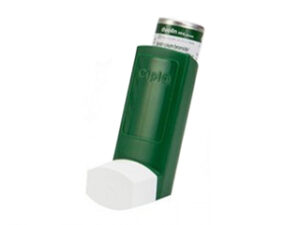
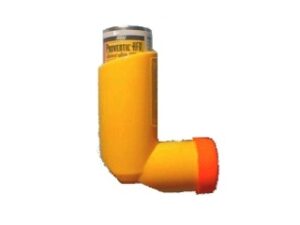
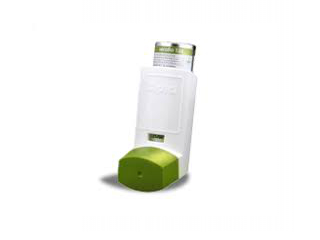
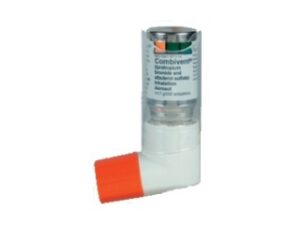
- Check the device type: fluticasone + salmeterol comes in different inhaler designs (for example, breath-actuated devices or press-and-breathe metered dose inhalers). Technique can differ—use your specific instructions.
- Shake if required: some inhalers require shaking before use (especially metered dose inhalers). If your device manual says to shake, do so.
- Breathe out gently first: many devices work best after a gentle exhale.
- Inhale at the right moment: timing between actuation and inhalation matters for some devices. For breath-actuated devices, inhale firmly enough to trigger delivery.
- Hold your breath if comfortable: a short breath-hold can help deposition in the lungs. Avoid breath-holding if it makes you feel unwell.
- Rinse and spit: after each dose, rinse your mouth and spit (do not swallow the rinse). This can reduce risk of oral thrush and hoarseness.
Keeping track of use
- Use a daily routine (e.g., morning/evening) to avoid missed doses.
- Monitor dose counters if your device has one.
- If you often forget doses or run out early, consider setting reminders or discussing adherence strategies with your pharmacist.
Safety profile: important warnings and side effects
Like all medicines, fluticasone + salmeterol can cause side effects, though not everyone gets them. Inhaled therapy generally leads to fewer whole-body effects than oral steroids, but systemic effects can still occur, especially with higher doses.
Common or expected side effects
- Hoarseness or throat irritation
- Oral thrush (candidiasis), particularly if mouth rinsing is not done
- Mild cough after inhalation
- Headache in some people
Possible effects related to salmeterol (LABA)
- Tremor (shakiness)
- Palpitations or increased heart rate
- Muscle cramps
Rare but serious risks (seek urgent help when appropriate)
- Severe worsening of breathing or signs of a serious asthma attack. If you cannot speak in full sentences, or your reliever isn’t helping as usual, seek urgent medical care.
- Allergic reaction (e.g., swelling of face/lips, rash, breathing difficulty). Seek urgent medical attention.
- Chest pain, severe palpitations, or fainting—get medical advice promptly.
- Signs of significant steroid effect with long-term use at high doses, such as unusual bruising, slow wound healing, or symptoms of adrenal suppression. This is uncommon, but discuss concerns with a healthcare professional.
When symptoms change
If you notice increased wheeze, nighttime symptoms, or needing your reliever more often, your condition may not be under control. Contact your healthcare team for assessment rather than simply increasing the inhaler dose on your own.
Practical use tips to improve results
- Rinse your mouth: helps prevent thrush and voice changes.
- Use consistently: missing doses can reduce anti-inflammatory benefits.
- Review inhaler technique: have it checked at appointments, especially if control worsens.
- Keep an eye on triggers: infections, allergens, smoke, cold air, and exercise can worsen symptoms. Your action plan should include steps for flare-ups.
- Don’t stop suddenly: steroid withdrawal can lead to deterioration; LABA-only exposure is also a concern—follow guidance from your clinician.
Alternative options
Depending on your diagnosis and current control, there may be alternative inhalers available. Options can include:
- Inhaled corticosteroid (ICS) alone: for people whose asthma or COPD requires steroid-only maintenance.
- Different ICS + LABA combinations: depending on availability and response.
- Triple therapy (ICS + LABA + LAMA): in some COPD cases or for asthma/COPD where recommended.
- Reliever inhalers: for symptom rescue during flare-ups (short-acting bronchodilator).
The “best” option depends on diagnosis (asthma vs COPD), symptom frequency, exacerbation history, inhaler technique, and personal risk factors. A clinician or pharmacist can help compare the most suitable alternatives for you.
Market and legal context in the UK
Medicines containing fluticasone + salmeterol are regulated in the United Kingdom and are supplied under UK medicines law. Inhaled combination therapies for asthma and COPD are widely used and supported by national clinical guidance.
In the UK, prescribing and dispensing are typically aligned with local formularies and national recommendations from bodies such as:
- National Institute for Health and Care Excellence (NICE) (for COPD pathways and guidance)
- British Thoracic Society (BTS) and Scottish Intercollegiate Guidelines Network (SIGN) (for asthma-related guidance)
- Primary Care frameworks and local respiratory pathways
Treatment choices must consider individual patient needs, correct diagnosis, inhaler device suitability, and the need for ongoing monitoring.
Recent guidance considerations (what many clinicians focus on)
Guidance in recent years has emphasised several consistent themes:
- Confirm diagnosis and check inhaler technique before changing treatment.
- Use the lowest effective maintenance dose that keeps control stable, with regular review.
- Prevent steroid-related side effects through correct mouth rinsing and appropriate dosing.
- Recognise flare-ups early using action plans and appropriate escalation steps.
- Avoid LABA-only therapy in asthma (LABA should be combined with ICS for asthma control).
If you are unsure whether your inhaler is right for your diagnosis, ask a healthcare professional to review your treatment plan.
Delivery and availability in the UK (online pharmacy)
Availability can vary by strength and device type (for example, different microgram strengths or inhaler designs). Many online pharmacies offer home delivery within the UK, subject to stock status and local regulations.
- Dispatch times: depend on whether the item is in stock.
- Delivery options: typically include standard delivery and sometimes express options.
- Packaging: medicines are usually shipped in protective packaging with clear labelling.
- Storage: follow the leaflet instructions; most inhalers should be stored at room temperature and protected from extremes of heat or frost.
If you need a specific strength or device, check the product details on the website to ensure you are ordering the correct version.
FAQ – Frequently asked questions
1) Is fluticasone + salmeterol a reliever inhaler?
No. Fluticasone + salmeterol is a maintenance inhaler for long-term control. It generally does not provide rapid relief of sudden symptoms. For immediate relief, you should use your reliever inhaler as directed in your action plan.
2) How quickly will I feel better?
Some people notice improvement within days, particularly from the bronchodilator component. However, because fluticasone reduces inflammation, full benefit—especially for preventing exacerbations—may take longer with regular use.
3) Should I rinse my mouth after using it?
Yes. Rinsing your mouth and spitting out (do not swallow the rinse) can reduce the chance of oral thrush and hoarseness.
4) What if I miss a dose?
If you miss a dose, take it when you remember unless it is close to the time of your next dose. Do not take a double dose to make up for the missed one. If you are unsure, ask a pharmacist for advice.
5) Can I stop using it when I feel well?
Typically, no—maintenance medicines are intended to be used regularly to keep symptoms controlled. Stopping suddenly can lead to worsening. Discuss any changes with your healthcare professional.
6) Will it affect my heart?
Some people may experience palpitations or a fast heartbeat, especially if the dose is high or if they are sensitive to beta-agonists. If you have chest pain, severe palpitations, or fainting, seek urgent medical advice.
7) Are there any foods or drinks I should avoid?
There are generally no specific food interactions. Alcohol is not known for a direct interaction, but heavy intake may worsen overall health and asthma/COPD control for some people.
8) What medicines interact with fluticasone + salmeterol?
Important interactions may involve medicines that affect CYP3A4 (which can increase fluticasone levels), as well as certain beta-blockers, diuretics affecting potassium, and other bronchodilators. Tell your pharmacist about all medicines you take.
9) Can I use it during an asthma flare-up?
If you are already on fluticasone + salmeterol, it is usually part of your ongoing treatment, but it is not intended as the rapid “rescue” therapy for acute symptoms. Follow your asthma action plan and use your reliever inhaler when needed. Seek urgent help if symptoms are severe or worsening.
10) What should I do if I suspect thrush?
Symptoms may include white patches in the mouth, soreness, or unusual bad breath. Stop inhaler use only if a healthcare professional advises you to; otherwise, contact a pharmacist or clinician for assessment. Regular mouth rinsing after use is the best prevention.
11) Is it safe to use in pregnancy or while breastfeeding?
Many inhaled asthma/COPD treatments are used during pregnancy and breastfeeding when needed for good control. The safest choice depends on your situation, so discuss your treatment plan with a healthcare professional promptly if you are pregnant, trying to conceive, or breastfeeding.
12) Does it affect children or the elderly differently?
Dosing and monitoring differ by age and condition. Children may require careful inhaler technique training and monitoring for steroid effects. Older adults may be more sensitive to beta-agonist effects or other comorbidities. Ask your clinician or pharmacist for guidance.
When to seek medical advice promptly
- Breathing symptoms worsen despite correct inhaler use.
- You need your reliever more often than usual.
- You experience severe side effects (e.g., allergic reactions, chest pain, fainting).
- You develop signs of infection (including fever) or severe mouth/throat symptoms.
If you ever feel that you are in danger or your breathing is critically affected, seek urgent medical attention immediately.
Remember: fluticasone + salmeterol helps control inflammation and keeps airways open when used regularly. Correct inhaler technique and consistent daily use are key to getting the best benefit while reducing side effects.