

Singulair (Montelukast) – Patient Guide (UK)
Singulair is a medicine containing montelukast. It is used to help control asthma and relieve allergy-related symptoms such as allergic rhinitis (hay fever). It works by blocking certain chemical signals in the body that can trigger airway narrowing and allergy symptoms.
This guide is written to help you understand how Singulair works, how it is usually taken, what to expect, and what to watch for. If you are unsure about anything or have questions about your personal treatment, ask your pharmacist or clinician.
Basic product information
- Active ingredient: Montelukast
- Brand name: Singulair
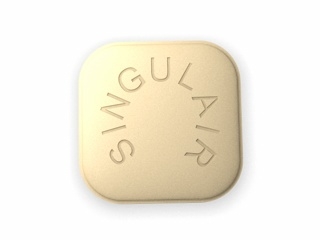
- Common forms (availability may vary): Tablets and chewable tablets (strength depends on age)
- How it works: Leukotriene receptor antagonist
- Where it is used: The UK market (availability depends on supply and local prescribing/dispensing practices)
Important note: This medicine is not a reliever. If you have sudden breathing difficulties or acute asthma symptoms, you will need your fast-acting inhaler/reliever as directed by your healthcare team.
How Singulair works (mechanism of action)
In asthma and allergic conditions, the body releases substances called leukotrienes. These chemicals can:
- cause inflammation in the airways
- tighten (narrow) the airways
- increase mucus production
- contribute to allergy symptoms such as sneezing and congestion
Montelukast blocks the leukotriene (CysLT1) receptor, helping to reduce these effects. By interrupting the leukotriene pathway, Singulair can help improve symptom control and reduce the frequency of asthma flare-ups for some people.
Pharmacokinetics (how the body handles the medicine)
Pharmacokinetics describes what happens to a medicine in the body. While individual results vary, the general pattern for montelukast is:
- Absorption: Montelukast is absorbed after oral dosing. It can be taken with or without food.
- Peak concentration: Typically reached within a few hours after taking a dose.
- Distribution: It reaches tissues where leukotriene activity contributes to symptoms.
- Metabolism: Mainly metabolised in the liver.
- Elimination: Mostly eliminated via bile and the digestive system, with a smaller proportion eliminated through urine.
Because it is taken once daily in many regimens, many people find it easier to remember when linked to a consistent daily routine.
Typical uses and indications (what it is prescribed for)
In the UK, montelukast is used to treat conditions where leukotriene activity contributes to symptoms. Indications may vary depending on age and local product licensing. Common uses include:
- Asthma (maintenance/control): Helping to prevent symptoms and reduce exacerbations in people who have asthma.
- Prevention of exercise-induced bronchoconstriction (EIB): Helping reduce breathing difficulties triggered by exercise.
- Allergic rhinitis (hay fever): Relieving symptoms such as sneezing, runny nose, nasal congestion, and itching.
Not for immediate relief: Singulair should not be used to stop an acute asthma attack. Use your reliever medication for sudden symptoms.
How to take Singulair – dosing and timing
Dosing depends on age, the condition being treated, and your clinician’s plan. Always follow the dose on the packaging or as instructed by your healthcare professional.
Common dosing patterns (age-dependent)
The following are general examples of typical dosing used in many countries. UK product-specific strengths and age cut-offs should be confirmed via your pack and clinical advice.
| Age group | Typical dose of montelukast | How often | Common form |
|---|---|---|---|
| Adults and adolescents | Usually 10 mg | Once daily | Tablets |
| Children (younger age groups) | Strength varies by product/age | Once daily | Chewable tablets (where appropriate) |
Best timing
- Once daily dosing is common.
- Many people are advised to take it in the evening, as it may help with night-time symptoms.
- Try to take it at the same time each day.
If you miss a dose
- Take it when you remember, unless it is close to the next dose.
- Do not take a double dose to make up for a missed tablet.
With or without food
Singulair can usually be taken with or without food. If it upsets your stomach, consider taking it with a light meal.
Food interactions
For most people, food does not significantly affect how montelukast works. You can generally take it:
- on a full stomach
- after a snack
- on an empty stomach (if it suits you)
Tip: Choose a consistent routine that fits your day. Consistency can improve adherence and symptom monitoring.
Alcohol interactions
There is no widely established, universal “do not drink alcohol” rule for montelukast. However, alcohol can:
- increase the risk of dizziness or sleep disturbance in some people
- affect asthma control by irritating airways or worsening sleep
- interfere with how you feel overall while managing long-term conditions
If you drink alcohol, consider using moderate amounts and monitor how you feel, especially regarding breathing and any mood or sleep changes.
Seek advice if you notice worsening symptoms after alcohol or if you are taking other medicines that interact with alcohol.
Medicine interactions (including supplements and OTC products)
Montelukast can interact with other medicines in some situations. Tell your pharmacist about:
- all prescription medicines
- over-the-counter products (including cough/cold remedies)
- herbal supplements
- vitamins, minerals, and “natural” products
Common interaction considerations include:
- Other asthma medicines: Singulair is typically added to existing asthma plans rather than replacing relievers. Your clinician may adjust inhaler use based on your control.
- Certain liver-metabolised medicines: Montelukast is metabolised in the liver. Some medicines that strongly influence liver enzymes may affect blood levels, potentially changing how well it works.
- Antihistamines: Often used alongside for allergic rhinitis; no major issues are typical, but individual plans vary.
Always check: Your pharmacist can help review a full list of medicines for you.
Safety profile and important warnings
Most people take montelukast without serious problems, but like all medicines it can cause side effects. It is important to know what to look for and when to seek help.
Common side effects
- Headache
- Stomach pain, indigestion, nausea
- Feeling tired or unusual sleepiness
Not everyone will experience these.
Serious side effects (seek urgent advice if needed)
Mental health and sleep-related effects: There have been reports of neuropsychiatric events associated with montelukast. These may include:
- agitation
- aggressive behaviour
- anxiety
- depression
- sleep disturbances (e.g., nightmares)
- hallucinations
- suicidal thoughts or actions (rare)
- tremor or other unusual movements
- memory problems
If you or your child develops mood changes, agitation, nightmares, or any worrying behaviour, contact a healthcare professional promptly. Discuss whether continued use is appropriate.
Allergic reactions
Stop using the medicine and seek urgent medical help if you get signs of a serious allergic reaction, such as:
- swelling of the face, lips, tongue, or throat
- difficulty breathing or swallowing
- severe skin rash or hives
Cholestatic liver problems (rare)
Very rarely, liver-related issues can occur. Contact a clinician if you notice:
- yellowing of the skin or eyes (jaundice)
- dark urine
- unusual tiredness, itching, or persistent nausea
Practical use tips for getting the best results
- Use it daily as directed: Montelukast works as a control/maintenance medicine for many people. Missing doses may reduce benefit.
- Keep using your asthma inhalers: Unless your clinician advises changes, do not stop preventer inhalers (such as inhaled corticosteroids). Singulair is usually part of a broader plan.
- Track symptoms: Keep a simple note of day-time symptoms, night-time awakenings, use of reliever inhaler, and triggers (e.g., pollen, pets, cold air).
- Know your reliever plan: Have your fast-acting inhaler available and follow your personalised action plan for asthma flare-ups.
- Watch for sleep/mood changes: Especially after starting or changing dose—notify a clinician if anything concerning arises.
- Use the right technique and devices: If you also use inhalers, correct inhaler technique improves effectiveness of your whole asthma treatment.
Recent guidance and UK context (general overview)
In the UK, asthma treatment is commonly guided by national and international recommendations, focusing on:
- using inhaled corticosteroids as the foundation for persistent asthma control
- personalising add-on therapy based on symptom control and exacerbation history
- regular review and step-up/step-down strategies
Leukotriene receptor antagonists such as montelukast may be considered for specific patient groups, such as those who also have allergic rhinitis or have triggers including exercise, where it is appropriate within the overall care plan.
Due to the mental health warning history, UK clinicians and patients are encouraged to review risks and benefits carefully—particularly in children and those with pre-existing mental health conditions. Always discuss concerns with your healthcare professional.
Alternative options
Alternatives depend on your diagnosis, age, and symptom pattern. For asthma and allergic rhinitis, typical options include:
For allergic rhinitis (hay fever)
- Antihistamines (e.g., cetirizine, loratadine)
- Intranasal corticosteroid sprays (often first-line for moderate/severe symptoms)
- Combination therapies if symptoms are not controlled
For asthma control
- Inhaled corticosteroids (ICS) (preventer therapy)
- ICS/LABA combinations for some patients
- Long-acting bronchodilators (as appropriate)
- Biological therapies in selected severe asthma cases
For exercise-induced symptoms
- Optimising baseline asthma control (often with preventer inhalers)
- Reliever before exercise when advised
- Other add-on options depending on the overall asthma plan
If you are considering switching medicines, do so only with clinical advice—particularly for asthma, where sudden changes can worsen control.
Delivery and availability in the UK
Availability of Singulair can vary by:
- strength and formulation (e.g., tablet vs chewable tablet)
- stock levels with UK suppliers
- your location and delivery service options
When ordering through an online pharmacy, you can typically expect:
- Transparent stock and dispatch estimates on product pages
- Secure packaging for tablets
- Delivery options such as standard or expedited services, subject to location
Tip: If you need treatment for a child, confirm the correct formulation and strength before ordering.
Market and legal context for the United Kingdom
In the UK, medicines are regulated by the Medicines and Healthcare products Regulatory Agency (MHRA). Product classifications determine whether a medicine is available:
- through prescription routes (in many cases)
- through pharmacy supply routes under relevant legal category
Because availability and supply rules can change, the most reliable information is the current listing on the specific online pharmacy website you are using, along with the product packaging information.
Safety notices: For medicines that have safety communications issued (including neuropsychiatric warnings), UK healthcare systems may emphasise risk-benefit discussions and monitoring. Always follow the advice provided with your medicine and from your healthcare professional.
FAQ
1) Is Singulair used as a reliever for asthma attacks?
No. Singulair is a controller/maintenance medicine for many people. It is not designed for rapid relief of sudden breathing difficulty. Use your fast-acting reliever inhaler for acute symptoms as advised.
2) How long does Singulair take to work?
Some people notice improvements within days, but fuller benefits for asthma control or allergy symptoms may take longer (often a few weeks). If symptoms are not improving, speak to your clinician rather than changing the dose yourself.
3) Can I take Singulair with my other asthma inhalers?
Usually, yes. Montelukast is commonly added to inhaled therapies. However, do not stop or replace inhalers without medical advice. Your clinician may adjust your regimen if control improves.
4) What should I do if my child becomes agitated or has nightmares after starting montelukast?
Contact a healthcare professional promptly. Report the specific changes (sleep problems, mood, behaviour). Do not ignore mental health or sleep-related changes, especially after starting or changing treatment.
5) Are there restrictions on driving or operating machinery?
Most people do not experience significant impairment, but if you feel unusually tired, dizzy, or have sleep disturbance, avoid driving or operating machinery until you know how the medicine affects you.
6) Does Singulair interact with antihistamines for hay fever?
Often montelukast can be used alongside antihistamines, but individual suitability and dose adjustments depend on your symptoms and medical history. Ask your pharmacist for a tailored interaction check.
7) Can I drink alcohol while taking Singulair?
There is not a universal prohibition, but alcohol may worsen sleep or overall asthma control in some people. If you notice symptom changes after alcohol, reduce or avoid alcohol and seek advice.
8) What if I forget a dose?
Take it when you remember unless it is close to the next dose. Do not take a double dose.
9) Are there alternatives if montelukast isn’t suitable for me?
Yes. Alternatives depend on whether you are treating asthma, allergic rhinitis, or exercise-induced symptoms. Options may include inhaled preventers for asthma and intranasal steroids or antihistamines for hay fever, among others.
10) Where can I find the correct dosage for my age?
Use your medicine packaging and follow the instructions given by your healthcare professional. If you are ordering online, verify the strength/formulation is correct for the patient.
When to seek medical advice
Contact a healthcare professional promptly if you experience:
- worsening asthma symptoms, increased need for reliever inhaler, or reduced response to your reliever plan
- any serious allergic reaction signs
- new or worsening mood changes, agitation, depression, unusual behaviour, or sleep disturbances
- symptoms suggesting liver problems (e.g., jaundice or dark urine)
If you believe you are having a medical emergency, seek urgent help immediately.
Remember: Always use Singulair as part of your agreed treatment plan and continue any preventer medicines as advised.