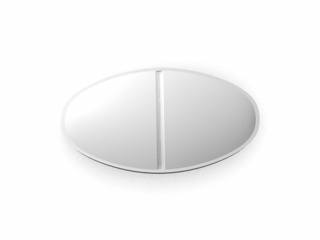
Uniphyl Cr (Theophylline) – Patient Information
Uniphyl Cr is a medicine containing theophylline in a controlled‑release (Cr) form. It is used to help manage certain breathing problems, particularly where long-term bronchodilation is needed. This page explains what Uniphyl Cr does, how it works, how it is usually taken, and important safety information for adults in the United Kingdom.
Always follow the instructions provided with your medicine. If anything is unclear—such as how often to take your tablets or how to adjust your dose—speak to a healthcare professional.
Basic Product Information
| Item | Details |
|---|---|
| Medicine name | Uniphyl Cr |
| Active ingredient | Theophylline |
| Formulation | Controlled-release (Cr) |
| Medicinal purpose | Bronchodilator; helps keep airways open |
| Common conditions | Long-term management of certain asthma/chronic lung disease symptoms (as advised by a clinician) |
Controlled‑release tablets: The “Cr” formulation is designed to release theophylline more slowly over time, helping to maintain effect throughout the day.
How Uniphyl Cr Works (Mechanism of Action)
Theophylline is a bronchodilator. It helps improve airflow by relaxing smooth muscle in the airways. Its actions include:
- Relaxing airway muscle to widen airways.
- Reducing airway constriction and improving breathing comfort.
- Modulating inflammatory responses in the airways (evidence varies by condition and patient group).
- Increasing responsiveness to other treatments in some people when used as part of a broader management plan.
While theophylline can be helpful for some patients, it has a narrower safety margin than many other bronchodilators. This makes correct dosing, consistent use, and attention to interactions particularly important.
Pharmacokinetics (Absorption, Distribution, Metabolism, Elimination)
Understanding how the body handles theophylline can help explain why dosing and interactions matter.
Absorption
- As a controlled‑release product, Uniphyl Cr is designed for gradual absorption over time.
- Absorption can be influenced by factors such as other medicines, smoking status, liver function, and acute illness.
Distribution
- Theophylline is distributed throughout the body and reaches the airways to exert its effects.
Metabolism
- Theophylline is mainly metabolised in the liver by enzymes including CYP pathways.
- Because metabolism is affected by many drugs, drug–drug interactions can change theophylline levels.
Elimination
- The drug is cleared from the body over time; clearance can change with age, liver disease, and certain illnesses.
- In some patients, theophylline may build up to higher levels if the body clears it more slowly.
Why this matters: Theophylline blood levels can rise or fall due to interactions and individual factors. Too high a level can lead to side effects; too low a level may reduce benefit.
Typical Uses in the UK
Uniphyl Cr is used in the long-term management of certain respiratory conditions where bronchodilation is needed. Your clinician decides whether theophylline is appropriate based on your symptoms, existing treatments, and response.
In practice, theophylline may be considered for:
- Asthma in selected patients (often when symptoms are not adequately controlled with standard inhaled therapies and where the risks/benefits are favourable).
- COPD (chronic obstructive pulmonary disease) for symptom control in some patients.
- Other chronic conditions as judged appropriate by a clinician.
Not for immediate relief: Uniphyl Cr is not designed to provide fast, “rescue” relief during sudden breathing difficulties. For acute symptoms, follow your emergency and reliever plan.
When to Take Uniphyl Cr (Timing and How to Use)
Correct timing and consistent daily use are important with controlled-release theophylline.
General timing guidance
- Take Uniphyl Cr at the same times each day to help maintain steady levels.
- Controlled‑release tablets often require once or twice daily regimens depending on the prescribed strength and schedule.
- If you miss a dose, follow the instructions in your product information leaflet or those given by your healthcare professional. In general, do not take a double dose to make up for a missed one.
How to take the tablets
- Swallow tablets whole with water.
- Do not crush, chew, or split controlled‑release tablets unless specifically advised by a clinician or stated in the leaflet—altering the tablet can change how the drug is released.
Consistency with meals matters less than with some other medicines, but your personal experience and the product leaflet should be followed.
Food Interactions and Effects
Food can affect how well theophylline is absorbed. Although the exact effect varies between individuals and formulations, consider the following general points:
- Maintain a consistent eating pattern when you start therapy, if possible.
- If you notice that your symptoms or side effects change significantly depending on meals, discuss this with a pharmacist or clinician.
- Large changes in diet or major weight loss may affect the way your body handles medicines—seek advice if this applies to you.
Gastric irritation: theophylline may cause stomach discomfort in some people. Taking it with food (if your leaflet allows) may help reduce irritation. Always follow your specific instructions.
Alcohol Interactions
Alcohol can increase the risk of side effects such as stomach irritation, dizziness, and sleep disturbance. It may also affect liver metabolism, potentially changing theophylline levels.
- Avoid or limit alcohol while taking Uniphyl Cr, especially when starting treatment or after dose changes.
- If you drink alcohol regularly, speak to a pharmacist or clinician for personalised advice.
Interactions with Other Medicines (Important)
Uniphyl Cr can interact with many medicines. These interactions may alter theophylline levels or increase side-effect risk. Always tell a healthcare professional about all medicines you use, including:
- Respiratory medicines (inhalers, tablets, nebulisers)
- Antibiotics and antifungals
- Anti-epileptic medicines
- Heart medicines
- Stomach acid medicines
- Herbal products and supplements
- Over-the-counter remedies
Medicines that may increase theophylline levels
Some medicines can slow the breakdown of theophylline, raising levels and increasing risk of toxicity. Examples may include certain antibiotics and other drug classes. If you start a new medicine, ask whether it could affect theophylline.
Medicines that may decrease theophylline levels
Other medicines may increase theophylline clearance or reduce absorption, lowering effectiveness. Again, ask a clinician or pharmacist when starting or stopping medicines.
Smoking and caffeine
- Smoking can alter theophylline metabolism and may reduce the drug’s effect. Changing your smoking habits may require review.
- Caffeine-containing drinks (such as strong coffee, energy drinks) can add to stimulatory effects and may worsen side effects like tremor, palpitations, or insomnia.
Seek urgent advice if you experience severe nausea/vomiting, marked palpitations, confusion, seizures, or significant worsening breathing—these could be signs of an adverse reaction.
Indications (What Uniphyl Cr is Used For)
Theophylline is indicated for airway-related symptoms in selected patients. In the UK, use is typically guided by established respiratory care pathways and individual patient assessment.
Common reasons clinicians may prescribe Uniphyl Cr include:
- Persistent symptoms of asthma or COPD despite other treatments
- Need for additional bronchodilation or symptom control in specific cases
Important: Theophylline is not usually a first-line option for many patients compared with inhaled therapies; suitability depends on your condition, your other medicines, and your response.
How to Dose Uniphyl Cr (General Dosing Principles)
Dosing varies widely by patient due to differences in metabolism, age, liver health, smoking status, and interactions. Your prescribed dose must be followed exactly.
Typical dosing approach
- Many patients start at a lower dose and are adjusted depending on response and side effects.
- Clinicians may use theophylline blood level monitoring in some patients because of the narrow margin between benefit and toxicity.
- Changes in health status (e.g., infection), liver function, or smoking habits can require reassessment.
Do not exceed your prescribed dose
- Controlled-release medicines are designed for a specific release pattern. Taking more than advised increases risk of serious side effects.
- If you think you have taken too much, contact the NHS 111 service or seek urgent help immediately, especially if symptoms occur.
Safety Profile and Possible Side Effects
Like all medicines, Uniphyl Cr can cause side effects. Many are mild, especially when dosing is correct, but theophylline can also cause more serious reactions if levels become too high.
Common side effects
- Nausea, indigestion, stomach discomfort
- Headache
- Restlessness or feeling “wired”
- Tremor
- Insomnia or disturbed sleep
Potential serious side effects (seek urgent medical advice)
- Severe vomiting or persistent severe stomach pain
- Palpitations, fast or irregular heartbeat
- Confusion, severe dizziness, or fainting
- Seizures
- Significant worsening of breathing or severe allergic reaction symptoms (e.g., swelling of face/lips, difficulty breathing)
When to stop and get advice: If you develop symptoms suggestive of high theophylline levels or an allergic reaction, do not wait—contact urgent services or a clinician promptly.
Who should be extra cautious
- Older adults
- People with liver problems
- People with heart rhythm disorders
- People taking medicines known to interact with theophylline
- People whose smoking habits are changing
Practical Use Tips for Best Results
- Take it consistently: controlled-release medicines work best when taken at regular times.
- Avoid sudden changes in smoking: if you smoke, try not to change suddenly without discussing with your pharmacist or clinician.
- Be cautious with caffeine: energy drinks and high caffeine intake can worsen side effects.
- Keep an updated list of medicines: include over-the-counter products and herbal remedies.
- Use reminders: because missing doses can affect symptom control and side effects.
- Monitor your response: track breathing comfort, night-time symptoms, and any side effects. Share this with your clinician.
If your asthma or COPD symptoms suddenly worsen, follow your action plan for rescue medication and seek medical advice as appropriate.
Alternative Options (Discuss with a Healthcare Professional)
Respiratory treatment choices in the UK often prioritise inhaled therapies because they target the lungs directly with fewer systemic side effects. Alternatives depend on whether you have asthma, COPD, and how well your current plan controls symptoms.
Possible alternatives include
- Inhaled corticosteroids (ICS) for asthma and some COPD patients (depending on severity)
- Long-acting beta2-agonists (LABA) and combination inhalers (e.g., ICS/LABA)
- Long-acting muscarinic antagonists (LAMA) and other COPD maintenance inhalers
- Short-acting relievers for quick symptom relief (e.g., rescue inhalers)
- Other bronchodilators depending on your condition
The right alternative depends on your diagnosis, current symptom pattern, and your medicine history. Your pharmacist or clinician can help you compare options safely.
Market and Legal/Regulatory Context in the United Kingdom
In the UK, medicines are regulated to protect patient safety. Theophylline products are subject to pharmaceutical standards for manufacture, supply, and labelling. Guidance and prescribing decisions are influenced by:
- National respiratory guidance used by clinicians (for example, asthma management approaches commonly emphasise inhaled maintenance therapy and structured self-management plans).
- Local formulary decisions and specialist recommendations.
- Medicines safety monitoring including attention to known interaction risks.
Controlled-release formulation: Uniphyl Cr has a specific release profile; switching between different theophylline formulations should be managed carefully to avoid changes in absorption or side-effect risk.
Recent guidance and clinical trends
Over recent years, theophylline use has generally become more selective in many settings compared with inhaled maintenance treatments. However, it remains an option for certain patients where appropriate, particularly when clinicians have experience with monitoring and interaction management. Always follow the most up-to-date advice from your healthcare team.
Delivery and Availability in the UK
Uniphyl Cr availability can vary by strength and supply. Online pharmacies commonly support UK delivery with options such as:
- Standard delivery for non-urgent orders
- Express delivery where available
- Packaging designed to protect tablets from moisture and damage
Because respiratory medicines can be subject to manufacturing or distribution fluctuations, it’s a good idea to check stock status for your specific strength. If Uniphyl Cr is temporarily unavailable, a pharmacist can advise on the next best option where appropriate.
FAQ (Frequently Asked Questions)
1. What is Uniphyl Cr used for?
Uniphyl Cr (theophylline controlled‑release) is used to improve breathing by relaxing the muscles around the airways. It is used for long-term symptom control in selected patients with respiratory conditions such as asthma or COPD, based on clinical assessment.
2. Does Uniphyl Cr work immediately?
No. Uniphyl Cr is controlled‑release and is intended for ongoing management rather than immediate relief. If you have sudden breathing difficulties, use your prescribed reliever medication and follow your action plan.
3. How often should I take it?
That depends on your prescribed strength and regimen. Many people take controlled‑release theophylline once or twice daily. Follow your label and instructions exactly.
4. Can I crush or split Uniphyl Cr tablets?
Controlled‑release tablets should generally be swallowed whole. Crushing or splitting can change how the medicine is released and may increase side effects. Only do so if your leaflet or clinician specifically instructs it.
5. What happens if I miss a dose?
Check the instructions in your leaflet. In general, do not take a double dose to make up for a missed one. If you are unsure, ask a pharmacist for advice.
6. Can I drink alcohol while taking theophylline?
It is best to limit or avoid alcohol because it may increase side effects and can affect liver metabolism. If you drink alcohol regularly, discuss this with a pharmacist or clinician.
7. Are there foods or drinks I should avoid?
There are no universal “forbidden” foods, but aim for a consistent routine. Be cautious with very high caffeine intake (coffee, tea in large amounts, energy drinks), as it may worsen side effects like tremor or insomnia.
8. What medicines interact with Uniphyl Cr?
Many medicines can interact, including some antibiotics, antifungals, anti-seizure medicines, and other drug classes. Interactions can increase or decrease theophylline levels. Always provide a full list of your medicines to a pharmacist for interaction checks.
9. Is theophylline safe for everyone?
Not everyone is the same. People with liver disease, older age, heart rhythm issues, or those taking interacting medicines may require extra caution. Your clinician decides whether it is suitable for you and may use monitoring.
10. What side effects should make me seek urgent help?
Contact urgent medical help if you experience severe palpitations, persistent vomiting, confusion, fainting, seizures, or signs of a serious allergic reaction (e.g., swelling of the face/lips, severe difficulty breathing).
11. Can smoking change how Uniphyl Cr works?
Smoking can change the metabolism of theophylline and affect effectiveness and side-effect risk. If you plan to change your smoking habits, seek advice first.
12. Are there alternatives to Uniphyl Cr?
Yes, depending on your condition. Many patients use inhaled therapies (such as corticosteroids and long-acting bronchodilators). Ask your healthcare professional about the best option for your symptoms and medical history.
Final Reminders
- Take Uniphyl Cr exactly as directed on your label.
- Keep meals and lifestyle habits reasonably consistent, especially around caffeine and smoking.
- Check interactions with any new medicine, supplement, or herbal product.
- If you develop worrying symptoms (particularly those suggesting high theophylline levels), seek medical help promptly.
If you have questions about your specific dose, timing, or side effects, consult a healthcare professional or pharmacist.