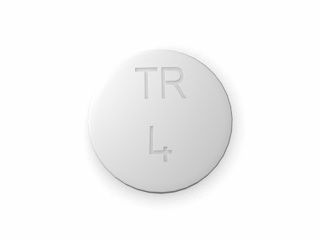
Mircette (Desogestrel / Ethinyl estradiol) — Patient Information (UK)
Mircette is a combined oral contraceptive pill used to prevent pregnancy. It contains two hormones: desogestrel (a progestogen) and ethinyl estradiol (an oestrogen). This medicine is taken daily to help keep hormone levels steady, reduce the chance of ovulation, and make the cervical mucus less receptive to sperm.
Below is a clear, patient-friendly overview of what Mircette is, how it works, how to take it, and the key safety considerations for users in the United Kingdom.
Quick Facts
- Medicine name: Mircette
- Active ingredients: Desogestrel / Ethinyl estradiol
- Type: Combined oral contraceptive (COC)
- How it works: Prevents ovulation + thickens cervical mucus + changes endometrium
- Typical schedule: Daily tablets for contraception
- Common use: Contraception (pregnancy prevention)
Basic Product Information
Mircette is available as oral tablets. Like all combined pills, it must be taken consistently to be effective. The exact blister structure (for example, number of active tablets) can vary by pack, so it’s important to follow the instructions included with your specific pack.
| Feature | Information |
|---|---|
| Active components | Desogestrel (progestogen) + Ethinyl estradiol (oestrogen) |
| Medicine type | Combined oral contraceptive pill |
| Primary use | Prevention of pregnancy |
| How taken | Once daily, at roughly the same time |
| Missed tablets | May reduce protection—follow pack instructions and advice from a healthcare professional/pharmacist |
How Mircette Works (Mechanism of Action)
Mircette contains two hormones that work together to prevent pregnancy:
- Stops ovulation: The hormones suppress the natural cycle so an egg is less likely to be released.
- Thickens cervical mucus: This makes it harder for sperm to enter the uterus and reach an egg.
- Changes the endometrium: The lining of the uterus becomes less suitable for implantation.
Because ovulation and cervical mucus changes depend on consistent daily dosing, it is important not to skip tablets. If you miss tablets or start late, you may need additional contraceptive protection for a short period.
Indications (What It’s Used For)
Mircette is indicated for:
- Contraception: preventing pregnancy.
Some people may also use combined pills for non-contraceptive benefits (such as cycle control). Whether this is appropriate for you depends on your individual medical history and preferences.
Timing & How to Start Taking It
The “right” start date depends on your previous contraception and where you are in your cycle. Common practical rules include:
- Same-time daily use: Take one tablet every day, ideally at the same time to maintain steady hormone levels.
- Use a backup method if needed: If you start outside certain cycle days, you may be advised to use condoms for the first few days (depending on when you start and your past contraception).
- Continue without gaps: Missing or stopping may reduce effectiveness.
If you are unsure when to start, it’s best to check the leaflet inside your pack or seek advice from a pharmacist.
Dose & Administration (Typical Dosing)
Mircette is taken as an oral contraceptive tablet once daily. Follow the schedule in your pack exactly.
General guidance:
- Take the tablet with water, with or without food.
- Try to take it at the same time each day.
- If you vomit shortly after taking a tablet (for example, within a few hours), effectiveness may be affected.
- If you have diarrhoea for an extended period, ask a pharmacist about whether you need extra contraception.
Missed tablets: Effectiveness can be reduced if tablets are missed. The specific action depends on how many tablets were missed and how soon you take the next tablet. Always refer to the patient information leaflet in your Mircette pack for exact steps.
Pharmacokinetics (How the Body Absorbs, Metabolises, and Clears It)
Pharmacokinetics describes how the body handles medicine—absorption, distribution, metabolism, and elimination. While exact values can vary between individuals, the following provides a patient-level overview:
- Absorption: Both components are absorbed after oral intake. Steady daily dosing helps maintain consistent hormone levels.
- Distribution: Hormones circulate in the bloodstream and bind to proteins; this affects how long active levels last.
- Metabolism: The hormones are metabolised mainly in the liver. Some drug interactions can alter metabolism and affect contraceptive reliability.
- Elimination: Metabolites are excreted via urine and/or bile/faeces. Hormone levels gradually decline between doses, which is why timing matters.
If you are taking other medicines that affect liver enzymes (see “Medicine Interactions”), this can change hormone levels and may require backup contraception.
Food Interactions
In most cases, Mircette can be taken with or without food. However, vomiting soon after taking a tablet may reduce absorption.
- Normal meals: No specific dietary restrictions are usually required.
- Vomiting/diarrhoea: Can reduce absorption and effectiveness—consider extra precautions and check advice.
- Grapefruit/large amounts of certain foods: Usually not a major issue with this pill, but individual sensitivities and other medicines can matter.
If you have vomiting or severe stomach upset, contact a pharmacist for advice on whether you should treat it as a missed pill.
Alcohol Interactions
Moderate alcohol intake does not typically reduce the effectiveness of combined oral contraceptives directly. However, alcohol can indirectly affect medicine use (for example, forgetting doses), and heavy drinking can worsen vomiting or diarrhoea—both of which may affect absorption.
- Moderate amounts: Generally compatible if you can take your tablet reliably.
- Binge/heavy drinking: May lead to vomiting or missed doses—use caution.
- Persistent vomiting/diarrhoea after drinking: Ask for advice on backup contraception.
Medicine Interactions (Important Safety Section)
Some medicines can lower contraceptive effectiveness by increasing metabolism of hormones, or by interfering with enterohepatic recirculation.
Examples of medicines that can interact include:
- Enzyme-inducing medicines (often used for epilepsy/seizures, some infections, or tuberculosis), such as: certain anti-epileptics (e.g., carbamazepine, phenytoin, topiramate at higher doses), rifampicin-like antibiotics, and some other enzyme inducers.
- Some HIV/hepatitis C treatments may also affect hormone levels.
- St John’s wort (Hypericum perforatum) can reduce effectiveness.
- Medicines affecting liver enzymes can alter hormone clearance.
- Antibiotics: Most antibiotics do not reduce combined pill effectiveness, but for specific exceptions, guidance may differ—always ask if you’re starting a new antibiotic.
What to do: Tell your pharmacist about all medicines you take, including herbal products and supplements. If you start or stop an interacting medicine, you may need backup contraception (e.g., condoms) for a specified period.
Safety Profile: Who Should Be Cautious?
Combined oral contraceptives (COCs) are generally safe for many people, but they are not suitable for everyone. COCs can increase the risk of blood clots compared with not using hormonal contraception. The risk is still relatively low, but it is important to understand warning signs and eligibility.
Serious side effects (seek urgent medical help if these occur)
- Signs of a blood clot in the leg: painful swelling, warmth, or redness in one leg.
- Signs of a clot in the lung: sudden shortness of breath, chest pain, coughing blood, fainting.
- Signs of a stroke: sudden weakness/numbness on one side, trouble speaking, severe headache.
- Severe eye symptoms: sudden vision changes or pain.
These symptoms require urgent assessment. If you think you may have a serious reaction or a clot, seek emergency care immediately.
When Mircette may not be suitable
Your prescriber/pharmacist should check your medical history and risk factors. Combined pills may be inappropriate or require special consideration if you have (for example):
- a history of blood clots or certain clotting disorders
- migraine with aura
- uncontrolled high blood pressure
- certain types of liver disease
- breast cancer or a history of breast cancer
- smoking and older age (especially over 35)
- major surgery or long-term immobilisation (temporary stopping may be considered)
- unexplained vaginal bleeding
This is not an exhaustive list. Always review your personal situation with a healthcare professional.
Common side effects
Many people experience mild, temporary effects during the first few months of starting combined pills:
- nausea
- breast tenderness
- headaches
- mood changes
- spotting or breakthrough bleeding, especially early on
- changes in appetite or libido
If side effects are severe, persistent, or worsening, consult a pharmacist or doctor for advice.
Practical Use Tips for Best Effectiveness
- Set a daily reminder: Use phone alarms or calendar notifications. Consistency is key.
- Know your pack: Check whether your blister contains active tablets only or includes inactive/placebo tablets.
- Travel planning: Carry enough tablets for your trip and keep them in your hand luggage where possible.
- Missed pill routine: Keep the leaflet’s missed-dose guidance available. If you’re unsure, use condoms until clarity is reached.
- Vomiting/diarrhoea: Treat as potentially missed doses. Ask about backup contraception.
- Smoking: If you smoke, discuss risk with your pharmacist/doctor, especially if you’re over 35.
- Regular reviews: If you continue long-term, periodic health checks are sensible, especially if your health changes.
Alternative Options
If Mircette doesn’t suit you, there are many contraception alternatives available in the UK. Options include:
Other combined oral contraceptives
- Different dose or type of progestogen may be better tolerated for some users.
Progestogen-only methods
- Progestogen-only pill (POP)
- Injectable contraception
- Implants
- Hormonal intrauterine system (IUS)
Non-hormonal methods
- Copper IUD
- Barrier methods (condoms, diaphragm where appropriate)
Your best alternative depends on your health history, preferences (e.g., bleeding pattern), and ability to adhere to daily dosing.
Pharmacovigilance, UK Availability & Legal/Market Context
In the United Kingdom, hormonal contraception is regulated and monitored through the Medicines and Healthcare products Regulatory Agency (MHRA) and related safety systems. Medicines are also subject to quality standards and controlled distribution to ensure safe supply.
Availability can vary by brand and manufacturer, and pack sizes may differ. If Mircette is temporarily out of stock, alternative combined pills or equivalent contraception options may be offered depending on supply.
You may find up-to-date UK contraceptive guidance from reputable sources such as:
- Faculty of Sexual & Reproductive Healthcare (FSRH)
- National Health Service (NHS) contraception information
- Local NHS sexual health services
Recent Guidance (What to Expect When Consulting Healthcare Services)
UK contraceptive practice commonly follows evidence-based recommendations (for example from FSRH) covering:
- Risk assessment before starting a combined pill (clots, migraine type, blood pressure, smoking status, etc.).
- Management of missed pills based on how many tablets were missed and the timing within the pack.
- Drug interaction checks, particularly for enzyme-inducing medicines and certain herbal products.
- Adherence support (reminders, choosing the most suitable formulation, addressing side effects).
- Urgent advice about clot/stroke warning symptoms.
If you experience new symptoms, have a change in health, or are starting new medication, it’s sensible to re-check suitability.
Delivery & Availability (Online Pharmacy)
We aim to keep Mircette available for customers across the UK. Stock levels can change due to manufacturing and supply schedules. When ordering online, please check:
- Product strength and pack size: Match what you need to your current pack schedule.
- Delivery options: Delivery times vary by location and courier availability.
- Order cut-off times: Some orders dispatch the same or next working day.
- Packaging: Medicines are shipped in secure packaging to protect tablets.
Availability information may update throughout the day. If Mircette isn’t currently in stock, you may see alternatives or options to request restocking.
FAQ — Mircette (Desogestrel / Ethinyl estradiol)
1) How quickly does Mircette protect against pregnancy?
Protection depends on when you start the pill and whether you start within the recommended cycle window. If you start later than certain cycle days, you may be advised to use condoms for the first few days. Always follow the guidance in your pack leaflet and check with a pharmacist if unsure.
2) What should I do if I miss a tablet?
Missed tablets can reduce contraceptive effectiveness. The correct action depends on how many tablets were missed and when. Refer to the missed-dose instructions in your Mircette patient leaflet. If you’re unsure, use condoms and seek advice from a pharmacist.
3) Can I take Mircette with food?
Yes. Mircette can usually be taken with or without food. If you vomit shortly after taking a tablet, absorption may be affected.
4) Does alcohol affect Mircette?
Moderate alcohol does not usually affect effectiveness directly. However, heavy drinking may lead to missed doses or vomiting, which can reduce absorption. If you vomit, you may need backup protection.
5) What medicines interact with Mircette?
Some medicines can reduce effectiveness by changing hormone metabolism, especially enzyme-inducing treatments (certain anti-epileptics, rifampicin-like antibiotics, some HIV/HCV treatments) and products like St John’s wort. Always check with a pharmacist when starting or stopping any new medicine or herbal product.
6) Are there any warning signs I should watch for?
Yes. Seek urgent medical help for symptoms suggestive of blood clots or stroke, such as: painful swelling in a leg, sudden shortness of breath, chest pain, sudden severe headache, or weakness/numbness on one side.
7) Can I use Mircette if I have migraine?
Migraine type matters. Migraine with aura may be a reason not to use combined pills. If you have migraines, especially with aura, discuss this with a healthcare professional before continuing.
8) What if I’m sick or have diarrhoea?
Severe vomiting or prolonged diarrhoea can affect absorption. Consider this as potentially missed protection. Check with a pharmacist for advice on backup contraception for the duration of illness and for a short period after recovery.
9) How long can I take Mircette?
Many people use combined pills for extended periods if they remain medically suitable. Regular health reviews are recommended, especially if you develop new conditions, take new medicines, or experience bothersome side effects.
10) What are common side effects?
Early side effects can include nausea, breast tenderness, headaches, mood changes, and spotting. These often improve after a few cycles. Persistent or severe symptoms should be discussed with a pharmacist or clinician.
When to Seek Advice
Contact a pharmacist or healthcare professional promptly if you:
- miss tablets or have vomiting/diarrhoea soon after taking them
- start new medicines or herbal products
- develop severe headaches, vision changes, or migraine with aura
- experience signs of a possible blood clot
- have unexplained heavy bleeding or unusual symptoms that concern you
This product page provides helpful general information. If you have questions about whether Mircette is right for your circumstances, speak with a qualified healthcare professional or pharmacist.