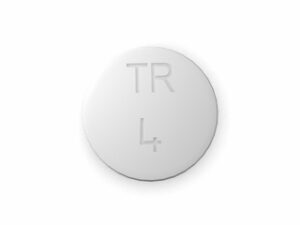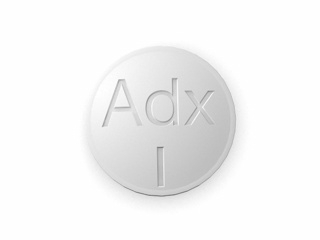


Anastrozole
Anastrozole is a medicine used to treat certain hormone-sensitive conditions, most commonly breast cancer in postmenopausal women. It works by lowering oestrogen levels in the body, which can help slow or stop the growth of some cancers that rely on oestrogen.
This page provides clear, practical information about how anastrozole works, how it’s usually taken, and what to consider regarding interactions and safety. Always follow the advice of your healthcare team.
Basic product information
| Item | Details |
|---|---|
| Generic name | Anastrozole |
| Medicinal form (common) | Tablet (oral) |
| Strength (typical) | Usually 1 mg tablets (may vary by brand) |
| Medicine type | Aromatase inhibitor (AI) |
| Who it’s used for (typical) | Usually postmenopausal women with hormone receptor–positive breast cancer |
| How it’s taken | Once daily by mouth |
In the UK, brands and pack sizes may vary. Your pharmacist can confirm the product you’re receiving.
How anastrozole works (mechanism of action)
Oestrogen can stimulate the growth of some breast cancers. In postmenopausal women, most oestrogen is produced through the conversion of androgens to oestrogen by an enzyme called aromatase.
- Anastrozole inhibits aromatase, which lowers oestrogen production.
- Lower oestrogen levels can reduce stimulation of oestrogen receptor–positive tumour cells.
- This effect is intended to help reduce the chance of cancer coming back (in early disease) or slow tumour growth (in advanced disease).
Pharmacokinetics (how the body handles it)
Pharmacokinetics describes how the medicine is absorbed, distributed, metabolised, and eliminated. While individual responses vary, the following points help explain typical behaviour of anastrozole in the body.
- Absorption: Anastrozole is absorbed from the gastrointestinal tract after swallowing.
- Time to peak: Blood levels generally reach their highest point a few hours after a dose.
- Metabolism: It is mainly metabolised in the liver through pathways that produce inactive metabolites.
- Elimination: Metabolites are excreted primarily via the kidneys and to a lesser extent through the faeces.
- Steady state: With daily dosing, blood levels reach a stable (steady) pattern after repeated use.
Your healthcare team may monitor your progress and may check bone health during treatment.
Typical use in the UK
In clinical practice in the UK, anastrozole is commonly used for oestrogen receptor (ER) positive breast cancer in postmenopausal patients, including:
- Adjuvant (early breast cancer): after surgery to reduce recurrence risk.
- Extended adjuvant therapy: to continue reducing recurrence risk after initial treatment.
- Advanced or metastatic breast cancer: to slow progression where appropriate.
Whether anastrozole is suitable depends on factors such as menopausal status, tumour receptor profile, prior treatment, and your overall health. Your oncology or breast care team will determine the best plan for you.
Indications (when anastrozole may be prescribed/used)
Indications can vary slightly by local guidance and product summary, but anastrozole is generally indicated for:
- Treatment of hormone receptor–positive advanced breast cancer in postmenopausal women.
- Adjuvant treatment of early breast cancer in postmenopausal women with hormone receptor positivity.
- Extended adjuvant treatment (in eligible patients) after prior endocrine therapy.
Not all breast cancers are hormone receptor positive. A pathology report (for example, ER status) is usually essential to guide therapy.
Dosing and timing
Typical dose
The most common dosing regimen is one 1 mg tablet once daily, taken at roughly the same time each day.
When to take it
- Choose a time that suits your routine (morning or evening) to support consistency.
- If you miss a dose, take it when you remember unless it is close to the next scheduled dose.
- Do not take a double dose to make up for a missed tablet.
If you’re unsure about a missed dose, ask your pharmacist or refer to your medicine information leaflet.
How to take
- Swallow the tablet whole with water.
- If you have difficulty swallowing, speak to your pharmacist—advice depends on the specific tablet formulation.
- Keep the medicine at room temperature, away from moisture and direct heat, and follow storage instructions on the pack.
Food interactions and what to eat
A major advantage of anastrozole is that it is generally considered to be not significantly affected by food. This means you can usually take it with or without food.
- If food helps your stomach feel more comfortable, taking it after a meal can be beneficial.
- Maintain a balanced diet to support overall health, especially bone health and weight-bearing strength.
There are no specific “forbidden” foods for anastrozole. However, if you have dietary restrictions or other medical conditions (such as kidney or liver issues), your healthcare team may recommend tailored guidance.
Alcohol and medicine interactions
Alcohol
Moderate alcohol consumption may be compatible with anastrozole for many people, but alcohol can worsen certain side effects such as hot flushes and fatigue, and it may affect sleep quality.
- If you notice increased flushing, dizziness, or reduced wellbeing after alcohol, consider limiting or avoiding it.
- If you’re on other cancer treatments or medicines for mood, pain, or sleep, alcohol may increase side-effect risk.
Seek advice if you drink heavily or have liver disease.
Medicine interactions (general guidance)
Inform your healthcare team about all medicines and supplements you take, including over-the-counter products. Some interactions are particularly important for anastrozole:
- Hormonal therapies: Avoid using other oestrogen-containing medicines unless your specialist directs otherwise. Using hormonal agents that increase oestrogen may reduce the benefit of anastrozole.
- Herbal supplements: Check products containing “natural” oestrogens or hormone-altering ingredients. A pharmacist can help identify potential issues.
- Medicines affecting liver enzymes: Anastrozole is metabolised in the liver. Some medicines can alter enzyme activity and may influence anastrozole levels.
- Bone health treatments: If you are prescribed calcium/vitamin D or anti-resorptive medicines, these are often used to help counteract bone thinning associated with aromatase inhibitors.
This page cannot list every possible interaction. Always provide your full medication list to your pharmacist.
Safety profile and side effects
Like all medicines, anastrozole can cause side effects. Many people experience mild to moderate effects that improve over time. Others may need additional management, such as supportive treatments or dose adjustments under specialist review.
Common side effects
- Hot flushes
- Joint stiffness or pain (sometimes called arthralgia)
- Headache
- Fatigue
- Nausea or mild stomach upset
- Dryness (including vaginal dryness) and changes in sexual comfort
- Sleep disturbance in some people
Important risks to know
Because aromatase inhibitors lower oestrogen, they can affect bones and cardiovascular/metabolic health for some people. Not everyone will develop these complications, but awareness helps prompt timely care.
- Bone thinning (osteoporosis) and fracture risk: Reduced oestrogen can lead to decreased bone density. Bone health monitoring and preventive measures (such as calcium/vitamin D and/or anti-osteoporosis medicines) may be recommended.
- Cholesterol changes: Some people experience changes in lipid levels. Your clinician may monitor these.
- Cardiovascular effects: If you have existing heart disease or risk factors, your clinician may monitor you more closely.
- Severe allergic reactions (rare): Seek urgent medical help if you develop swelling of the face/lips, severe rash, or trouble breathing.
- Severe liver problems (rare): If you develop yellowing of the skin/eyes (jaundice), dark urine, or significant right upper abdominal pain, seek prompt medical attention.
When to seek urgent help
- Trouble breathing, swelling of face or throat, or sudden widespread rash.
- Signs of a serious clot or stroke (for example, sudden one-sided weakness, chest pain, or sudden severe shortness of breath).
- Severe persistent pain, especially with neurological symptoms.
- Yellowing of skin/eyes or severe abdominal pain with feeling unwell.
If you’re concerned about symptoms, contact your healthcare provider promptly.
Practical use tips (getting the best results while staying comfortable)
- Take it at the same time each day to keep hormone suppression consistent.
- Manage joint symptoms: Gentle movement, warm baths, stretching, and maintaining an appropriate activity level can help. Some people benefit from pain relief measures discussed with a clinician.
- Support bone health: Ask about a bone density scan (DEXA) if not already arranged. Ensure adequate calcium and vitamin D (either through diet or supplements as advised).
- Plan for hot flushes: Dress in layers, keep your room cool, use fan/ventilation, and avoid known triggers such as very hot drinks or spicy foods if they worsen symptoms.
- Address vaginal dryness: Non-hormonal lubricants/moisturisers may improve comfort. Speak to your clinician about suitable options.
- Keep follow-up appointments: Monitoring side effects and effectiveness helps ensure you receive the safest and most beneficial care.
Monitoring and follow-up
Many people taking anastrozole will have periodic checks. Common areas include:
- Bone density (osteoporosis screening and risk assessment)
- Blood tests when relevant (such as cholesterol or liver function if clinically indicated)
- Symptom review (hot flushes, pain, fatigue, mood, and sexual health)
- Cancer-related follow-up as planned by your oncology/breast team
If you experience persistent or worsening side effects, discuss them rather than stopping the medicine on your own.
Alternative options
Depending on your cancer type, stage, prior treatments, and personal factors, your specialist may consider other endocrine therapies. Alternatives may include:
Other aromatase inhibitors
- Letrozole
- Exemestane
Other endocrine approaches
- Tamoxifen (a selective oestrogen receptor modulator)
- Ovarian suppression or other strategies for selected premenopausal patients (specialist-led)
Switching between therapies may be considered if side effects are difficult to manage or if treatment goals change. Only a clinician can decide what’s appropriate for your individual situation.
Market and legal context in the United Kingdom
Anastrozole is an established medicine in the UK. Medicines are regulated under UK medicines legislation and supported by national clinical guidance for breast cancer management.
- Regulatory oversight: Products used in the UK must meet relevant regulatory standards for quality, safety, and performance.
- Clinical guidance: Breast cancer treatment pathways in the UK commonly include aromatase inhibitors for eligible patients. Recommendations may evolve as new evidence emerges.
- Controlled supply: Pharmacy dispensing is subject to UK medicines requirements. Different channels may require different documentation depending on local policies.
Your pharmacist can help explain what is required for purchase or supply through a pharmacy service in the UK.
Recent guidance (what may change over time)
Cancer treatment strategies can be updated based on clinical trials and guideline reviews. While specific recommendations can differ by clinical scenario, topics that often receive ongoing review include:
- Which patients should receive aromatase inhibitors and for how long
- Bone protection strategies for patients at higher fracture risk
- Management of treatment-related symptoms such as arthralgia and hot flushes
- How to sequence endocrine therapy after other treatments
For the most accurate, current advice for your situation, follow guidance from your cancer care team and your NHS breast care services.
Delivery, availability, and ordering (UK)
Availability of anastrozole products can vary by brand, strength, and pack size. Many pharmacies offer delivery across the UK, subject to local regulations and stock levels.
- Dispatch times: Dispatch may be within 24–48 hours on business days, depending on stock and order verification.
- Delivery options: Home delivery and tracked services may be available.
- Packaging: Medicines are typically supplied in protective, tamper-evident packaging.
- Stock updates: If a specific brand is unavailable, your pharmacy may contact you to discuss options.
If you have questions about delivery times, costs, or stock, check the pharmacy’s service information or contact support.
FAQ
Is anastrozole suitable for everyone?
No. Anastrozole is typically used for hormone receptor–positive breast cancer in postmenopausal patients. Suitability depends on menopausal status, tumour characteristics, and your medical history.
How long will I need to take it?
Treatment duration varies by stage and individual risk. Some people take it for years as part of endocrine therapy. Your oncology team will outline the intended length and review it over time.
What should I do if I forget a dose?
Take it as soon as you remember if it’s not close to your next dose. If it is near the next scheduled dose, skip the missed tablet and continue your usual routine. Do not take two doses together.
Can I take anastrozole with food?
Yes. Anastrozole can generally be taken with or without food. Choose the option that helps you stick to a regular daily schedule.
What are the most common side effects?
Common side effects include hot flushes, joint pain or stiffness, headache, fatigue, and nausea. Many people find these symptoms manageable with supportive care.
Does anastrozole affect bone health?
Yes, it can. Lower oestrogen may reduce bone mineral density, increasing osteoporosis and fracture risk for some people. Bone monitoring and preventive treatment may be recommended.
Can I drink alcohol while taking it?
Moderate alcohol may be compatible for many people, but it can worsen symptoms like hot flushes and fatigue. If you notice worsening side effects after alcohol, consider reducing intake. Ask your clinician for tailored advice.
Are there medicines I should avoid?
Always tell your pharmacist about all medicines and supplements. In general, you should avoid oestrogen-containing products unless specifically directed by your specialist, and be cautious with supplements that may affect hormones or liver metabolism.
What should I do about joint pain?
Keep active with gentle exercise, use heat or stretching, and discuss persistent pain with your clinician. Some people require additional symptom management strategies while continuing treatment.
When should I contact a healthcare professional urgently?
Contact urgent care if you develop signs of a severe allergic reaction (swelling of face/throat, severe rash, trouble breathing), symptoms suggesting stroke or blood clot, or signs of serious liver issues (e.g., jaundice).
Are there alternatives to anastrozole?
Yes. Depending on your situation, alternatives may include other aromatase inhibitors (such as letrozole or exemestane), or other endocrine options like tamoxifen. Your clinician will recommend what best fits your diagnosis and side-effect profile.
Important note
This information is for general guidance. Individual advice may differ based on your diagnosis, other conditions, and medicines. If you have questions about side effects, interactions, or what to do if you miss a dose, speak to a pharmacist or your healthcare team.