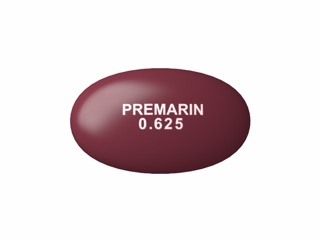

Premarin (Conjugated Estrogens) — Patient Information
Premarin contains conjugated estrogens, a type of female sex hormone used to treat symptoms related to reduced oestrogen levels. This guide is designed to help you understand how Premarin works, what it’s used for, and what to consider for safe use in the United Kingdom.
Always follow the instructions given by your healthcare professional and the information on your medicine label. This page is for general education and does not replace individual medical advice.
Quick Facts
- Medicine name: Premarin
- Active ingredient: Conjugated estrogens
- What it is: Oestrogen hormone therapy
- Common reasons for use: Menopausal symptoms and certain oestrogen-deficiency conditions
- How it’s taken: Typically as tablets (formulation strengths vary by product)
- Key safety considerations: Increased risk of certain conditions for some people (see “Safety Profile”)
What Is Premarin?
Premarin is a brand of conjugated estrogens. These are oestrogen hormones derived from natural sources and used as hormone replacement therapy (HRT) or oestrogen therapy.
Oestrogen plays a major role in regulating the female reproductive system and helps maintain tissues such as the lining of the vagina, bones, and parts of the urinary tract. When oestrogen levels fall—most commonly during the menopause—symptoms can occur, such as hot flushes and vaginal dryness.
Mechanism of Action (How Premarin Works)
Premarin works by supplying oestrogen to the body. Oestrogens exert their effects by binding to oestrogen receptors in various tissues. This can:
- Reduce menopausal symptoms (e.g., hot flushes, night sweats)
- Support vaginal tissue, helping relieve discomfort, dryness, and pain with intercourse
- Help maintain bone density by reducing bone breakdown
- Influence the endometrium (the lining of the womb)
Important note: Because oestrogen can stimulate the womb lining, people with a uterus may need an additional medicine (often a progestogen) to help protect against endometrial overgrowth.
Pharmacokinetics (What the Body Does to Premarin)
Pharmacokinetics describes how the body absorbs, distributes, metabolises, and eliminates a medicine.
Absorption
After oral dosing, conjugated estrogens are absorbed through the gastrointestinal tract. Blood levels typically rise after dosing, with effects depending on formulation and individual metabolism.
Distribution
Oestrogens bind to proteins in the bloodstream, including sex hormone-binding globulin (SHBG) and albumin. Only a fraction is freely active at any moment, which contributes to the overall hormone effect.
Metabolism
Conjugated estrogens are metabolised mainly in the liver. Metabolites can be further processed and may circulate and be reabsorbed through enterohepatic circulation—meaning some components can be recycled within the body.
Elimination
Metabolites are eliminated primarily through the urine and faeces. The overall duration of action depends on metabolism and individual physiology.
Clinical relevance: Because metabolism occurs largely in the liver, liver conditions and medicines that affect liver enzymes can influence Premarin’s effects (see “Interactions”).
Typical Uses in the UK
Premarin is used for conditions where oestrogen deficiency is present or where oestrogen therapy is indicated.
Common indications
- Menopausal symptoms due to menopause (e.g., vasomotor symptoms like hot flushes and night sweats)
- Vaginal and vulvar atrophy symptoms in postmenopausal women (often when topical treatment is not sufficient or not suitable)
- Oestrogen deficiency conditions where systemic oestrogen is required, as advised by a clinician
- Prevention of postmenopausal bone loss in selected people at risk, when other treatments are not appropriate
Womb protection: For people who have a uterus, systemic oestrogen therapy usually requires a progestogen regimen to help reduce the risk of endometrial hyperplasia and endometrial cancer.
When to Take Premarin (Timing and Routine)
How you take Premarin depends on your prescribed dosing schedule and your product strength/formulation. As a general approach:
- Try to take it at the same time each day to maintain steadier hormone levels.
- Swallow tablets whole with water unless your label instructs otherwise.
- If you are using a cyclical regimen (e.g., taking oestrogen on some days and not others), follow the schedule carefully.
How quickly it may help: Menopausal symptoms may improve within a few weeks, though some effects (like bone protection) require longer-term treatment. If you do not notice any benefit after an agreed trial period, discuss next steps with your healthcare professional.
Food Interactions
In general, food does not drastically change hormone absorption for many oral oestrogen products, but individual products and patient factors can influence levels. Practical guidance:
- It’s usually acceptable to take Premarin with or without food.
- If you find that taking it with food reduces stomach upset, that may be convenient.
- Keep your routine consistent—avoid frequent changes in timing and conditions.
Grapefruit and herbal teas: There is no single “must avoid” food listed for all patients, but grapefruit and certain supplements can affect drug-metabolising enzymes. If you regularly use herbal products or high-dose supplements, check with a pharmacist.
Alcohol Interactions
Moderate alcohol intake is not always a direct interaction for oestrogen tablets, but alcohol can indirectly affect health risks, liver function, and adherence to treatment.
- If you have a history of liver disease or abnormal liver tests, discuss alcohol use with a clinician.
- Heavy or binge drinking may increase risks associated with HRT and can worsen side effects like nausea or headaches.
Medicine Interactions (Important)
Some medicines can change how Premarin is metabolised, which may alter effectiveness or increase side effects. Others can affect clotting risk, blood pressure, or hormone-related effects.
Tell your healthcare professional or pharmacist about everything you take, including over-the-counter medicines, supplements, and herbal remedies.
Examples of interaction types
- Medicines that induce liver enzymes (may reduce oestrogen levels and symptom control). Examples can include certain anti-epileptics and some treatments for tuberculosis and HIV, depending on the specific drug.
- Some antibiotics/antifungals may affect hormone levels indirectly in certain circumstances.
- Anti-coagulants and anti-platelet medicines: oestrogen can influence clotting risk. If you take blood thinners, ask specifically about combined risk management.
- Thyroid medicines: oestrogen can increase levels of thyroid-binding proteins, potentially changing thyroid hormone requirements.
- Oestrogen-sensitive conditions treatments: if you’re being treated for hormone-dependent conditions, discuss compatibility.
Herbal and supplement considerations
- St John’s wort may reduce hormone levels by enzyme induction.
- “Natural oestrogens” or hormone-balancing supplements can be variable in content and may interact with your regimen.
Action point: Before starting or stopping any medicine or supplement, check with a pharmacist—especially if symptoms change suddenly or side effects appear.
Dosing (How Premarin Is Usually Taken)
Dosing is individual and depends on the condition being treated, your symptoms, age, medical history, and whether you use progestogen.
Typical principles (not a substitute for your label):
- Use the lowest effective dose for the shortest duration needed to control symptoms.
- For menopausal symptoms, clinicians often start with a dose designed to control symptoms, then review and adjust.
- For people with a uterus, a progestogen is commonly used alongside oestrogen to help protect the womb lining.
Do not change the dose or dosing schedule without medical advice. If you have questions about your regimen, speak to a clinician or pharmacist.
Timing for Review and Ongoing Use
HRT decisions should be reviewed regularly. In clinical practice, people may be assessed:
- After starting treatment to check symptom response and side effects
- Periodically thereafter (for example, at intervals agreed with your clinician)
- If new risk factors develop (e.g., migraines with aura, changes in weight, new medical diagnoses, or new medications)
Safety Profile: Who Should Be Careful?
Like all medicines, Premarin can cause side effects. There are also safety considerations—particularly because systemic oestrogen therapy may increase certain risks depending on personal circumstances, dose, and duration.
Common side effects
- Nausea or stomach discomfort
- Breast tenderness
- Headache
- Fluid retention or bloating
- Vaginal bleeding or spotting (especially early in therapy or with cyclical regimens)
- Mood changes in some people
Serious risks (seek urgent help if relevant)
Systemic oestrogen therapies have been associated with increased risk of certain serious conditions. Seek urgent medical advice if you experience:
- Signs of blood clots: sudden leg swelling/pain, chest pain, shortness of breath, coughing blood, or sudden severe headache
- Stroke symptoms: face drooping, weakness on one side, speech difficulties
- Severe abdominal pain or jaundice (yellowing of skin/eyes)
- Unusual vaginal bleeding that is heavy, persistent, or returns after a period without bleeding
People who may have increased risk
- A history of blood clots or certain clotting disorders
- Some risk factors for cardiovascular disease
- A history of estrogen-dependent cancers (type and individual case matters)
- Known or suspected pregnancy (HRT products are not intended for pregnancy)
- Significant liver disease
Individual assessment is essential. Your clinician will consider your personal medical history, age, risk factors, and symptom severity when deciding whether Premarin is suitable.
Practical Use Tips (Getting the Best and Safest Results)
- Keep a symptom diary: Note hot flush frequency, sleep quality, and vaginal symptoms to help guide dose adjustments.
- Track bleeding: Early spotting can occur, but any abnormal or persistent bleeding should be discussed promptly.
- Don’t stop and restart frequently: Consistency helps maintain predictable symptom control.
- Review your overall risk: If you start smoking, develop migraines with aura, or are immobilised (e.g., after surgery), seek advice—oestrogen-related risks can change.
- Bone health: Continue lifestyle measures (weight-bearing exercise, adequate calcium/vitamin D if appropriate) alongside HRT recommendations.
- Hydration and comfort for vaginal symptoms: Lubricants and moisturisers may complement systemic therapy where appropriate.
What to Do If You Miss a Dose
Follow your medicine label or the instructions from your clinician or pharmacist. General guidance for oral medicines:
- If you remember soon after, you may take it according to your dosing schedule.
- If it is close to the time of your next dose, skip the missed dose and continue as normal.
- Do not double doses unless specifically instructed.
If you are unsure, ask a pharmacist for advice based on your exact schedule.
Alternative Options
Depending on your symptoms and medical history, there are different HRT and non-HRT options. Alternatives may include:
Hormonal options
- Different systemic oestrogens (other oral oestrogens or different formulations)
- Transdermal oestrogen (patches or gels) in suitable patients—some people find these convenient and may have different risk profiles compared with oral therapy
- Vaginal oestrogen products (local therapy) for mainly vaginal symptoms
- Combined regimens (oestrogen plus progestogen where required)
Non-hormonal options
- Non-hormonal medicines for hot flushes (your clinician will choose based on suitability)
- Lifestyle measures: cooling strategies, exercise, smoking cessation, and reducing triggers (e.g., hot drinks or alcohol for some people)
- Vaginal moisturisers/lubricants for comfort
Important: The best choice depends on your symptoms, age, time since menopause, and personal risk factors. Discuss options to tailor the plan to you.
UK Market and Legal/Regulatory Context
In the United Kingdom, hormone replacement therapy is regulated by medicines authorities and guidance is updated over time based on emerging evidence. Key themes in UK practice include:
- Individualised benefit–risk assessment
- Use of the lowest effective dose
- Regular review of treatment need and duration
- Appropriate womb protection where a uterus is present
Advice and prescribing decisions may also align with recommendations from professional bodies and updates following reviews of safety evidence for systemic hormone therapies.
Recent guidance (general themes): Clinicians commonly emphasise careful selection of patients for systemic HRT, avoiding unnecessary prolonged use, and considering alternatives (including local vaginal therapy) for people whose symptoms are mainly genitourinary.
Delivery and Availability in the UK
Availability can vary by strength and form. Many online pharmacies in the UK aim to dispatch promptly after confirmation of the order and product sourcing.
- Stock status: Some strengths may be temporarily out of stock depending on supply chains.
- Delivery times: Delivery estimates depend on the service level selected (e.g., standard or express).
- Packaging: Medicines are typically supplied in original packaging to protect stability and provide clear labelling.
- Cold chain: Premarin tablets generally do not require cold storage, but follow the storage instructions on the pack.
Always check: that the name, strength, and dosing instructions on the supplied product match what you expect.
Storage
- Store at room temperature as indicated on the packaging.
- Keep in the original container to protect from moisture and to support correct identification.
- Keep out of the sight and reach of children.
- Do not use after the expiry date shown on the pack.
FAQ — Frequently Asked Questions
1) What is Premarin used for?
Premarin is used to provide oestrogen in conditions where oestrogen deficiency causes symptoms, most commonly around the menopause (e.g., hot flushes and night sweats). It may also help certain vaginal symptoms and may be considered for prevention of postmenopausal bone loss in selected people.
2) How long does it take to work?
Some menopausal symptoms may begin to improve within weeks. For others, such as bone-related benefits, effects take longer and require ongoing treatment as advised.
3) Will I get bleeding?
Some people experience spotting or bleeding, especially in the early months or if using a cyclical regimen. Any new, heavy, or persistent bleeding should be reported promptly to a clinician.
4) Do I need a progestogen with Premarin?
If you have a uterus and are taking systemic oestrogen, a progestogen is often needed to help protect the womb lining. Your prescriber/pharmacist will advise the most appropriate regimen for your situation.
5) Can I take Premarin with food?
Many people can take it with or without food. If food helps with stomach comfort, you may choose that option—but keep your routine consistent.
6) Are there interactions with other medicines?
Yes. Some medicines can change hormone levels or affect safety. Tell your pharmacist about all medicines (including over-the-counter products and herbal remedies) so they can check for potential interactions.
7) Can I drink alcohol while taking Premarin?
Moderate alcohol may be acceptable for many people, but alcohol can affect overall health and liver function. If you have liver problems or other risk factors, ask for personalised advice.
8) What side effects are common?
Common side effects include nausea, breast tenderness, headache, and fluid retention. If you experience side effects that worry you or persist, consult a pharmacist or clinician.
9) When should I seek urgent medical help?
Seek urgent help if you develop signs of a blood clot (such as chest pain, shortness of breath, sudden leg swelling), stroke symptoms, severe abdominal pain, jaundice, or severe/unusual vaginal bleeding.
10) Are there alternative treatments if Premarin isn’t suitable?
Yes. Depending on your symptoms, alternatives may include different HRT options (such as patches or local vaginal products) or non-hormonal therapies.
Summary
Premarin (conjugated estrogens) is a systemic oestrogen therapy used to treat menopausal symptoms and other oestrogen-deficiency-related conditions. It works by replacing oestrogen and helping relieve symptoms in the body where oestrogen is required. Because safety depends strongly on personal risk factors, it’s important to use the lowest effective dose, have regular reviews, and ensure appropriate womb protection if you have a uterus.
If you have questions about whether Premarin is appropriate for you, how to take it safely, or how to manage side effects, speak to a qualified healthcare professional or pharmacist.
| Category | What to Know |
|---|---|
| Active ingredient | Conjugated estrogens (oestrogen hormone therapy) |
| Typical use | Menopausal symptoms and selected oestrogen-deficiency conditions |
| How it works | Supplies oestrogen and supports hormone-responsive tissues |
| Key safety | Discuss personal risk factors; systemic oestrogen may increase certain risks |
| Food | Often taken with or without food; keep routine consistent |
| Alcohol | Moderate intake may be acceptable; ask if you have liver issues or other risks |
| Interactions | Some medicines can alter levels or safety; disclose all medicines and supplements |