

Hydrochlorothiazide
Hydrochlorothiazide is a well-established medicine used to treat high blood pressure (hypertension) and fluid retention (oedema). It belongs to a group of medicines called thiazide diuretics (“water tablets”). Hydrochlorothiazide helps your kidneys remove extra salt and water from the body, which can reduce swelling and lower blood pressure.
This guide explains how hydrochlorothiazide works, when it’s typically taken, what to watch for, and how to use it safely alongside other medicines and alcohol. It is written for people in the United Kingdom.
Quick overview
| Topic | Key points |
|---|---|
| What it is | Thiazide diuretic (“water tablet”) containing hydrochlorothiazide |
| Common uses | High blood pressure; fluid retention caused by certain conditions |
| How it works | Helps the kidneys remove salt (sodium) and water; lowers blood pressure |
| When it’s taken | Often once daily in the morning; sometimes split dosing (your clinician/pharmacist will advise) |
| How fast it works | Diuretic effect starts within hours; blood pressure effects build over days to weeks |
| Common side effects | Increased urination, thirst, dizziness, headache; possible low potassium or sodium |
| Monitoring | Blood pressure and blood tests (electrolytes, kidney function, glucose) are often needed |
Basic product information
- Generic name: Hydrochlorothiazide
- Class: Thiazide diuretic
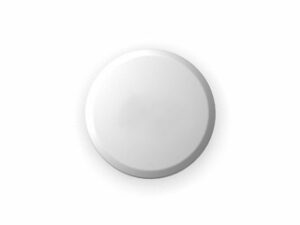
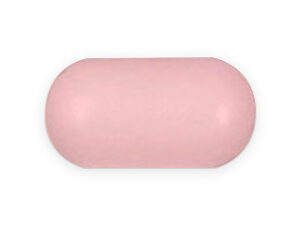
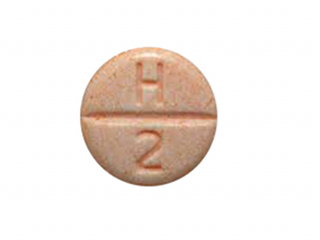
- Form: Tablets (various strengths are available depending on manufacturer)
- How it’s supplied: Available through pharmacies in the UK (availability and brand names may vary)
Hydrochlorothiazide is often used alone, but it is also commonly combined with other blood pressure medicines (for example, ACE inhibitors, angiotensin receptor blockers, or other diuretics), depending on your treatment plan.
How hydrochlorothiazide works (mechanism of action)
Hydrochlorothiazide acts in the kidneys. Specifically, it affects the distal convoluted tubule, a part of the nephron responsible for fine-tuning salt balance.
- It reduces reabsorption of sodium (salt) and water back into the bloodstream.
- This leads to increased urine production and helps reduce fluid overload.
- Over time, it also helps lower blood pressure by reducing circulating fluid volume and promoting longer-term changes in blood vessel function.
By increasing salt and water excretion, hydrochlorothiazide may also influence levels of electrolytes such as potassium and sodium, which is why monitoring is important.
Pharmacokinetics (how the body handles it)
Pharmacokinetics describes how hydrochlorothiazide is absorbed, distributed, metabolised, and eliminated. Exact values can vary between people, but the overall pattern is well recognised:
- Absorption: Hydrochlorothiazide is absorbed from the gastrointestinal tract after you take it by mouth.
- Onset: The diuretic effect commonly begins within a few hours.
- Peak effect: Blood levels typically peak a few hours after dosing (individual variation occurs).
- Distribution: It distributes into body fluids, with activity focused on the kidneys.
- Metabolism: Hydrochlorothiazide is largely not extensively metabolised.
- Elimination: It is primarily excreted via the kidneys in urine.
Because elimination depends on kidney function, your clinician may adjust dosing or monitor you more closely if you have reduced kidney function.
Typical uses in the UK
Hydrochlorothiazide may be used for:
- Hypertension (high blood pressure): to help reduce risk of stroke, heart disease, and kidney complications by lowering blood pressure.
- Oedema / fluid retention: in certain medical situations where removal of extra fluid is beneficial.
Your prescriber will consider your overall health, other medicines, kidney function, and electrolyte levels when deciding if hydrochlorothiazide is suitable.
Indications (when hydrochlorothiazide is considered)
Indications are the conditions it is intended to treat. In clinical practice in the UK, hydrochlorothiazide is commonly considered for:
- Primary hypertension (high blood pressure not caused by a specific disease).
- Oedema related to conditions where a diuretic effect is helpful (management depends on the underlying cause).
Treatment choice may vary depending on national guidance, your age, comorbidities, and lab results.
Dosing and timing
The right dose depends on your condition, response, age, kidney function, and other medications. Below are general principles commonly used in UK practice.
Typical timing
- Often taken in the morning to reduce the chance of disrupting sleep with frequent urination.
- If your daily dose is split (for example, twice daily), follow your healthcare professional’s instructions carefully.
How to take it
- Swallow tablets with water.
- Try to take your dose at a consistent time each day.
- If you miss a dose, take it when you remember unless it’s near the next scheduled dose—avoid doubling.
General dose range (for reference)
Hydrochlorothiazide strengths and dose schedules vary. In practice, clinicians may use lower starting doses and adjust based on: blood pressure response and blood test results (especially potassium, sodium, kidney function).
For the most accurate dosing instructions for your product, always refer to the label or the advice provided by your healthcare professional.
Food interactions and what to eat/drink
Food can influence comfort and hydration, but hydrochlorothiazide is not generally known for major direct food-to-drug interactions. However, some practical points are important:
- Hydration: Because it increases urination, ensure you drink enough fluids (unless you have been told to restrict fluids).
- Salt (sodium): A diet lower in salt may improve blood pressure control. However, avoid extreme salt restriction without guidance, especially if you feel light-headed.
- Potassium-rich foods: Hydrochlorothiazide can reduce potassium levels in some people. Eating potassium-rich foods (for example, bananas, oranges, potatoes, tomatoes, beans) may help, but do not use salt substitutes freely—many contain potassium and can be unsafe if you have kidney problems or take certain medicines.
If you are aiming for a low-salt diet, consider doing so gradually and discuss your overall plan with your GP or pharmacist.
Alcohol and medicine interactions
Alcohol can interact with blood pressure medicines in a practical way. It may:
- Increase the chance of dizziness or light-headedness, particularly when standing up.
- Worsen dehydration if alcohol reduces your fluid intake.
If you drink alcohol, consider limiting the amount and be cautious when you start or change your hydrochlorothiazide dose. If you feel faint, avoid alcohol until you have discussed symptoms with a healthcare professional.
Other medicine interactions (important)
Hydrochlorothiazide can interact with several classes of medicines. Tell your pharmacist or healthcare professional about all medicines and supplements you use, including over-the-counter products.
- Medicines that raise or lower potassium: Some medicines can affect potassium levels, and the combined effect may be important.
- Lithium: Diuretics may increase lithium levels, raising the risk of toxicity. Close monitoring is needed if the combination is used.
- NSAIDs (painkillers like ibuprofen or naproxen): Frequent or high-dose NSAID use may reduce the diuretic/blood pressure effect and may affect kidney function.
- Other blood pressure medicines: Often used together, but blood pressure may drop more than expected—monitoring helps.
- Digoxin: Low potassium can increase the risk of digoxin-related rhythm problems.
- Diabetes medicines: Thiazides can sometimes raise blood sugar levels, which may require adjustment of diabetes treatment.
- Gout medicines: Hydrochlorothiazide can increase uric acid levels, potentially worsening gout in susceptible people.
This is not a complete list. Always check with your pharmacist for your specific medicines and medical history.
Safety profile and side effects
Like all medicines, hydrochlorothiazide can cause side effects. Many are mild and improve as your body adjusts. Others require prompt medical attention.
Common or expected effects
- Increased urination (especially soon after starting)
- Thirst
- Dizziness, especially when standing up (orthostatic symptoms)
- Headache
- Muscle cramps or mild weakness (may relate to electrolyte changes)
Possible electrolyte and metabolic effects
Hydrochlorothiazide can alter levels of salts and minerals in the blood. This can include:
- Low potassium (hypokalaemia)
- Low sodium (hyponatraemia)
- Dehydration or reduced kidney function if fluid intake is inadequate
- Increased uric acid (may trigger gout)
- Changes in blood sugar (important for people with diabetes)
- Changes in cholesterol/triglycerides in some people
Seek urgent medical advice if
- Severe or persistent dizziness, fainting, or confusion
- Signs of dehydration (very dry mouth, extreme weakness, very little urine)
- Symptoms of severe low sodium (severe headache, persistent vomiting, severe drowsiness)
- Serious allergic reactions (swelling of face/lips, breathing difficulties, widespread rash)
- New or worsening irregular heartbeat, severe muscle weakness, or cramps that feel unusual
If you think you’re having a serious reaction, seek urgent help.
Practical use tips (making it easier to take)
- Take it at the right time: A morning dose is commonly recommended to reduce night-time trips to the toilet.
- Check your blood pressure: If you’re monitoring at home, record readings to discuss with your GP.
- Attend blood tests: Electrolytes and kidney function may be checked, especially after starting or changing dose.
- Watch for “dehydration” symptoms: If you feel unusually thirsty, dizzy, or weak, contact your pharmacist or GP.
- Don’t stop suddenly: If you feel unwell, seek advice before stopping—your blood pressure may worsen.
- Be cautious with heat and exercise: Hot weather and heavy exercise can increase dehydration risk.
Pharmacological considerations in special populations
Older adults
Older adults can be more sensitive to diuretics and may be at higher risk of electrolyte imbalance. Dosing and monitoring may be more cautious.
Kidney impairment
Because hydrochlorothiazide is eliminated by the kidneys, reduced kidney function can increase the risk of side effects. Your clinician may monitor kidney function more frequently or choose an alternative strategy.
People with diabetes
Hydrochlorothiazide may affect glucose control. If you have diabetes, you may need extra monitoring during the first weeks of therapy.
People with gout
Hydrochlorothiazide can raise uric acid levels and may trigger gout flares in susceptible individuals.
Alternative options
Depending on your condition, alternative medicines may be considered. Options include:
- Other thiazide-type diuretics (for example, indapamide or chlortalidone), which differ slightly in duration and effects.
- Loop diuretics (for example, furosemide) used for certain types of fluid retention.
- Other blood pressure medicines such as ACE inhibitors, angiotensin receptor blockers, calcium channel blockers, or beta-blockers (choice depends on your overall health).
- Combination therapy (using two medicines at lower doses) can sometimes provide better control and fewer side effects than higher doses of one medicine.
If you’re considering switching, discuss it with your healthcare professional, as stopping or changing diuretic therapy can affect fluid balance and blood pressure.
Market and legal context in the United Kingdom
In the UK, hydrochlorothiazide is a commonly used medicine for cardiovascular conditions and is widely available through NHS services and community pharmacies. The availability of brands and strengths may vary.
- Medicines regulation: Medicines sold in the UK must meet standards for quality, safety, and effectiveness set by UK regulators.
- Healthcare oversight: Blood pressure treatment is typically guided by clinical assessment and risk factors (including cardiovascular history).
- Monitoring standards: Routine blood tests may be recommended to check electrolytes and kidney function during therapy, particularly when starting or adjusting doses.
If you have questions about your product’s specific strength, how it’s packaged, or what monitoring is recommended for you, your pharmacist can help.
Recent guidance (UK perspective)
UK blood pressure management continues to emphasise:
- Regular monitoring of blood pressure (including in primary care and sometimes at home).
- Individualised treatment based on age, co-existing conditions, and measured cardiovascular risk.
- Electrolyte and kidney function checks when using diuretics, especially during early treatment or dose changes.
- Lifestyle support alongside medicines, including salt reduction, physical activity, weight management, smoking cessation, and limiting alcohol.
Guidance can evolve over time; local practice may differ slightly between NHS regions and between healthcare professionals.
Delivery and availability (what to expect when ordering in the UK)
Availability of hydrochlorothiazide tablets depends on the product strength and manufacturer, but it is generally a widely stocked medicine in the UK.
- Stock status: Many pharmacies can supply common strengths; some may require ordering from a wholesaler.
- Delivery times: Delivery speed can vary by pharmacy provider and distance. Standard and express options may be available.
- Packaging: Medicines are typically delivered in tamper-evident packaging, suitable for safe storage.
Before ordering, check the strength and quantity required, and ensure your medicine matches what your healthcare professional intended.
Storage
- Store at room temperature unless otherwise stated on the packaging.
- Keep tablets in their original container to protect them from light and moisture.
- Keep out of reach of children.
- Do not use after the expiry date printed on the pack.
FAQ
1) What is hydrochlorothiazide used for?
Hydrochlorothiazide is used mainly to treat high blood pressure and to help with fluid retention (oedema) in certain conditions.
2) How quickly does it start working?
It may start increasing urine output within a few hours. Blood pressure effects usually develop over several days, with fuller benefit often taking longer. Your response can vary.
3) Should I take it in the morning or at night?
Many people take it in the morning to reduce night-time urination. If you’re taking more than once a day, your clinician may advise a specific schedule—follow that advice.
4) Can I take it with food?
Hydrochlorothiazide can generally be taken with or without food. If food helps you remember it, you can take it after breakfast. Focus on taking it consistently at the time you’ve been advised.
5) What food or drink should I avoid?
There are no specific foods that are universally “forbidden”, but it’s wise to: maintain adequate hydration, consider a sensible low-salt diet, and avoid using potassium-containing salt substitutes unless your healthcare professional has advised it.
6) What are the most important side effects to watch for?
Watch for dizziness, signs of dehydration, and symptoms suggesting low electrolytes (such as muscle cramps or weakness). If you develop severe symptoms like fainting or confusion, seek urgent medical help.
7) Will it affect my potassium levels?
It can. Low potassium may occur in some people, which is why blood tests may be recommended. Eating a balanced diet and attending monitoring appointments can help.
8) Is it safe to drink alcohol while taking hydrochlorothiazide?
Alcohol can increase dizziness and dehydration risk. If you choose to drink, do so in moderation, and be cautious—especially when you first start treatment or when the dose is changed.
9) Can I take it with ibuprofen or other painkillers?
Occasional use of painkillers may be fine, but frequent NSAID use can interfere with kidney function and reduce the expected effect of diuretics. Ask your pharmacist for advice if you use NSAIDs regularly.
10) What if I miss a dose?
Take it when you remember unless it’s close to the next dose. Don’t take a double dose to make up for a missed tablet. If you’re unsure, consult your pharmacist.
11) Are there alternatives if I can’t tolerate it?
Yes. Depending on your condition, other diuretics or different blood pressure medicines may be considered. Your healthcare professional can advise based on your medical history and blood test results.
12) How long will I need to take it?
Many people take hydrochlorothiazide long-term for blood pressure control. Your clinician will review your treatment regularly based on blood pressure readings and monitoring results.
Important: This information is for general guidance. If you have questions about your specific condition, other medicines, allergies, or monitoring requirements, speak to a pharmacist or healthcare professional.