
Tenormin (Atenolol) – Patient-Friendly Guide
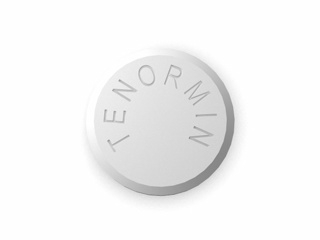
Tenormin is a brand of atenolol, a medicine from the group known as beta-blockers. It is used to treat a range of cardiovascular conditions, including high blood pressure, angina (chest pain), and certain rhythm problems. Tenormin works by slowing the heart rate and reducing the heart’s workload, which can help lower symptoms and reduce strain on the body over time.
This guide explains how Tenormin works, how it behaves in the body, what it’s commonly used for in the UK, typical dosing and timing, food and alcohol interactions, safety considerations, practical tips for taking it, and options that may be considered as alternatives. For individual advice, it’s always important to follow the instructions provided by your healthcare professional.
Basic product information
| Feature | Details |
|---|---|
| Brand name | Tenormin |
| Generic name | Atenolol |
| Medicine type | Beta-1 selective beta-blocker |
| Common forms | Tablets (strengths vary by product) |
| Typical dosing frequency | Often once daily for many indications; frequency varies by dose and condition |
| How it is taken | Swallowed with water |
How Tenormin works (mechanism of action)
Atenolol blocks beta-adrenergic receptors, mainly the beta-1 receptors found in the heart. By reducing signals from adrenaline/noradrenaline, it leads to:
- Lower heart rate (slower pulse)
- Reduced force of contraction, lowering cardiac workload
- Lower blood pressure over time
- Increased efficiency of the heart’s oxygen use
For people with angina, the medicine can help prevent episodes by reducing the heart’s demand for oxygen. In some rhythm problems, it helps stabilise the heart rate.
Pharmacokinetics (how the body handles atenolol)
Pharmacokinetics describes absorption, distribution, metabolism and elimination. Understanding this helps explain timing, duration of effect, and potential interactions.
- Absorption: Atenolol is absorbed after oral administration, but absorption can vary between individuals.
- Distribution: It distributes into body tissues, with significant effects on the cardiovascular system.
- Metabolism: Atenolol is relatively less extensively metabolised than some other beta-blockers, which can make certain drug–drug interactions less likely, though interactions can still occur.
- Elimination: It is cleared largely via the kidneys. If kidney function is reduced, dosing may need adjustment.
- Onset and duration: Many people experience effects within hours. The medicine is often dosed once daily because its duration can be sufficient for 24-hour control for many uses.
Your prescriber may tailor dose and frequency based on your condition, blood pressure, heart rate, symptoms, and kidney function.
What Tenormin is used for in the UK
In the UK, atenolol is commonly used to treat:
- High blood pressure (hypertension)
- Angina pectoris (chest pain due to reduced blood flow to the heart muscle)
- Some types of abnormal heart rhythm, where controlling heart rate is important
- After certain heart-related events as part of long-term cardiovascular care (as advised)
Indications can vary depending on local guidance and your individual circumstances. Your healthcare professional will determine whether Tenormin is appropriate for you.
Typical dosing and timing
Dosing depends on the condition being treated, your heart rate and blood pressure, tolerance, and kidney function. Always follow the instructions given to you.
General timing tips
- Take at the same time each day to keep drug levels consistent.
- Consistency matters—if you miss a dose, take advice on what to do next rather than doubling up.
- Do not stop suddenly without medical advice, as abrupt withdrawal of beta-blockers may cause worsening symptoms (such as angina) or raise heart-related risks in some people.
Dose adjustments
- Kidney problems: Because atenolol is cleared by the kidneys, dose adjustment may be necessary.
- Elderly patients: Lower starting doses may be used, depending on overall health and kidney function.
- Low pulse or low blood pressure: Your clinician may reduce the dose if your pulse becomes too low or you feel unwell.
Since Tenormin comes in different strengths and regimens, your exact dose should be confirmed with your supply information. If you’re unsure about timing, ask your pharmacist for guidance.
Food interactions and taking with meals
Food may affect absorption for some medicines in this class, but atenolol is generally considered straightforward to take with or without food. If your healthcare professional has advised a particular routine, follow it.
- With or without food: Most people can take Tenormin consistently either way.
- Consistency: If you take it with breakfast, try to keep that routine each day.
- Upset stomach: If you feel nauseous, taking it with food may help.
Alcohol interactions
Alcohol can increase the risk of side effects with blood pressure medicines, including beta-blockers. Combining alcohol with Tenormin may make you feel:
- Dizzy or light-headed, especially when standing up
- More tired or less steady
- Unusually weak
If you drink alcohol, consider limiting intake and avoid sudden large amounts. Seek advice if you experience fainting, severe dizziness, or worsening symptoms.
Medicine interactions (important)
Several medicines can interact with atenolol, either by affecting heart rate and blood pressure, or by influencing how the body handles the medicine. Always inform your pharmacist and healthcare professional about all medicines you take, including over-the-counter products and herbal remedies.
Common interaction areas
- Other heart medicines: Medicines that also slow the heart (for example, some antiarrhythmics or heart-rate-lowering drugs) may increase the chance of an overly slow pulse or dizziness.
- Calcium channel blockers: Some types can add to heart-rate effects. Your pharmacist can help check which type is involved.
- Diabetes medicines: Beta-blockers can sometimes mask certain symptoms of low blood sugar (such as tremor/palpitations). They may also affect how you feel during hypoglycaemia.
- Non-steroidal anti-inflammatory drugs (NSAIDs): Frequent or high-dose NSAIDs may reduce blood pressure-lowering effects in some people.
- Other blood pressure medicines: Using with other antihypertensives may increase the chance of low blood pressure, especially when starting or adjusting doses.
Be extra cautious if you take
- Asthma/COPD medicines: Atenolol is beta-1 selective, but at higher doses or in sensitive individuals it may still affect the airways. If you have wheezing or breathing difficulties, seek advice promptly.
- Medicines that affect electrolytes: Changes in potassium or magnesium can increase rhythm risks.
- Stimulants: Some over-the-counter cold/flu products may contain ingredients that increase heart rate.
If you start a new medicine, it’s a good idea to check with your pharmacist whether it’s safe to use alongside Tenormin.
Indications and clinical conditions (what to expect)
Tenormin is prescribed for different reasons. The expected benefits can vary:
- Hypertension: It helps lower blood pressure and reduce cardiovascular risk over the long term. Improvements may be noticeable within days, but maximum benefit can take longer as treatment continues.
- Angina: It helps reduce the frequency and severity of chest pain episodes by controlling heart rate and demand for oxygen. You may feel fewer episodes over time.
- Heart rhythm control: It can help control the heart rate and reduce symptoms related to tachycardia (fast heart rate), as directed by your clinician.
If your symptoms worsen, or you notice new symptoms such as breathlessness, chest pain, fainting, or severe fatigue, you should seek urgent medical help.
Safety profile: side effects and warnings
Like all medicines, Tenormin can cause side effects. Many are mild and improve as your body adapts, but some require prompt medical review.
Common side effects
- Slow pulse (bradycardia) or feeling your heart is slower than usual
- Dizziness, light-headedness, especially when standing
- Tiredness or reduced energy
- Cold hands and feet
- Sleep disturbances or unusual dreams (reported by some people)
Less common but important effects
- Worsening breathlessness in people with asthma or certain breathing conditions
- Low blood pressure symptoms (fainting, severe dizziness)
- Depressed mood or changes in mood (not everyone experiences this)
- Sexual function changes may occur with some beta-blockers
Seek urgent medical help if you experience
- Fainting or near-fainting
- Severe dizziness or collapse
- Chest pain that is new or worsening
- Severe shortness of breath or wheezing that is new/worsening
- Signs of a serious allergic reaction (swelling of face/lips, difficulty breathing, widespread rash)
Who should use Tenormin with extra caution?
- People with a very slow heart rate or certain conduction problems (heart block)
- Those with asthma or chronic obstructive pulmonary disease (COPD)
- People with diabetes (because symptoms of low blood sugar can be masked)
- Individuals with kidney impairment (dose adjustment may be required)
- Those with poor circulation (e.g., Raynaud’s) as coldness symptoms can worsen
Do not stop suddenly
Beta-blockers should generally be reduced gradually rather than stopped abruptly. Stopping suddenly can lead to worsening angina symptoms or other heart-related effects. If you want to stop or change treatment, consult your healthcare professional.
Practical use tips for getting the best results
- Track your pulse and blood pressure if you’ve been advised to do so. Keep a simple log for your appointments.
- Stand up slowly at first, especially after starting or increasing the dose, to reduce dizziness.
- Use a daily reminder (phone alarm, pill organiser) to avoid missed doses.
- Carry your medicine list—include Tenormin and doses—particularly if you visit healthcare services.
- Report symptoms early: If you experience persistent fatigue, significant dizziness, or breathing changes, contact your pharmacist or clinician.
- Plan for activity: If you take Tenormin for angina, ask how to pace exercise and recognise safe limits.
- Don’t double up: If you miss a dose, follow advice from your pharmacist rather than taking an extra tablet immediately.
Alternative options (other beta-blockers and related medicines)
Treatment plans are individual. If Tenormin is not suitable due to side effects, heart rate changes, or other factors, clinicians may consider different medicines, which could include other beta-blockers or medicines from other classes.
Possible alternative beta-blockers
- Metoprolol (another beta-blocker, with different formulation options)
- Bisoprolol (often used in cardiovascular care)
- Propranolol (less cardio-selective; may have different side effect patterns)
Alternative classes for blood pressure or angina (examples)
- ACE inhibitors (e.g., perindopril, lisinopril)
- ARBs (e.g., losartan, valsartan)
- Calcium channel blockers (e.g., amlodipine)
- Diuretics (water tablets, such as bendroflumethiazide)
- Nitrates for angina symptom relief (separate from long-term prevention)
Your prescriber may change treatment based on your specific diagnosis, other health conditions (including asthma, kidney function, and diabetes), and overall cardiovascular risk. Never switch without advice.
Market and legal context in the United Kingdom
Medicines in the UK are regulated to ensure safety, quality, and appropriate supply. Tenormin (atenolol) is widely recognised within the UK healthcare system and is used for established cardiovascular indications.
Availability can depend on pharmacy stock and the specific presentation (tablet strength and pack size). Online pharmacy services operate under UK regulatory frameworks, and legitimate suppliers follow established requirements for patient safety and medicine supply.
Recent guidance (UK healthcare context)
National and international heart-health recommendations continue to emphasise:
- Individualised blood pressure targets based on overall risk and tolerance
- Appropriate long-term cardiovascular risk reduction for eligible patients
- Careful monitoring of heart rate and blood pressure when using beta-blockers
- Review of beta-blocker need over time, particularly for ongoing symptoms or medication changes
Guidance evolves, so if you are making decisions about your treatment plan, it’s wise to review current advice with your clinician.
Delivery, availability, and ordering information (UK online pharmacy)
Tenormin is commonly stocked by UK pharmacies because atenolol is a well-established medicine. Availability may vary by tablet strength and pack size, so some online orders may take longer depending on local stock.
What you can usually expect
- Product confirmation: Your online pharmacy page should clearly state the brand, strength, and pack size.
- Dispatch times: Delivery timing depends on order processing and courier routes.
- Temperature and handling: Normal tablet storage conditions typically apply (keep as directed on the packaging).
- Tracking: Many services provide dispatch confirmation and tracking information.
If you need Tenormin urgently (for example, because you are nearing the end of your current supply), choose a service that offers suitable dispatch and delivery options within the UK.
FAQ – Tenormin (Atenolol)
1) How quickly does Tenormin work?
Some effects on heart rate and blood pressure may be noticed within hours, while full benefit—especially for blood pressure and angina prevention—can take longer as your body adjusts. Continue taking it consistently as advised.
2) Should I take Tenormin in the morning or at night?
Many people take it once daily in the morning. However, the best timing depends on your symptoms and side effects (for example, tiredness or dizziness). If you’re experiencing fatigue, your clinician or pharmacist may suggest changing the time of day.
3) Can I take Tenormin with food?
Yes, it’s usually possible to take Tenormin with or without food. Choose a routine you can stick to daily. If food helps prevent stomach upset, taking it with meals may be more comfortable.
4) What should I do if I miss a dose?
If you miss a dose, don’t double up. Follow the guidance provided by your pharmacist or the instructions in the patient information leaflet for what to do next. If you’re unsure, contact a pharmacist.
5) Is Tenormin safe for people with asthma or COPD?
Atenolol is relatively beta-1 selective, but caution is still needed in asthma and some COPD cases. If you have breathing difficulties, wheezing, or increased shortness of breath, seek advice before using or continuing Tenormin.
6) Can Tenormin be used if I have diabetes?
It may be used in some people with diabetes, but it can mask certain signs of low blood sugar (particularly palpitations). You may need closer glucose monitoring, and it’s important to discuss hypoglycaemia awareness with your healthcare professional.
7) Are there any medicines I should avoid with Tenormin?
Some medicines can interact, especially those that affect heart rate, blood pressure, rhythm, or glucose control. Always check with your pharmacist about any new medication, including over-the-counter products and herbal supplements.
8) Can I drink alcohol while taking Tenormin?
Alcohol may increase dizziness and tiredness and can worsen low blood pressure symptoms. If you drink, do so cautiously and avoid large amounts. If you feel faint or very unwell, avoid alcohol and seek advice.
9) What side effects are most likely?
Commonly reported effects include tiredness, dizziness, slow pulse, and cold hands or feet. If side effects are severe, persistent, or worsening, contact a healthcare professional.
10) Can I stop Tenormin suddenly?
Do not stop suddenly unless your healthcare professional specifically advises it. Stopping abruptly may lead to worsening angina or other heart-related symptoms. If you need to stop, ask for a gradual plan.
Summary
Tenormin (atenolol) is a beta-blocker used in the UK for conditions such as high blood pressure, angina, and some rhythm problems. It works by slowing the heart rate and reducing the heart’s workload. Taking it consistently and monitoring symptoms—especially dizziness, breathing changes, and pulse rate—can help you use the medicine safely. Food is generally not a major barrier, but alcohol may increase dizziness. Always check potential interactions with your pharmacist and follow dosage guidance tailored to your health and kidney function.
If you have any questions about Tenormin, including availability, timing, or how it fits with your other medicines, speak to a qualified healthcare professional or your pharmacist for tailored advice.